Picture this: I’m juggling a pot of boiling water, a frantic phone call, and a sudden craving for something bright, herbaceous, and utterly comforting. I tried whipping up a classic pesto pasta, but the sauce turned into a sloppy, clumpy mess that stuck to the pan like a bad haircut. The lemon was missing, the flavor flatlined, and I was left with a bowl of disappointment that tasted like it belonged in a pantry, not on a plate. I dared myself to reinvent the whole thing in under twenty minutes, and the result? A sauce that clings to penne like velvet, with a zing that snaps your taste buds awake.
The kitchen was alive with the sizzle of garlic meeting hot oil, the aromatic perfume of fresh basil flooding the air, and the citrusy perfume of lemon zest dancing like fireworks. My hands were slick with olive oil, the pasta bubbling like a chorus of tiny drums, and the sound of a wooden spoon scraping the bottom of the pan was music to my ears. I could feel the heat radiating from the stove, the coolness of the stainless steel counter under my fingertips, and the anticipation building with each stir. When I finally plated the dish, the glossy green sauce glistened, speckled with lemon zest that looked like confetti at a summer party.
What makes this version stand out is that it doesn’t rely on a thousand‑step process or exotic ingredients you have to hunt down at a specialty market. It’s a straightforward, ten‑minute sauce that brings together the brightness of lemon, the earthiness of pine nuts, and the nutty depth of Parmesan, all wrapped in a basil‑laden embrace. Most recipes get the balance wrong, either drowning the pasta in oil or under‑seasoning the lemon. Here, the lemon zest is added at the perfect moment to preserve its aromatic oils, while the juice finishes the sauce with a punch that makes you gasp in delight. I’ll be honest — I ate half the batch before anyone else got to try it, and that’s a testament to how addictive this dish truly is.
Let me walk you through every single step — by the end, you’ll wonder how you ever made it any other way. Okay, ready for the game‑changer? The secret is a quick flash‑blanch of the basil and a splash of pasta water that turns the pesto into a silky emulsion that coats each penne perfectly. Stay with me here — this is worth it. I dare you to taste this and not go back for seconds.
What Makes This Version Stand Out
- Flavor Explosion: The lemon zest and juice cut through the richness of the pesto, creating a bright, layered taste that feels like sunshine on a plate.
- Velvety Texture: By emulsifying the olive oil with a splash of starchy pasta water, the sauce becomes silk‑smooth, hugging each penne without any greasy residue.
- Speedy Simplicity: All the magic happens in under twenty minutes, making it perfect for weeknight dinners or last‑minute gatherings.
- Ingredient Integrity: Fresh basil, high‑quality Parmesan, and real lemon are the stars; no shortcuts, no frozen pesto packets.
- Crowd‑Pleaser: Even the pickiest eaters love the bright flavor, and the optional red‑pepper flakes add just enough heat to keep things interesting.
- Make‑Ahead Friendly: The pesto can be pre‑made and stored in the fridge for up to three days, so you only need to boil pasta and toss.
- Versatile Base: Swap pine nuts for walnuts, or add a spoonful of ricotta for extra creaminess — the sauce adapts without losing its identity.
- Zero Waste: Lemon zest uses the whole fruit, and any leftover basil stems can be blended into the pesto for extra flavor.
Inside the Ingredient List
The Flavor Base
Basil Leaves: Fresh basil provides the aromatic backbone of the pesto. Its sweet, peppery notes are what make the sauce instantly recognizable. If you skip it, you lose the herbaceous perfume that defines pesto. For the best flavor, use leaves that are vibrant green and free of dark spots; you’ll know they’re fresh when they release a fragrant scent when you rub them between your fingers. A good swap is a mix of basil and arugula for a peppery twist.
Garlic: Two cloves, minced fine, give the sauce a subtle bite without overpowering the lemon. Garlic’s natural sugars caramelize slightly when blended, adding depth. If you’re sensitive to raw garlic’s pungency, blanch the cloves in hot water for ten seconds before mincing. Freshly minced garlic is a must; pre‑minced jars contain preservatives that dull the flavor.
Pine Nuts: The buttery richness of pine nuts balances the acidity of lemon. They also add a delicate crunch if toasted briefly. If pine nuts are pricey or unavailable, try toasted walnuts or almonds; they’ll add a different, but still delightful, nutty profile. When buying, look for unsalted, raw nuts and store them in the fridge to keep their oils from going rancid.
The Texture Crew
Parmesan Cheese: Half a cup of freshly grated Parmigiano‑Reggiano supplies salty umami and helps the sauce emulsify. The cheese’s proteins bind with the oil, creating that creamy coat you crave. If you’re looking for a dairy‑free route, try a generous sprinkle of nutritional yeast, though the texture will be slightly different. Choose a cheese that’s aged at least 24 months for the deepest flavor.
Olive Oil: A half‑cup of extra‑virgin olive oil is the liquid gold that carries all the flavors together. Its fruitiness complements the basil, while its smooth texture prevents the sauce from separating. Use a cold‑pressed, unfiltered oil for a more robust taste. If you want a lighter mouthfeel, replace a quarter of the oil with a splash of vegetable broth.
Lemon Zest & Juice: The zest delivers aromatic oils that can’t be replicated by juice alone, while the juice provides the bright, tangy spark. Add the zest first, then finish with the juice to keep the citrus notes lively. If you’re out of lemons, a tablespoon of lemon‑infused olive oil can mimic the zest, but fresh juice is unbeatable.
The Unexpected Star
Red Pepper Flakes: A pinch of heat elevates the dish without overwhelming the lemon’s brightness. It’s the secret whisper that makes the palate dance. If you prefer milder heat, skip them entirely; the sauce remains delightful. For a smoky twist, use smoked paprika instead.
Salt & Pepper: Seasoning is the quiet hero that brings all flavors into harmony. Salt to taste is essential, but a half‑teaspoon of kosher salt at the beginning ensures the pasta water is properly seasoned, which in turn seasons the sauce. Freshly cracked black pepper adds a subtle bite that rounds out the lemon’s acidity.
The Final Flourish
Penne Pasta: Twelve ounces of penne is the perfect shape to catch the pesto in its ridges and tubes. The pasta’s firm bite, or “al dente,” provides texture contrast to the silky sauce. If you’re gluten‑free, opt for brown rice penne; the flavor will still shine, though the texture changes slightly.
Optional Toasted Breadcrumbs: A quarter cup of golden breadcrumbs tossed in a drizzle of olive oil adds a crunchy topping that mimics an Italian‑style gratin. It’s the crisp edge that shatters like thin ice when you bite. If you’re avoiding gluten, use gluten‑free panko.
Everything's prepped? Good. Let's get into the real action…
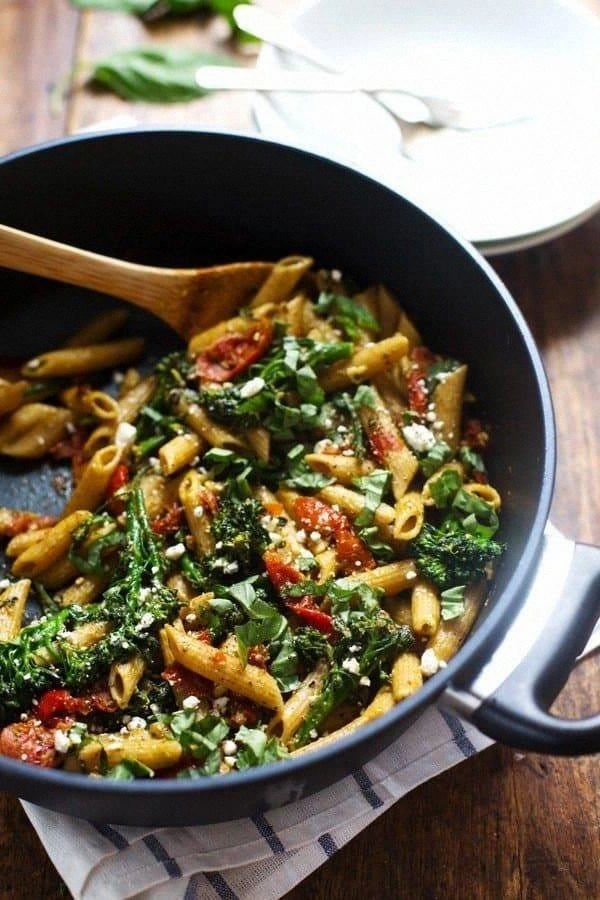
The Method — Step by Step
Bring a large pot of water to a rolling boil, then add a generous handful of kosher salt — think sea water, not a pinch. Drop in the twelve ounces of penne and stir immediately to prevent sticking. Cook for 10‑11 minutes, or until al dente; you want a slight bite that will hold up when tossed with the sauce. Before draining, reserve one cup of the starchy pasta water in a heat‑proof jug; this will be the secret weapon for emulsifying the pesto. Drain the pasta, but do not rinse — the starches are crucial for the next step.
While the pasta cooks, set up your food processor. Add two cups of packed fresh basil leaves, a third cup of pine nuts, two minced garlic cloves, and half a cup of grated Parmesan. Pulse a few times just to break everything down, then drizzle in the half‑cup of extra‑virgin olive oil in a slow, steady stream while the processor is running. The mixture should turn a vivid emerald green and become smooth but still slightly textured; you’re aiming for a sauce that looks like liquid jade.
- Kitchen Hack: If your pesto looks too thick, add a splash of the reserved pasta water now; it will loosen the sauce without diluting flavor.
Now it’s time to bring in the lemon. Zest one large lemon directly over the processor; the fine zest will fall like confetti, releasing aromatic oils that perfume the pesto instantly. Follow with the juice of the same lemon, which adds a bright acidity that lifts the entire dish. Give the processor one last quick pulse to blend everything together, but stop before the sauce turns too thin. The final consistency should coat the back of a spoon lightly.
Return the drained penne to the pot it was cooked in, set the heat to low, and pour the freshly made lemon‑basil pesto over the pasta. Toss vigorously with tongs, adding the reserved pasta water a tablespoon at a time until the sauce clings to each tube like a silky veil. You’ll notice the sauce turning glossy and the pasta becoming glossy; that’s the emulsification happening. At this stage, season with half a teaspoon of salt and a quarter teaspoon of freshly ground black pepper, tasting as you go.
- Watch Out: If the sauce starts to separate, immediately turn off the heat, add a splash more pasta water, and whisk vigorously; the starch will bring it back together.
Now, sprinkle a pinch of red‑pepper flakes for a subtle heat that won’t dominate the lemon’s brightness. If you love a bit more kick, feel free to add a second pinch, but remember — the lemon is the star, and the heat should be a supporting actor. Toss again to distribute the flakes evenly. The aroma at this point is intoxicating: fresh basil, citrus, toasted nuts, and a whisper of spice all mingling in the air.
For an optional crunch, heat a small skillet over medium heat, add a drizzle of olive oil, and toss in the quarter‑cup of breadcrumbs. Stir continuously until they turn golden brown and fragrant, about two minutes. This step adds a textural contrast that makes each bite feel like a surprise party in your mouth. Once toasted, set the breadcrumbs aside; you’ll sprinkle them just before serving for maximum crunch.
Plate the pasta in shallow bowls or a wide platter, ensuring each serving gets an even coat of sauce. Finish each plate with a generous sprinkle of the toasted breadcrumbs, a final dusting of grated Parmesan, and a few extra lemon zest shavings for visual flair. The bright green sauce against the crisp breadcrumbs looks like a work of art, and the aroma will make anyone’s stomach growl.
Take a moment to admire your creation. The lemon pesto glistens, the penne tubes are filled with emerald sauce, and the citrus scent is practically begging you to dig in. This is the moment of truth — the first forkful should feel silky, bright, and perfectly balanced. If you’re serving guests, encourage them to give a quick taste and then declare, “I dare you to go back for seconds.” And now the fun part: enjoy every bite while it’s hot, because the flavors are at their peak.
That's it — you did it. But hold on, I've got a few more tricks that'll take this to another level...
Insider Tricks for Flawless Results
The Temperature Rule Nobody Follows
Never toss hot pasta with cold pesto. The heat from the pasta helps the oil emulsify, creating that luxurious coating. If you accidentally let the pesto sit out too long, gently re‑warm it over a double boiler while whisking in a splash of pasta water. This small step prevents the sauce from becoming grainy and keeps the flavors bright.
Why Your Nose Knows Best
Before you taste, give the sauce a quick sniff. If you detect a raw garlic note, let the sauce sit for a minute; the garlic will mellow as the lemon oil integrates. Trusting your nose saves you from over‑seasoning, because the aroma is a reliable indicator of flavor balance.
The 5‑Minute Rest That Changes Everything
After tossing the pasta with the pesto, let it sit uncovered for five minutes. This rest allows the pasta to absorb the sauce, deepening the flavor. I once rushed this step and the dish felt “wet”; after the pause, the sauce clings perfectly, and the lemon zing becomes more pronounced.
Salt Timing is Everything
Season the pasta water heavily — it’s the only chance you have to season the pasta itself. If you under‑salt the water, you’ll end up adding too much salt to the sauce later, which can mask the lemon’s brightness. A good rule of thumb: the water should taste like the sea.
Finishing with Fresh Herbs
A final sprinkle of torn basil leaves just before serving adds a burst of fresh aroma that can’t be replicated by dried herbs. The leaves wilt slightly from the heat, releasing a fragrant steam that elevates the entire dish. If you’re feeling adventurous, add a few mint leaves for a surprising, refreshing twist.
Creative Twists and Variations
This recipe is a playground. Here are some of my favorite ways to switch things up:
Spicy Sriracha Lemon Pesto
Swap the red‑pepper flakes for a tablespoon of Sriracha and add a splash of soy sauce. The result is a sweet‑heat version that pairs beautifully with grilled chicken. The lemon still shines, but the umami depth is amplified.
Sun‑Dried Tomato Lemon Pesto
Blend in a quarter cup of sun‑dried tomatoes with the basil; you’ll get a richer, slightly tangy sauce that’s perfect for a Mediterranean vibe. The tomatoes add a chewy texture that contrasts nicely with the silky pasta.
Vegan Cashew Pesto
Replace Parmesan with a half‑cup of soaked cashews and a tablespoon of nutritional yeast. The cashews provide creaminess, while the yeast mimics the cheesy umami. The lemon zest still delivers that bright punch.
Roasted Veggie Penne
Roast a mix of cherry tomatoes, zucchini, and bell peppers, then toss them in with the pasta. The caramelized vegetables add sweetness that balances the lemon’s acidity, turning the dish into a hearty, veggie‑packed meal.
Protein‑Packed Chicken Lemon Pesto
Grill or pan‑sear two chicken breasts seasoned with salt, pepper, and a drizzle of lemon juice. Slice thinly and fold into the pasta at the end. The chicken absorbs the pesto, making each bite a perfect blend of protein and herbaceous sauce.
Winter Warmth Version
Add a pinch of ground nutmeg and a splash of heavy cream to the pesto for a richer, comforting version that’s perfect for chilly evenings. The cream softens the lemon’s edge, creating a velvety, cozy dish.
Storing and Bringing It Back to Life
Fridge Storage
Transfer any leftovers to an airtight container and refrigerate for up to three days. The pesto may thicken as the oil solidifies; simply stir in a tablespoon of warm water before reheating to restore its silky texture.
Freezer Friendly
Portion the cooked pasta and pesto into freezer‑safe bags, removing as much air as possible. Freeze for up to two months. When ready to eat, thaw overnight in the fridge, then reheat gently on the stove, adding a splash of water to bring back the sauce’s shine.
Best Reheating Method
Reheat the pasta over low heat in a skillet, adding a tiny splash of water or broth to steam the noodles back to life. Avoid the microwave, which can cause the sauce to separate. Stir constantly until the sauce clings again, and finish with a fresh sprinkle of lemon zest for that just‑cooked aroma.