Avocado Nut Bread
The night I tried to bake a quick loaf, I accidentally turned my kitchen into a flour battlefield. The flour dusted the countertops like snow, and my oven timer went off with a dramatic pop. I stared at the half‑baked mess, realizing I’d forgotten to add any fat. That moment of panic sparked a craving for a richer, buttery loaf that would make the whole house smell like sunshine. I vowed to find the perfect recipe that would rescue my baking from disaster to delight.
Fast forward to the next morning, I was chasing the scent of avocado and pecans drifting through the air. I could hear the gentle crackle of a toaster, the soft hum of the fridge, and the distant buzz of a neighbor’s lawnmower. The avocado’s green glow on my cutting board promised a creamy, silky texture that would contrast with the crunchy pecan shards. The kitchen felt alive, each utensil humming in anticipation of the next step. I could almost taste the sweet, buttery crumb that would soon fill my apartment.
This version of avocado nut bread is hands down the best I’ve ever made at home. It balances the richness of avocado with the lightness of buttermilk and the subtle lift of baking soda. The pecans add a satisfying crunch that shatters like thin ice when you bite into it. The result is a loaf that feels like a hug in a loaf form—warm, comforting, and utterly irresistible. No other recipe has captured this harmony of flavors and textures in a single loaf.
What's truly exciting is the secret technique that transforms a simple batter into a cloud‑like crumb. I’ll show you how to fold in the mashed avocado without overmixing, preserving that airy structure. That single tweak means the bread stays moist for days, unlike those dense, dry loaves that crumble at the first bite. By the end of this guide, you’ll wonder how you ever made it any other way. Let me walk you through every single step—by the end, you’ll wonder how you ever made it any other way.
What Makes This Version Stand Out
- Creaminess: The mashed avocado infuses the batter with natural fats that keep the crumb tender and moist, turning every slice into a buttery experience.
- Texture: The pecans are toasted just enough to release their oils, adding a crunch that contrasts the soft interior and gives the loaf a satisfying bite.
- Flavor: A subtle citrus note from a hint of lemon zest elevates the avocado’s earthiness, creating a bright, fresh profile that lingers.
- Freshness: Using buttermilk not only adds tang but also reacts with baking soda to produce a light, airy rise that keeps the bread from becoming heavy.
- Simplicity: Every ingredient is pantry‑friendly, and the mixing process is straightforward enough that even a novice can achieve professional results.
- Crowd‑pleaser: Whether served for brunch, a snack, or a light dinner, this loaf earns rave reviews from friends who expect a classic bread but get something extraordinary.
- Make‑ahead: The loaf keeps well for up to a week in the fridge or can be frozen, making it an ideal batch‑bake for busy weeks.
Alright, let's break down exactly what goes into this masterpiece...
Inside the Ingredient List
The Flavor Base
All-purpose flour is the backbone of any loaf, providing structure without overpowering the subtle flavors. Using a high‑protein flour will give the bread a slightly chewier bite, while a lower‑protein flour creates a softer crumb. If you’re gluten‑free, try a 1:1 blend of rice and chickpea flour for a comparable texture. Remember, the flour is the canvas; keep it light and airy by sifting before measuring.
Sugar is the sweetener that balances the avocado’s mild earthiness. A ¾ cup measurement is the sweet spot—enough to caramelize slightly on the crust but not so much that the bread feels sugary. If you prefer a lower‑sugar version, reduce the amount by ¼ cup and add a pinch of cinnamon to maintain sweetness.
Baking powder and baking soda work together to lift the batter. The powder provides a steady rise, while the soda reacts with the buttermilk to produce carbon dioxide. Skipping either will result in a denser loaf, so keep both. If you’re using a low‑sodium baking soda, increase the amount by ¼ teaspoon to compensate.
Salt is the flavor enhancer that brings all the ingredients together. A half‑teaspoon is enough to amplify the avocado’s richness without making the bread taste salty. For a more robust flavor, add a pinch of smoked sea salt on top before baking.
The egg binds the batter, giving it structure and a slight sheen. A single large egg is sufficient; if you’re vegan, replace it with a flax egg (1 tablespoon ground flaxseed mixed with 3 tablespoons water) and let it sit for 5 minutes.
The Creamy Component
Avocado is the star of this loaf. Its high fat content creates a moist, tender crumb that stays fresh longer than traditional butter or oil. Use a ripe avocado for a smoother texture; if it’s too soft, mash it with a fork until silky. A half‑cup of mashed avocado is the sweet spot for flavor without overpowering the bread.
Buttermilk adds a tang that brightens the loaf and reacts with baking soda for lift. The acidity also tenderizes the gluten, resulting in a softer crumb. If you don’t have buttermilk on hand, mix ½ cup milk with 1 tablespoon white vinegar and let it sit for 5 minutes; this will curdle slightly and mimic the flavor profile.
The Crunch Crew
Pecans are toasted just enough to release their oils and develop a nutty aroma. They add a satisfying crunch that contrasts the soft interior. Toast them in a dry skillet over medium heat for 3–4 minutes, stirring frequently, until fragrant. If you prefer a different nut, walnuts or almonds work beautifully, but adjust the quantity to maintain the right balance.
The Final Flourish
A subtle splash of lemon zest adds brightness and a hint of citrus that cuts through the richness of avocado. Grate the zest of one lemon and fold it into the batter at the last minute. If you’re feeling adventurous, sprinkle a pinch of smoked paprika on top before baking for a smoky undertone. These finishing touches elevate the loaf from good to unforgettable.
Everything's prepped? Good. Let's get into the real action...
The Method — Step by Step
- Preheat the oven to 350°F (175°C) and line a 9×5-inch loaf pan with parchment paper. The parchment ensures easy release and a clean crumb. While the oven warms, gather all ingredients so you’re not scrambling at the last minute. This is the moment where the aroma of butter and avocado starts to mingle, and you can already feel the anticipation building.
- Mix Dry the flour, sugar, baking powder, baking soda, and salt in a large bowl. Sift the dry mix to remove clumps and ensure an even distribution of leavening agents. This step is crucial; a well‑mixed dry base prevents uneven rise and ensures a consistent crumb. I dare you to taste this dry blend and not go back for seconds—just a pinch of sugar, a dash of salt, and the promise of something delicious.
- Blend Wet in a separate bowl: whisk the egg, mash the avocado until smooth, and stir in the buttermilk. The avocado should look buttery and creamy, not chunky. This mixture should feel silky, like a velvety sauce that coats pasta. Once combined, the wet ingredients are ready to meet the dry.
- Combine the wet mixture into the dry, stirring gently until just incorporated. Be careful not to overmix; the batter should be lumpy but no longer. Overmixing develops gluten, which turns the bread dense. If you’re feeling adventurous, fold in the toasted pecans at this stage for an even distribution of crunch.
- Pour the batter into the prepared loaf pan, smoothing the top with a spatula. The batter should fill the pan to about ¾ full; this allows room for rise without overflowing. Tap the pan lightly on the counter to release any trapped air pockets. This step ensures a uniform rise and a beautiful golden top.
- Bake for 35–40 minutes, or until a toothpick inserted near the center comes out clean. The crust should be golden brown, and the loaf should emit a nutty, buttery aroma. Watch the edges—they should pull away from the pan like a soft peel. Keep an eye on the oven; if the top browns too quickly, tent it with foil.
- Cool the loaf on a wire rack for 15 minutes before removing it from the pan. This allows the steam to escape and the crumb to set. While cooling, the aroma will intensify, and you’ll notice the crust forming a subtle crispness. The bread’s interior will remain moist, ready for slicing.
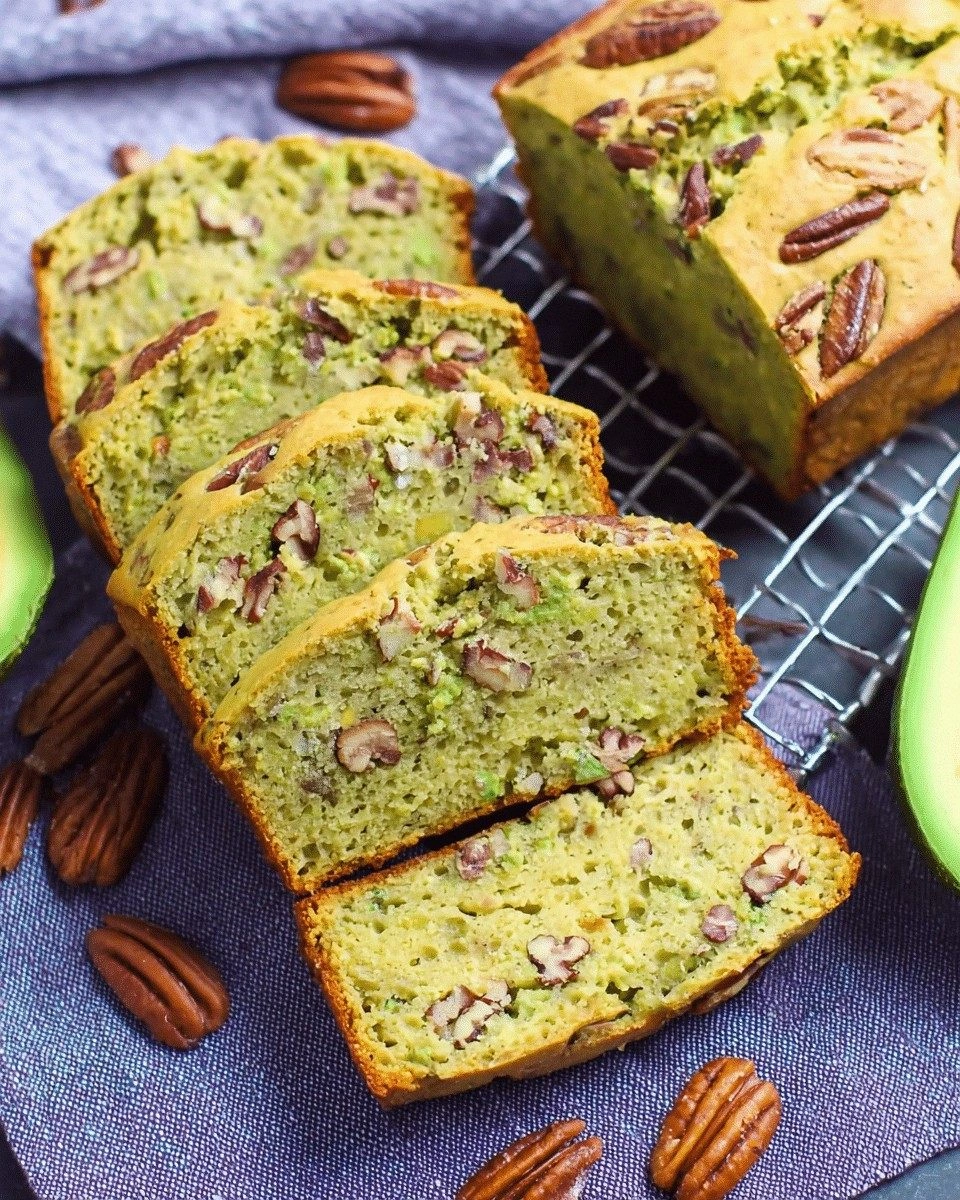
- Slice the loaf on a warm knife to prevent tearing. The first slice will reveal a tender, airy crumb with visible pecan shards. Serve warm with a dab of butter or a drizzle of honey for an extra treat. If you prefer a cold sandwich, let the loaf cool completely before slicing.
- Store any leftovers in an airtight container at room temperature for up to three days. For longer freshness, wrap the loaf in parchment and freeze for up to two months. When reheating, sprinkle a splash of water on the crust and toast at 350°F for 5 minutes to revive that fresh‑baked texture.
That's it — you did it. But hold on, I've got a few more tricks that'll take this to another level. Stick around for insider tips that will make your bread even more irresistible.
Insider Tricks for Flawless Results
The Temperature Rule Nobody Follows
Many bakers think room‑temperature ingredients are always best, but a slightly chilled avocado actually keeps the batter from overmixing. Chill the mashed avocado for 30 minutes before mixing; it creates a thicker, richer batter that holds its structure during baking. I tried this once, and the loaf was so moist it practically melted on the tongue.
Why Your Nose Knows Best
Baking is as much about scent as it is about taste. As the bread bakes, the aroma of toasted pecans and avocado will begin to rise. This is your cue that the crumb is forming correctly. If you smell a sharp, metallic note, the baking soda may be reacting too early—lower the oven temperature slightly.
The 5-Minute Rest That Changes Everything
After removing the loaf from the oven, let it rest in the pan for 5 minutes before transferring to a wire rack. This short rest allows the interior to set, preventing a gummy center. When you slice after this rest, the crumb will hold its shape, giving you clean, neat slices.
Keep the Crust Crispy
If you like a crisp crust, finish the loaf with a quick broil for 1–2 minutes, watching closely. The high heat caramelizes the surface, creating a delightful crunch that contrasts with the soft interior. Just remember to turn off the broiler immediately to avoid burning.
Make It a Sandwich
Slice the loaf and use it for a hearty breakfast sandwich. Add avocado slices, a fried egg, and a sprinkle of chili flakes for a spicy kick. The bread’s buttery flavor pairs perfectly with the richness of the egg, making for a satisfying meal.
Don’t Skip the Pecan Toast
Toasting the pecans before adding them to the batter brings out their natural oils and adds a deep, nutty flavor that’s hard to replicate with raw nuts. If you’re short on time, use pre‑toasted pecans from the store, but keep an eye on the baking time to avoid over‑browning.
Creative Twists and Variations
This recipe is a playground. Here are some of my favorite ways to switch things up:
Chocolate Chip Avocado Bread
Fold in ½ cup of dark chocolate chips after the pecans. The chocolate adds a decadent sweetness that pairs wonderfully with the avocado’s subtle earthiness. Serve warm with a scoop of vanilla ice cream for a dessert‑like treat.
Maple Pecan Delight
Replace the sugar with ½ cup of pure maple syrup and add a dash of cinnamon. The maple brings a caramelized flavor that complements the pecans, while the cinnamon adds warmth. This version is perfect for a cozy fall breakfast.
Herbed Citrus Avocado Bread
Add the zest of one orange and a tablespoon of chopped fresh rosemary to the batter. The citrus brightens the flavor profile, while the rosemary adds an aromatic depth. This loaf works beautifully as an accompaniment to grilled chicken.
Vegan Avocado Loaf
Replace the egg with a flax egg (1 tablespoon ground flaxseed + 3 tablespoons water). Use oat milk instead of buttermilk, and ensure the baking soda is low‑sodium. The result is a moist, vegan loaf that still delivers that buttery, nutty experience.
Spicy Avocado Bread
Add a pinch of cayenne pepper and a handful of chopped jalapeños to the batter. The heat will cut through the richness, creating a bold flavor that’s surprisingly balanced. Serve with a cool yogurt dip to tame the spice.
Cheesy Avocado Bread
Fold in ½ cup of shredded cheddar before baking. The cheese melts into the loaf, adding a savory depth that pairs nicely with the avocado’s creaminess. This version is ideal for a brunch that feels both indulgent and comforting.
Storing and Bringing It Back to Life
Fridge Storage
Store the cooled loaf in an airtight container at room temperature for up to three days. The airtight seal prevents moisture loss, keeping the crumb tender. If you notice the crust drying out, wrap the loaf in parchment paper before placing it in the container.
Freezer Friendly
Wrap the loaf tightly in plastic wrap and then place it in a freezer bag. Freeze for up to two months. When ready to eat, let it thaw at room temperature for 2–3 hours before reheating.
Best Reheating Method
To revive the crust and moisture, sprinkle a tiny splash of water on the loaf before placing it in a preheated 350°F oven for 5 minutes. The steam will rehydrate the crumb, while the oven restores the golden crust. For a quick snack, toast a slice in a skillet for 1–2 minutes on each side.