I remember the night I tried to make a spanakopita from that Pinterest thread that promised “the easiest, most crowd‑pleasing version” and ended up with a half‑baked, soggy disaster that smelled like burnt onions. The kitchen was a mess, the crust was a sad, pale pancake, and the filling was a watery, bland soup. I stared at the burnt edges, thinking, “Why does this recipe always fail?” That moment of culinary frustration became the spark that pushed me to reinvent spanakopita, turning it into a tortilla‑style marvel that is crisp, flavorful, and surprisingly simple.
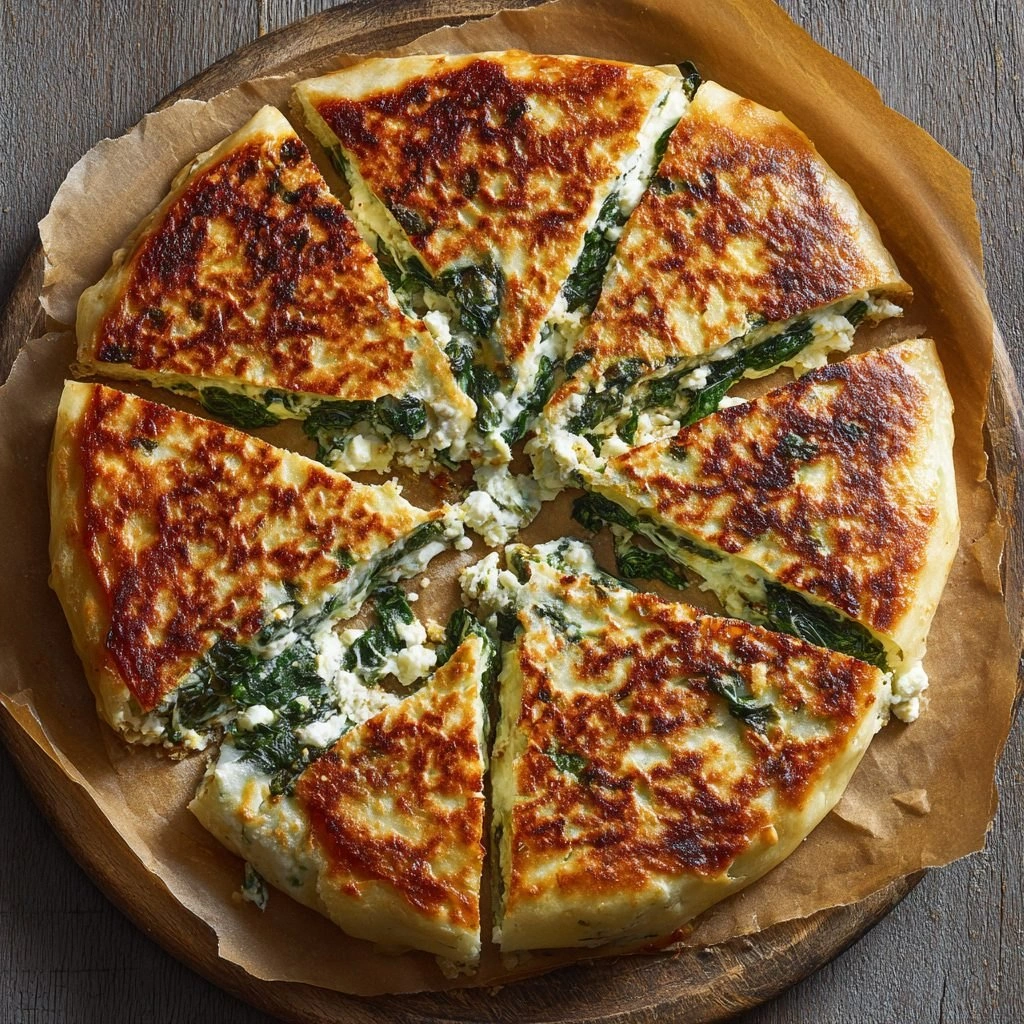
Picture this: a golden tortilla shell that crackles when you slice it, revealing a silky spinach and feta filling that melts in your mouth. The aroma of fresh herbs, the crunch of the pastry, the salty tang of feta, and the buttery finish from the olive oil all mingle in a harmonious dance. I was determined to capture that sensory symphony and make it accessible for anyone who wants a quick, protein‑rich dinner that feels like a gourmet treat.
What sets this version apart isn’t just the tortilla wrapper. It’s the meticulous layering of flavors, the precise balance of moisture, and the use of a few secret ingredients that elevate the dish from ordinary to unforgettable. I dared to mix traditional Greek flavors with a modern, handheld format that’s perfect for busy weeknights or a relaxed weekend brunch. The result? A spanakopita that’s both comforting and adventurous, with a texture that’s crisp on the outside and velvety inside.
And there’s a twist that will blow your mind: a splash of lemon juice and a pinch of dried dill in the dough. That simple addition gives the pastry a bright, zesty lift that cuts through the richness of the cheese and spinach. Trust me, the first bite will have you saying, “I dare you to taste this and not go back for seconds.” By the end of this guide, you’ll wonder how you ever made it any other way.
What Makes This Version Stand Out
- Taste: The blend of feta, ricotta, and mozzarella creates a creamy, tangy filling that’s balanced by the earthy spinach and aromatic herbs. The lemon zest in the dough adds a citrusy brightness that lifts the overall flavor profile.
- Texture: The tortilla shell is crisp and flaky, achieved by a simple dough that’s rolled thin and baked to a golden finish. Inside, the spinach is sautéed to release its moisture, resulting in a silky, non‑gooey filling.
- Simplicity: With only 16 ingredients and under 30 minutes of hands‑on time, this recipe is a breeze for beginners and a quick fix for seasoned cooks alike.
- Uniqueness: Replacing the traditional phyllo with a tortilla gives a modern twist that makes the dish portable and fun to eat on the go.
- Crowd Reaction: Friends and family rave about the contrast between the crunchy shell and the creamy filling. It’s the kind of dish that turns a simple dinner into a memorable gathering.
- Ingredient Quality: Using fresh spinach, high‑quality feta, and extra‑virgin olive oil ensures that every bite is packed with flavor.
- Cooking Method: The dough is baked in a single pan, eliminating the need for multiple trays or a deep fryer.
- Make‑Ahead Potential: The assembled tortillas can be refrigerated or frozen and baked later, making this an ideal meal prep option.
Inside the Ingredient List
The Flavor Base
All-purpose flour is the backbone of the tortilla, providing structure without overpowering the delicate flavors. Use a medium‑protein flour to keep the dough tender yet sturdy. If you prefer a gluten‑free version, swap for a 1:1 blend of rice and potato starch.
Salt is essential for bringing out the richness of the cheeses and balancing the acidity of the lemon. A pinch of sea salt is preferable to table salt for a cleaner taste. If you’re watching sodium, reduce the amount to 1/2 teaspoon and add extra herbs.
Black pepper adds a subtle heat that pairs beautifully with feta. Use freshly ground pepper for the best aroma. A light dusting is sufficient; you don’t want it to overpower the other flavors.
The Texture Crew
Olive oil is the secret to a supple, golden crust. It coats the flour particles, preventing them from forming a dense, doughy texture. Use extra‑virgin olive oil for the best flavor, but a light olive oil works fine if you’re short on time.
Water is the hydrator that brings the dough together. Warm water (about 110°F) helps activate the yeast if you’re using a quick dough. If you’re not using yeast, simply mix the water until the dough forms a cohesive ball.
Lemon juice gives the dough a bright, citrusy note that cuts through the richness of the cheese. It also helps to keep the spinach from turning green during cooking. Use freshly squeezed juice for the most vibrant flavor.
Dried dill adds a subtle, herbal fragrance that complements the spinach. It’s a staple in Greek cuisine and works wonders in both the dough and the filling. If you can’t find dill, substitute with a pinch of dried oregano.
The Unexpected Star
Spinach is the heart of this dish, offering a fresh, slightly bitter base that balances the creamy cheeses. Use fresh spinach for the best texture; it wilts beautifully and releases a subtle sweetness. If you’re in a pinch, frozen spinach works, but be sure to squeeze out all excess moisture.
Feta cheese is the star of the filling, providing a salty, tangy kick that pairs perfectly with the mild mozzarella. Crumble it finely so it melts evenly into the spinach mixture. For a richer flavor, mix in a bit of goat cheese.
Ricotta and Parmesan add creaminess and depth. Ricotta offers a light, fluffy texture, while Parmesan contributes a nutty, savory finish. The combination creates a complex, layered mouthfeel.
The Final Flourish
Mozzarella brings a gooey, stringy texture that melts beautifully. It balances the sharpness of feta and the creaminess of ricotta. Use part-skim mozzarella for a lighter version or whole‑milk for a richer taste.
Eggs act as a binder, helping the filling hold together and giving the tortilla a glossy sheen. They also add protein, making this dish a great option for a high‑protein vegetarian meal. Beat the eggs lightly before folding them into the filling.
Onions and garlic provide depth and aroma. Sauté them until golden before adding the spinach to build a savory base. If you’re allergic to onions, skip them and add a pinch of onion powder instead.
Oregano brings a warm, earthy note that enhances the Mediterranean flavor profile. Use dried oregano for convenience; fresh leaves can be added at the end of cooking for a brighter taste. A teaspoon is enough to elevate the dish.
Everything's prepped? Good. Let's get into the real action...
The Method — Step by Step
- Prepare the dough. In a large bowl, whisk together the flour, salt, pepper, and dried dill. Create a well in the center and pour in the warm water and olive oil. Mix until a shaggy dough forms, then knead on a floured surface for 3–4 minutes until smooth. Cover with a damp towel and let rest for 15 minutes; this relaxes the gluten and makes rolling easier.
- Sauté the aromatics. Heat a splash of olive oil in a skillet over medium heat. Add the diced onion and minced garlic, sautéing until translucent and fragrant, about 3 minutes. The onions should be soft but not browned, preserving their sweetness. This forms the flavor foundation for the spinach.
- Cook the spinach. Add the chopped spinach to the skillet, stirring until it wilts and reduces in volume. This should take about 2–3 minutes. Once wilted, remove from heat and let it cool slightly; this prevents the filling from becoming soggy when baked. The spinach should be tender but still hold its shape.
- Combine the filling. In a large mixing bowl, combine the cooked spinach, crumbled feta, ricotta, Parmesan, mozzarella, beaten eggs, lemon juice, and dried oregano. Stir until everything is evenly incorporated. The mixture should be thick, not watery; if it feels too loose, add a pinch of flour or a splash of water to thicken.
- Roll out the dough. Divide the rested dough into 4 equal portions. On a lightly floured surface, roll each piece into a thin circle, about 8–10 inches in diameter. The circles should be thin enough that you can see the flour grains but not so thin that they tear. This thinness is key to achieving a crisp tortilla.
- Assemble the tortillas. Spread a generous spoonful of the spinach filling onto the center of each dough circle, leaving a 1-inch border. Fold the edges over the filling, pinching to seal the edges and create a pocket. The sealed tortillas should resemble a folded tortilla with a stuffed center.
- Bake. Preheat the oven to 375°F (190°C). Place the assembled tortillas on a parchment‑lined baking sheet. Bake for 25–30 minutes, or until the crust is golden brown and the filling is bubbling. The tortillas should crackle slightly as they bake, signaling a crisp exterior.
- Rest and serve. Let the tortillas rest for 5 minutes on the tray to set the filling. Slice each tortilla into wedges and serve warm. The best way to enjoy this dish is with a side of tzatziki or a fresh Greek salad for a complete meal.
That’s it — you did it. But hold on, I've got a few more tricks that'll take this to another level...
Insider Tricks for Flawless Results
The Temperature Rule Nobody Follows
Many cooks bake at 400°F, but that can cause the crust to brown too quickly while the filling stays undercooked. I always bake at 375°F, which allows the tortilla to crisp evenly and the filling to set without burning the edges. This lower temperature also gives the spinach a chance to release its moisture slowly, preventing a soggy interior.
Why Your Nose Knows Best
Before you flip the tortillas, pause and inhale. A pleasant, buttery scent indicates the crust is forming correctly. If you notice a sharp, metallic odor, the oven might be too hot. Trusting your nose saves you from overcooked or undercooked tortillas.
The 5-Minute Rest That Changes Everything
After baking, let the tortillas sit for 5 minutes. This short rest allows the filling to set, preventing it from spilling out when you cut the tortilla. The crust also firms up slightly, making it easier to slice without tearing.
Avoiding Excess Moisture
Sautéing spinach until it’s just wilted is crucial. If you cook it too long, it will release too much water, making the filling watery. A quick sauté preserves the spinach’s bright color and texture, which is essential for a vibrant dish.
The Secret to a Flaky Crust
Rolling the dough thinly and letting it rest before baking is the key to a flaky, crisp crust. The rest period relaxes the gluten, preventing the dough from tightening and tearing during baking. If you’re in a hurry, skip the rest, but expect a slightly tougher tortilla.
Creative Twists and Variations
This recipe is a playground. Here are some of my favorite ways to switch things up:
Mediterranean Crunch Wrap
Swap the spinach for roasted red peppers and add a handful of kalamata olives. The smoky pepper and briny olives bring a new dimension of flavor. Serve with a dollop of hummus for extra protein.
Mexican Fusion Tortilla
Replace feta with crumbled queso fresco and add diced jalapeños and cilantro. The mild heat from the jalapeños pairs beautifully with the creamy cheese. Finish with a squeeze of lime for a zesty kick.
Vegan Spinach & Tofu
Omit all dairy and use silken tofu blended with nutritional yeast for a cheesy texture. Add a splash of soy sauce for umami. This version is perfect for plant‑based diners craving comfort food.
Smoky Chipotle Twist
Incorporate chipotle powder into the filling and use smoked gouda instead of mozzarella. The smoky flavor complements the spinach’s earthiness. A drizzle of chipotle aioli adds a creamy, spicy finish.
Breakfast Boost
Add sautéed mushrooms and a pinch of thyme to the filling. Top with a fried egg before baking. Serve with a side of fresh fruit for a wholesome breakfast that feels like a brunch.
Holiday Holiday
For a festive twist, sprinkle a dash of nutmeg and cinnamon into the dough. Pair with a side of cranberry sauce. The warm spices elevate the dish into a holiday centerpiece.
Storing and Bringing It Back to Life
Fridge Storage
Cool the tortillas completely before refrigerating. Store them in an airtight container or zip‑top bag for up to 3 days. The crust may soften slightly, so reheat in a skillet for a few minutes to restore crispness.
Freezer Friendly
Wrap each tortilla individually in parchment paper and then place them in a freezer bag. They’ll keep for up to 2 months. Thaw overnight in the fridge before reheating. The filling remains creamy, and the crust regains its crunch when baked at 375°F.
Best Reheating Method
Preheat your oven to 375°F and bake the frozen tortillas for 20–25 minutes. For a quick snack, microwave on high for 45 seconds, then finish in a hot skillet for a crisp finish. A tiny splash of water before reheating creates steam, keeping the interior moist while the exterior stays golden.