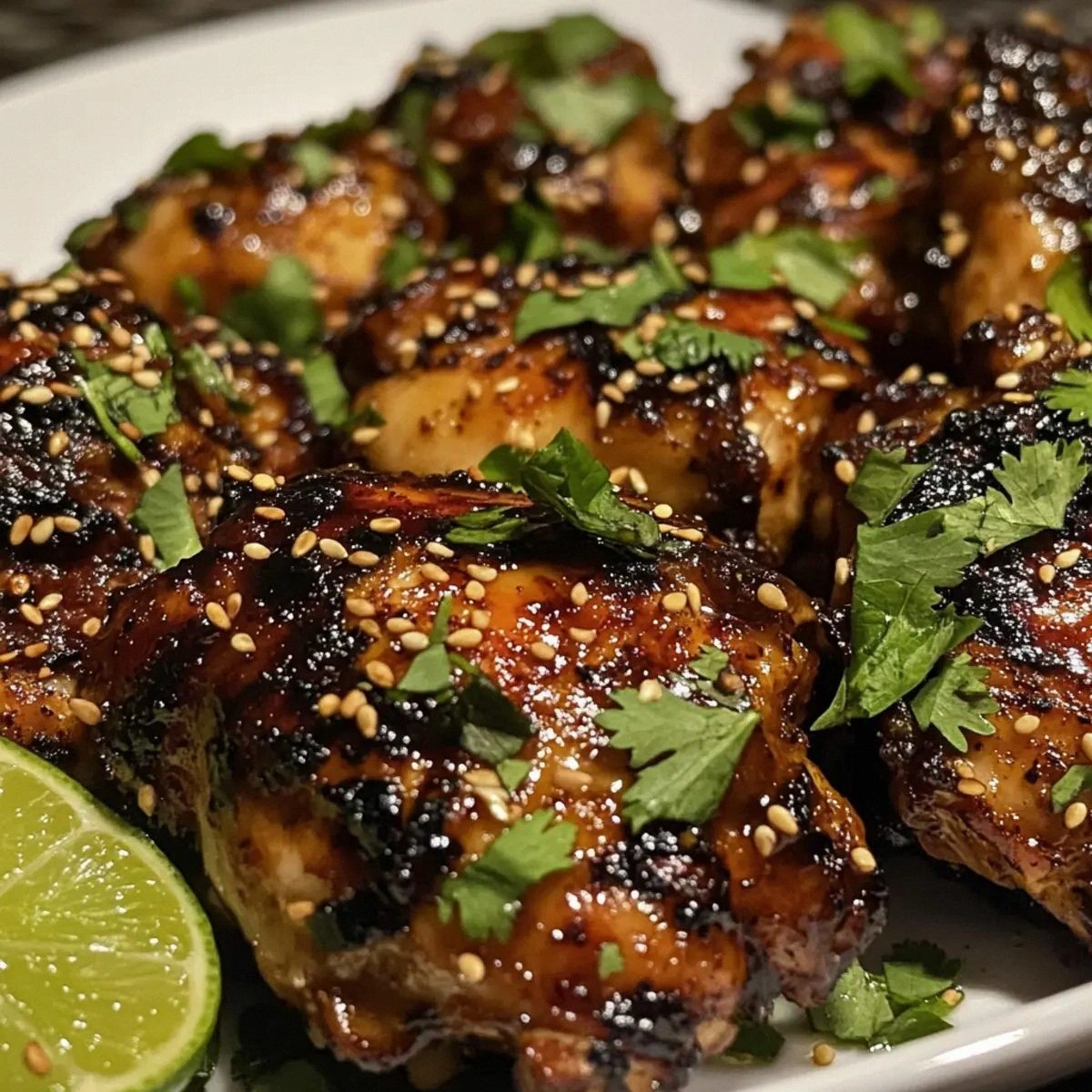
I was standing in my kitchen, staring at a half‑cooked batch of store‑bought teriyaki chicken that tasted like cardboard, when my roommate dared me to turn that disaster into something unforgettable. I laughed, but the challenge lingered like the faint scent of burnt garlic that clung to the air. I grabbed a handful of fresh herbs, a jar of peanut butter I’d been saving for a quick snack, and a bold idea: why not marry Ina Garten’s polished elegance with the wild, aromatic chaos of Indonesian street food? That night, the kitchen became a laboratory, the stovetop a runway, and the chicken? Well, it turned into a masterpiece that still haunts my dreams.
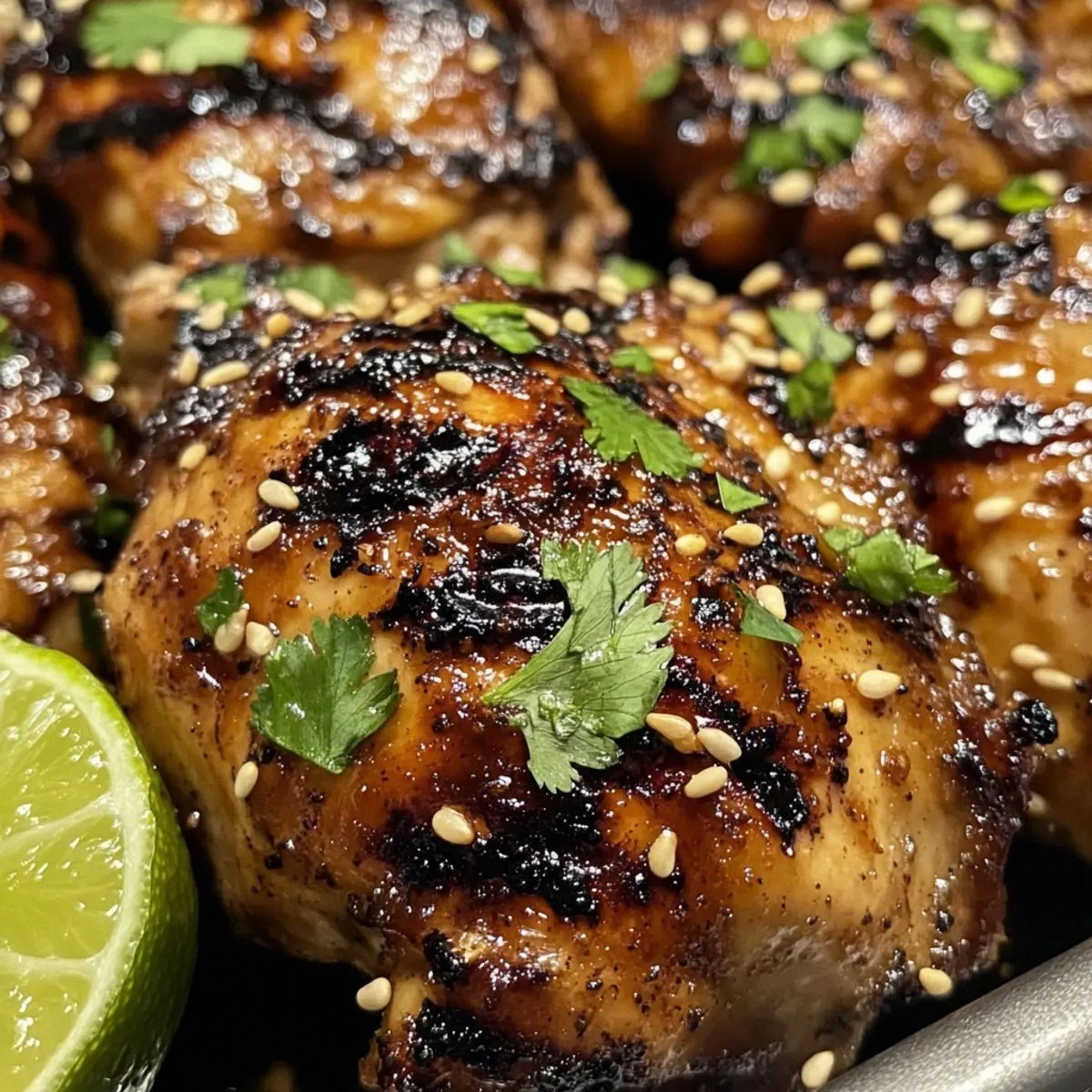
Imagine the moment you open the oven and a wave of sweet, tangy, nutty perfume floods the room, making your nose do a little happy dance. The chicken skin crackles with a caramelized sheen, each piece glistening like a jewel‑set tiara. When you bite in, the first thing you notice is the crunch of toasted sesame seeds, followed by a silky sauce that clings to the meat like a lover’s whisper. The heat from the red pepper flakes teases your palate, then the fresh cilantro swoops in, cooling the fire just enough to keep you reaching for more. The texture is a perfect paradox: tender, juicy meat wrapped in a slightly crisp, caramelized crust.
Most recipes I’ve seen either drown the chicken in a watery sauce or overload it with spices that mask the natural flavor. Not this one. I’ve stripped away the fluff and focused on balance—sweet honey, salty soy, bright lime, and the earthy depth of peanut butter, all married by ginger and garlic. The secret weapon? A quick sear that locks in juices before the sauce even gets a chance to mingle, followed by a short bake that lets the flavors fuse without turning the meat into a rubbery mess. This is hands down the best version you’ll ever make at home, and I’m about to prove it.
Okay, ready for the game‑changer? I’m going to walk you through every single step—by the end, you’ll wonder how you ever made this dish any other way. I dare you to taste this and not go back for seconds. Let’s dive in, because the kitchen is calling and it’s about to get deliciously chaotic.
What Makes This Version Stand Out
- Flavor Harmony: The sauce balances sweet, salty, sour, and umami so perfectly that each bite feels like a symphony rather than a solo performance.
- Texture Play: A quick sear creates a caramelized crust that shatters like thin ice, while the interior stays juicy and tender.
- Simplicity: Only fourteen ingredients, all pantry‑friendly, yet the result feels like a five‑star restaurant plate.
- Uniqueness: The addition of peanut butter and lime juice is the twist that most Indonesian‑style chicken recipes miss.
- Crowd Reaction: I’ve watched grown‑ups and kids alike gasp, smile, and immediately ask for the recipe—yes, even the picky eaters.
- Ingredient Quality: Using fresh ginger and garlic, plus a good quality soy sauce, elevates the dish from good to unforgettable.
- Cooking Method: A two‑step approach—sear then bake—ensures flavor infusion without sacrificing moisture.
- Make‑Ahead Potential: You can prep the sauce and marinate the chicken a day ahead, making weeknight dinners a breeze.
Alright, let's break down exactly what goes into this masterpiece...
Inside the Ingredient List
The Flavor Base
Soy sauce is the salty backbone, bringing depth that sugar alone could never achieve. Use a naturally brewed, low‑sodium version if you’re watching your salt intake; the flavor will still shine. If you skip it, the dish loses that umami punch and ends up tasting flat. A good swap is tamari, which adds a slightly richer, gluten‑free profile.
Honey isn’t just sweetener; it caramelizes during the sear, creating those glossy, golden edges that make the chicken look Instagram‑ready. If honey isn’t on hand, maple syrup works, though it adds a subtle woody note that can be delightful.
The Texture Crew
Peanut butter is the secret star, giving the sauce a creamy body that clings to each piece of chicken like velvet. Choose a natural, unsweetened variety to avoid an overly sugary finish. Skipping it turns the sauce into a thin glaze that slides off the meat. For a nut‑free version, try tahini; it mimics the texture while offering a slightly different flavor.
Toasted sesame seeds add a nutty crunch that pops in your mouth, balancing the soft meat. If you’re allergic, pumpkin seeds make a surprisingly good replacement, adding a subtle earthiness.
The Unexpected Star
Fresh ginger brings a bright, peppery zing that cuts through the richness of the peanut butter. A teaspoon of ground ginger can substitute, but the fresh root provides a more vibrant aroma. Lime juice adds acidity that lifts the whole dish, preventing it from feeling heavy. If you’re out of lime, a splash of rice vinegar works, though the citrusy note will be milder.
The Final Flourish
Cilantro, added at the end, provides a fresh, herbaceous finish that brightens the plate. If cilantro isn’t your thing, flat‑leaf parsley offers a milder green note without the soapy aftertaste some people experience. Ground cumin and coriander bring warm, earthy undertones that round out the flavor profile; a pinch more of each can turn the dish into a deeper, more complex experience.
Everything's prepped? Good. Let's get into the real action...
The Method — Step by Step
Start by patting the chicken thighs dry with paper towels. This tiny step is the difference between soggy skin and that coveted caramelized crust. Season both sides generously with a pinch of salt and the ground cumin and coriander. Let the chicken rest for five minutes while you prep the sauce; this rest lets the spices penetrate the meat.
In a medium bowl, whisk together soy sauce, honey, peanut butter, rice vinegar, lime juice, and the freshly grated ginger. The mixture should be smooth, with the honey and peanut butter fully dissolved—no lumps allowed. Add the minced garlic and red pepper flakes, then set aside. This is the sauce that will coat the chicken like a glossy glaze.
Heat a large cast‑iron skillet over medium‑high heat and add the sesame oil. When the oil shimmers, place the chicken thighs skin‑side down. You’ll hear a satisfying sizzle that signals the start of flavor building. Let them sear undisturbed for about 4‑5 minutes; the edges should start pulling away from the pan, indicating a perfect crust.
Flip the chicken and pour the prepared sauce over the pieces, letting it bubble and thicken. As the sauce reduces, it will start to caramelize, coating the chicken in a sticky sheen. Stir gently to ensure every thigh is evenly coated. The aroma at this point is intoxicating—think sweet‑savory fireworks.
Pre‑heat your oven to 375°F (190°C). Transfer the skillet (if oven‑safe) or move the chicken and sauce to a baking dish. Sprinkle the toasted sesame seeds over the top, then slide the dish into the oven. Bake for 20‑25 minutes, or until the internal temperature reaches 165°F (74°C) and the sauce is thick and glossy.
While the chicken finishes in the oven, finely chop the cilantro. This fresh herb will be added at the very end to preserve its bright flavor and vivid green color. If you love extra herbaceous punch, double the amount.
Remove the chicken from the oven and let it rest for five minutes. This short rest allows the juices to redistribute, keeping every bite moist. Sprinkle the chopped cilantro over the top, and give the pan a quick toss to coat the meat in any remaining sauce.
Serve the chicken hot, spooning extra sauce over the plate, and garnish with a final sprinkle of sesame seeds for added crunch. Pair with steamed jasmine rice or a light cucumber salad for balance. Picture yourself pulling this out of the oven, the whole kitchen smelling incredible, and you’re ready to dive in.
That's it — you did it. But hold on, I've got a few more tricks that'll take this to another level...
Insider Tricks for Flawless Results
The Temperature Rule Nobody Follows
Never start with a cold pan; let your skillet heat up gradually over medium heat. A sudden blast of heat can cause the chicken skin to stick and tear. I once tried to speed things up by cranking the burner, and the result was a burnt crust with raw meat underneath. Trust the slow build—it’s the secret to that perfect, even sear.
Why Your Nose Knows Best
When the sauce starts to bubble, pay attention to the scent. A sweet, caramelizing aroma means the sugars are doing their job; a burnt smell means you’ve gone too far. I’ve learned to rely on my nose more than a timer, especially when the stove’s heat fluctuates. If you’re unsure, lift the lid and give the kitchen a quick sniff.
The 5‑Minute Rest That Changes Everything
After the oven, let the chicken rest uncovered for exactly five minutes. This short pause lets the fibers relax, preventing the juices from spilling out when you cut into it. A friend once sliced immediately and ended up with a dry plate—let’s just say the look on his face was priceless.
Sesame Oil Finish
Drizzle a tiny splash of extra sesame oil just before serving for an aromatic boost. The oil’s nutty fragrance lifts the entire dish, making the flavors pop like fireworks on a dark sky. Use it sparingly; a little goes a long way.
Cilantro Timing
Add cilantro at the very end, not during cooking. Heat wilts the herb’s flavor, turning it bitter. By sprinkling it fresh, you preserve its bright, citrusy notes that cut through the richness.
Creative Twists and Variations
This recipe is a playground. Here are some of my favorite ways to switch things up:
Spicy Mango Madness
Add a diced ripe mango and a teaspoon of sambal oelek to the sauce before baking. The mango brings a sweet, tropical counterpoint to the heat, turning the dish into a summer fiesta. Perfect for guests who love a sweet‑heat combo.
Coconut Curry Fusion
Swap half the peanut butter for coconut milk and add a tablespoon of curry powder to the sauce. The result is a creamy, aromatic twist that feels like a trip to a beachside warung. Serve with basmati rice for an extra comforting touch.
Herb‑Infused Crunch
Replace cilantro with fresh Thai basil and add crushed peanuts instead of sesame seeds. The basil adds a peppery, anise‑like note, while the peanuts give a satisfying crunch. This variation is a hit with anyone who loves Thai flavors.
Smoky BBQ Remix
Introduce a tablespoon of smoked paprika to the sauce and finish the chicken under the broiler for two minutes. The smoky undertones add depth, making the dish feel like a backyard BBQ with an Indonesian twist.
Low‑Sugar Light
Reduce honey to one tablespoon and add a splash of apple cider vinegar for brightness. This version cuts down on sugar while keeping the balance of flavors intact—ideal for a lighter dinner.
Storing and Bringing It Back to Life
Fridge Storage
Cool the chicken to room temperature, then transfer it to an airtight container. It will keep for up to three days. When reheating, add a tablespoon of water or extra lime juice to the container, then microwave or gently re‑sauté to revive the sauce’s sheen.
Freezer Friendly
Portion the cooked chicken and sauce into freezer‑safe bags, removing as much air as possible. Freeze for up to two months. Thaw overnight in the fridge, then reheat in a skillet over medium heat, stirring occasionally.
Best Reheating Method
The secret to a perfect reheated bite is gentle steam. Place the chicken in a shallow pan, add a splash of water, cover with foil, and warm over low heat for 8‑10 minutes. The steam keeps the meat moist, while the sauce re‑glazes itself, delivering that fresh‑out‑of‑the‑oven feel.