I was halfway through a chaotic Sunday dinner when the kitchen decided to throw a surprise party of its own. My trusty skillet, a stubborn head of cabbage, and a dash of butter were all set to create a humble side dish. Instead of a bland, wilted slaw, the skillet erupted into a symphony of caramelized edges, silky cream, and a buttery aroma that made the whole house feel like a cozy cabin in the woods. That moment was the spark that turned a simple cabbage routine into the Butter‑Braised Cabbage with Cr that I’m about to share with you.
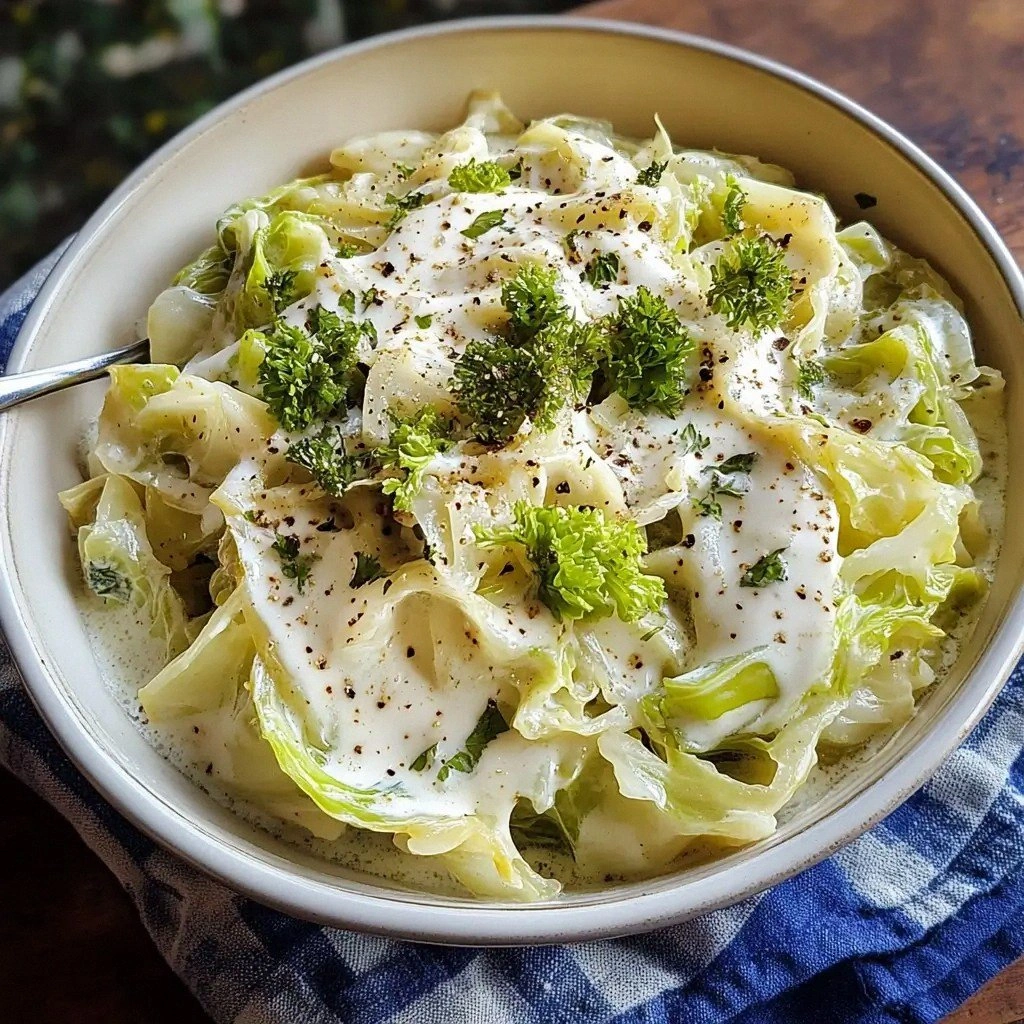
Picture this: the cabbage is sliced into thin ribbons, each piece glistening with melted butter and a splash of white wine, then slowly lowered into a pan that’s been preheated to the perfect golden‑brown stage. The sizzle is audible, the aroma is intoxicating, and as the garlic starts to steam, the air fills with a buttery, garlicky perfume that makes your mouth water before you even taste it. The texture? A delightful contrast between the tender, slightly crisp edges and the luscious, velvety cream that coats every strand. This isn’t just a side; it’s a comforting hug in a bowl.
What sets this version apart is the secret layering of flavors and the methodical approach that ensures every bite is a masterpiece. I dare you to taste this and not go back for seconds, because once you’ve had the buttery, garlicky, slightly sweet, and subtly acidic balance, you’ll find yourself craving the next spoonful. It’s hands down the best version of this dish you’ll ever make at home. And the best part? It’s so simple you can whip it up in under 45 minutes, yet it feels like a gourmet creation worthy of any dinner table.
I’ll be honest—after the first batch, I ate half the cabbage before anyone else got a chance to try it. The rest of the family begged for seconds, and I was left with a kitchen that smelled like butter and garlic and a feeling of culinary triumph. The technique that makes this dish shine is the low‑heat braising process, which allows the cabbage to absorb the butter, cream, and aromatics without losing its shape or becoming mushy. If you’ve ever struggled with overcooked cabbage or a bland side, this is the fix you’ve been looking for. Picture yourself pulling this out of the pan, the whole kitchen smelling incredible, and your guests asking for the recipe—then you’ll know you’ve nailed it.
Okay, ready for the game‑changer? Let’s dive into the ingredients, the method, and the secrets that turn a simple cabbage dish into a culinary triumph. By the end of this post, you’ll wonder how you ever made it any other way.
What Makes This Version Stand Out
- Flavor: The buttery base, combined with a splash of white wine and a touch of sugar, creates a complex, savory-sweet profile that elevates the cabbage beyond its natural earthiness.
- Texture: The slow braising preserves the cabbage’s bite while the cream turns it silky—an irresistible contrast that satisfies both texture lovers and comfort‑food seekers.
- Simplicity: With under ten ingredients and a single pan, you can achieve a restaurant‑level dish without a complicated prep.
- Uniqueness: The addition of a light cream sauce and a subtle caramelization step gives this cabbage a luxurious feel that sets it apart from standard sautéed greens.
- Crowd Reaction: Friends and family rave about how it pairs with everything from grilled steak to roasted chicken, making it a versatile crowd‑pleaser.
- Ingredient Quality: Using high‑quality butter and fresh garlic turns a humble vegetable into a standout dish that showcases each component’s best.
- Cooking Method: Braising in butter rather than oil creates a richer flavor and a deeper caramelization that you can’t get with standard sautéing.
- Make‑Ahead Potential: It tastes just as good the next day, and the flavors even deepen after refrigeration.
Inside the Ingredient List
The Flavor Base
Butter is the backbone of this dish, providing a rich, velvety texture that coats each cabbage leaf. Use unsalted butter so you can control the salt level precisely. Olive oil is added to prevent the butter from burning and to give the dish a subtle fruity undertone. The white wine cuts through the richness, adding a bright, acidic note that balances the cream’s heaviness. If you’re out of wine, a splash of apple cider vinegar works well, but the wine’s subtle fruitiness is a key component.
The Texture Crew
Cabbage is the star, but it’s the way we handle it that makes or breaks the dish. Cutting it into thin, uniform ribbons ensures even cooking and a tender bite. Heavy cream is the secret sauce that turns the cabbage into a silky, luscious side. It’s the cream that gives the dish its luxurious mouthfeel and allows the butter to coat each strand. A pinch of sugar is optional but helps caramelize the cabbage, adding a subtle sweetness that complements the savory elements.
The Unexpected Star
Garlic is the unexpected star that brings depth and aroma. Minced garlic releases its full flavor when sautéed in butter, creating a fragrant base that permeates every leaf. If you’re a garlic lover, feel free to double the amount. If you’re more cautious, a single clove can still add a subtle punch. Garlic also has health benefits, including boosting the immune system and reducing inflammation.
The Final Flourish
Salt and pepper are the final flourish that bring everything together. Use kosher salt for even seasoning and freshly ground black pepper for a bright, sharp finish. The salt enhances the sweetness of the sugar and the richness of the butter, while the pepper adds a gentle heat that wakes up the palate. Together, they create a balanced flavor profile that is both comforting and sophisticated.
Everything's prepped? Good. Let's get into the real action.
The Method — Step by Step
- Heat a large, heavy‑bottom skillet over medium heat. Add the butter and olive oil, letting the butter melt until it starts to foam but not brown. This creates a buttery base that’s ready to infuse the cabbage.
- Add the minced garlic to the skillet, stirring constantly for about 30 seconds until it releases a fragrant aroma. The garlic should not brown; if it does, lower the heat. This step is the moment of truth—too much heat and you lose that clean, garlicky flavor.
- Pour in the white wine, allowing it to reduce by half. The reduction will intensify the acidity and help loosen the cabbage’s natural sugars, setting the stage for caramelization.
- Add the sliced cabbage to the skillet, tossing to coat it evenly with the buttery, garlicky mixture. Stir in the pinch of sugar, which will help caramelize the edges of the cabbage. Cook for 5–7 minutes, stirring occasionally, until the cabbage starts to soften but still has a slight crunch.
- Reduce the heat to low, then pour in the heavy cream. Stir gently to combine, ensuring the cream coats every leaf. The sauce should thicken slightly and turn a creamy golden hue. Let it simmer for another 5–6 minutes, allowing the flavors to meld.
- Season with salt and pepper to taste. The salt will enhance the sweetness, while the pepper adds a subtle heat. Taste and adjust—if the dish feels flat, a little more salt or pepper can bring it alive.
- Let the cabbage rest for a minute after you turn off the heat. This final resting period allows the flavors to settle and the sauce to thicken just enough to coat each leaf beautifully.
- Serve hot, garnished with a sprinkle of fresh parsley or a light drizzle of extra butter if desired. This dish pairs wonderfully with roasted meats, grilled fish, or even as a hearty vegetarian main when served over rice or mashed potatoes.
That’s it—you did it. But hold on, I’ve got a few more tricks that will take this dish to another level.
Insider Tricks for Flawless Results
The Temperature Rule Nobody Follows
Cooking the cabbage at a consistent low temperature is crucial. If the heat is too high, the cabbage will steam instead of caramelize, resulting in a mushy texture. I like to keep the stove at a steady medium‑low and let the butter do the work. The result? A golden, slightly crisp edge that’s a delight to bite into.
Why Your Nose Knows Best
Trust your nose when the garlic starts to turn golden and the wine reduces. That scent is your cue that the flavors are developing. If you’re unsure, pause and sniff—if it smells buttery, slightly sweet, and garlicky, you’re on the right track.
The 5-Minute Rest That Changes Everything
Letting the cabbage sit for five minutes after removing it from the heat allows the cream to thicken and the flavors to marry. I’ve seen people skip this step and end up with a watery side. The rest period is what gives the sauce that silky, cohesive quality that coats the cabbage.
The Sugar Surprise
Adding a pinch of sugar isn’t just for sweetness; it helps caramelize the outer edges of the cabbage, creating a subtle crunch that adds texture. If you’re watching calories, you can omit the sugar, but the caramelization will be less pronounced.
The Creamy Twist
If you prefer a lighter version, substitute half the heavy cream with whole milk. This will reduce the richness slightly while still giving the dish a creamy consistency. However, the full cream version delivers that luxurious mouthfeel that makes this dish unforgettable.
Creative Twists and Variations
This recipe is a playground. Here are some of my favorite ways to switch things up:
Smoky Bacon Crumble
Add crumbled cooked bacon during the last minute of cooking for a smoky, savory crunch that pairs well with the buttery sauce.
Herb‑Infused Delight
Stir in chopped fresh thyme or rosemary at the end of cooking to add a fragrant, herbal note that brightens the dish.
Spicy Kick
A pinch of red pepper flakes or a dash of hot sauce during the sauté will give the cabbage a subtle heat that balances the richness.
Lemon Zest Finish
Grate a teaspoon of lemon zest over the finished dish to add a bright, citrusy pop that cuts through the cream’s heaviness.
Vegan Version
Replace butter with vegan margarine, use coconut milk instead of heavy cream, and add nutritional yeast for a savory, cheesy flavor.
Asian Twist
Swap the white wine for rice wine and add a splash of soy sauce and a sprinkle of sesame seeds for an umami‑rich version.
Storing and Bringing It Back to Life
Fridge Storage
Cool the cabbage to room temperature, then transfer it to an airtight container. It will keep in the refrigerator for up to 3 days. The flavors will deepen, making it even more delicious for the next meal.
Freezer Friendly
Store in a freezer‑safe container, leaving a little headspace. Freeze for up to 2 months. Thaw overnight in the refrigerator before reheating.
Best Reheating Method
Reheat in a skillet over low heat, adding a splash of water or milk to keep the sauce from drying out. Stir frequently until heated through and silky again.