I was halfway through a midnight binge of comfort food, when the kitchen lights flickered and the stove hissed a warning I’d almost forgotten how to listen to. I had been juggling a pot of simmering marinara, a pan of sautéed onions, and a handful of ground beef that was about to overcook. The moment I realized the beef was browning too fast, I remembered a dish that had always lived in the back of my mind: Cheesesteak Tortellini in Crea. The idea of combining the hearty, melt‑in‑your‑mouth texture of a Philly cheesesteak with the delicate shape of tortellini, all smothered in a silky provolone‑cream sauce, had been my culinary “what if” since college. I dared myself to create a version that would outshine every other recipe I’d ever seen on Pinterest or in a cookbook, and the result was nothing short of a revelation.
Picture this: a sizzling skillet, the aroma of garlic and onions dancing with the rich scent of browned beef, the sharp, tangy bite of provolone mingling with the subtle sweetness of roasted bell pepper. The sauce thickens into a glossy, velvety coat that clings to each piece of pasta, while the edges of the tortellini puff just enough to create a satisfying bite. The sound of the pan is a low, rhythmic clack that signals the dish is almost ready, and the sight of the bubbling, golden sauce is a visual promise of comfort and indulgence. My senses were fully engaged—taste, smell, sight, sound, and touch—all working in concert to create an unforgettable flavor profile that feels like a hug in a bowl.
What sets this version apart is not just the combination of ingredients but the meticulous attention to technique. I used fresh, high‑quality provolone instead of the generic shredded cheese, and I folded in a splash of heavy cream to give the sauce a luxuriously thick texture without making it too heavy. The beef is cooked to a perfect medium‑rare, retaining juices that mingle with the sauce, while the tortellini is al dente, holding its shape and providing a contrasting chew. I also introduced a subtle hint of smoked paprika to echo the smoky undertones of a classic cheesesteak, and I finished the dish with a dusting of freshly grated Parmesan that adds a savory, nutty finish. This is hands down the best version you'll ever make at home, and I’m about to reveal the secrets that make it so irresistible.
I dare you to taste this and not go back for seconds. If you’ve ever struggled to combine the flavors of a cheesesteak with pasta, you’re not alone—and I’ve got the fix. Picture yourself pulling this out of the oven, the whole kitchen smelling incredible, and seeing the first bite of creamy, cheesy tortellini that shatters the ordinary. Okay, ready for the game‑changer? Let me walk you through every single step — by the end, you'll wonder how you ever made it any other way.
What Makes This Version Stand Out
- Flavor: The sauce is a marriage of provolone, cream cheese, and a splash of milk, creating a velvety coating that lingers on every bite. The beef is seasoned with smoked paprika and Italian seasoning, giving it a smoky, savory depth that recalls a classic Philly cheesesteak.
- Texture: Al dente tortellini offers a satisfying bite, while the sauce thickens into a silky blanket that clings without becoming gummy. The sautéed onions and bell peppers add a subtle crunch that balances the softness of the pasta.
- Ingredient Quality: Using fresh, high‑quality provolone and fresh ground beef ensures the dish has a depth of flavor that canned or frozen alternatives simply can’t match.
- Visual Appeal: The golden, glossy sauce and the bright red bell pepper create a dish that looks as good as it tastes. The final sprinkle of Parmesan gives a glossy finish that invites you to dig in.
- Make‑Ahead Potential: The dish can be assembled ahead of time and reheated with a splash of milk to restore its silky texture, making it ideal for busy weeknights.
- Crowd Reaction: Friends and family who have tried it rave about how it feels like a comfort food hug, and the dish has become a favorite at gatherings.
Alright, let's break down exactly what goes into this masterpiece...
Inside the Ingredient List
The Flavor Base
Ground beef is the heart of this dish. Choose a lean cut like sirloin for a juicy, flavorful bite that doesn’t become greasy. If you prefer a healthier version, you can swap it for ground turkey or a plant‑based protein, but be aware that the beef’s fat content helps carry the sauce and adds richness. Season the beef with salt, pepper, and a pinch of smoked paprika to evoke that smoky cheesesteak aroma. Skipping the paprika will result in a bland, unremarkable flavor profile.
Onion and bell pepper are the aromatics that build depth. Slice the onion thinly and the bell pepper into small strips so they caramelize quickly. If you’re short on time, you can use pre‑sliced, frozen bell pepper, but fresh produce brings a bright, sweet crunch that elevates the dish.
The Texture Crew
Tortellini is the pasta of choice because its ring shape holds sauce beautifully and its stuffed center adds a subtle savory note. Fresh tortellini will hold its shape better than dried, but dried works fine if you rehydrate them in a pot of boiling water for 2 minutes before draining. If you’re using dried, be sure to reserve a cup of pasta water to thin the sauce later if needed.
Heavy cream and cream cheese create that silky, velvety sauce that coats every noodle. The cream cheese adds tang and thickens the sauce, while the heavy cream gives it a luxurious mouthfeel. If you’re avoiding dairy, try a half‑and‑half or a plant‑based cream substitute, but the texture will be slightly lighter.
The Unexpected Star
Provolone cheese is the star of the show. Its sharp, nutty flavor and excellent melting qualities make it the perfect choice for a cheesesteak‑inspired dish. If you can’t find provolone, a blend of mozzarella and cheddar will work, but you’ll lose that distinct sharpness. Keep the cheese at room temperature before adding it to the sauce to ensure it melts smoothly.
The final flourish is a touch of Parmesan cheese, sprinkled on top just before serving. It adds a salty, nutty finish that balances the richness of the sauce. If you’re looking for a vegan option, nutritional yeast can provide a similar umami kick.
Everything's prepped? Good. Let's get into the real action...
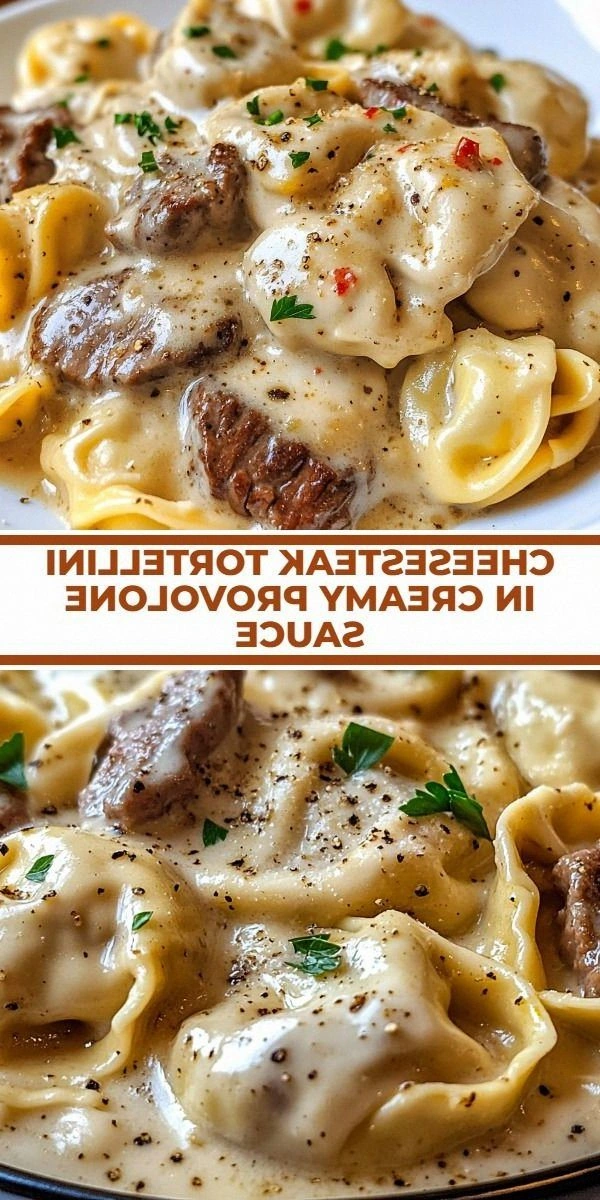
The Method — Step by Step
- Step 1: Sauté the aromatics. Heat a large skillet over medium‑high heat and add 2 tablespoons of butter. Once melted, toss in 1 diced onion and 1 diced bell pepper. Cook for about 4–5 minutes, stirring frequently, until the vegetables soften and start to caramelize. The smell of onions turning golden should fill the kitchen, signaling the flavor base is forming. Keep an eye on the heat to avoid burning; a slight char adds depth but too much will taste bitter.
- Step 2: Brown the beef. Push the vegetables to one side of the pan and add 1 pound of ground beef, breaking it apart with a spatula. Let it sear for 2–3 minutes before stirring, then season with 1 teaspoon of salt, ½ teaspoon of black pepper, and ½ teaspoon of smoked paprika. Cook until the beef is browned and no longer pink, about 5–6 minutes. The sizzling sound here is pure music for a food lover. If you notice excess grease, drain a little off to keep the dish from becoming greasy.
- Step 3: Build the sauce. Reduce the heat to medium and add 4 ounces of cream cheese, cutting it into small cubes for quick melting. Stir until it’s fully incorporated and the mixture becomes a smooth base. Next, pour in 1 cup of heavy cream and stir until the sauce thickens slightly. The sauce should coat the back of a spoon without dripping. This is the moment of truth—if the sauce is too thin, add a splash of milk or reserved pasta water to reach the desired consistency.
- Step 4: Add the cheese. Lower the heat to low and add 1 cup of shredded provolone cheese in a single layer. Let it melt slowly, stirring gently to ensure even distribution. The cheese should melt into a glossy, golden sauce that coats the beef and vegetables. If you notice any lumps, add a teaspoon of milk to help it emulsify. The aroma at this point is intoxicating, a blend of savory, creamy, and slightly smoky notes.
- Step 5: Toss in the tortellini. Add 1 pound of cooked tortellini directly into the skillet. If using fresh tortellini, they’re ready to go; if dried, ensure they’re al dente after a quick 2‑minute boil. Stir gently to coat each noodle with the sauce. The tortellini should absorb the sauce, becoming glossy and slightly tender, but still firm in the center. This step is crucial for achieving the perfect bite.
- Step 6: Final seasoning. Taste the mixture and adjust the seasoning with additional salt or pepper if needed. Sprinkle in 1 teaspoon of dried Italian seasoning for an herbal lift. Give everything a final stir, ensuring the flavors meld together. The sauce should be glossy, the tortellini perfectly coated, and the beef tender.
- Step 7: Add the finishing touch. Sprinkle ½ cup of freshly grated Parmesan cheese over the top. This adds a nutty, salty finish that balances the richness of the sauce. Let the Parmesan melt into the sauce for about a minute before removing from heat. The dish should look like a golden, cheesy masterpiece ready to be served.
- Step 8: Serve. Plate the pasta hot, ensuring each forkful is coated with sauce and speckled with cheese. Garnish with a few fresh parsley leaves or a drizzle of olive oil if desired. The dish should emit a comforting aroma that invites you to dig in immediately. That sizzle when it hits the pan? Absolute perfection. The first bite should feel like a warm hug, with creamy sauce, tender beef, and perfectly al dente tortellini.
- Step 9: Optional garnish. If you like a bit of crunch, sprinkle a handful of toasted breadcrumbs or crushed crackers on top before serving. This adds a contrasting texture that elevates the dish even further. The final dish should be a harmonious blend of creamy, cheesy, and slightly crunchy elements.
That's it — you did it. But hold on, I've got a few more tricks that'll take this to another level...
Insider Tricks for Flawless Results
The Temperature Rule Nobody Follows
Many people cook the sauce over high heat, causing the cheese to separate. I always keep the heat at medium or lower once the cream cheese and provolone are in the pan. This allows the fats to emulsify properly and creates a smooth, glossy sauce. If the sauce starts to look oily, lower the heat further or stir in a teaspoon of milk to bring it back together.
Why Your Nose Knows Best
Before you taste the sauce, let it sit for a minute. The aroma will intensify, giving you a preview of the flavor profile. If the smell feels off or underwhelming, it might indicate the sauce is too thin or not fully cooked. Trust your nose—if it’s not singing, adjust the seasoning or give it a little more time on the heat.
The 5‑Minute Rest That Changes Everything
After you remove the skillet from the heat, let the dish rest for five minutes. This allows the flavors to meld and the sauce to settle, preventing it from running off the pasta when you plate. A friend once skipped this step and the sauce clung to the pot, making it hard to serve. That was a hard lesson learned.
Use Fresh, Not Frozen
Fresh bell peppers and onions give a brighter, sweeter flavor compared to frozen. The fresh produce also releases more natural sugars during cooking, which caramelizes and enhances the overall taste. If you’re in a rush, pre‑sliced fresh veggies are a time‑saving option that still delivers great flavor.
Add a Splash of Milk for Reheating
When reheating leftovers, add a splash of milk or cream before microwaving. This restores the sauce’s silky texture and prevents it from drying out. A quick stir after reheating ensures the sauce is evenly distributed and ready to serve.
Use a Cast‑Iron Skillet
A cast‑iron skillet retains heat better, ensuring even cooking and preventing hot spots that can scorch the sauce. It also adds a subtle, smoky flavor that complements the cheesesteak theme. If you don’t have cast iron, a heavy stainless steel pan works just fine.
Creative Twists and Variations
This recipe is a playground. Here are some of my favorite ways to switch things up:
Spicy Buffalo Twist
Swap the smoked paprika for a teaspoon of hot sauce and sprinkle a handful of crushed red pepper flakes. Finish with a drizzle of blue cheese dressing before serving. This variation brings a fiery kick and a tangy finish that pairs wonderfully with the creamy sauce.
Mediterranean Medley
Add sun‑dried tomatoes, olives, and a pinch of oregano to the sauce. Replace provolone with feta for a briny contrast. This version leans into Mediterranean flavors, making it a fresh, bright take on the classic.
Vegan Version
Use a plant‑based ground “beef” substitute, vegan mozzarella, and a dairy‑free cream. Replace the heavy cream with coconut milk for a subtle tropical note. This vegan twist keeps the creamy texture while eliminating dairy.
Cheese Lover’s Dream
Layer the dish with extra provolone, mozzarella, and a generous sprinkle of shredded cheddar before baking. Bake at 375°F for 10 minutes until bubbly and golden. This version turns the pasta into a cheesy casserole, perfect for a crowd.
Herb‑Infused Surprise
Stir in a handful of fresh basil, thyme, and rosemary during the sauce’s final simmer. Finish with a drizzle of truffle oil for an earthy, aromatic finish. The herbs add depth and a fragrant note that elevates the dish to gourmet status.
Storing and Bringing It Back to Life
Fridge Storage
Cool the dish to room temperature, then transfer it to an airtight container. Store in the refrigerator for up to 3 days. When reheating, add a splash of milk or cream to restore the sauce’s silky texture.
Freezer Friendly
Pack the dish in a freezer‑safe container, leaving a little headspace for expansion. Freeze for up to 2 months. Thaw overnight in the refrigerator before reheating with a splash of milk to keep the sauce smooth.
Best Reheating Method
Reheat in a saucepan over low heat, stirring constantly until warmed through. Add a tablespoon of milk or cream to loosen the sauce. Alternatively, microwave on medium power for 2–3 minutes, stirring halfway, then stir in a splash of milk to finish.