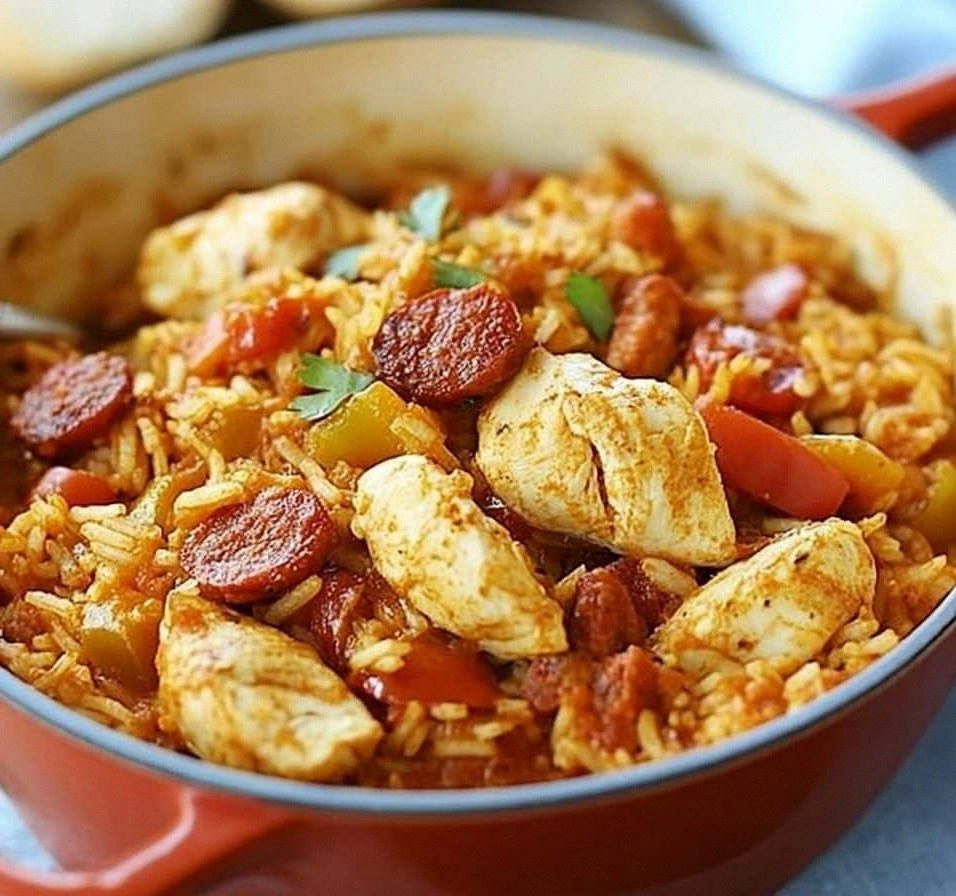
I was standing in my kitchen, staring at a half‑cooked pot of chicken that had turned into a soggy, flavorless mess. My friend had dared me to turn that disaster into something spectacular, and I swore I’d prove her wrong. So I pulled out the pantry staples that usually sit in the back of the fridge—chicken thighs, chorizo, rice, and a handful of spices—and decided to cook a jambalaya that would make even the most seasoned cook swoon. The moment the skillet hit the stove, the air filled with a heady mix of smoky chorizo, sweet bell pepper, and the unmistakable scent of Cajun seasoning. That aroma alone was a promise of the culinary fireworks to come.
Picture this: a pot bubbling with golden‑brown rice, each grain coated in a sauce that clings like velvet, while the chicken pieces sizzle and release a savory, slightly sweet glaze that coats the spoon. The chorizo, with its smoky, peppery bite, cuts through the richness, adding depth and a hint of heat that wakes the palate. The dish is a symphony of textures—soft, tender chicken, chewy rice, and a subtle crunch from the caramelized onions and peppers. Every spoonful feels like a hug from a friend who’s been there through all the kitchen mishaps and triumphs. If you’ve ever tasted a dish that feels like a warm, comforting blanket, this jambalaya is that blanket, but with a spicy kick that wakes you up.
I dare you to taste this and not go back for seconds. That’s the power of a well‑balanced jambalaya: the right mix of heat, umami, and subtle sweetness that makes you reach for another spoon even after the last grain of rice has been devoured. The secret? A blend of fresh ingredients, a slow‑simmer technique that melds flavors, and a pinch of curiosity that keeps you experimenting. Most recipes get this completely wrong, treating jambalaya as a one‑size‑fits‑all stew. Here’s what actually works, and I’ll show you how to make it hands down the best version you’ll ever make at home.
If you've ever struggled with getting the rice just right—too mushy or too dry—then you’re not alone. I’ve been there, watching the rice sink into the broth and thinking, “This is a disaster.” But the trick is in the timing and the balance of liquid to rice. The next step? Let me walk you through every single step — by the end, you'll wonder how you ever made it any other way. The journey from a kitchen disaster to a dish that earns standing ovations starts right here, right now.
What Makes This Version Stand Out
- Flavor: The marriage of smoky chorizo and sweet bell pepper creates a depth that turns ordinary rice into an unforgettable centerpiece.
- Texture: Each grain of rice remains distinct and fluffy, while the chicken stays juicy, and the chorizo offers a satisfying bite.
- Simplicity: No fancy techniques—just sauté, simmer, and serve. It’s a recipe that anyone can master in under an hour.
- Uniqueness: The inclusion of fresh tomato sauce and a splash of wine adds a bright acidity that balances the richness.
- Crowd Reaction: This dish is a conversation starter at family dinners, with guests asking for the recipe after the first bite.
- Ingredient Quality: Fresh, high‑quality chorizo and chicken thighs are the foundation; the rest are pantry staples that shine.
- Cooking Method: A single pot, low‑heat simmer, and a few aromatics—no need for a roux or a complex sauce.
- Make‑Ahead Potential: It tastes even better the next day, making it perfect for busy weeknights or weekend gatherings.
Alright, let's break down exactly what goes into this masterpiece…
Inside the Ingredient List
The Flavor Base
At the heart of this jambalaya is a trio of aromatics that set the stage: diced onion, minced garlic, and sliced bell pepper. These vegetables release sweetness and depth as they cook, forming a savory foundation that carries the spices. Skipping any of them would feel like removing a key note from a song; the dish would sound flat and unbalanced. If you’re short on bell pepper, a handful of diced carrots can add a gentle sweetness, but the pepper’s bright color and crispness are hard to replace. For a smoky kick, consider adding a pinch of smoked paprika to the mix.
The Protein Powerhouse
Chicken thighs, boneless and skinless, are chosen for their tenderness and ability to absorb flavors. They stay moist even after a long simmer, unlike breast meat, which can dry out. Chorizo brings a smoky, peppery punch that elevates the dish’s overall taste. Use a fresh, Spanish or Mexican variety for the best flavor; if you can’t find it, a smoked pork sausage works as a close substitute. Cutting the chicken into bite‑size pieces ensures even cooking and a satisfying chew. The combination of chicken and chorizo creates a protein duo that feels hearty yet not overwhelming.
The Unexpected Star
Tomato sauce isn’t just a filler; it adds acidity, sweetness, and a vibrant color that brightens the entire pot. A tablespoon of tomato paste can intensify the sauce, but too much will overpower the other flavors. If you prefer a fresher taste, use diced tomatoes or a splash of tomato juice. The sauce also helps bind the rice and proteins together, creating a cohesive texture that’s both comforting and complex. Without it, the jambalaya would feel thin and disconnected.
The Final Flourish
Cajun seasoning is the secret weapon that gives this jambalaya its signature heat and aroma. The blend typically includes paprika, cayenne, oregano, thyme, and garlic powder. If you can’t find a pre‑made mix, combine these spices yourself for a fresher flavor. A bay leaf adds an earthy undertone that balances the dish’s heat. Fresh parsley or green onions garnish the finished dish, providing a burst of color and a hint of herbal freshness. A squeeze of lemon or lime at the end can brighten the flavors, but it’s optional.
Everything's prepped? Good. Let's get into the real action…
The Method — Step by Step
-
Heat a large, heavy‑bottom pot over medium‑high heat and drizzle in a tablespoon of olive oil. Add the diced onion, bell pepper, and celery, and sauté until the vegetables soften and the onion turns translucent, about 5 minutes. The aromatics should emit a fragrant, caramelized scent that signals readiness. Keep the heat steady—if it starts smoking, reduce the flame to prevent burning. Once the vegetables are ready, you’re setting the stage for a flavor explosion.
-
Introduce the minced garlic and cook for an additional minute until it becomes fragrant but not browned. Garlic adds depth; if it turns dark, it will taste bitter. Then add the sliced chorizo, breaking it into smaller pieces with a spoon. Let it brown on all sides for 3–4 minutes, which releases its oils and imparts a smoky aroma throughout the pot. This step is crucial for the signature flavor profile of the jambalaya.
-
Add the diced chicken thighs, seasoning them lightly with salt, pepper, and a tablespoon of Cajun seasoning. Sear the chicken until it develops a golden crust on all sides, about 5 minutes. Searing locks in juices and creates a savory base that the rice will absorb. The chicken should not be fully cooked at this point; it will finish simmering later with the rice.
-
Pour in the tomato sauce, chicken broth, and a splash of white wine if you’re using it. Stir to combine, ensuring the liquid covers the ingredients. The sauce should thicken slightly, forming a cohesive mixture. Let the mixture come to a gentle boil, then reduce the heat to low. Cover the pot, and let it simmer for 10 minutes, allowing the flavors to meld.
-
Now, add the rice and stir to coat each grain with the sauce. Add the bay leaf, a pinch of thyme, and another tablespoon of Cajun seasoning to reinforce the flavor. Bring the pot back to a simmer, then cover and let it cook for 18–20 minutes, or until the rice is tender and the liquid is absorbed. The rice should be fluffy, not mushy; if it’s too dry, add a splash of broth and continue cooking.
-
Watch Out: This is the trickiest step—if you stir the rice too vigorously, the starches release and the dish becomes gummy. Stir gently, just enough to mix, and let the pot sit undisturbed for the majority of the cooking time. This allows the rice to absorb liquid evenly and prevents clumping.
-
Remove the bay leaf, and taste the jambalaya. If it needs a kick, sprinkle in a few extra cayenne pepper or a dash of hot sauce. If it feels a bit dry, drizzle a teaspoon of butter over the top and stir; this adds silky richness. Let the pot sit, covered, for an additional 5 minutes to let the flavors marry. This resting period is essential for a cohesive taste profile.
-
Garnish with chopped fresh parsley or green onions for a burst of color and a fresh herbal note. Serve the jambalaya hot, straight from the pot, and watch as the steam rises like a fragrant cloud. If you’re serving a crowd, keep the pot covered to maintain warmth. Remember, the best part of jambalaya is sharing it with friends and family, and watching their faces light up with each bite.
That’s it—you did it. But hold on, I've got a few more tricks that'll take this to another level…
Insider Tricks for Flawless Results
The Temperature Rule Nobody Follows
Many people think simmering at a low heat is enough, but the trick is to keep the pot just below boiling. A gentle, steady simmer ensures the rice cooks evenly without becoming mushy. If the pot boils too hard, the liquid can evaporate too quickly, leading to uneven cooking. Use a lid that fits snugly, and adjust the flame if you notice the liquid boiling over. This simple adjustment can mean the difference between a perfect jambalaya and a culinary disappointment.
Why Your Nose Knows Best
Your sense of smell is the most reliable indicator of flavor balance. As the jambalaya simmers, notice the aroma of toasted rice, the smoky chorizo, and the herbal undertones from thyme and bay leaf. If the dish smells too “raw,” add a pinch more Cajun seasoning; if it’s too “wet,” let it cook uncovered for a few minutes. Trusting your nose ensures the dish hits that sweet spot of savory, spicy, and slightly sweet.
The 5‑Minute Rest That Changes Everything
After the rice has finished cooking, let the pot sit, covered, for five minutes before serving. This resting period allows the steam to redistribute, ensuring each grain is evenly moist and the flavors have had time to marry. Skipping this step can result in uneven texture and a dish that feels underdeveloped. The rest also lets the sauce thicken slightly, giving the jambalaya a richer mouthfeel.
The Right Salt Balance
Seasoning in jambalaya is a delicate dance. Add salt gradually, tasting as you go. Too much salt early can draw out moisture from the chicken, making it dry. Conversely, adding salt at the end can help the flavors meld. A pinch of salt at the beginning, a pinch at the middle, and a final touch at the end gives you control over the final taste.
The Fresh Herb Finale
Fresh herbs like parsley or green onions brighten the dish and add a fresh contrast to the deep, smoky flavors. Add them just before serving to preserve their bright color and crisp texture. A handful of chopped cilantro can also be a delightful variation for those who enjoy a citrusy herbal note. Remember, the garnish is not just decorative—it’s a final flavor punch.
Creative Twists and Variations
This recipe is a playground. Here are some of my favorite ways to switch things up:
Shrimp Surprise
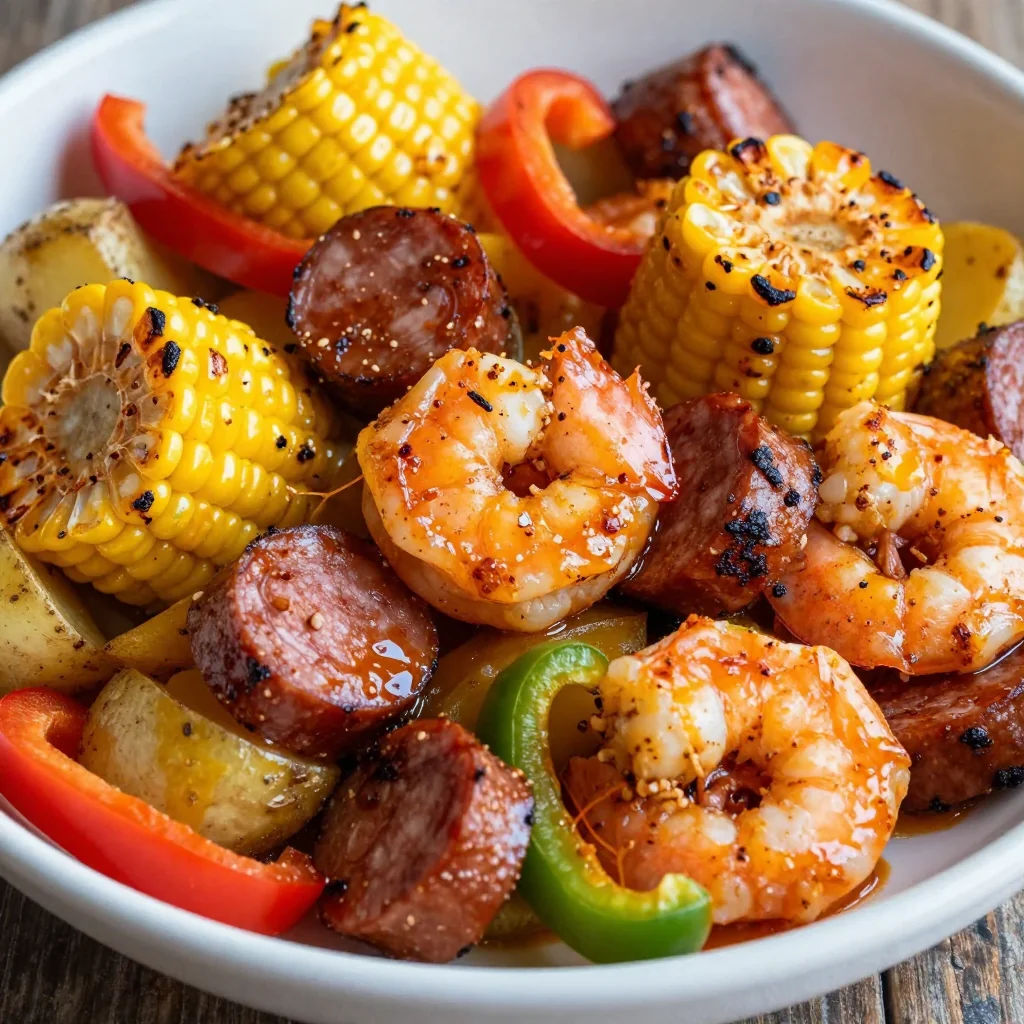
Add a pound of peeled shrimp to the pot during the last 5 minutes of cooking. The shrimp’s quick cook time and sweet flavor pair beautifully with the smoky chorizo. This variation turns the dish into a seafood jambalaya, perfect for a beach‑side dinner or a festive gathering.
Vegetarian Vibe
Replace the chicken with diced tofu or tempeh, and use vegetable broth instead of chicken broth. Add a handful of chopped spinach or kale for extra greens. The tofu will absorb the spices, delivering a hearty, plant‑based jambalaya that still feels comforting and filling.
Rice Swap
Swap the long‑grain rice for quinoa or cauliflower rice for a lower‑carb version. Quinoa will add a nutty flavor and a protein boost, while cauliflower rice keeps the dish light and low‑calorie. Adjust the liquid accordingly—quinoa needs less water, cauliflower needs a splash of broth for moisture.
Spicy Salsa Finish
Stir in a cup of fresh salsa during the final 5 minutes of cooking. The acidity and heat from the salsa complement the Cajun seasoning, creating a layered spicy profile. This variation is ideal for those who love a little extra kick and a burst of freshness.
Cheesy Finale
Sprinkle shredded cheddar or Monterey Jack cheese over the jambalaya before serving. The cheese melts into the hot dish, creating a creamy, gooey texture that contrasts with the rice’s fluffiness. It’s a crowd‑pleaser for kids and adults alike.
Storing and Bringing It Back to Life
Fridge Storage
Cool the jambalaya to room temperature, then transfer it to an airtight container. Store it in the refrigerator for up to 4 days. The flavors will deepen over time, making it even more delicious when reheated. Keep the container flat to prevent the rice from becoming mushy.
Freezer Friendly
For longer storage, portion the jambalaya into freezer‑safe containers or zip‑lock bags. Freeze for up to 2 months. When ready to eat, thaw overnight in the refrigerator, then reheat on the stovetop with a splash of broth or water to loosen the sauce. This method preserves the texture and flavor.
Best Reheating Method
Reheat the jambalaya in a saucepan over low heat, adding a tiny splash of water or broth to restore moisture. Stir gently until heated through, and let it sit for a minute before serving. This gentle reheating process prevents the rice from drying out and keeps the dish silky.