Picture this: a quiet Sunday afternoon, the kitchen clock ticking, and a stubborn pot of pasta that refuses to cooperate. I had just pulled a batch of no‑boil lasagna noodles from the pantry, only to realize the sauce I’d whipped up in the last minute was a thin, watery disappointment. The moment the noodles started to stick together like a clumpy jam, I knew something had to change. That night, after a frantic search for a better recipe, I stumbled upon a version that promised creamy, layered perfection and, dare I say, a game‑changing texture that left me craving a second plate.
I’ve lived a lifetime of “just another lasagna” moments—too much cheese, too little flavor, and a final product that tasted like a casserole. This time, the aroma hit me first: a buttery, garlicky perfume that made the whole house smell like a cozy Italian trattoria. The sound of the sauce simmering was a rhythmic drumbeat, and when I first tasted a bite, the creamy ricotta clung to the noodles like velvet, while the mozzarella on top melted into a glossy, golden crown. I could almost hear my friends’ sighs of delight as they dug in, and the moment that satisfied my guilty pleasure was a triumph of culinary alchemy.
What makes this version stand out isn’t just the ingredients—it’s the deliberate layering, the balance of textures, and the subtle seasoning that keeps every bite interesting. I dare you to taste this and not go back for seconds. Most lasagna recipes get this completely wrong by overcooking the noodles or underseasoning the sauce. Here, the sauce is rich but not heavy, the cheese is perfectly melted, and the noodles are al dente—each component working in harmony. If you’ve ever struggled with a soggy lasagna, you’re not alone, and I’ve got the fix.
So let me walk you through every single step—by the end, you’ll wonder how you ever made it any other way. From the moment the butter hits the pan to the final golden crust, this recipe is a masterclass in flavor and technique. Stay with me, and you’ll discover the secrets that elevate this dish from ordinary to unforgettable.
What Makes This Version Stand Out
- Texture: The no‑boil noodles are pre‑cooked, so they absorb the sauce without becoming mushy, keeping each layer distinct.
- Flavor Depth: A homemade béchamel enriched with garlic and a touch of pepper coats the pasta like velvet, delivering a savory core that rises with every bite.
- Cheese Balance: Ricotta provides creaminess, mozzarella adds a melty, bubbly surface, and Parmesan injects a sharp, salty finish.
- Ease: No need to boil pasta separately or worry about overcooking—just layer and bake.
- Make‑ahead Friendly: Assemble the dish, cover, refrigerate, and bake when ready—perfect for busy weeknights.
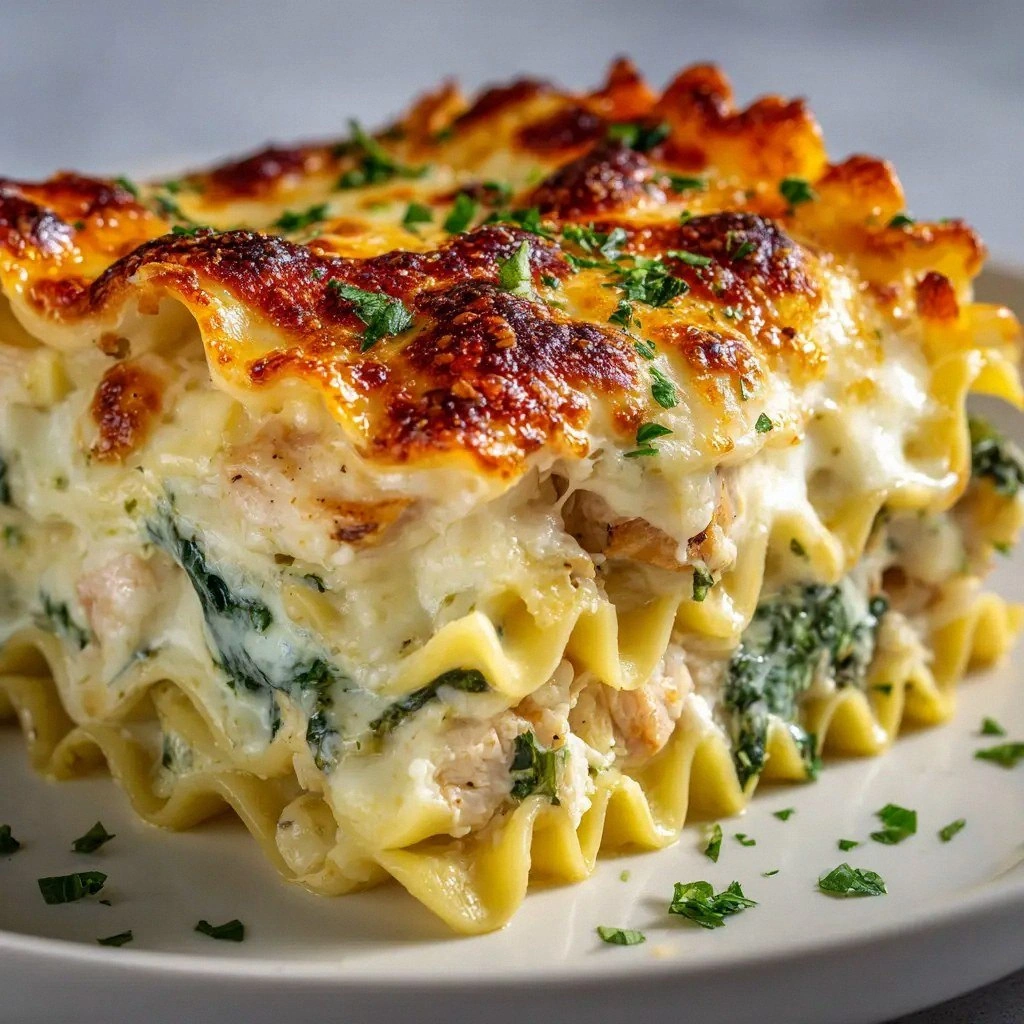
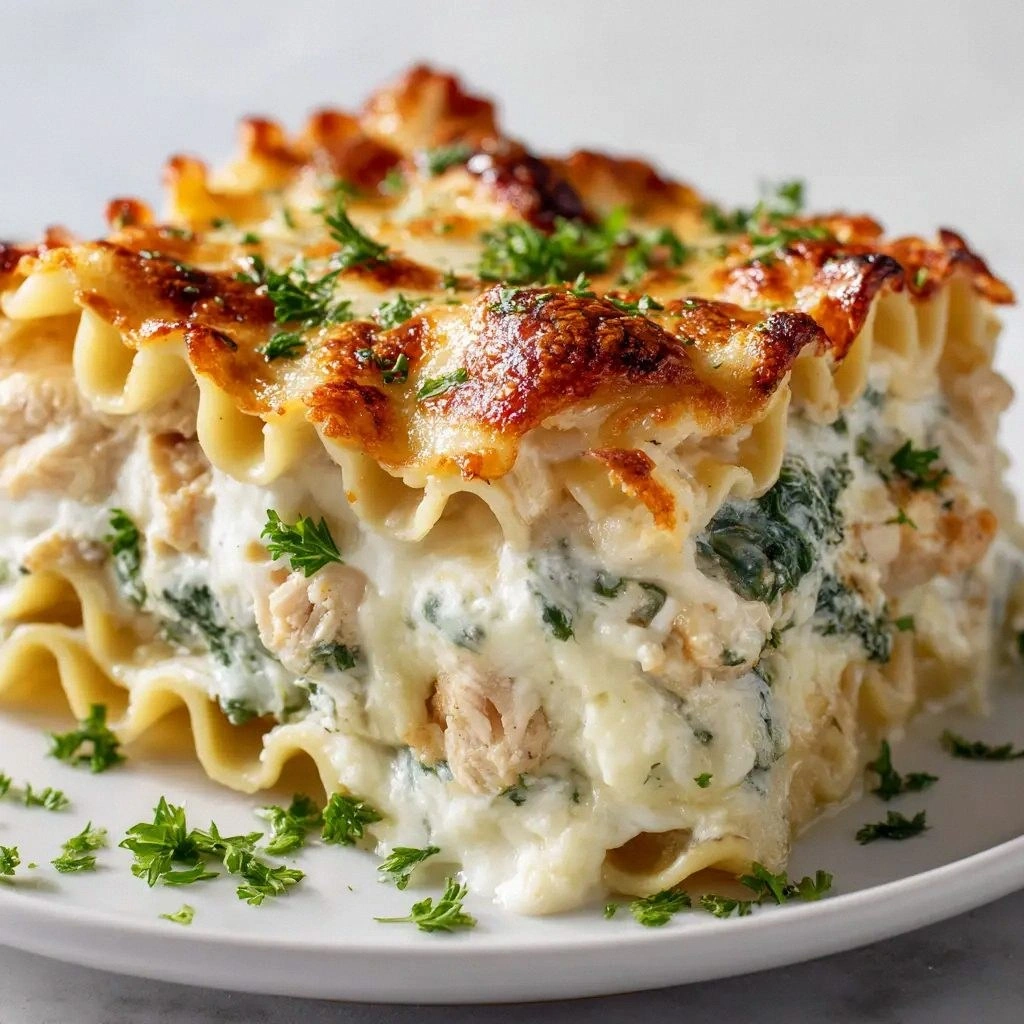
- Visual Appeal: The golden crust and bubbling interior create a mouth‑watering sight that’s almost too pretty to eat.
- Ingredient Quality: Using fresh parsley and high‑quality cheeses elevates the dish beyond the standard supermarket fare.
- Crowd Reaction: Guests always ask for the recipe after the first bite—no wonder this is hands down the best version you’ll ever make at home.
Alright, let’s break down exactly what goes into this masterpiece…
Inside the Ingredient List
The Flavor Base
The béchamel sauce is the heart of this lasagna. Unsalted butter melts with flour to form a roux, which thickens the milk into a silky canvas. Garlic adds aromatic depth; when sautéed just until fragrant, it releases its sweet oils without burning. A pinch of black pepper brings subtle heat, and Parmesan cheese lifts the sauce with its nutty, salty profile. Skipping any of these steps will leave your lasagna flat and uninspired.
The Texture Crew
No‑boil lasagna noodles are pre‑cooked, so they soak up the sauce while staying firm. If you can’t find them, regular lasagna noodles will do—just boil them for 4 minutes, drain, and rinse with cold water to stop the cooking process. Ricotta cheese offers a creamy, airy texture that contrasts the dense mozzarella. If you prefer a lighter option, substitute half the ricotta with cottage cheese for a subtle tang.
The Unexpected Star
Fresh parsley is more than a garnish; it adds a bright, herbaceous note that cuts through the richness. Chop it finely so the color spreads evenly across the top. If you’re short on parsley, a splash of lemon zest can deliver a similar bright lift. Remember, fresh herbs are best added at the end to preserve their flavor.
The Final Flourish
Shredded mozzarella is the crowning glory, creating a bubbly, golden crust that’s impossible to resist. The cheese’s high moisture content melts into a glossy sheen. For a crispier top, sprinkle a little extra Parmesan over the mozzarella before baking. If you’re vegan, replace both cheeses with plant‑based alternatives that melt well.
Everything's prepped? Good. Let's get into the real action…
The Method — Step by Step
- Step 1: Make the Béchamel. In a medium saucepan, melt 1/2 cup of unsalted butter over medium heat. Add 1/2 cup of all‑purpose flour, whisking constantly for 1–2 minutes until the mixture turns a light golden color. Slowly pour in 4 cups of whole milk, whisking to avoid lumps. Bring to a gentle simmer and let thicken, then stir in 3 minced garlic cloves, 1 cup grated Parmesan, 1 tsp salt, and 1/2 tsp black pepper. Remove from heat and set aside.
- Step 2: Prepare the Noodles. If you’re using regular lasagna noodles, boil them for 4 minutes, then drain and rinse with cold water. Spread a thin layer of béchamel in the bottom of a 9×13 inch baking dish to prevent sticking. Place the first layer of noodles over the sauce, breaking them to fit the dish.
- Step 3: Layer the Chicken. Spread 3 cups of shredded cooked chicken evenly over the noodles. Sprinkle 1 cup of ricotta cheese on top of the chicken, then drizzle a small amount of béchamel to keep it moist.
- Step 4: Add the Cheese. Sprinkle 4 cups of shredded mozzarella over the ricotta. This will form the creamy, gooey layer that melts into the sauce.
- Step 5: Repeat. Repeat steps 2–4 until you’ve used all the noodles and ingredients, finishing with a final layer of mozzarella on top.
- Step 6: Bake. Cover the dish tightly with foil and bake at 375°F (190°C) for 25 minutes. Remove the foil, sprinkle 1/4 cup fresh parsley over the top, and return to the oven for an additional 10–15 minutes until the cheese is bubbly and golden.
- Step 7: Rest. Let the lasagna rest for 10 minutes after removing it from the oven. This allows the layers to set, making it easier to cut and serve.
- Step 8: Serve. Slice with a sharp knife, plate, and enjoy the comforting, melty experience that will have everyone asking for seconds.
That’s it — you did it. But hold on, I’ve got a few more tricks that will take this to another level. These insider tips will help you achieve that perfect balance of gooey, golden, and flavorful.
Insider Tricks for Flawless Results
The Temperature Rule Nobody Follows
Many people bake at 350°F, but 375°F gives the cheese a better rise and the crust a crispier edge. Keep the oven rack in the middle to ensure even heat distribution. If your oven runs hot, lower the temperature by 25°F and increase the baking time by 5 minutes.
Why Your Nose Knows Best
Before you lift the foil, smell the lasagna. A sweet, caramelized aroma indicates the cheese is bubbling just right. If the smell is too mild, give it a few more minutes. Trust your nose; it’s the ultimate flavor sensor.
The 5‑Minute Rest That Changes Everything
Letting the lasagna sit for 5–10 minutes after baking allows the cheese to set, preventing it from sliding off the plate. It also lets the flavors meld, creating a richer taste. This step is essential for a clean, satisfying bite.
The Secret to a Crispy Top
After the final bake, switch your oven to broil for 1–2 minutes, watching closely. The high heat will brown the mozzarella into a golden, slightly crisp layer. Keep an eye on it; the broiler can burn the cheese quickly.
Make‑Ahead Mastery
Assemble the lasagna up to the baking step and refrigerate it covered. When ready to serve, bake at 375°F for 35 minutes, then broil for a minute to finish the crust. This technique is perfect for entertaining or for a busy weeknight dinner.
Creative Twists and Variations
This recipe is a playground. Here are some of my favorite ways to switch things up:
Mediterranean Delight
Swap the shredded chicken for sautéed spinach and sun‑dried tomatoes. Add a splash of white wine to the béchamel for a subtle depth. Sprinkle crumbled feta over the top before baking for a tangy finish.
Spicy Cajun Kick
Season the chicken with Cajun spice mix and add diced jalapeños to the layers. Use pepper jack cheese instead of mozzarella for a smoky heat. Finish with a drizzle of hot sauce after baking.
Vegan Comfort
Replace all dairy with plant‑based alternatives—vegan ricotta, mozzarella, and Parmesan. Use a vegan béchamel made with cashew milk. Add roasted vegetables like zucchini and bell peppers for extra texture.
Breakfast Lasagna
Layer scrambled eggs, diced bacon, and shredded cheddar between the noodles. Use a splash of milk for the béchamel and sprinkle chives on top. This breakfast version is perfect for brunch or a hearty start to the day.
Mushroom & Herb Fusion
Sauté a mix of cremini, shiitake, and portobello mushrooms with thyme and rosemary. Replace the chicken with the mushroom medley. The earthy flavors pair wonderfully with the creamy sauce.
Pesto Power
Swirl a couple of tablespoons of basil pesto into the béchamel for a vibrant green sauce. Add fresh basil leaves between layers for an aromatic touch. The pesto adds a bright, herbal note that lifts the entire dish.
Storing and Bringing It Back to Life
Fridge Storage
After baking, let the lasagna cool completely, then cover tightly with plastic wrap or foil. Store in the refrigerator for up to 4 days. The flavors continue to develop, making reheated slices even more delicious.
Freezer Friendly
If you want to freeze it, wrap the cooled lasagna in foil and then place in a freezer bag. Label with the date and freeze for up to 3 months. Thaw overnight in the refrigerator before reheating.
Best Reheating Method
Reheat in a 350°F oven for 20–25 minutes, or until hot throughout. For extra moisture, add a splash of water or milk to the baking dish before covering with foil. This steams the lasagna back to creamy perfection.