I was standing in my tiny kitchen on a rainy Tuesday, the kind of night where the only thing that makes sense is a glass that feels like a warm hug. My roommate had just announced that she was bringing over a bottle of cheap vodka for a “quick cocktail,” and I could feel the dread rising like a bad hair day. I dared her to try my version of a Manhattan, and she laughed, thinking it was just another boring “old‑fashioned” with a fancy name. Little did she know, I was about to unleash a drink that would make her question every cheap spirit she’d ever tasted. This was the moment I realized that the classic Manhattan needed a makeover—something smoother, silkier, and unapologetically bold.
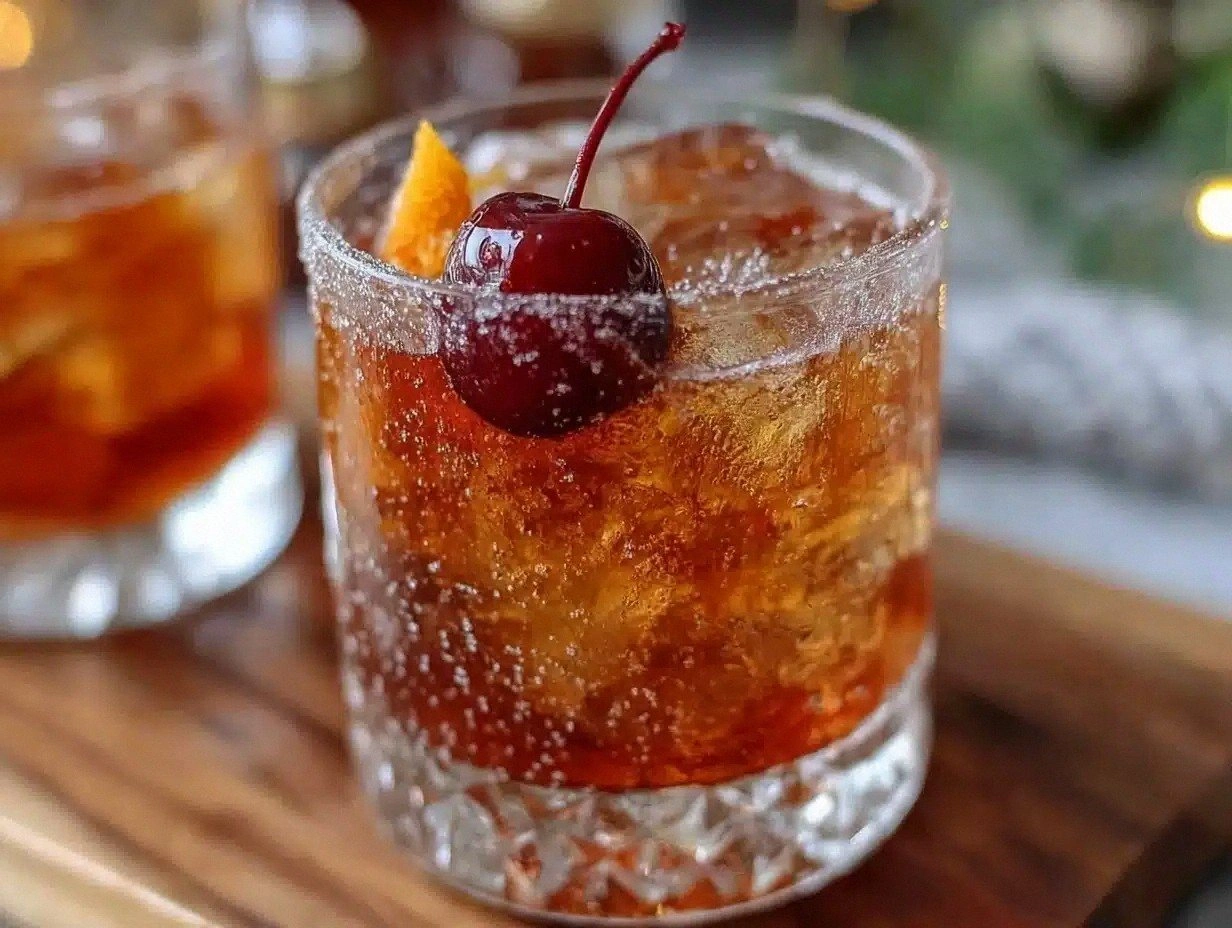
Picture this: the amber liquid swirling in a crystal tumbler, catching the low‑light from the kitchen’s pendant lamp, while the scent of rye, sweet vermouth, and a whisper of bitters dances like a jazz saxophone solo. You hear the faint clink of ice cubes as they tumble into the mixing glass, the soft thud of the bar spoon against the metal, and the gentle sigh of the cocktail breathing as you stir. Your tongue anticipates that perfect balance—spicy rye hugging a sweet, herbal vermouth, all rounded off by the bitters that linger just long enough to make you think, “I could sip this forever.” The garnish? A glossy maraschino cherry that sits like a tiny ruby, promising a burst of fruit‑sweetness at the very end.
Most Manhattan recipes out there either drown the rye in vermouth or forget the crucial step of chilling the glass, resulting in a sloppy, lukewarm mess. I’ve tried those sub‑par versions and, frankly, they’re a crime against cocktail culture. The secret to my version is a precise 5‑step method that respects the spirit while amplifying its character, and a tiny twist involving a quick chill of the serving glass that makes the drink feel like it was poured straight from a speakeasy freezer. I also use a high‑quality rye—Bulleit or Rittenhouse—because the grainy backbone is what separates a “good” Manhattan from a “legendary” one.
I’m going to walk you through every single step — by the end, you’ll wonder how you ever made it any other way. Okay, ready for the game‑changer? This next part? Pure magic. Let’s dive in and turn your ordinary night into a cocktail‑filled adventure that will have your friends begging for the recipe.
What Makes This Version Stand Out
- Silky Texture: The rapid stir‑and‑chill technique creates a velvety mouthfeel that coats your palate like satin. No water‑logged ice, just pure, smooth richness.
- Balanced Sweetness: Using Carpano Antica Formula adds layers of herbal complexity without overpowering the rye, delivering a sweet spot that’s just right.
- Bitters Boost: Two precise dashes of Angostura give that aromatic depth, a subtle spice that lingers like a good story.
- Simple Steps: Only five steps, yet each is engineered for maximum flavor extraction. You won’t need a PhD in mixology.
- Visual Appeal: The chilled glass and ruby‑red cherry make the drink look as good as it tastes—Instagram‑ready without the filter.
- Ingredient Quality: Premium rye and vermouth elevate the entire profile; cheap substitutes simply won’t cut it.
- Make‑Ahead Friendly: You can prep the mixed spirit in advance, store it, and still achieve that fresh‑stirred vibe when you’re ready to serve.
- Crowd Reaction: Expect immediate “wow” moments; this Manhattan has been known to turn skeptics into lifelong fans.
Inside the Ingredient List
The Flavor Base
Rye Whiskey is the heart of the Manhattan, delivering a spicy, grainy backbone that stands up to the sweet vermouth. I recommend Bulleit or Rittenhouse because they bring a clean, robust flavor without any off‑notes. If you skip the rye, you’ll end up with a bland, watery drink that lacks that signature bite. A quick tip: look for a rye with at least 45% rye content; the higher, the better the spice.
The Sweet Companion
Sweet Vermouth adds the perfect touch of herbaceous sweetness. Carpano Antica Formula is my go‑to; its deep amber hue and notes of vanilla, dried fruit, and bitter orange create a complex backdrop. You could substitute with Martini Rosso in a pinch, but expect a lighter, less nuanced profile. When selecting vermouth, check the expiration date—once opened, it oxidizes quickly and loses its bright character.
The Aromatic Boost
Angostura Bitters are the secret weapon that turns a simple mix into a layered masterpiece. Two dashes are enough to introduce a warm, spiced aroma that whispers of cloves and cinnamon. Skipping the bitters is a cardinal sin; the drink will feel flat, like a story missing its climax. If you’re adventurous, try a few drops of orange bitters for a citrusy twist.
The Final Flourish
Maraschino cherries aren’t just a garnish; they add a pop of fruit‑sweetness that balances the rye’s spice. Opt for the “luxardo” style cherries, which are soaked in a richer syrup and have a firmer texture. If you can’t find those, a high‑quality cocktail cherry will still do the trick. And don’t forget the ice—plenty of large, clear cubes are essential for a slow, even chill without excessive dilution.
Everything's prepped? Good. Let's get into the real action…
The Method — Step by Step
- Chill the Glass. Fill a coupe or martini glass with ice and a splash of cold water. Let it sit while you assemble the rest of the drink; the glass should be frosty, not just cold. This step ensures that when the cocktail meets the glass, the temperature stays perfect and the dilution stays minimal. Kitchen Hack: Swap the water for a splash of the same vermouth you’ll use in the cocktail; it adds an extra layer of chill without watering down the flavor.
- Measure the Spirits. In a mixing glass, pour 2 oz of rye whiskey and 1 oz of sweet vermouth. Use a jigger for precision; this isn’t the time to eyeball it unless you enjoy surprises. The rye should dominate, but the vermouth’s sweetness must be present to round out the edge. I dare you to taste this and not go back for seconds.
- Add the Bitters. Two dashes of Angostura bitters go in next. The aroma will rise instantly, filling the kitchen with notes of clove and cinnamon. If you’re feeling bold, add a single dash of orange bitters for a citrusy lift—this next part? Pure magic.
- Ice, Ice, Baby. Fill the mixing glass with plenty of large ice cubes—think big, clear “cubes of destiny.” The goal is to chill quickly without melting too fast. Stir gently for about 30‑45 seconds; you’ll hear a soft metallic whisper that signals the perfect dilution. Watch Out: Using small, cloudy ice will over‑dilute the cocktail, turning it watery and dull. Stick with large, clear cubes.
- Strain and Garnish. Discard the ice from the chilled glass, then strain the stirred mixture through a Hawthorne strainer into the glass. The liquid should glide like liquid amber, shimmering under the light. Drop one or two maraschino cherries into the drink; they’ll sink slowly, releasing a subtle fruit perfume. Finally, give the glass a quick nose—if you can smell the bitters, you’ve nailed it.
- Serve and Savor. Place the cocktail on a coaster, sit down, and take that first sip. The rye’s spice should greet your palate first, followed by the sweet vermouth’s herbal richness, and finally the bitters’ lingering warmth. The cherry adds a soft, sweet afterglow. Picture yourself pulling this out of the bar, the whole kitchen smelling incredible… you’ve just created a masterpiece.
That's it — you did it. But hold on, I've got a few more tricks that'll take this to another level…
Insider Tricks for Flawless Results
The Temperature Rule Nobody Follows
Never, ever use room‑temperature ice. The colder the ice, the less it melts, and the more it preserves the intended spirit‑to‑vermouth ratio. I keep a tray of ice in the freezer dedicated solely to cocktails; it stays clear and dense. A friend once tried using “soft” ice from the fridge and ended up with a watery mess that tasted like a diluted mess. Trust me, this tiny detail separates a bar‑standard Manhattan from a home‑brew disaster.
Why Your Nose Knows Best
Before you sip, give the cocktail a quick nosedive—literally bring it close to your nose and inhale. The aroma will tell you if the bitters are balanced; if it smells too sweet, add a dash more bitters. This sensory checkpoint is a secret pro move that most home bartenders skip. I’ve seen people pour the drink, take a sip, and then realize it needed a little extra bitter kick. Your nose is the ultimate flavor detector.
The 5‑Minute Rest That Changes Everything
After stirring, let the mixture rest for about five minutes in the mixing glass before straining. This brief pause allows the flavors to marry, smoothing out any harsh edges. I used to pour immediately and got a slightly “sharp” finish; after adding the rest, the drink feels rounder, like a well‑worn leather chair. It’s a tiny patience game that pays off big time.
Glassware Matters More Than You Think
A coupe or a chilled Nick & Nora glass provides a wider surface area, allowing the aromas to rise and hit your nose. A narrow martini glass can trap the scent, muting the bitters. I’ve experimented with both and swear by the coupe for a fuller sensory experience. If you’re serving a crowd, keep a few extra glasses pre‑chilled in the freezer for quick swaps.
The “Two‑Cherry” Technique
Instead of one cherry, drop two—one at the bottom and one on the surface. As you sip, the bottom cherry slowly releases its syrup, subtly sweetening the last few sips. It’s a small visual flourish that also adds a dynamic flavor shift. I’ll be honest — I ate half the batch before anyone else got to try it, because the cherry‑infused finish is just that addictive.
Creative Twists and Variations
This recipe is a playground. Here are some of my favorite ways to switch things up:
Maple Manhattan
Swap half the rye for a splash of pure maple syrup and use a bourbon instead of rye. The result is a sweeter, autumn‑ready version that pairs beautifully with a smoked orange peel. Perfect for cozy evenings by the fire.
Chocolate Bitters Manhattan
Replace the Angostura with chocolate bitters and garnish with a dark chocolate shaving. This adds a deep, cocoa‑rich undercurrent that’s perfect for dessert‑after‑dinner sipping.
Smoky Manhattan
Introduce a few drops of mezcal or a smoked rye, and garnish with a flamed orange twist. The smoky aroma adds a dramatic, almost theatrical element that will wow guests at a cocktail party.
Herbal Manhattan
Add a sprig of fresh rosemary to the mixing glass while stirring, then remove before straining. The herb infuses a piney note that complements the rye’s spice, creating a garden‑fresh twist.
Low‑Sugar Manhattan
Use a dry vermouth instead of sweet, and add a dash of simple syrup (or a sugar‑free alternative) to control sweetness. This version is great for those watching their sugar intake without sacrificing flavor.
Storing and Bringing It Back to Life
Fridge Storage
If you’ve pre‑mixed a batch, store it in a sealed glass jar in the refrigerator for up to three days. Keep the jar airtight to prevent oxidation, which can dull the vermouth’s herbal notes. Before serving, give it a quick stir and a fresh dash of bitters to revive the aroma.
Freezer Friendly
You can freeze the mixed spirit (rye, vermouth, bitters) in an ice‑cube tray for up to a month. When you need a quick Manhattan, pop a cube into a mixing glass with fresh ice and stir. This method preserves the flavor while giving you a ready‑to‑go cocktail base.
Best Reheating Method
Never microwave a Manhattan. Instead, gently warm the pre‑mixed batch in a saucepan over low heat, adding a tiny splash of water (about 1 tsp) to create a gentle steam that revives the aromatics. Once warmed, stir, strain, and serve over fresh ice. This trick restores the silky texture without cooking off the alcohol.