Picture this: I was halfway through a weeknight dinner, juggling a sauté of onions, a splash of red wine, and a stubborn pot of pasta that refused to stick together. The kitchen smelled like a smoky, aromatic disaster—my confidence was on a razor blade. Then, out of the corner of my eye, I spotted a tub of cottage cheese on the counter, a handful of zucchini, and a bag of mozzarella. I stared at the ingredients like a chef staring at a blank canvas, daring myself to create something that could rescue the evening. That moment sparked a daring culinary experiment that turned out to be a game‑changer for me and, I promise, for you too.
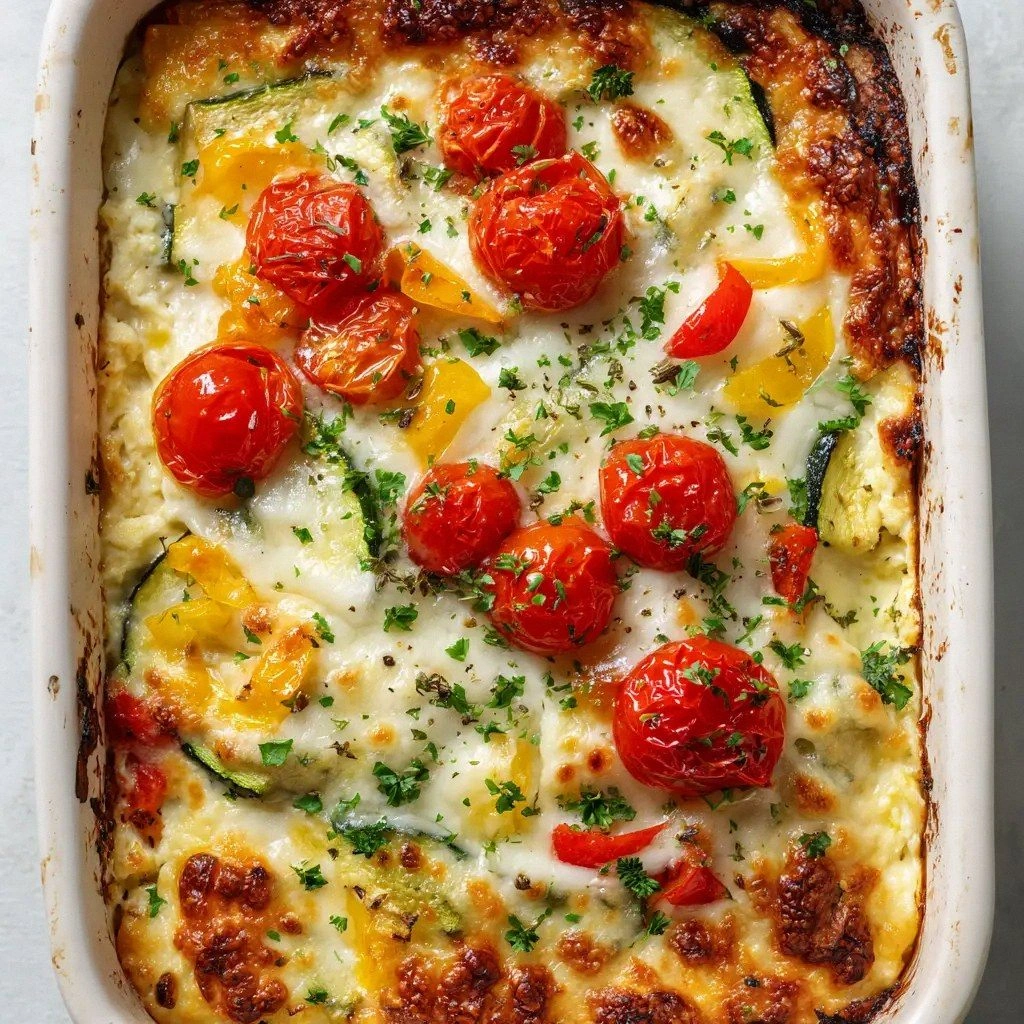
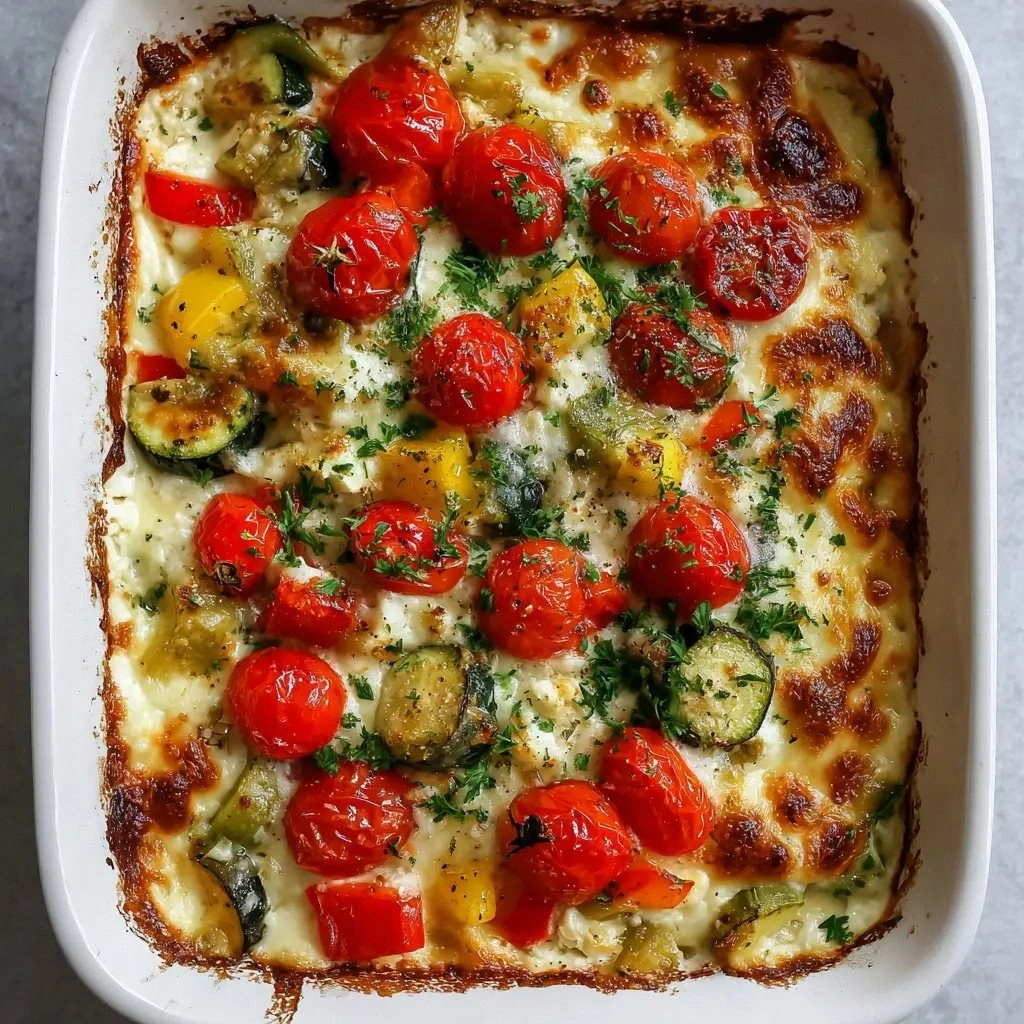
The first bite of the finished dish hits your palate like a gentle, buttery wave: the cottage cheese’s creamy custard embraces the sweet crunch of zucchini and squash, while the mozzarella forms a golden, slightly crisp crust that crackles under the fork. The scent that wafts from the oven is a comforting, melty cheese aroma mingled with the earthy sweetness of tomatoes and the fresh, herbal whisper of parsley. When you take a second bite, you’ll notice the subtle pepper bite and the delicate garlic undertone that keeps the flavor from becoming one‑dimensional. The dish feels like a warm hug that’s also a sophisticated, veggie‑rich casserole—one that you’ll find yourself craving again and again.
What makes this version of the cottage cheese veggie bake a standout isn’t just the combination of ingredients—it’s the thoughtful layering of textures, the careful balance of moisture, and the strategic use of herbs and spices that elevate every bite. I’ve refined the technique over dozens of trials, learning how to keep the bake moist while still achieving that satisfying golden top. The result is a casserole that’s creamy inside, lightly crisp on top, and bursting with fresh vegetable flavor. I dare you to taste this and not go back for seconds; the second bite will be a revelation, not a repetition.
Let me walk you through every single step—by the end, you’ll wonder how you ever made it any other way. From pre‑heating the oven to the final garnish, each action is designed to unlock maximum flavor and texture. If you’ve ever struggled with a casserole that turns out soggy or under‑seasoned, you’re not alone—and I’ve got the fix. I’ll share micro‑challenges, bold claims, and insider tricks that will transform your cooking routine. Picture yourself pulling this out of the oven, the whole kitchen smelling incredible, and the family reaching for the next slice. Stay with me here—this is worth it.
What Makes This Version Stand Out
- Taste: The combination of creamy cottage cheese, savory mozzarella, and sweet cherry tomatoes creates a layered flavor profile that feels both comforting and sophisticated. The fresh herbs provide a bright counterpoint that lifts the entire dish.
- Texture: A silky custard base that sets into a firm yet tender bite, paired with a slightly crisp, golden top. The veggies maintain a satisfying crunch that contrasts with the softness of the cheese.
- Simplicity: With just thirteen ingredients, the recipe is a breeze to assemble. No complicated sauces or pre‑marinated components—just fresh produce, cheese, and a handful of pantry staples.
- Uniqueness: The use of low‑moisture mozzarella instead of shredded cheese keeps the bake from becoming too runny, while the addition of parsley and oregano gives it a Mediterranean flair.
- Crowd Reaction: Even the most skeptical diners are won over by the harmonious blend of flavors. It’s a dish that can be served as a main or a side, making it a versatile crowd‑pleaser.
- Ingredient Quality: The recipe rewards the use of fresh, high‑quality produce and cheese. A good olive oil and freshly chopped herbs make a noticeable difference.
- Cooking Method: Baking in a single dish reduces cleanup while ensuring even cooking and a beautifully caramelized top.
- Make‑ahead Potential: Prepare the bake a day ahead and simply reheat—ideal for meal prep or busy weeknights.
Inside the Ingredient List
The Flavor Base
Cottage cheese is the heart of this dish, providing a creamy custard that binds everything together. Its mild, tangy profile balances the richness of the mozzarella and the sweetness of the tomatoes. If you skip it, the bake will become dry and lack cohesion. For a richer taste, choose full‑fat cottage cheese, but if you’re watching calories, a low‑fat version works fine—just be prepared to add a splash of milk to keep the mixture silky.
The Texture Crew
Zucchini, yellow squash, and red bell pepper bring a refreshing crunch and vibrant color. Slice them into half‑moons so they cook evenly and hold their shape. The olive oil coating prevents the veggies from releasing too much water, which could make the bake soggy. If you’re short on time, you can use frozen diced vegetables, but fresh produce delivers the best flavor and texture.
The Unexpected Star
Cherry tomatoes may seem like a minor player, but they add a burst of sweetness that cuts through the cheese’s richness. They also release juices that help keep the bake moist. If you’re craving a tangier bite, substitute sun‑dried tomatoes or a handful of olives for a briny twist. Remember, the tomatoes’ skins should be left on for texture and visual appeal.
The Final Flourish
Low‑moisture mozzarella is key for achieving that golden, slightly crisp top without making the bake overly gooey. It melts smoothly into the custard, creating a cohesive layer that locks in moisture. Parsley and oregano add herbal brightness that lifts the dish. If you’re allergic to dairy, a dairy‑free cheese alternative can be used, but be sure it melts well to maintain the texture.
Everything's prepped? Good. Let's get into the real action...
The Method — Step by Step
- Preheat the oven to 375°F (190°C). Lightly grease a 9×13 inch baking dish with a tablespoon of olive oil. This step ensures the casserole stays moist and the top develops a beautiful golden crust.
- In a large bowl, whisk together 2 cups of full‑fat cottage cheese, 3 large eggs, 1 tsp garlic powder, 1 tsp fine sea salt, 0.5 tsp black pepper, 1 tsp coarse dried oregano flakes, and 1 tbsp fresh green parsley until the mixture is smooth and airy. The eggs bind the cheese into a silky custard that will hold the veggies together.
- Slice 1.5 cups of green zucchini, 1.5 cups of yellow squash, and 1 cup of red bell pepper into thin half‑moons. Toss the vegetables in 2 tbsp olive oil, 1 tsp fine sea salt, 0.5 tsp black pepper, and a pinch of oregano. The oil creates a glossy sheen and prevents sogginess.
- Spread the vegetable mixture evenly in the prepared baking dish. This ensures each bite has a balanced crunch and prevents the top from becoming too dry.
- Pour the cottage cheese custard over the veggies, letting it settle naturally. The custard should coat the vegetables without drowning them.
- Sprinkle 1.5 cups of low‑moisture mozzarella evenly over the top. The cheese will melt into a golden crust that locks in moisture and adds a savory depth.
- Dot 1 cup of cherry tomatoes across the top, spacing them evenly. They’ll burst into sweet juices as the bake cooks, adding color and a subtle tang.
- Bake for 25–30 minutes, or until the top is golden brown and the custard is set. The edges should start pulling away slightly, indicating doneness. The smell should be toasty, reminiscent of a freshly baked loaf of bread.
- Remove from the oven and let rest for 5 minutes. This allows the custard to firm up and makes slicing easier, preventing a mushy mess.
- Garnish with a sprinkle of fresh parsley and serve hot. Pair with a crisp green salad or crusty bread for a complete meal.
That's it — you did it. But hold on, I've got a few more tricks that'll take this to another level...
Insider Tricks for Flawless Results
The Temperature Rule Nobody Follows
Many cooks preheat the oven to a high temperature, hoping for a quick crust. In reality, a moderate 375°F (190°C) allows the custard to set gently while the top browns evenly. If you’re using a convection oven, reduce the temperature by 25°F to avoid over‑browning.
Why Your Nose Knows Best
Before you lift the lid, pause and inhale. A golden, buttery scent signals the perfect finish. If you smell a sharp, burnt aroma, pull it out early and let it rest. The aroma is a reliable indicator of doneness.
The 5‑Minute Rest That Changes Everything
Letting the bake sit for five minutes after removing it from the oven might seem like a waste of time, but it allows the custard to set, making it easier to cut clean slices. It also lets the cheese redistribute, giving you a more cohesive bite.
Layering for Visual Appeal
When arranging the veggies, alternate colors in a circular pattern. This not only looks stunning but also ensures even cooking. A visually balanced dish can elevate the dining experience.
The Fresh Herb Trick
Finely chop parsley and oregano just before baking. The fresh herbs release their oils quickly, infusing the dish with bright, herbal notes. If you wait too long, the herbs will lose flavor.
Creative Twists and Variations
This recipe is a playground. Here are some of my favorite ways to switch things up:
Mediterranean Medley
Swap the red bell pepper for sun‑dried tomatoes and add a handful of kalamata olives. Sprinkle feta cheese on top before baking for a salty, tangy twist that screams Mediterranean.
Spicy Southwest
Add a teaspoon of cumin, a pinch of smoked paprika, and a handful of corn kernels. Finish with a drizzle of lime crema after baking for a zesty kick.
Cheesy Broccoli Version
Replace the zucchini and squash with a cup of steamed broccoli florets. Toss in a tablespoon of nutritional yeast for extra cheesy flavor without dairy.
Herb‑Infused Cream
Blend a handful of fresh basil into the cottage cheese mixture. The basil will give the custard a fragrant, green note that pairs beautifully with the veggies.
Vegan Transformation
Use a plant‑based cottage cheese alternative and dairy‑free mozzarella. Add a splash of soy or almond milk to keep the custard moist. This version is just as creamy and satisfying.
Protein‑Packed Powerhouse
Add a cup of cooked quinoa or diced chicken breast to the vegetable layer before pouring in the custard. The protein boost makes this a complete, filling meal.
Storing and Bringing It Back to Life
Fridge Storage
Cool the casserole completely, then cover tightly with plastic wrap or foil. Store in the refrigerator for up to 3 days. When you’re ready to eat, reheat in a pre‑heated 350°F (175°C) oven for 15–20 minutes, or microwave on medium power for 2 minutes.
Freezer Friendly
After cooling, wrap the casserole in foil and place it in a freezer‑safe bag. Freeze for up to 2 months. To reheat, thaw overnight in the refrigerator, then bake at 350°F (175°C) for 25 minutes, or microwave for 3–4 minutes, adding a splash of water to keep it moist.
Best Reheating Method
The oven is the best choice for reheating because it restores the golden crust. If you’re in a hurry, use a microwave but add a teaspoon of water to the dish before heating to prevent dryness. A quick steam will bring back the creamy texture.