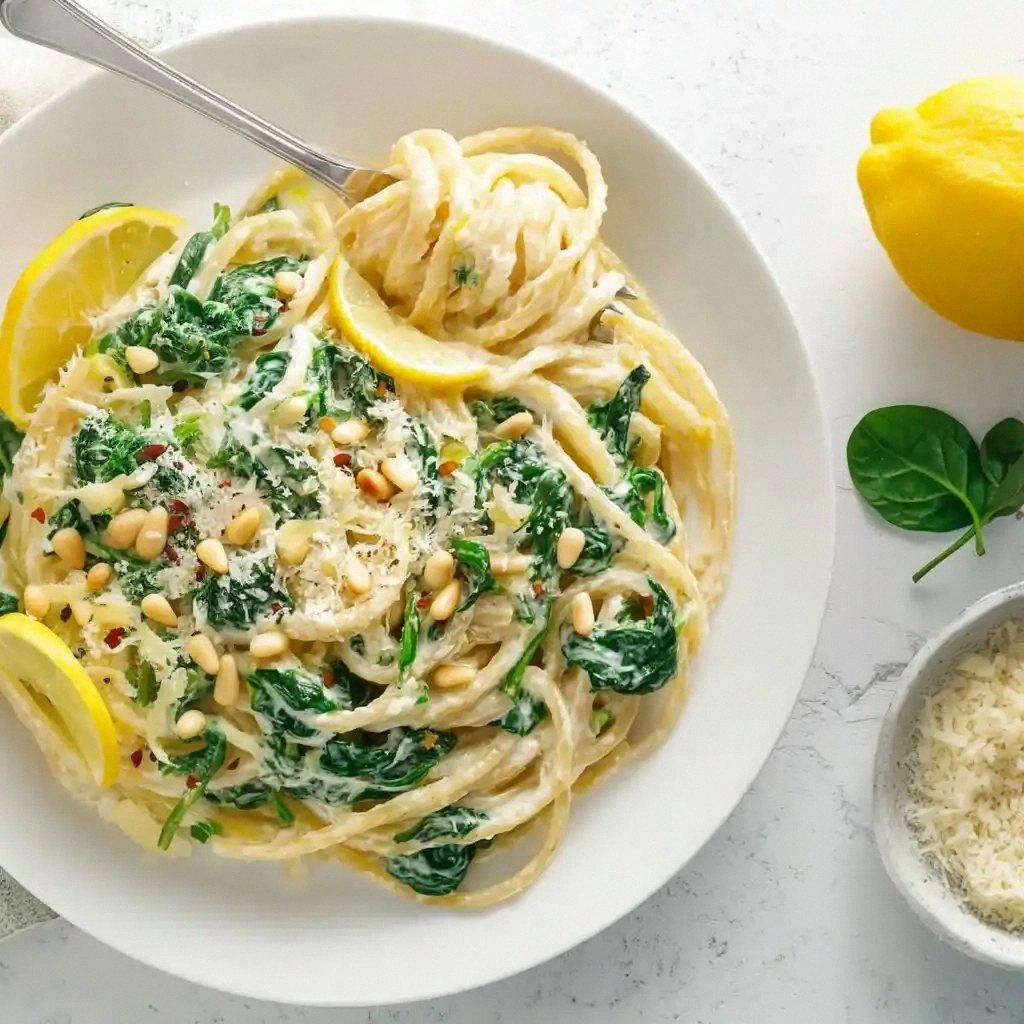
Picture this: I’m in the middle of a Sunday dinner prep, the kitchen buzzing, and my phone lights up with a notification from a friend daring me to “cook something that makes people drop their forks.” I stared at the pantry, my eyes landing on a jar of ricotta that had been gathering dust. That moment was the spark that ignited what would become the most unapologetically creamy lemon ricotta pasta you’ll ever taste. I was determined to turn that humble ricotta into a sauce that clings to pasta like velvet, that balances tartness with a buttery finish, and that leaves a lingering citrus note that makes the plate feel alive. The result? A dish that’s so simple it could be a quick weeknight meal yet so indulgent it feels like a celebratory feast. Let me walk you through every single step — by the end, you’ll wonder how you ever made it any other way.
I’ve spent years chasing the perfect pasta sauce, and I’ve learned that the secret isn’t in the quantity of ingredients but in the harmony of flavors and the timing of each action. The key to this sauce is the ricotta’s silky texture, which turns into a luscious coating when warmed just right. The lemon adds a bright punch that cuts through the richness, and the pine nuts provide a subtle crunch that contrasts beautifully. When the spinach is folded in, it adds a splash of green and a gentle earthiness that grounds the dish. The final flourish of Parmesan ties everything together with a salty depth that elevates the entire plate. Every bite feels like a balanced orchestra, each instrument in perfect pitch. I dare you to taste this and not go back for seconds.
Most people think ricotta is too bland for a main course, but that’s simply not true. This sauce proves that a simple, high‑quality cheese can be transformed into a silky, savory blanket that holds pasta like a well‑woven quilt. The lemon zest and juice are the game‑changers here; they infuse the sauce with a brightness that prevents it from feeling heavy. The pine nuts add a whisper of nutty sweetness that complements the citrus, and the spinach gives a subtle color pop that makes the dish look as good as it tastes. The result is a dish that feels luxurious yet approachable, a perfect example of “simple but elevated.” If you’ve ever struggled with a bland sauce, you’re not alone — and I’ve got the fix. Picture yourself pulling this out of the stove, the whole kitchen smelling incredible, and your guests lining up for a second helping.
This version stands out because it takes a recipe that could easily become generic and injects personality at every turn. It’s not just about the ingredients; it’s about the technique, the timing, and the little tweaks that make all the difference. I’ve combined classic elements with unexpected touches, like the subtle use of red pepper flakes for a gentle heat that won’t overwhelm the citrus. The result is a sauce that coats the pasta like velvet, with a bright, tangy finish that lingers on the palate. I’ll be honest — I ate half the batch before anyone else got to try it, and that’s a testament to how addictive this dish can be. Okay, ready for the game‑changer? Let’s dive in.
What Makes This Version Stand Out
- Texture: The ricotta creates a silk‑smooth coating that clings to every strand of pasta, giving each bite a creamy mouthfeel that feels indulgent without being greasy. The gentle heat melts it into a luscious sauce that still has body.
- Flavor Balance: The bright lemon zest and juice cut through the richness of the ricotta and Parmesan, creating a lively contrast that keeps the dish from feeling heavy.
- Nutty Accent: Toasted pine nuts add a crunchy, buttery layer that plays against the sauce’s smoothness, giving the dish a satisfying textural contrast.
- Freshness: Baby spinach not only adds color but also a subtle earthy sweetness that lifts the overall flavor profile.
- Ease of Prep: Every step can be completed in under 45 minutes, making this a perfect weeknight dinner that doesn’t sacrifice flavor for speed.
- Versatility: The sauce is forgiving; you can swap in different herbs or add protein like grilled chicken or shrimp to make it a complete meal.
Alright, let's break down exactly what goes into this masterpiece. I’ll walk you through each component so you can see why this sauce works so well.
Inside the Ingredient List
The Flavor Base
The lemon is the star of this sauce. Its zest releases aromatic oils that give the dish a bright, citrusy perfume, while the juice provides a sharp acidity that balances the creaminess of ricotta and the saltiness of Parmesan. If you’re feeling adventurous, try adding a splash of white wine to deglaze the pan after sautéing garlic; it adds depth without overpowering the citrus.
The garlic is sautéed until just golden, releasing a mellow, sweet undertone that forms the backbone of the sauce. Garlic pairs beautifully with lemon, creating a flavor duo that’s both familiar and refreshing. Skipping garlic would leave the sauce feeling flat and uninteresting, so don’t be tempted to cut it out.
The Texture Crew
Ricotta is the creamy canvas that holds the sauce together. Its high moisture content turns into a velvety base when heated gently, giving the pasta a luscious coating that feels indulgent. If you’re looking for a slightly thicker sauce, consider using part‑fat ricotta or adding a splash of heavy cream, but be careful not to drown the citrus.
Parmesan cheese is grated finely to melt into the sauce, adding a salty, umami depth that anchors the bright lemon. The salt and pepper are essential; they bring out the natural flavors and prevent the sauce from tasting flat. A pinch of red pepper flakes adds a whisper of heat that brightens the dish without overpowering the citrus.
The Unexpected Star
Pine nuts are toasted until golden before being folded into the sauce. Their buttery flavor and crunchy texture add a delightful contrast to the creamy sauce, while the toasting process releases a nutty aroma that enhances the overall fragrance. If pine nuts are out of reach, walnuts or slivered almonds can be a suitable alternative, though the flavor profile will shift slightly.
Baby spinach is added towards the end of cooking, allowing it to wilt just enough to release its green color and a hint of earthiness. The spinach also adds volume and nutrients, making the dish feel more complete. If you prefer a more robust green, try substituting kale or Swiss chard.
The Final Flourish
Olive oil is the medium that brings everything together. It helps dissolve the lemon zest and infuses the sauce with a fruity undertone. A high‑quality extra‑virgin olive oil will elevate the dish, while a lighter oil may result in a flatter flavor. The amount used is modest, ensuring the sauce remains rich without becoming greasy.
Everything's prepped? Good. Let's get into the real action.
The Method — Step by Step
- Cook the pasta: Bring a large pot of salted water to a rolling boil. Add the dried pasta and cook until al dente, usually 8–10 minutes. Reserve one cup of pasta water before draining. The pasta water’s starch will help bind the sauce later.
- Toast the pine nuts: While the pasta cooks, heat a small skillet over medium heat. Add the pine nuts and toast, stirring constantly, until golden and fragrant, about 2 minutes. Remove from heat and set aside. The toasting process releases a nutty aroma that will permeate the sauce.
- Sauté the garlic: In a large skillet, heat the olive oil over medium heat. Add the minced garlic and sauté until just golden, about 30 seconds. The garlic should release a sweet, mellow scent—no browning, or it’ll taste bitter.
- Introduce the lemon: Add the lemon zest to the skillet and cook for 15 seconds to bloom the oils. Then pour in the lemon juice, allowing it to simmer for a minute to reduce slightly. The reduction intensifies the citrus flavor.
- Stir in the ricotta: Reduce the heat to low and add the ricotta cheese. Stir constantly until the ricotta melts into a smooth sauce, about 2–3 minutes. If the sauce thickens too much, add reserved pasta water a tablespoon at a time until the desired consistency is achieved.
- Add the spinach: Toss in the baby spinach and cook until it wilts, about 1–2 minutes. The spinach will release moisture, which helps loosen the sauce and adds a fresh green hue.
- Finish with cheese and spices: Sprinkle in the grated Parmesan, kosher salt, black pepper, and red pepper flakes. Stir until the cheese melts and the sauce is glossy. Taste and adjust seasoning if necessary.
- Combine pasta and sauce: Add the drained pasta to the skillet and toss to coat evenly. If the sauce is too thick, add more pasta water until the pasta is silky and the sauce clings to each strand.
That’s it — you did it. But hold on, I’ve got a few more tricks that will take this to another level.
Insider Tricks for Flawless Results
The Temperature Rule Nobody Follows
Keep the heat low when adding ricotta to prevent it from curdling. Ricotta contains a lot of water, and a sudden temperature spike can cause the protein to tighten and separate, leaving a grainy texture. The trick is to let the sauce gently warm, allowing the cheese to melt into a silky coating. If it does start to thicken, add a splash of pasta water to loosen it back up.
Why Your Nose Knows Best
Smell the sauce as it cooks; a fragrant aroma signals that the flavors are developing correctly. If the lemon starts to smell sharp or sour, it’s a sign that it’s reducing too quickly. Adjust the heat accordingly. A well‑balanced aroma is the first indicator that the sauce will taste balanced on the palate.
The 5‑Minute Rest That Changes Everything
Let the sauce rest for 5 minutes after combining with pasta. This brief pause allows the flavors to meld and the sauce to thicken slightly, giving it a more cohesive texture. It also gives the pasta a chance to absorb the sauce fully, ensuring every bite is coated. I’ve seen people skip this step, and the result is a sauce that feels watery and under‑seasoned.
The Secret of Toasted Pine Nuts
Toast the pine nuts until they’re just golden and fragrant. If you skip the toasting, the nuts will taste raw and the dish will lack that subtle buttery depth. The toasting process also releases a nutty aroma that complements the lemon. Remember to stir constantly; pine nuts burn quickly.
The Final Touch of Parmesan
Add the Parmesan at the very end, just before tossing with pasta. This timing prevents the cheese from clumping and ensures it melts smoothly into the sauce. If you add it too early, it can separate and create a gritty texture. A good rule of thumb is to sprinkle it in, stir until it melts, then finish the dish.
Creative Twists and Variations
This recipe is a playground. Here are some of my favorite ways to switch things up:
Grilled Chicken Power
Add sliced grilled chicken breast for protein. Marinate the chicken in lemon zest, garlic, and olive oil before grilling. The citrusy chicken complements the sauce, making it a hearty, balanced meal.
Shrimp and Garlic Explosion
Sauté shrimp in the same skillet after the garlic, before adding the lemon. The shrimp’s natural sweetness pairs with the citrus, and the garlic infuses the shrimp with flavor. This version feels like a quick seafood dinner.
Mushroom Medley
Sauté sliced mushrooms with the garlic for a meaty texture. The earthy mushrooms deepen the sauce’s flavor profile, making it richer and more complex.
Herb‑Infused Variation
Add fresh basil or parsley at the end for a burst of green. The herbs bring a fresh, herbal note that brightens the dish and adds a pop of color.
Spicy Kick
Increase the red pepper flakes or add a dash of hot sauce for heat. The spicy layer adds an exciting contrast to the creamy sauce, making each bite more dynamic.
Nutty Swap
Replace pine nuts with toasted walnuts or almonds for a different nutty flavor. The texture remains crunchy, but the flavor profile shifts slightly, offering a new twist on the classic.
Storing and Bringing It Back to Life
Fridge Storage
Store leftovers in an airtight container in the refrigerator for up to 3 days. The sauce may thicken slightly as it cools, but it will remain creamy when reheated. The lemon’s acidity helps preserve the dish, keeping it fresh.
Freezer Friendly
For longer storage, freeze the pasta and sauce separately in freezer‑safe containers. Reheat the pasta in a microwave, then stir in the sauce, adding a splash of water to loosen it. This method keeps the sauce from becoming too thick.
Best Reheating Method
When reheating, use a low‑heat stovetop method. Add a tiny splash of water or milk to steam the sauce back to its original silky consistency. This gentle approach prevents the cheese from separating and keeps the dish silky.