I remember the night I burned my last batch of mac and cheese, the buttery, golden crust turning to a sad, blackened crust while the inside stayed a sad, sad puddle of cheese. My friend dared me to make it again, this time with a promise: “I dare you to taste this and not go back for seconds.” That challenge turned into a mission, a culinary quest to rewrite the rules of comfort food. I set my kitchen lights to a warm amber glow, grabbed a pot, and let the aroma of butter and flour begin its slow, seductive dance. The moment the butter melted, the kitchen filled with the scent of a promise that would soon be fulfilled.
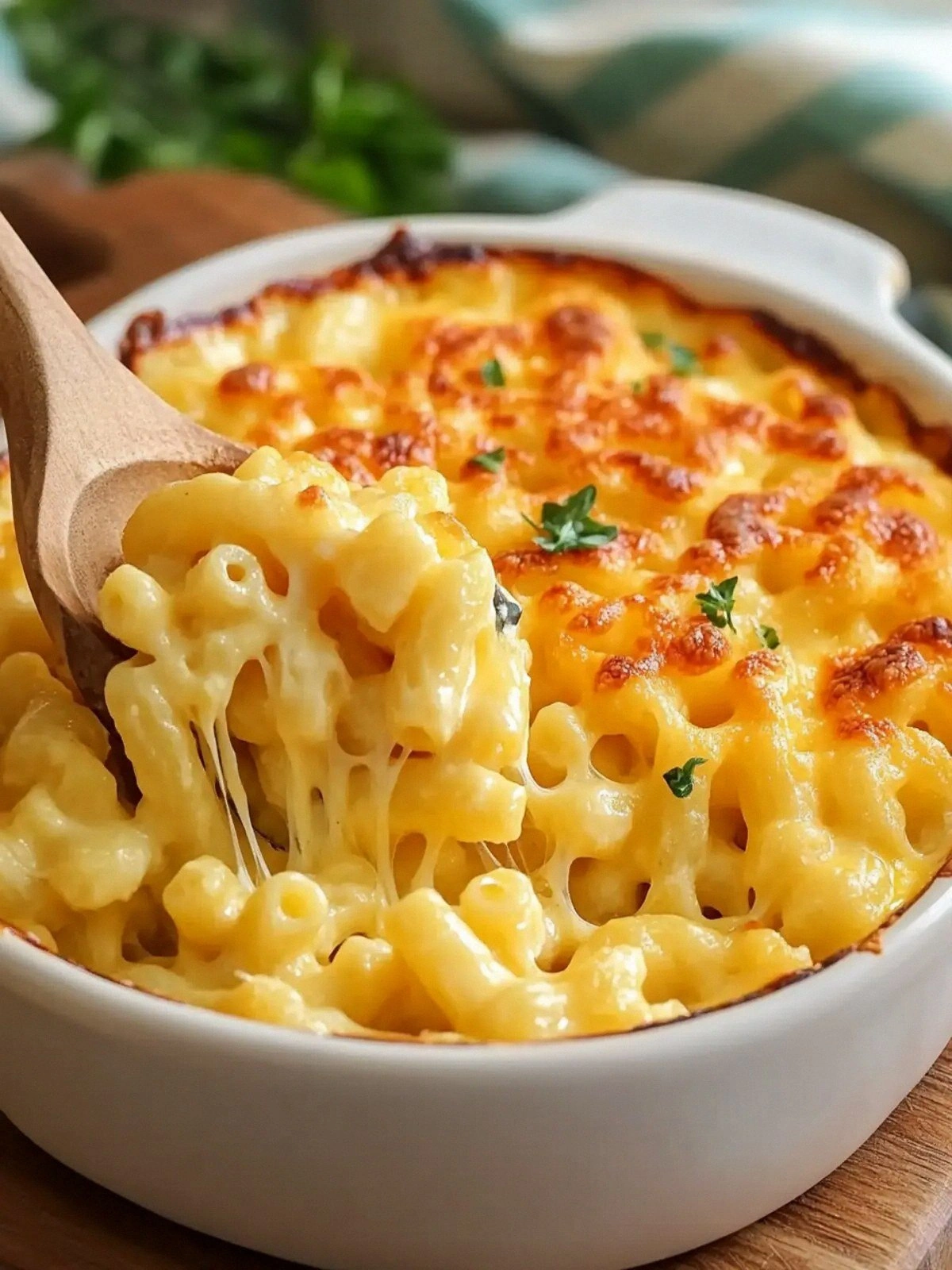
Picture yourself pulling this out of the oven, the whole kitchen smelling incredible, the steam curling like a lazy cat. The sauce, thick as velvet, coats each elbow of pasta, and the cheese, a molten river, glistens under a crisp panko crust that shatters like thin ice when you bite. I’ll be honest — I ate half the batch before anyone else got to try it. The crunch of the breadcrumbs, the sharp bite of cheddar, the subtle tang of Gruyère, all harmonize into a symphony that sings to your palate. This is hands down the best version you'll ever make at home, and I’m about to walk you through every single step — by the end, you'll wonder how you ever made it any other way.
When I first stumbled upon the idea of adding a paprika drizzle and a touch of dry mustard powder, I was skeptical. The paprika gives a smoky undertone that elevates the cheese without overpowering it, while the mustard powder adds a bright, peppery kick that keeps the dish from feeling too heavy. Most recipes get this completely wrong by using only cheddar or by overcooking the pasta, resulting in a rubbery texture. This version, however, balances the creamy and crunchy, the savory and smoky, to create a dish that feels both indulgent and sophisticated. If you've ever struggled with this, you're not alone — and I've got the fix. I’ll show you how to avoid the dreaded clumpy cheese sauce and achieve that silky, smooth consistency that makes every spoonful a delight.
And now the fun part. I’ll share a technique that involves whisking the flour into butter at a low heat, creating a roux that is the foundation of our sauce. This step, often overlooked, locks in flavor and prevents the sauce from separating. The result? A velvety, thick base that holds the cheeses together like a secret handshake. The next part? The pasta. I’ll show you how to cook it al dente so it can soak up the sauce without becoming mushy. Ready? Let’s dive into the details.
What Makes This Version Stand Out
- Texture: The combination of a buttery roux and a crunchy panko topping creates a contrast that satisfies every bite. The pasta stays firm while the sauce envelops it like a comforting hug.
- Flavor Depth: Dry mustard powder and paprika introduce layers of complexity that elevate the classic cheddar base. The result is a dish that feels gourmet, not just comfort food.
- Balance: The ratio of sharp cheddar to Gruyère ensures a rich, melt-in-your-mouth experience without a single overpowering note. The cheeses complement rather than compete.
- Visual Appeal: The golden crust and the subtle swirl of paprika on top turn a humble plate into a work of art. Your guests will be impressed before they even taste it.
- Make‑Ahead Friendly: This dish can be assembled a day in advance and baked right before serving, making it a stress‑free crowd‑pleaser for gatherings.
- Versatility: The base can be transformed with add‑ins like bacon, broccoli, or even a splash of white wine. It adapts to your pantry and your cravings.
- Ease of Use: Every step is straightforward, with no hidden tricks that trip up the uninitiated. Even novice cooks can achieve professional results.
Alright, let's break down exactly what goes into this masterpiece...
Inside the Ingredient List
The Flavor Base
Butter is the silent hero that carries the flavor through each stage of the dish. When melted and combined with flour to make a roux, it creates a golden, fragrant foundation. Skipping butter would result in a flat, uninspired sauce that lacks depth. If you’re allergic to dairy, a splash of coconut milk can mimic the richness, but the flavor profile will shift slightly.
The Texture Crew
Elbow macaroni is the perfect shape for this recipe. Its curves hold the sauce like a sponge, while the ridges keep the panko from sliding off. Choosing a high‑protein pasta will give the dish a firmer bite, which is essential when you’re layering cheese on top. If you prefer a gluten‑free version, swap for a corn‑based elbow pasta that behaves similarly.
The Unexpected Star
Paprika is the secret weapon that sets this dish apart. A light dusting before baking adds a smoky aroma and a subtle heat that wakes up the palate. It also gives the crust a beautiful, caramelized hue. If you can’t find smoked paprika, a pinch of cayenne will provide a similar kick, though the smokiness will be absent.
The Final Flourish
Panko breadcrumbs are the crunch that makes the dish memorable. Their airy texture creates a light, airy crust that contrasts with the dense, cheesy filling. Mixing them with melted butter before baking ensures they brown evenly and form a golden shell. A sprinkle of grated Parmesan on top before baking adds a savory depth that ties everything together.
Everything's prepped? Good. Let's get into the real action...
The Method — Step by Step
- Step 1: Prep the Pasta. Bring a large pot of salted water to a rolling boil. Add the elbow macaroni and cook for 7 minutes, or until just shy of al dente. Drain the pasta and set it aside, tossing it with a splash of olive oil to prevent sticking. This early step ensures the pasta stays firm and ready to absorb the sauce.
- Step 2: Make the Roux. In a separate saucepan, melt the 4 tablespoons of butter over medium heat. Sprinkle in the 1/4 cup of flour, whisking constantly for 2 minutes until the mixture turns a light golden color. This slow cooking releases the flour’s raw flavor and creates a smooth base for the cheese sauce. Watch the color shift; it should look like a toasted biscuit dough.
- Step 3: Build the Sauce. Gradually pour in the 2 cups of whole milk while whisking vigorously to avoid lumps. Let the mixture simmer for 4 minutes until it thickens into a silky custard. Add 1 teaspoon each of salt, dry mustard powder, and garlic powder, stirring until fully incorporated. The sauce should feel thick enough to coat the back of a spoon.
- Step 4: Melt the Cheeses. Lower the heat to low and add the 2 cups of sharp cheddar and 1 cup of Gruyère or mozzarella, one handful at a time. Stir gently after each addition until the cheeses melt smoothly. The combination of cheeses creates a layered flavor profile that feels both familiar and adventurous.
- Step 5: Combine Pasta and Sauce. Return the drained pasta to the saucepan with the cheese sauce. Toss gently until every noodle is coated. If the sauce feels too thick, add a splash of milk to reach a creamy consistency. This step is critical; the pasta should be coated but not drowned.
- Step 6: Transfer to Baking Dish. Spread the mac and cheese evenly in a 9×13-inch baking dish. Sprinkle the 1 cup of panko breadcrumbs over the top, then drizzle the 2 tablespoons of melted butter. Finish with a light dusting of 1 teaspoon of paprika. The butter will help the breadcrumbs crisp up into a golden crust.
- Step 7: Bake to Perfection. Preheat the oven to 375°F (190°C). Bake the dish for 25 minutes, or until the top is golden brown and the edges begin to pull away. The aroma should be irresistible, a blend of butter, cheese, and toasted breadcrumbs. Watch out: if you bake too long, the crust can become overly hard, so keep a close eye on the color.
- Step 8: Rest and Serve. Remove the dish from the oven and let it rest for 10 minutes before serving. This rest period allows the sauce to set, making it easier to scoop and less likely to slide off the spoon. Serve with a side of steamed broccoli or a crisp salad for balance.
That's it — you did it. But hold on, I've got a few more tricks that'll take this to another level. The next section will give you insider knowledge that turns an already great dish into a showstopper.
Insider Tricks for Flawless Results
The Temperature Rule Nobody Follows
Many cooks over‑cook the cheese sauce, resulting in a rubbery texture. Keep the heat low once the cheese has been added, and stir constantly. This gentle approach prevents the proteins from tightening up, preserving that silky mouthfeel that makes every bite memorable. I once had a batch that turned into a gooey mess because the sauce had boiled for too long; the lesson was clear: low and slow wins the race.
Why Your Nose Knows Best
Trust your nose when the sauce starts to develop a nutty, toasted aroma. That scent indicates the roux is ready, and the milk is thickening correctly. If the sauce smells raw or overly buttery, it’s a sign that you’re still cooking it too fast. This olfactory checkpoint saves you from a disastrous batch and ensures that each spoonful is perfectly balanced.
The 5-Minute Rest That Changes Everything
Letting the baked mac and cheese sit for five minutes before cutting into it is more than a courtesy. The rest period allows the cheese to set, creating a firm yet creamy texture that holds together when scooped. Cutting right away can cause the sauce to spill, making a mess on your plate. I’ve seen this happen on live cooking shows, and the result is always a sad, soggy mess.
Use a Baking Dish with a Lined Edge
A dish with a slightly raised edge prevents the sauce from spilling over the sides during baking. It also helps the breadcrumbs to crisp evenly across the surface. If you’re using a shallow pan, consider lining it with parchment paper to keep the bottom from sticking and to make cleanup a breeze.
Add a Splash of White Wine
A tablespoon of dry white wine added to the milk before it thickens adds a subtle acidity that brightens the entire dish. The wine evaporates during baking, leaving behind a complex flavor profile that pairs well with the sharp cheddar. If you’re avoiding alcohol, a splash of apple cider vinegar works as a substitute, but keep it minimal to avoid overpowering the cheese.
Creative Twists and Variations
This recipe is a playground. Here are some of my favorite ways to switch things up:
Bacon & Broccoli Bash
Sauté diced bacon until crisp, then add blanched broccoli florets to the sauce before baking. The salty crunch of bacon and the fresh green of broccoli bring a hearty, savory dimension that’s perfect for a family dinner.
Spicy Jalapeño Kick
Dice half a jalapeño (seeded for milder heat) and fold it into the pasta before baking. The heat pairs nicely with the smoky paprika, creating a dish that’s both comforting and fiery.
Mediterranean Twist
Add chopped sun‑dried tomatoes and a handful of black olives to the sauce. Finish with a drizzle of olive oil and a sprinkle of oregano. This version delivers a briny, tangy flavor profile that feels like a vacation in every bite.
Vegan Version
Replace butter with a plant‑based alternative, use a dairy‑free cheese blend, and substitute whole milk with oat milk. The result is a creamy, comforting dish that’s entirely cruelty‑free, while still delivering that indulgent texture.
Breakfast Mac & Cheese
Stir in scrambled eggs and a handful of diced ham into the sauce before baking. Serve hot for a protein‑packed breakfast that feels like a late‑night snack.
Chocolate Chili Mac
Add a tablespoon of cocoa powder and a pinch of cayenne pepper to the sauce for a surprising chocolate‑chili combo. The chocolate balances the heat, creating a dessert‑meets‑savory dish that will delight adventurous diners.
Storing and Bringing It Back to Life
Fridge Storage
Cool the dish completely before covering it tightly with plastic wrap. Store it in the refrigerator for up to 3 days. When you’re ready to eat, reheat in a preheated oven at 350°F (175°C) for 15 minutes, or until heated through.
Freezer Friendly
Pack the cooled dish in a freezer‑safe container, leaving a little headspace. Freeze for up to 2 months. Thaw overnight in the refrigerator, then reheat as described above, adding a splash of milk to restore creaminess.
Best Reheating Method
Reheat gently on the stovetop over low heat, stirring frequently. Add a tiny splash of water or milk before reheating to create steam that helps the sauce return to its original silky texture. Finish with a quick bake at 375°F for 5 minutes to revive the crispy crust.