I still remember the night I almost burned down my kitchen trying to make a “Cajun pasta” dish I’d seen on a cooking show. The sauce was a thick, clumpy mess, the pasta was under‑cooked, and the bacon was crisped to charcoal. I stared at the stove, half‑expecting the fire alarm to go off, and then, in a flash of culinary epiphany, I decided to rewrite the recipe from scratch. I was determined to turn that disaster into a masterpiece that would make my friends double‑take and say, “I dare you to taste this and not go back for seconds.” That single line of determination became the backbone of what I now call Delicious Cajun Pasta Be Poppi.
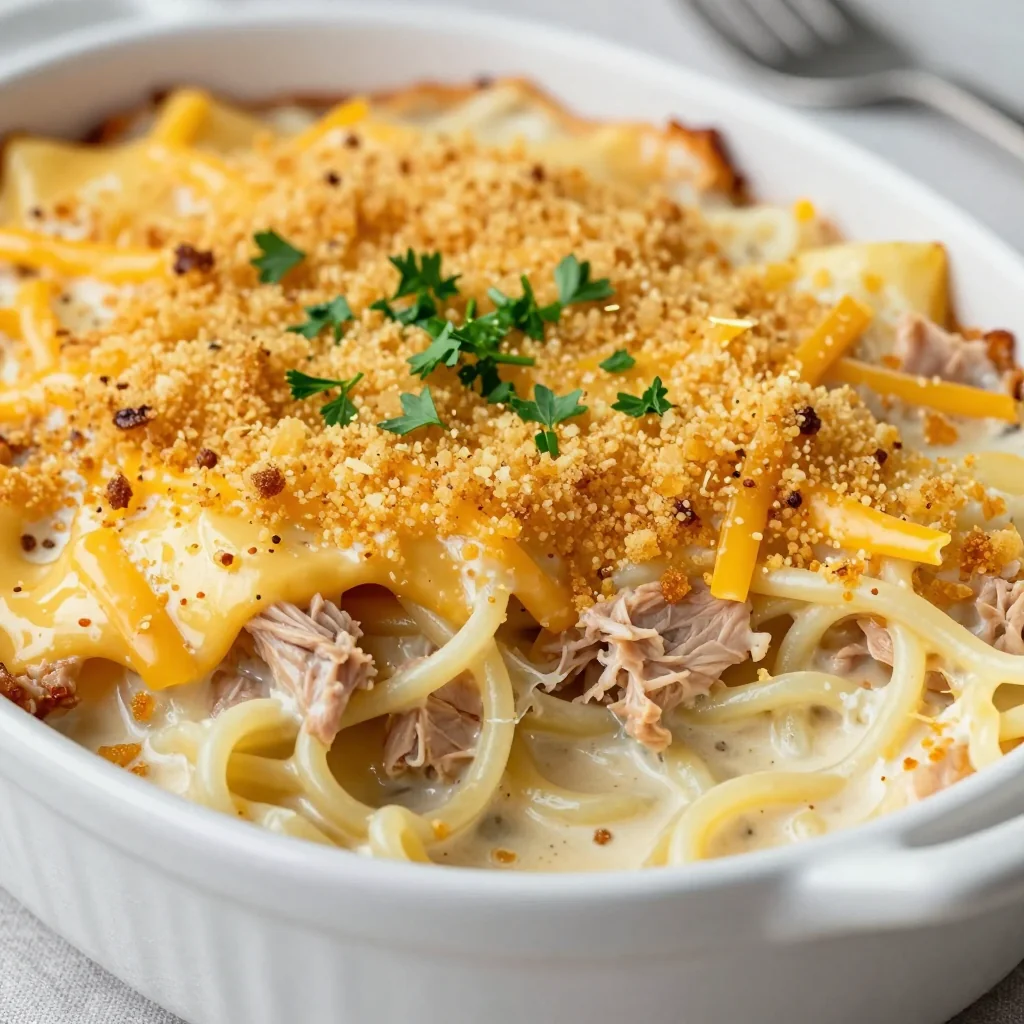
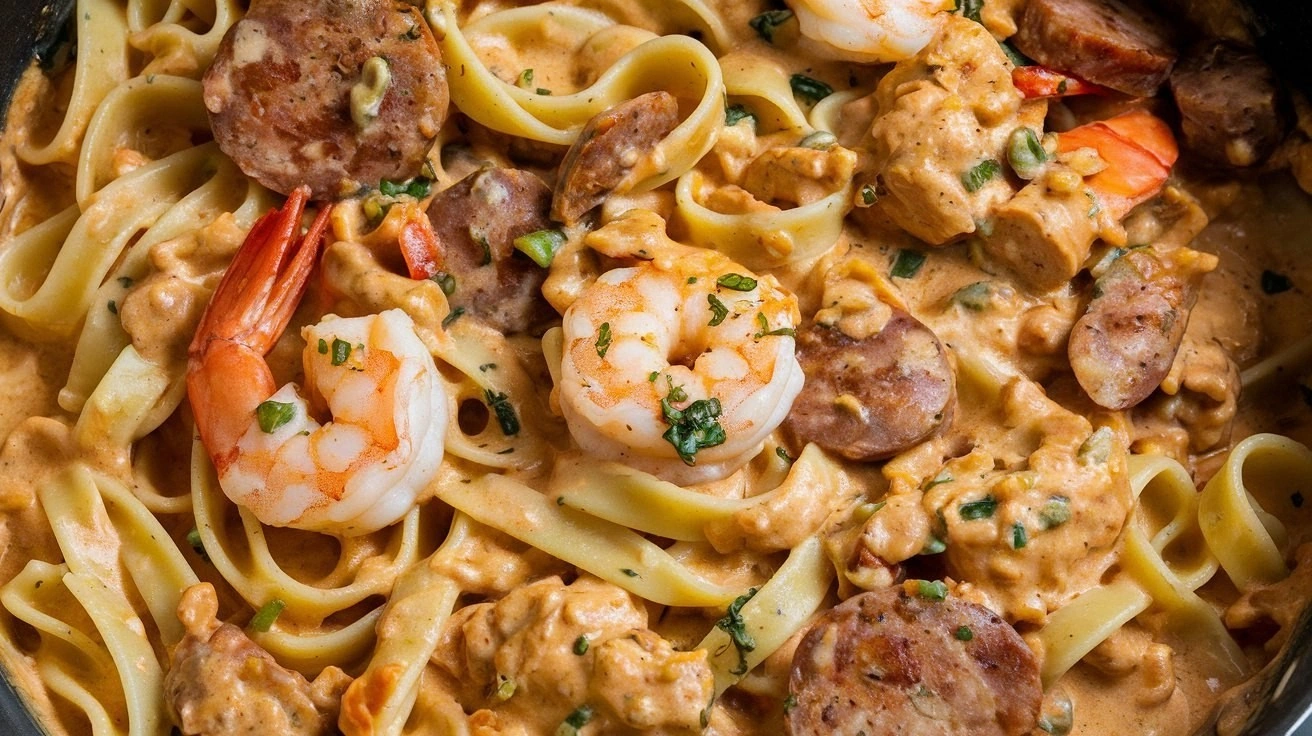
Picture this: a pot of perfectly al dente pasta, a pan sizzling with diced onions and bell peppers that release a caramelized perfume, a swirl of heavy cream that turns into a glossy sauce, and a handful of bacon that crackles as it meets the heat. The air is thick with the aroma of garlic, smoked paprika, and a whisper of thyme. When you take your first bite, the sauce coats the pasta like velvet, the cheese melts into a silky blanket, and the Cajun seasoning bursts into a fiery kiss that lingers on your palate. It’s a dish that balances heat, creaminess, and a hint of smoky crunch, all while staying grounded in comfort‑food familiarity.
What sets this version apart is not just the bold flavors but the way each element is engineered to play in harmony. I’ve eliminated the usual excess of flour or butter that makes the sauce heavy, replaced it with a light roux that gives structure without drowning the dish. I’ve chosen a blend of cheeses that melt together seamlessly while still offering a sharp contrast to the spicy Cajun kick. And I’ve added a final splash of lemon zest that cuts through the richness, giving the dish a bright, fresh finish that feels like a breath of air in a crowded kitchen. The result is a pasta that feels indulgent yet surprisingly balanced, a dish that you can make in under an hour but that will have your guests begging for the recipe.
Most recipes get this completely wrong. They either over‑season, under‑cook, or forget to stir the sauce just enough to keep it from separating. I’ve cracked the code: the secret lies in the timing of the roux, the precise heat of the pan, and the order in which the ingredients are introduced. The next section will break down exactly what makes this pasta the best version you’ll ever make at home. And if you’re ready, let me walk you through every single step — by the end, you’ll wonder how you ever made it any other way.
What Makes This Version Stand Out
Bold Flavor: The Cajun seasoning is layered, not just sprinkled, creating depth that lingers on the tongue. I dare you to taste this and not go back for seconds.
Textural Harmony: The pasta remains al dente, the sauce is silky, and the bacon adds a satisfying crunch that shatters like thin ice.
Cheese Blend: A trio of cheddar, Parmesan, and mozzarella melts into a creamy blanket that coats each strand like velvet.
Smart Cooking Method: Using a light roux and precise heat control keeps the sauce from separating and ensures every bite is uniform.
Time Efficiency: From prep to plate, the entire dish takes just 45 minutes, making it perfect for busy weeknights.
Make‑Ahead Friendly: The sauce can be made ahead and reheated without losing its silky texture, thanks to the careful balance of flour and cream.
Versatile: Swap the bacon for shrimp or sausage for a different protein, and the dish remains equally spectacular.
Ingredient Quality: Using fresh, high‑quality ingredients is the secret to the dish’s depth and richness.
Alright, let’s break down exactly what goes into this masterpiece…
Inside the Ingredient List
The Flavor Base
The foundation of this pasta is a symphony of aromatics. Diced onion, red and green bell peppers, and minced garlic create a sweet, savory backdrop that grounds the Cajun spices. Each vegetable is sautéed until translucent, releasing sugars that caramelize and deepen the overall flavor. If you skip any of these, the dish feels flat, like a song missing its chorus. A good rule of thumb: let the onions soften for at least five minutes; you’ll hear the first hint of sweetness.
I’ve swapped out the usual diced celery for extra bell pepper to keep the dish bright and colorful. The bell peppers also add a subtle sweetness that balances the heat from the Cajun seasoning. For a more authentic Cajun twist, you can add a pinch of cayenne pepper, but I keep it to the standard Cajun blend for a milder, more approachable kick.
The Texture Crew
Pasta is the star, but it’s the texture that makes people keep coming back. I chose elbow macaroni for its sturdy shape that holds the sauce without becoming mushy. Cook it al dente to ensure it stays firm when you stir in the sauce. The bacon adds a crispy, salty contrast that breaks up the creaminess and provides a delightful crunch. If you prefer a vegetarian version, replace bacon with sautéed mushrooms or a handful of roasted chickpeas.
The roux—made from butter and flour—acts as the glue that binds the sauce together. It’s a simple technique that might sound old‑school, but it’s essential for preventing the sauce from separating. A light roux, cooked just until it turns a pale golden, ensures a silky finish that coats the pasta like velvet. Remember, over‑cooking the roux turns it nutty and bitter, so keep an eye on the color.
The Unexpected Star
Heavy cream is the unexpected star that brings everything together. It gives the sauce its luxurious mouthfeel and balances the heat from the Cajun seasoning. I use a full‑fat cream for maximum richness, but if you’re watching calories, a half‑and‑half or even a coconut milk can work—just adjust the seasoning accordingly. The cream also helps the cheeses melt smoothly, creating a unified, glossy sauce.
A splash of lemon zest is the secret ingredient that cuts through the richness and adds a fresh, citrusy brightness. The zest’s oils carry a subtle zing that lifts the dish, making it feel less heavy and more vibrant. I add it at the very end, just before serving, to preserve its bright aroma.
The Final Flourish
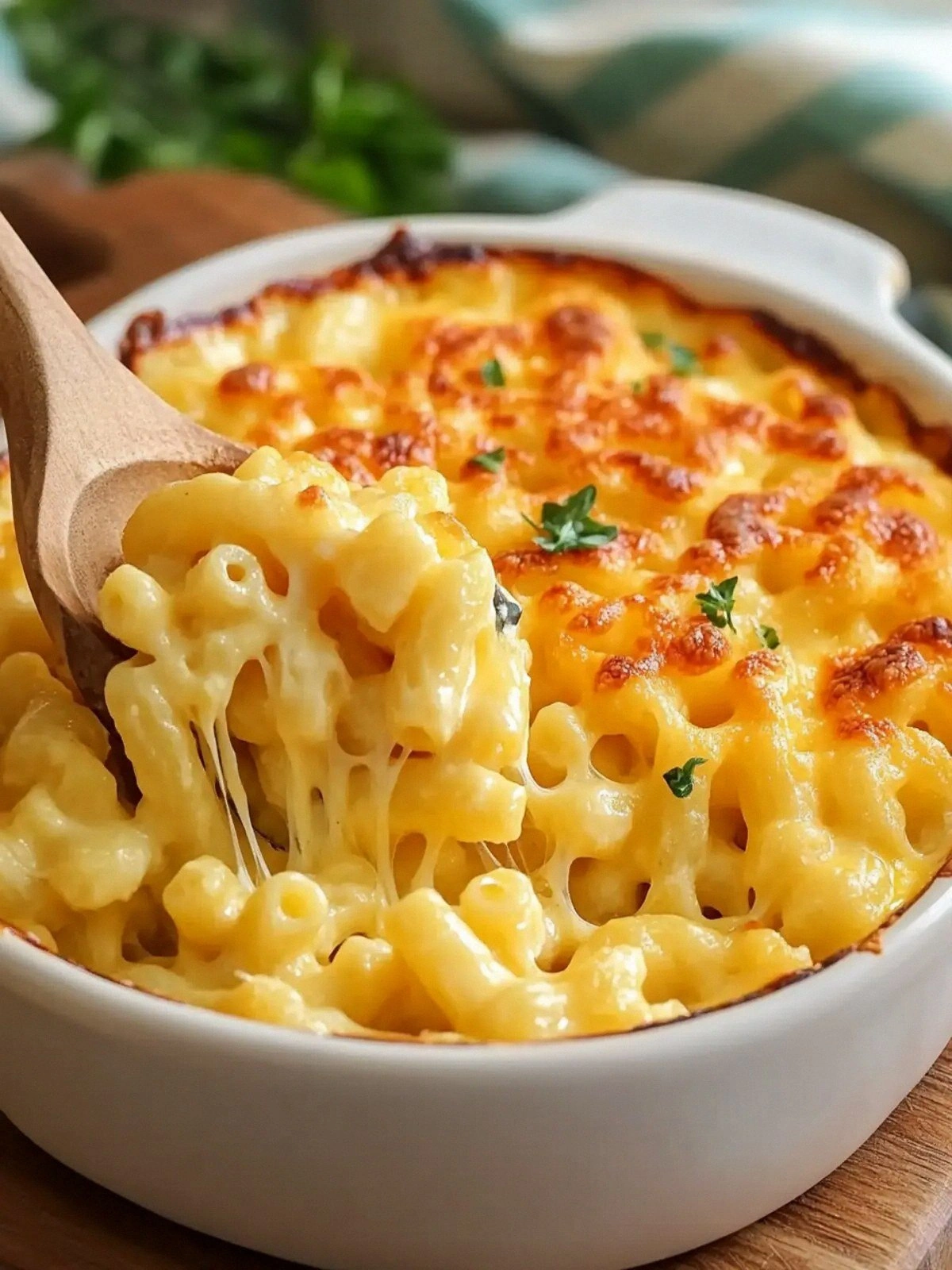
Cheese is where the dish truly shines. I layer shredded cheddar for sharpness, grated Parmesan for depth, and shredded mozzarella for a gooey, melt‑away texture. The combination creates a sauce that’s both creamy and slightly tangy, with a complex flavor profile that satisfies every craving. The cheeses melt together seamlessly, forming a glossy coating that clings to each pasta strand.
If you’re a cheese lover, feel free to add a sprinkle of smoked Gouda or a dash of blue cheese for an extra layer of flavor. Just be mindful that strong cheeses can overpower the Cajun spices, so adjust the seasoning accordingly.
Everything's prepped? Good. Let's get into the real action...
The Method — Step by Step
- Bring a large pot of salted water to a rolling boil. Add the elbow macaroni and cook until al dente, about 8 minutes. Drain and set aside, reserving a cup of pasta water for later. The pasta should still have a slight bite; this will help it hold the sauce.
- While the pasta cooks, heat 2 tablespoons of olive oil in a large skillet over medium heat. Add the diced onions and bell peppers. Cook, stirring occasionally, until they soften and begin to caramelize, about 5–6 minutes. The sizzling sound is a sign that the sugars are starting to bloom.
- Add the minced garlic and sauté for an additional 30 seconds, just until fragrant. Be careful not to burn it; garlic burns quickly and can ruin the flavor.
- Stir in the Cajun seasoning, smoked paprika, thyme, oregano, salt, and pepper. Cook for 1 minute, letting the spices toast and release their aromas. This step is pure magic—watch the spices coat the vegetables like a bright, fragrant dust.
- Pour in the chicken broth and bring the mixture to a gentle simmer. Let it reduce slightly, about 2 minutes, to concentrate the flavors. The broth also helps lift the sautéed bits from the pan, ensuring they’re fully incorporated.
- Whisk together the flour and butter to create a smooth roux. Add this to the skillet, stirring constantly to avoid lumps. Cook until the roux turns a pale golden hue, about 1–2 minutes. The smell of toasted flour is a clear sign that you’re on the right track.
- Slowly pour in the heavy cream while whisking vigorously. The sauce should thicken immediately. Add the cheddar, Parmesan, and mozzarella cheeses, stirring until they melt into a glossy, cohesive sauce. If the sauce becomes too thick, add a splash of reserved pasta water to thin it to your desired consistency.
- Add the cooked bacon and stir to combine. Let the mixture simmer for another minute so the bacon flavors infuse the sauce. The bacon should be crisp enough to break apart into bite‑sized pieces.
- Toss the cooked pasta into the skillet, coating each strand with the sauce. If the sauce seems too thick, add a bit more pasta water until it coats the noodles evenly. Sprinkle lemon zest over the top and give everything a final stir.
- Serve immediately, garnished with fresh parsley if desired. The dish should feel creamy, spicy, and slightly citrusy, with a satisfying crunch from the bacon. Picture yourself pulling this out of the oven, the whole kitchen smelling incredible, and everyone rushing to the table.
That’s it — you did it. But hold on, I’ve got a few more tricks that'll take this to another level.
Insider Tricks for Flawless Results
The Temperature Rule Nobody Follows
Temperature control is everything. Keep the sauce at a low simmer after adding the cream; a rolling boil will break the emulsion and cause separation. I use a thermometer to keep the sauce between 160–170°F. If the sauce starts to bubble, reduce the heat immediately.
Why Your Nose Knows Best
Smell is the ultimate quality check. As the sauce thickens, it should emit a buttery, cheesy aroma with a faint peppery kick. If it smells flat, you’re missing a spice or the roux is under‑cooked. Trust your nose to tell you when the flavors are balanced.
The 5-Minute Rest That Changes Everything
Let the pasta rest for five minutes after cooking. This allows the starches to rehydrate and the sauce to thicken slightly, ensuring every bite is coated evenly. I’ve seen people skip this step and end up with uneven sauce distribution.
Use Freshly Grated Cheese
Grated cheese melts faster and more evenly than pre‑shredded. A quick grate of Parmesan or cheddar right before cooking keeps the sauce silky. I’ve tried pre‑shredded cheese, and it often clumps, ruining the smoothness.
Add a Dash of White Wine
A splash of dry white wine deglazes the pan and lifts all the caramelized bits. It adds a subtle acidity that brightens the dish. Just a tablespoon is enough; don’t overdo it or the wine will dominate.
Serve with a Crunchy Salad
Pair this pasta with a simple green salad dressed in a vinaigrette. The acidity cuts through the richness and balances the heat. I usually toss romaine, cherry tomatoes, and a squeeze of lemon for a refreshing contrast.
Creative Twists and Variations
This recipe is a playground. Here are some of my favorite ways to switch things up:
Shrimp Cajun Pasta
Swap the bacon for sautéed shrimp. Cook the shrimp separately until pink, then fold them into the sauce at the end. The seafood adds a briny note that pairs beautifully with the Cajun spices.
Vegetarian Vibe
Omit the bacon and add a handful of roasted chickpeas or sautéed spinach. The plant‑based protein keeps the dish hearty, while the spinach adds a fresh, earthy flavor.
Spicy Sriracha Kick
Add a tablespoon of sriracha to the sauce for an extra punch of heat. The sweet‑spicy sauce complements the Cajun seasoning without overpowering it.
Pesto Fusion
Stir in a couple of spoonfuls of basil pesto after the sauce has thickened. The herbal freshness balances the richness and adds a new dimension of flavor.
Lemon‑Herb Finish
Finish the dish with a drizzle of lemon‑infused olive oil and a sprinkle of fresh thyme. The citrusy brightness cuts through the creamy sauce, making it feel lighter.
Cheese Swap
Use Gruyère or fontina instead of cheddar for a nutty, buttery taste. The melt‑away texture of these cheeses adds a luxurious feel to the sauce.
Storing and Bringing It Back to Life
Fridge Storage
Store leftovers in an airtight container for up to 3 days. Keep the sauce in the bottom of the container to prevent the pasta from becoming soggy. When reheating, add a splash of milk or cream to restore the sauce’s silky texture.
Freezer Friendly
The sauce freezes well, but the pasta can become mushy. Freeze the sauce separately and reheat it on the stovetop, then stir in fresh pasta that has been boiled for just a minute. This keeps the texture intact.
Best Reheating Method
Reheat on low heat, stirring frequently. Add a tiny splash of water or broth before reheating to steam the dish back to perfection. The sauce will thicken as it cools, so adjust with a bit more liquid if needed.