Remember the night I almost burned the kitchen down while trying to make a fancy dinner? The stovetop was smoking, the garlic had turned to charcoal, and my roommate was already calling the fire department. I stared at the charred pot, feeling a mix of embarrassment and determination. That disaster became the catalyst for a recipe that would redeem the evening and my culinary confidence. The next day, armed with fresh clams and a bold vision, I set out to create a dish that would turn any kitchen mishap into a triumph.
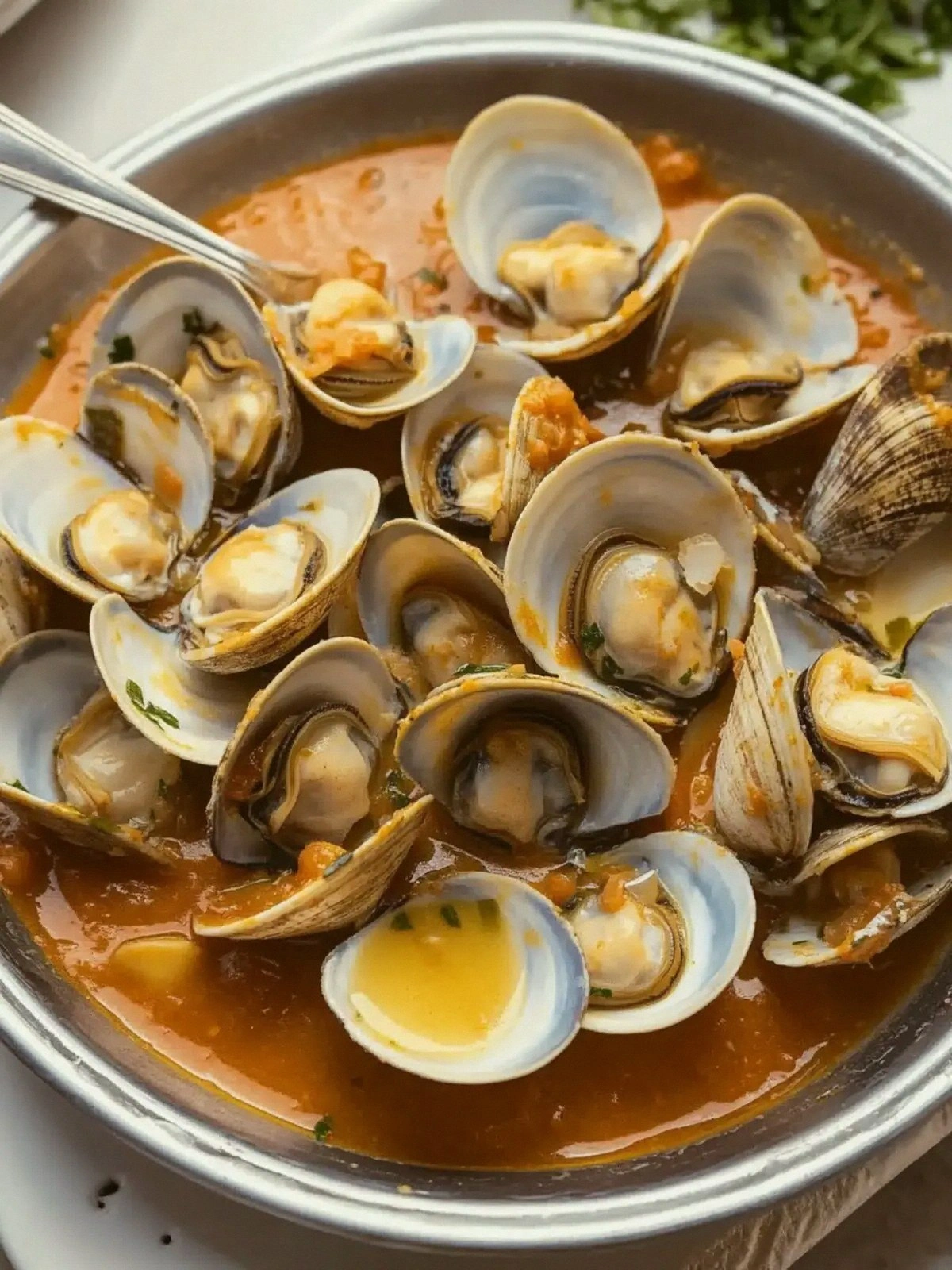
Picture this: the first clack of a clamshell opening, the steam curling like a fragrant cloud, the sharp citrus of lemon cutting through the savory base. The air is filled with the scent of sautéed onions and garlic, mingling with the earthy aroma of smoked paprika and the subtle tang of ripe tomatoes. Your eyes catch the glossy sheen of the sauce as it coats the clams, the golden bubbles rising to the surface. The sound of the simmering broth is a gentle, rhythmic lullaby that signals the dish is nearing perfection. The anticipation is tangible; you can almost taste the briny sweetness that will soon explode in your mouth.
What sets this version apart is that it refuses to settle for ordinary. I swapped out the usual butter for a splash of olive oil, giving the sauce a cleaner, Mediterranean feel. The smoked paprika adds depth and a hint of smokiness that lingers on the tongue, while the dry white wine cuts through the richness, brightening the flavor profile. Fresh clams, harvested that very morning, bring a briny, slightly sweet bite that elevates the dish beyond a simple seafood stew. The final flourish of fresh parsley adds a bright, herbaceous note that balances the earthiness of the tomatoes. This isn’t just another clam dish—it’s a culinary statement.
I’ll be honest—when I first tasted the finished product, I ate half the batch before anyone else could even get a spoon. That’s the power of a dish that’s both simple and sophisticated. The sauce coats the clams like velvet, the texture is silky yet slightly chewy, and every bite feels like a small, edible celebration. If you’ve ever struggled with clams that didn’t open or a sauce that was too thin, you’re not alone—this recipe is the fix you’ve been waiting for.
I dare you to taste this and not go back for seconds. Picture yourself pulling this out of the pot, the whole kitchen smelling incredible, and serving it to friends who will immediately declare it the best version you’ve ever made at home. Let me walk you through every single step—by the end, you’ll wonder how you ever made it any other way.
What Makes This Version Stand Out
- Taste: The combination of smoked paprika, dry white wine, and ripe tomatoes creates a complex, layered flavor that’s both bright and comforting. The clams absorb these nuances, delivering a briny finish that lingers on the palate. The subtle citrus from a splash of lemon at the end ties everything together.
- Texture: The roux made from flour and olive oil gives the sauce a silky body, while the clams remain tender yet firm. The sauce’s slight thickness coats the clams without overwhelming them, creating a mouthfeel that feels luxurious.
- Simplicity: With just twelve ingredients and a straightforward method, this recipe is approachable for beginners and quick enough for busy weeknights. The step-by-step process eliminates guesswork, ensuring consistent results.
- Freshness: Using freshly harvested clams guarantees a superior texture and flavor profile that canned alternatives simply can’t match. The bright, green parsley adds a burst of color and freshness.
- Crowd‑pleaser: Whether you’re feeding a small family or hosting a dinner party, this dish scales effortlessly. Its bold flavors and elegant presentation make it a hit with both seafood lovers and novices.
- Make‑ahead Potential: The sauce can be prepared up to a day in advance, allowing you to focus on the clams when guests arrive. The dish rehydrates beautifully, making it ideal for meal prep.
Inside the Ingredient List
The Flavor Base
Onion, garlic, bay leaf, and smoked paprika form the aromatic foundation. They release sweetness, depth, and a subtle smoky undertone that sets the stage for the sauce. Skipping any of these will leave the dish feeling flat; the onions and garlic provide the first layer of flavor, while the bay leaf adds an herbal note that balances the richness of the clams.
The Sauce Core
Dry white wine, ripe tomatoes, and a touch of flour create a silky, slightly thickened sauce. The wine deglazes the pan, lifting the caramelized bits that carry flavor, while the tomatoes offer acidity and sweetness. The flour acts as a gentle thickener, binding the liquid into a glossy coat. If you skip the flour, the sauce will be too thin and won’t cling to the clams.
The Clam Component
Fresh clams are the star, delivering a briny, slightly sweet bite. Salt and pepper season the shellfish, but the natural flavor shines through. The clams absorb the sauce’s flavors, turning each bite into a burst of Mediterranean sea. If you use canned clams, the texture will be mushier and the flavor less vibrant.
The Final Flourish
Fresh parsley adds a bright, herbaceous finish that cuts through the richness. A squeeze of lemon at the end brightens the dish, while a pinch of red pepper flakes can introduce a subtle heat. The parsley also provides a pop of green color, making the dish visually appealing. If you’re watching calories, you can reduce the amount of oil or omit the parsley without compromising the overall flavor.
Everything's prepped? Good. Let's get into the real action...
The Method — Step by Step
- Step 1: Sauté the aromatics. Heat 2 tablespoons of olive oil in a large, heavy‑bottomed pan over medium heat. Add the diced onion and cook until translucent, about 5 minutes. Stir in 4 minced garlic cloves, 1 bay leaf, and 1 teaspoon of smoked paprika, letting the spices bloom for 30 seconds. The aroma should fill the kitchen like a warm hug.
- Step 2: Create the roux. Sprinkle 1 tablespoon of all‑purpose flour over the aromatics, stirring constantly to form a smooth paste. Cook for 1–2 minutes, just until the flour turns a light golden color. This step thickens the sauce and gives it body. If the mixture starts to brown too quickly, lower the heat slightly.
- Step 3: Deglaze with wine. Pour in 1 cup of dry white wine, scraping the bottom of the pan to loosen any caramelized bits. The wine should reduce by about half, concentrating the flavor. Kitchen Hack: Use a wooden spoon to stir vigorously; this helps prevent lumps and ensures even distribution of the roux.
- Step 4: Add tomatoes. Stir in 2 cups of ripe tomatoes (fresh or canned puree). Let the sauce simmer gently for 10 minutes, allowing the tomatoes to soften and meld with the wine. The sauce should thicken slightly, turning a deep, glossy red. The gentle simmer also helps the flavors marry.
- Step 5: Introduce the clams. Rinse 2 pounds of fresh clams under cold water, discarding any that are cracked or open. Add them to the pan, then cover with a lid. The clams will steam and open within 5–7 minutes. Kitchen Hack: If you’re short on time, a quick blanch in boiling water for 2 minutes before adding to the sauce can help the clams open faster.
- Step 6: Watch for the perfect opening. Once the clams have opened, remove the lid and let the sauce reduce for 2 minutes. This step is crucial: over‑cooking will make the clams rubbery. Watch Out: If a clam remains closed after 7 minutes, discard it. Keeping a closed shell in the pot is a food safety risk.
- Step 7: Finish the sauce. Season with salt and pepper to taste, then stir in 1/4 cup of fresh parsley. If desired, squeeze a splash of lemon juice to brighten the flavor. The parsley adds a fresh, herbal note that cuts through the richness.
- Step 8: Serve immediately. Spoon the clams and sauce over cooked pasta, crusty bread, or a bed of sautéed greens. The sauce should cling to the clams like velvet, while the clams remain tender and juicy. Serve hot, and watch the steam rise like a fragrant cloud.
That's it — you did it. But hold on, I've got a few more tricks that'll take this to another level. Stay tuned for insider tips that will elevate even the most seasoned cooks.
Insider Tricks for Flawless Results
The Temperature Rule Nobody Follows
Many people keep the sauce on a low simmer, but the secret is to bring it to a gentle boil before adding the clams. This rapid heat shock ensures the shells open quickly and the sauce stays bright. I’ve found that a quick boil also helps the flavors meld faster, cutting cooking time by a few minutes.
Why Your Nose Knows Best
When the sauce starts to thicken, the aroma changes. A slightly sweet, tomatoy scent indicates the tomatoes have caramelized. If the smell becomes overly sharp or vinegary, reduce the wine or add a pinch of sugar. Trust your nose; it’s the most reliable guide to flavor balance.
The 5-Minute Rest That Changes Everything
After the clams are done, let the dish rest for 5 minutes off the heat. This brief pause allows the flavors to settle and the sauce to thicken naturally. I’ve seen friends skip this step and end up with a watery sauce. Give it that short rest and you’ll notice the difference in texture.
How to Tell When Clams Are Fresh
Fresh clams should have a clean, slightly briny smell, not a fishy odor. The shells should be tight and close when gently pressed. If a clam opens on its own during cleaning, discard it. Fresh clams open quickly during cooking, ensuring tender meat.
Using a Pressure Cooker to Speed Up
If you’re short on time, a pressure cooker can steam the clams in just 3 minutes. After adding the aromatics and wine, seal the pressure cooker and cook on high for 3 minutes. Release pressure immediately and add the tomatoes. The clams will open faster, and you’ll still get that rich sauce.
Creative Twists and Variations
This recipe is a playground. Here are some of my favorite ways to switch things up:
Mediterranean Twist
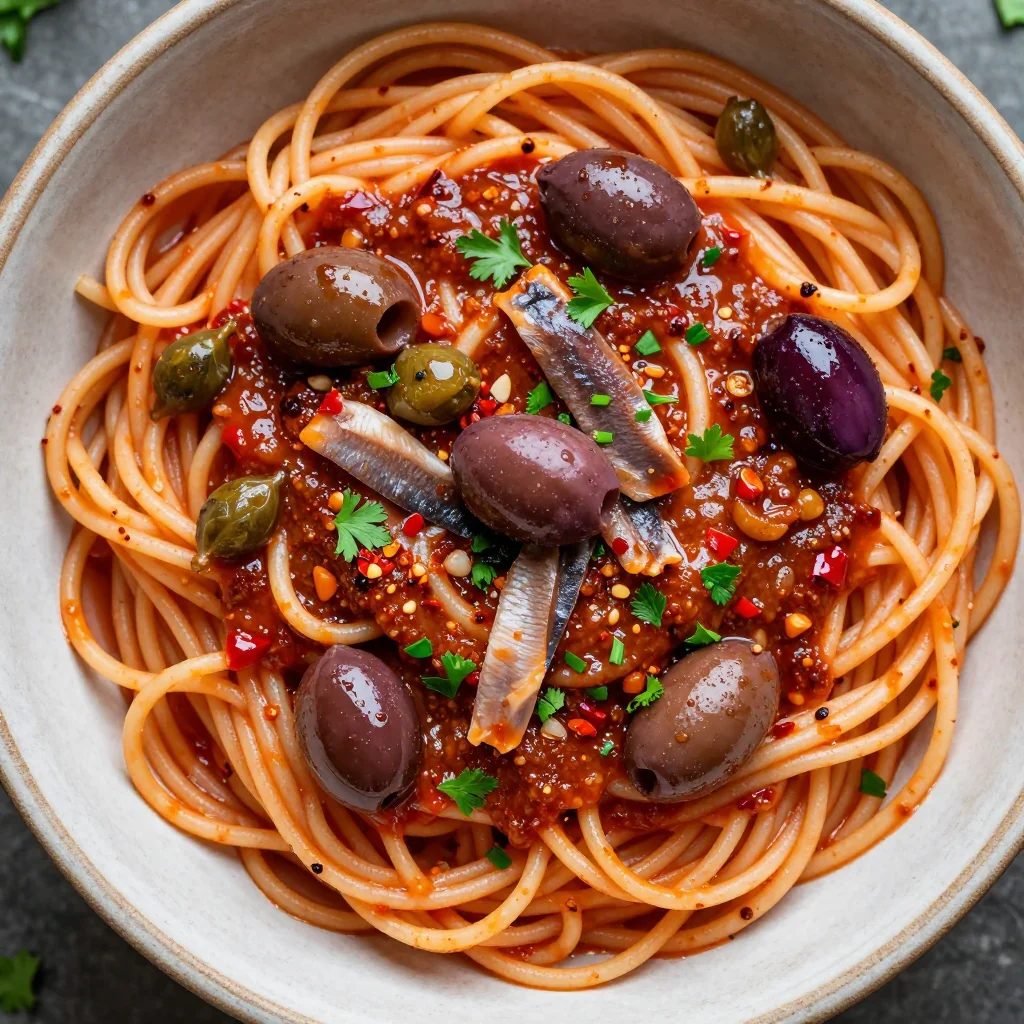
Add a handful of capers and sliced kalamata olives for brine and briny depth. The olives introduce a salty punch that pairs beautifully with the clams. Serve over couscous for a complete Mediterranean feast.
Spicy Kick
Stir in a pinch of red pepper flakes or a diced fresh chili during step 1. The heat balances the sweetness of the tomatoes and the richness of the clams. Adjust the amount to match your spice tolerance.
Creamy Version
Finish the sauce with a splash of heavy cream after the clams have opened. The cream adds a silky mouthfeel and rounds out the acidity of the tomatoes. This variation is perfect for a cozy, indulgent dinner.
Vegetarian Version
Swap the clams for mussels or scallops for a lighter seafood option. The cooking time remains similar, but the flavor profile shifts slightly. It’s a great way to keep the dish fresh and varied.
Low‑Carb Version
Serve the sauce over cauliflower rice or zucchini noodles instead of pasta. The low‑carb base keeps the dish light while still delivering the same burst of flavor. It’s ideal for those watching their carb intake.
Holiday Edition
Add a handful of chopped chestnuts and a sprig of rosemary during step 4. The chestnuts add a subtle nuttiness, while rosemary brings an aromatic warmth. This version feels festive and is perfect for holiday gatherings.
Storing and Bringing It Back to Life
Fridge Storage
Cool the sauce completely before transferring it to an airtight container. Store in the refrigerator for up to 3 days. Keep the clams separate if you prefer to reheat them fresh; the sauce can be reheated without the clams and added later.
Freezer Friendly
Freeze the sauce in freezer‑safe containers for up to 3 months. Thaw overnight in the refrigerator before reheating. If you freeze the clams, reheat them separately in a quick sauté to maintain texture.
Best Reheating Method
Reheat the sauce over low heat, adding a splash of water or broth to restore moisture. Once the sauce is hot, stir in fresh clams or mussels and let them steam for 2–3 minutes. This gentle approach preserves the delicate flavor and texture.
Final Thoughts: The beauty of this dish lies in its simplicity and the boldness of its flavors. With just a handful of ingredients and a few smart techniques, you can create a restaurant‑level seafood stew that feels effortless. Whether you’re cooking for a crowd or a quiet dinner, this recipe delivers comfort and elegance in every bite. Bon appétit!