I was standing in my kitchen, staring at a pile of overcooked rice and a half‑eaten mango, when my friend dared me to turn that chaos into something that would make even the most cynical foodie swoon. The moment the mango sliced cleanly, its sweet aroma mingled with the faint scent of toasted sesame oil, and I knew I was onto a flavor bomb. I’ve tried countless fried rice recipes, but none have managed to marry the tropical zing of mango with the savory depth of tamari and the crunch of chickpeas like this one does. The secret? A splash of rice vinegar that brightens the dish, a dash of lime that cuts through the sweetness, and a handful of green onion that adds a fresh, almost herbal note. If you’re ready to rewrite your fried rice story, buckle up; this is going to be a delicious, unforgettable ride.
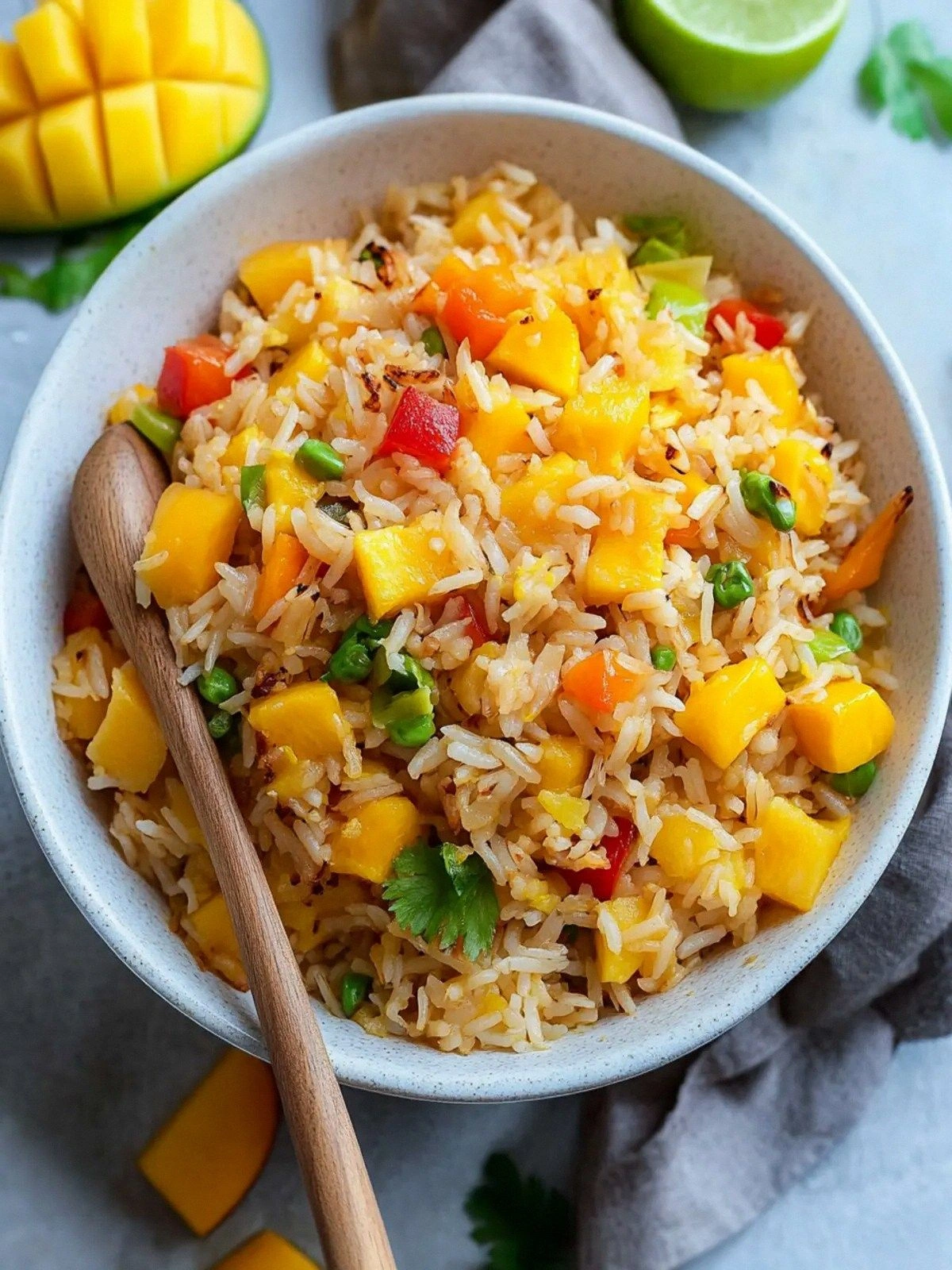
Picture this: a pan sizzling with sesame oil, a riot of colors from the red pepper and green onion, and the gentle hum of a kitchen that feels both chaotic and comforting. The first bite is a burst of sweet mango that melts in your mouth, followed by a savory umami punch from the tamari that coats the jasmine rice like velvet. The chickpeas add a satisfying bite, while the lime juice gives a bright finish that leaves your palate dancing. It’s a dish that feels like a tropical vacation in a bowl, and I dare you to taste this and not go back for seconds. I’ve been bragging about it to friends for months, and the only thing that’s left to prove is that it’s hands down the best version you’ll ever make at home.
If you’ve ever struggled with fried rice that ends up mushy or bland, you’re not alone. I’ve watched the same thing happen countless times—rice sticking together, flavors fading into the background, and a final dish that feels like a disappointment. That’s why I’m excited to share this version that flips the script and guarantees vibrant flavor and perfect texture every time. I’ll walk you through each step, from the first sizzle to the final garnish, and by the end you’ll wonder how you ever made it any other way. Ready to transform your kitchen into a flavor laboratory? Let’s dive in.
And before we get started, a quick note: the key to this recipe’s success is preparation. Having all your ingredients measured and ready to go will keep the cooking flow smooth and prevent the dreaded “what do I add next?” moment. I’ve packed this post with insider tricks, fun facts, and kitchen hacks that will save you time and elevate your dish. So grab a notebook, a measuring cup, and let’s turn a simple bowl of rice into a culinary masterpiece that will have everyone asking for the recipe.
Alright, let’s break down exactly what goes into this masterpiece. The combination of jasmine rice, fresh mango, and chickpeas isn’t just a random mash‑up; it’s a carefully balanced trio that delivers sweetness, protein, and a satisfying crunch. The tamari provides that deep umami that ties everything together, while the lime and rice vinegar add brightness that cuts through the richness. Every element has a purpose, and together they create a dish that’s both comforting and adventurous. Now, let’s dive into the details.
What Makes This Version Stand Out
- Flavor Fusion: The marriage of sweet mango and savory tamari creates a taste profile that feels both exotic and familiar, a balance rarely achieved in fried rice.
- Texture Contrast: The chickpeas add a subtle crunch that breaks up the softness of jasmine rice, ensuring every bite is interesting.
- Quick Prep: All ingredients are prepped in under ten minutes, making this dish a go-to for weeknight dinners without compromising on taste.
- Health‑Forward: Using chickpeas boosts protein and fiber, while the minimal oil keeps the dish light and satisfying.
- Color Palette: The bright red pepper, green onion, and golden mango create a visual feast that’s almost as appealing as it is delicious.
- Versatility: Swap out jasmine rice for quinoa or cauliflower rice for a lower‑carb version—this recipe adapts to any dietary preference.
- Make‑Ahead Friendly: The dish holds up wonderfully in the fridge and even tastes better the next day, thanks to the tamari’s deepening flavors.
- Audience Appeal: From foodies to busy parents, this recipe wins over everyone with its bold flavors and approachable technique.
Inside the Ingredient List
The Flavor Base
The foundation of this dish starts with toasted sesame oil and tamari. The sesame oil, when heated, releases a nutty aroma that instantly elevates the entire bowl, while tamari provides a rich, soy‑based umami that lingers on the tongue. If you’re allergic to soy, a splash of coconut aminos can mimic the depth of flavor, though the texture will be slightly different. Remember, the key is to let the oil heat until it shimmers—this signals the right moment to add the aromatics.
The Aroma Crew
White onion, garlic, and fresh ginger form the aromatic trio that sets the stage. The onion brings sweetness, the garlic offers a sharp bite, and the ginger adds a peppery warmth that cuts through the sweetness of the mango. Don’t skip any of them; each contributes a layer of complexity. If you’re short on time, a tablespoon of minced garlic and ginger can still work, but the full flavor profile is best achieved with fresh cuts.
The Unexpected Star
The mango is the centerpiece of this dish, delivering a burst of tropical sweetness that balances the savory elements. Choose a ripe mango that yields to gentle pressure but still holds its shape; this ensures the fruit remains firm when tossed with hot rice. If mangoes are out of season, frozen mango cubes can be a suitable substitute, but be sure to thaw them and pat dry to avoid excess water. The mango also adds a subtle texture that contrasts with the chickpeas, creating a mouthfeel that’s both smooth and slightly chewy.
The Crunch Factor
Chickpeas bring a satisfying bite and a protein punch that keeps the dish filling. Drain and rinse the canned chickpeas thoroughly to remove excess sodium and a slightly metallic taste. For a fresher flavor, use a small can of chickpeas that’s been cooked from scratch, but canned is perfectly fine for speed. If you prefer a different crunch, roasted edamame or toasted nuts can be swapped in.
The Final Flourish
Green onion, rice vinegar, and lime juice finish the dish with brightness and a touch of acidity. The green onion adds a fresh, slightly sharp note that lifts the overall flavor. Rice vinegar introduces a mild acidity that balances the sweetness of the mango, while lime juice gives a zesty finish that makes the dish feel fresh. If you’re aiming for a sweeter version, reduce the lime juice slightly and increase the vinegar.
Everything's prepped? Good. Let's get into the real action...
The Method — Step by Step
- Heat the Pan: Place a large non‑stick skillet over medium‑high heat and pour in the toasted sesame oil. Wait until the oil shimmers and a faint scent of toasted sesame appears—this usually takes about 30 seconds. This step is crucial; if the oil is too cool, the aromatics will steam instead of sauté, losing that caramelized depth. Once hot, add the diced onion, minced garlic, and grated ginger. Sauté for 2–3 minutes until the onion becomes translucent and the mixture smells fragrant. This is the moment of truth, and the aroma will set the tone for the rest of the dish.
- Add the Veggies: Stir in the sliced red pepper and let it cook for 2 minutes, just until it starts to soften but still retains a crisp bite. This step keeps the dish from becoming mushy. If you prefer a sweeter pepper, use a bell pepper of any color, but red offers the most vibrant hue. Keep the heat at medium; if it’s too high, the pepper will brown too quickly and lose its crunch.
- Introduce the Rice: Gently fold in the cooked jasmine rice, breaking up any clumps with a spatula. The goal is to coat the grains evenly with the oil and aromatics. Stir for 3–4 minutes, allowing the rice to toast slightly—this adds a subtle nutty flavor and helps prevent sogginess. You’ll notice the rice turning a golden hue, which signals it’s ready.
- Season It: Pour in the tamari and a splash of rice vinegar, then stir to distribute the flavors. The tamari adds depth, while the vinegar brightens the dish. Taste and adjust the seasoning—add a pinch of salt if needed. Remember, tamari can be salty, so start with less and add more as you go.
- Integrate the Mango: Add the sliced mango ribbons to the pan and gently fold them in. The heat will warm the mango, releasing its juices without making it mushy. Stir carefully so the mango doesn’t break apart. This step is where the tropical element truly shines.
- Finish with Lime and Green Onion: Drizzle the fresh lime juice over the rice and sprinkle the chopped green onion. Toss everything together once more. The lime’s acidity cuts through the richness, while the green onion adds a fresh, herbal note. This final touch makes the dish feel bright and lively.
- Serve Immediately: Plate the rice while it’s still warm and fragrant. Garnish with a few extra slices of mango and a sprinkle of green onion if desired. The dish is best enjoyed fresh, but it also holds up well if you need to keep it warm for a short while.
That’s it — you did it. But hold on, I’ve got a few more tricks that will take this to another level. These insider tips will help you perfect the dish every time, whether you’re cooking for yourself or a crowd.
Insider Tricks for Flawless Results
The Temperature Rule Nobody Follows
Cooking at the right heat is essential. If the pan is too hot, the aromatics will burn and the rice will stick. If it’s too cool, the rice will steam and become soggy. The sweet spot is medium‑high, where the oil shimmers but doesn’t smoke. Keep an eye on the oil; if it starts to bubble, lower the heat slightly. This simple adjustment can transform a good dish into an unforgettable one.
Why Your Nose Knows Best
The aroma of toasted sesame oil is a telltale sign of readiness. When the oil starts to emit a nutty fragrance, it’s time to add the aromatics. Your nose can guide you through the cooking process better than a timer. If you’re unsure, trust the scent; it’s a reliable indicator that the pan is hot enough.
The 5‑Minute Rest That Changes Everything
After adding the tamari and vinegar, let the rice sit for 5 minutes before adding the mango. This short rest allows the flavors to meld and the rice to absorb the seasonings fully. It also prevents the rice from becoming too wet when the mango juices are released. I’ve seen many cooks skip this step, resulting in a less cohesive dish.
The Quick Chill Trick
If you’re preparing the dish in advance, let the rice cool to room temperature before refrigerating. This stops the rice from steaming and becoming mushy. When reheating, sprinkle a splash of water or broth to revive the moisture and toss in the skillet for a minute to reheat evenly.
The Final Touch of Freshness
A final squeeze of lime just before serving can make a world of difference. The acidity cuts through the sweetness, adding a bright contrast that keeps the dish from feeling heavy. I’ve found that a small amount of fresh lime juice can elevate the flavor profile to new heights.
Creative Twists and Variations
This recipe is a playground. Here are some of my favorite ways to switch things up:
Protein Power Pack
Swap chickpeas for grilled shrimp or tofu for an extra protein punch. The shrimp’s briny flavor pairs wonderfully with mango, while tofu absorbs the sauce beautifully. This version is perfect for a quick, balanced dinner.
Low‑Carb Edition
Use cauliflower rice instead of jasmine rice for a keto‑friendly twist. The cauliflower’s neutral flavor allows the mango and tamari to shine. Keep the rest of the ingredients the same for a low‑carb, high‑fiber dish.
Spicy Kick
Add a handful of sliced jalapeños or a teaspoon of sriracha during the sauté stage for a fiery version. The heat will contrast with the mango’s sweetness, creating a complex flavor profile that’s sure to impress.
Herb‑Infused
Replace the green onion with fresh cilantro or basil for an aromatic twist. The herb’s bright notes will elevate the dish, making it feel fresher and more vibrant.
Dessert‑Style Surprise
Omit the tamari and instead use coconut milk and a pinch of cinnamon to create a sweet, tropical rice pudding. Serve warm with a drizzle of honey and a sprinkle of toasted coconut. This dessert version is a delightful end to any meal.
Vegan Delight
The original recipe is already vegan, but you can add a handful of chopped nuts, like cashews or almonds, for extra crunch and protein. The nuts add a nutty flavor that complements the mango and tamari beautifully.
Storing and Bringing It Back to Life
Fridge Storage
Store the leftover rice in an airtight container in the refrigerator for up to 3 days. The flavors will deepen, making the dish even more delicious. When reheating, add a splash of water or broth to revive moisture and toss in a skillet for a minute to reheat evenly.
Freezer Friendly
For longer storage, freeze the rice in a freezer‑safe bag for up to 2 months. Thaw overnight in the fridge, then reheat in a skillet with a small amount of oil. This method preserves texture and flavor.
Best Reheating Method
The best way to reheat is on the stovetop with a splash of water or broth. This technique keeps the rice from drying out. Alternatively, microwave the rice with a damp paper towel for 1–2 minutes, then stir to distribute heat evenly.