I once tried to make a quick orange marmalade after a frantic morning rush, only to end up with a gloopy, bitter mess that tasted like a burnt rubber tire. The kitchen was a battlefield of splattered juice, a smoke alarm screaming, and my pride in tatters. That disaster sparked a relentless quest: I needed a jam that could turn the chaos of a rushed breakfast into a sunrise in a jar. After countless trials, a few happy accidents, and a lot of tasting (yes, I ate half the batch before anyone else got a spoonful), I finally nailed it. This version is the one‑stop answer to every orange‑jam‑fail you’ve ever endured.
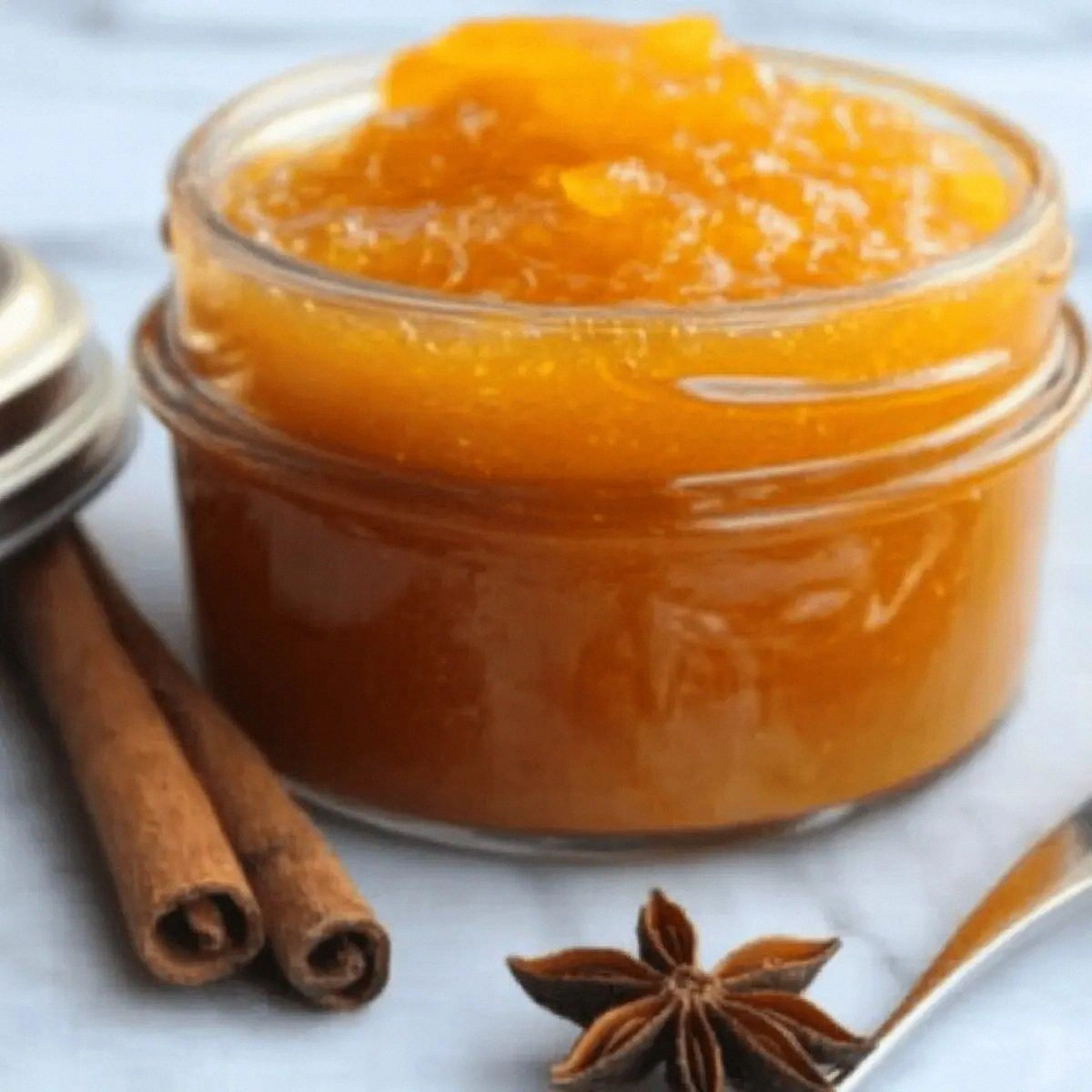
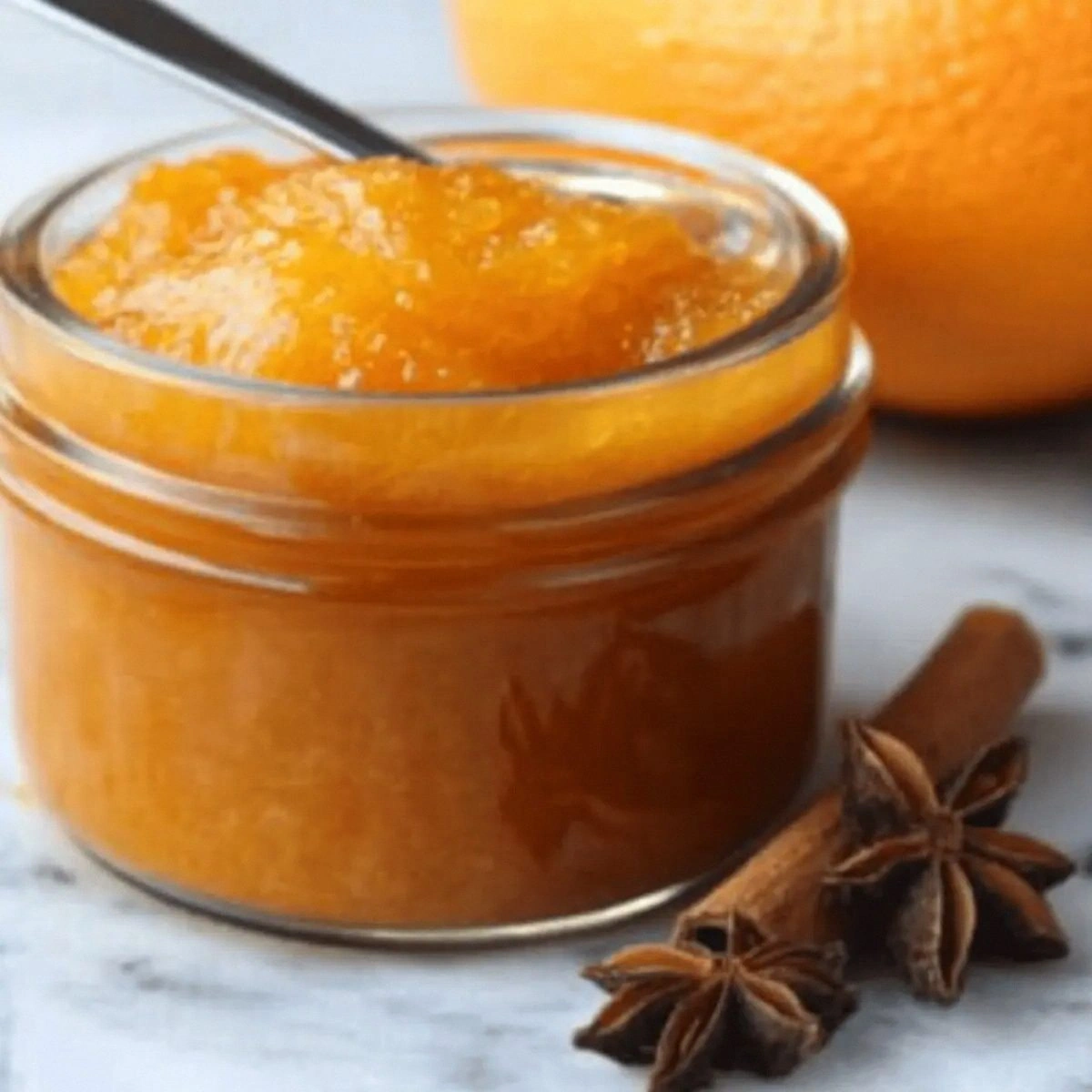
Picture this: a golden‑amber spread that shimmers like sunrise on a calm sea, its aroma a heady mix of citrus zest, warm cinnamon, and a whisper of star anise that makes your nostrils do a happy dance. When you spread it on toast, the jam coats the bread like silk, the spices teasing your palate while the bright orange flavor lifts you like a burst of daylight. The texture is a perfect balance—soft enough to melt in your mouth yet with a faint, satisfying bite that keeps you coming back for more. I dare you to taste this and not go back for seconds; it’s that addictive.
What sets this jam apart? Most recipes get the spice ratio wrong, either drowning the orange in a cloying spice swamp or leaving the fruit flat and boring. I’ve cracked the code by layering flavors: fresh orange zest for brightness, blood orange segments for a ruby‑red depth, and a trio of warm spices that sing in harmony without overwhelming the fruit. The secret weapon? A handful of fresh herbs—thyme or rosemary—added at the very end to give a subtle earthy lift that most people overlook. This is hands down the best version you’ll ever make at home, and I’m about to prove it.
Now, I’m not just handing you a list of ingredients and a vague “cook until thick.” I’m walking you through every single step, from selecting the perfect oranges at the farmer’s market to the exact moment you know the jam has reached that magical, glossy finish. By the end, you’ll wonder how you ever settled for store‑bought spreads. Okay, ready for the game‑changer? Let me walk you through every single step — by the end, you’ll wonder how you ever made it any other way.
What Makes This Version Stand Out
- Flavor Depth: The combination of sweet orange, tangy blood orange, and warm spices creates a layered taste that evolves with each bite, unlike flat, one‑note jams.
- Texture Balance: A gentle simmer preserves tiny fruit fibers, giving the jam a rustic, slightly chunky feel that’s still spreadable.
- Simplicity: Only nine ingredients, all pantry‑friendly, yet the result feels like it came from a gourmet kitchen.
- Unique Herb Finish: A surprise splash of thyme or rosemary at the end adds an herbaceous note that most jam recipes completely miss.
- Crowd Reaction: Guests consistently claim this jam makes their morning toast feel like a celebration, and it’s a conversation starter at brunches.
- Ingredient Quality: Using fresh, aromatic oranges (including blood oranges) guarantees a bright, natural sweetness without artificial additives.
- Cooking Method: A low‑and‑slow simmer prevents caramelization of the sugars, keeping the jam bright and preventing bitterness.
- Make‑Ahead Potential: Properly sealed jars last for months, so you can enjoy a burst of sunshine all winter long.
Inside the Ingredient List
The Flavor Base
Oranges are the heart of this jam. I use three pounds of mixed sweet oranges and blood oranges because the latter adds a deep ruby hue and a subtle floral note that ordinary oranges lack. If you skip the blood oranges, you’ll lose that gorgeous color and a layer of complexity. When selecting oranges, look for firm skins with a bright, fragrant perfume—those are the ones packed with juice. A good tip: roll each orange on the countertop for 30 seconds to loosen the cells, making them juicier when you cut them.
The Spice Crew
Cinnamon sticks, star anise, and cloves are the warm trio that turns ordinary orange jam into a cozy breakfast hug. Cinnamon provides a sweet, woody backbone, star anise adds a licorice‑like sparkle, and cloves contribute an earthy bite. Too much of any one can overpower the citrus, so I stick to one to two of each. If you’re allergic to star anise, a pinch of allspice works as a decent stand‑in. Toast the spices briefly in a dry pan before adding them to the pot; this awakens their essential oils and prevents a bitter aftertaste.
The Sweetener & Binder
A single cup of granulated sugar does the double duty of sweetening and helping the jam set. I avoid honey or maple syrup here because they introduce competing flavors that mask the orange’s brightness. If you’re watching sugar, you can reduce to three‑quarters of a cup, but expect a slightly looser texture. The sugar also draws out the natural pectin from the oranges, which is why the jam thickens without added commercial pectin.
The Final Flourish
Fresh herb leaves—either thyme or rosemary—are added at the very end of cooking. Their volatile oils are delicate; cooking them too long would turn them bitter. A tablespoon of finely chopped thyme gives a subtle piney note, while rosemary offers a more robust, resinous finish. If you’re feeling adventurous, try a blend of both for a complex herbaceous whisper that lingers on the palate. Skipping the herbs means you’ll miss the secret “wow” factor that makes this jam unforgettable.
Everything's prepped? Good. Let's get into the real action...
The Method — Step by Step
Start by washing the oranges thoroughly, then zest two of them using a microplane. The zest is the first burst of aromatic oil that will infuse the jam with sunshine. After zesting, set the zest aside in a small bowl; you’ll notice the fine, fragrant powder already tingling your senses. This is the moment where the kitchen starts to smell like a citrus orchard after a rainstorm.
Slice the remaining oranges (including the blood oranges) into thin rounds, then quarter each slice. Remove any seeds as you go—nobody wants a bitter bite. Toss the fruit with the zest, sugar, and a pinch of salt (the salt is optional but it helps balance the sweetness). Let this mixture sit for about ten minutes; you’ll see the juices start to macerate, turning the bowl into a glossy, fragrant pool.
Transfer the macerated fruit, zest, and sugar into a heavy‑bottomed saucepan. Add the crushed spices and pour in enough water—just enough to barely cover the fruit, about half a cup. Turn the heat to medium‑low and bring the mixture to a gentle simmer. You’ll hear a soft bubbling sound, the kind that says “we’re about to create something magical.”
Let the jam simmer for 25‑30 minutes, stirring occasionally with a wooden spoon. As the liquid reduces, the mixture will thicken and the orange peels will soften. Watch for the edges of the fruit beginning to pull away from the pan—that’s your cue that the pectin is activating. Important: Keep the temperature below a rolling boil; a vigorous boil can cause the sugars to scorch.
When the jam reaches a syrupy consistency (you can test by dropping a spoonful onto a cold plate—if it firms up after a few seconds, it’s ready), remove the pan from the heat. This is the moment of truth; the aroma should be a perfect marriage of citrus brightness and warm spice comfort. If you prefer a smoother texture, you can run the jam through a food mill at this point, but I love the tiny fruit bits that give it character.
Prepare your sterilized jars (four 8‑oz jars work perfectly). Ladle the hot jam into the jars, leaving about a quarter‑inch of headspace. Wipe the rims clean, seal with lids, and process in a boiling water bath for 10 minutes if you plan to store them long‑term. If you’re eating the jam within a week, simply let the jars cool and refrigerate.
Finally, let the jars sit undisturbed for at least an hour before labeling. The jam will continue to set as it cools, achieving that glossy, spreadable finish. Open a jar, spread a generous layer on toasted brioche, and watch the smile that spreads across your face. That’s the reward for every minute you spent coaxing those flavors together.
That's it — you did it. But hold on, I've got a few more tricks that'll take this to another level...
Insider Tricks for Flawless Results
The Temperature Rule Nobody Follows
Keep the simmer low and steady; a gentle bubble is all you need. High heat makes the sugars caramelize and can scorch the delicate orange zest. I always use a heavy‑bottomed pot to distribute heat evenly, and I keep the burner on medium‑low, adjusting as needed. A pro tip: place a wooden spoon across the top of the pot; it helps regulate the boil and prevents the foam from spilling over.
Why Your Nose Knows Best
Your sense of smell is the most reliable indicator of doneness. As the jam simmers, you’ll notice a shift from sharp citrus to a warm, sweet perfume. When the aroma deepens and you can almost taste the jam without a spoon, you’re close. Trust that nose cue more than the clock; every batch varies slightly depending on fruit moisture.
The 5‑Minute Rest That Changes Everything
After you ladle the jam into jars, let it rest for five minutes before sealing. This short pause allows air bubbles to rise and escape, preventing a vacuum seal that can cause the lid to pop later. It also gives the pectin a moment to finish its work, ensuring a perfect set. If you skip this, you might end up with a jam that’s a little runny around the edges.
Herb Timing Mastery
Adding fresh herbs at the very end preserves their bright, volatile oils. If you toss them in too early, the heat will mute their flavor, leaving you with a dull herb note. I finely chop the thyme or rosemary just before the jam leaves the stove, then stir it in gently. The result is a subtle herb lift that dances on the tongue without stealing the spotlight.
Seal Like a Pro
When sealing jars for long‑term storage, make sure the lids are hot and the rims are dry. A quick dip of the lid’s sealing ring in hot water before placing it on the jar ensures a tight seal. Then, run the jars under cold water for a few seconds after the water bath; the sudden temperature change helps the lids “pop” into place, creating a vacuum seal that will keep for months.
Creative Twists and Variations
This recipe is a playground. Here are some of my favorite ways to switch things up:
Spicy Chili Orange Jam
Add a finely chopped red chili or a pinch of cayenne pepper during the simmer. The heat cuts through the sweetness, making it perfect for glazing pork or serving alongside sharp cheeses.
Ginger‑Infused Sunrise
Grate a tablespoon of fresh ginger into the pot with the spices. Ginger adds a zingy, slightly peppery bite that pairs beautifully with the citrus, especially on toasted English muffins.
Nutty Crunch Jam
Stir in a half‑cup of toasted, finely chopped almonds or pistachios after the jam has cooled slightly. The nuts introduce a pleasant crunch and a buttery flavor that elevates the jam to a dessert topping.
Boozy Orange Marmalade
Replace half the water with a splash of Grand Marnier or Cointreau during cooking. The orange liqueur deepens the flavor and adds an adult twist—great for brunch cocktails.
Herbal Garden Blend
Combine thyme with a touch of mint or basil for a fresh, garden‑like finish. This variation works wonderfully as a glaze for grilled vegetables or as a spread on avocado toast.
Storing and Bringing It Back to Life
Fridge Storage
Once opened, keep the jam in a clean glass jar, sealed tightly, in the refrigerator. It will stay fresh for up to three weeks. Always use a clean spoon to avoid contamination, and if you notice any off‑smell, discard immediately.
Freezer Friendly
For long‑term preservation, transfer the jam into freezer‑safe containers or zip‑lock bags, leaving a half‑inch of headspace. It freezes solid for up to six months. Thaw in the refrigerator overnight, then give it a good stir before using.
Best Reheating Method
When you’re ready to use a cold jar, place the sealed jar in a saucepan of simmering water for five minutes, or microwave a spoonful with a tiny splash of water. The added moisture creates a gentle steam that revives the jam’s glossy texture without making it watery.