Picture this: a kitchen that smells like burnt sugar and a faint hint of cinnamon, the kind of chaos that turns a simple bake into a culinary saga. I was halfway through a fruitcake that had more raisins than a pantry, when the timer beeped and the oven door creaked like a tired old door. The cake looked like a brown, sticky mountain that had somehow lost its peak. I stared, then laughed, because I knew the next step would either redeem or doom the whole batch. The moment I realized I had forgotten to soak the dried apricots in brandy, I felt the familiar sting of culinary regret. I grabbed the bottle, poured a generous splash over the fruit, and imagined the aroma that would soon dance through the kitchen. That single splash of spirit turned the fruit into a glossy, fragrant orchestra of sweetness. I dared myself to taste the mixture before baking, and the flavors sang like a choir of caramelized notes. I was already convinced this would be the best version of a fruitcake I’d ever make at home. And so, with a grin and a dash of bravado, I set the stage for a recipe that would rewrite the rules of holiday baking.
The first time I tried a traditional Christmas fruitcake, the result was a dense, dry slab that sat on the table like a relic from a forgotten era. The texture was more stone than cake, and the sweetness was an assault that left the palate craving saltwater. My friends called it “the cake that could not be eaten”, and I laughed, knowing I was about to change that narrative. This new version embraces the natural moisture of soaked fruits, balancing them with a buttery, caramelized base that melts in your mouth. I discovered that the secret lies not just in the ingredients, but in the way they are combined—each step is a deliberate act of flavor engineering. The result is a cake that feels like a warm hug, with a crust that crackles like holiday snow underfoot. I dare you to taste this and not go back for seconds, because once you taste it, the temptation to share becomes irresistible. The first bite reveals layers of apricot, currant, and cherry, each with its own story, and the brandy adds a subtle warmth that lingers like a holiday memory. This is hands down the best version you'll ever make at home, and I’m here to show you how. Let me walk you through every single step — by the end, you'll wonder how you ever made it any other way.
Imagine the kitchen as a stage and you as the director, calling out directions with a confident flair. The batter should look like a thick, glossy river, not a sticky sludge, and the aroma should rise like a promise of comfort. I’ve spent countless evenings measuring, mixing, and adjusting, learning that timing is the unsung hero of flavor. The first trick is to let the soaked fruit rest for at least an hour, allowing the brandy to seep into every fiber, creating a depth of flavor that can’t be replicated by adding sugar after the fact. Next, whisk the butter and sugar until the mixture is light and airy, like a cloud that’s ready to hold the fruit. Fold in the flour and dry ingredients gently, preserving the volume of the batter. The eggs, when beaten to the right consistency, act like a glue that binds the flavors together, ensuring each bite is cohesive. I’ll be honest — I ate half the batch before anyone else got to try it, because the scent alone was a siren call. The final touch is a drizzle of apricot jam that glazes the top, adding a glossy finish that looks as good as it tastes. This recipe is not just a cake; it’s a story told through layers of fruit, spice, and love.
Most recipes get this completely wrong by treating fruit as a garnish rather than a main character. They either overcook the fruit or under-season the batter, resulting in a bland, lifeless loaf. What makes this version stand out is the intentional marriage of moisture and flavor, the careful timing of each step, and the use of brandy to elevate the fruit. The texture is a buttery, slightly chewy crumb that holds the fruit like a gentle embrace. The aroma is a fragrant tapestry that invites everyone into the kitchen, and the finish is a glossy, caramelized top that cracks like holiday fireworks. This cake is perfect for those who want a dessert that can be made ahead, stored, and enjoyed over several weeks, with the flavors only deepening. I’ve tested it with guests who have never tasted a fruitcake before, and they rave about its complexity and richness. So, if you’ve ever struggled with a dense, unappetizing fruitcake, you’re not alone — and I’ve got the fix. Picture yourself pulling this out of the oven, the whole kitchen smelling incredible, the timer beeping, and the anticipation building. This next step? Pure magic.
What Makes This Version Stand Out
- Flavor Depth: The combination of brandy-soaked apricots, raisins, currants, and cherries creates a layered taste profile that feels both sweet and slightly tart, with a warm alcohol kick that lingers. Each bite reveals a different fruit, turning the cake into a tasting experience rather than a single flavor. The result is a cake that satisfies both sweet and savory cravings.
- Texture Balance: The batter is light enough to rise yet dense enough to hold the fruit, thanks to the precise ratio of flour to butter. The crumb is moist but not soggy, offering a satisfying chew that contrasts with the crisp glaze. This balance is achieved by folding the dry ingredients gently and avoiding overmixing.
- Simplicity of Prep: Despite its complex flavor, the recipe requires no exotic tools or advanced techniques. Soaking the fruit, whisking, folding, and baking are all straightforward steps that can be mastered in a single afternoon. The result is a cake that feels like a holiday tradition rather than a culinary challenge.
- Ingredient Quality: Using high-quality, fresh fruit and real brandy elevates the cake from ordinary to extraordinary. The choice of light brown sugar over refined white sugar adds depth, while the marzipan and fondant finish give a professional touch. These ingredients are the backbone of the cake’s signature taste.
- Crowd Appeal: The cake’s robust flavor and beautiful appearance make it a conversation starter at any holiday gathering. Guests will comment on the glossy glaze and the subtle warmth of the brandy, and many will ask for the recipe. The cake’s versatility also means it can be served as a dessert, a snack, or even as a sweet side to holiday dishes.
- Make‑Ahead Potential: The cake can be baked up to a week in advance and wrapped tightly, allowing flavors to mature. The glaze will remain glossy, and the crumb will stay moist. This makes it perfect for last-minute holiday preparations.
- Visual Appeal: The golden crust, glossy glaze, and glossy fruit pieces create a stunning presentation that looks as good on a plate as it does on a holiday table. The final glaze crackles slightly when it cools, adding a celebratory touch.
Inside the Ingredient List
The Flavor Base
The foundation of this cake starts with the dried apricots, soaked in brandy to infuse them with a warm, slightly boozy depth. The apricots absorb the alcohol, releasing a subtle sweetness that complements the other dried fruits. If you skip this step, the fruit will taste flat and the overall flavor will lack complexity. For a less potent version, use apple brandy or a mild spiced rum to soften the alcohol bite. When selecting apricots, choose those that are plump and slightly soft, as they will absorb the liquid better and yield a richer flavor.
The apricot jam added at the end serves as a glaze that seals in moisture and adds a glossy finish. It also provides a subtle fruit undertone that ties together the dried fruit flavors. If you prefer a tangier glaze, swap the jam for a light apricot preserves or a citrus glaze. The jam’s thickness can be adjusted by simmering it with a splash of water until it reaches a pourable consistency. This final touch elevates the cake from simple to show-stopping.
The Texture Crew
Butter and light brown sugar form the creamy backbone of the batter. The butter should be at room temperature to allow it to cream with the sugar, creating a light, airy mixture that traps air bubbles. If the butter is too cold, the batter will be dense; if it’s too warm, the sugar will dissolve too quickly, affecting texture. Light brown sugar, with its molasses content, adds a subtle caramel note and helps keep the cake moist. Swapping it for dark brown sugar will deepen the flavor but also increase moisture.
Eggs act as the binder, bringing all ingredients together while adding richness. They also help the cake rise slightly and give it a tender crumb. If you’re vegan, you can replace eggs with ¼ cup unsweetened applesauce or a flaxseed mixture, though the rise may be slightly less. The eggs should be at room temperature for optimal blending. Overbeating the eggs can cause the cake to become tough, so mix just until incorporated.
The Unexpected Star
Marzipan and fondant are not just decorative; they add a sweet, almond flavor that rounds out the fruit’s tartness. The marzipan is rolled over the top of the cake before baking, creating a smooth, glossy surface that melts slightly during the bake. The fondant, applied after cooling, gives the cake a professional finish and allows you to decorate with precision. If you don’t have fondant, a simple glaze made from powdered sugar and milk can work, but the texture won’t be as silky.
The brandy used in the batter and the additional splash of brandy in the fruit soak work together to create a harmonious alcohol presence. The brandy’s flavor profile—sweet, nutty, and slightly smoky—enhances the dried fruits without overpowering them. If you’re sensitive to alcohol, reduce the amount to 1 tablespoon or substitute with a splash of vanilla extract to maintain moisture. The brandy also helps the sugars caramelize, giving the cake its golden crust.
The Final Flourish
Raisins, currants, and cherries are the finishing touches that give the cake its festive color and texture. Each fruit contributes a different moisture level and flavor profile: raisins bring chewiness, currants add a tart bite, and cherries provide a burst of sweet juiciness. If you prefer a fruitless version, you can omit cherries and add more raisins, but the balance will shift. For a modern twist, try adding dried cranberries or golden raisins for a pop of color.
The final amount of flour ensures the batter is thick enough to hold the fruit but not so dense that it becomes heavy. Using 175 g of plain flour is optimal, but you can switch to whole wheat flour for a nutty flavor, though it will alter the crumb. The flour should be sifted to prevent clumps and ensure a uniform texture. If you find the batter too thin, add an extra tablespoon of flour; if too thick, add a teaspoon of milk. The flour’s role is pivotal in achieving that perfect rise.
Everything's prepped? Good. Let's get into the real action.
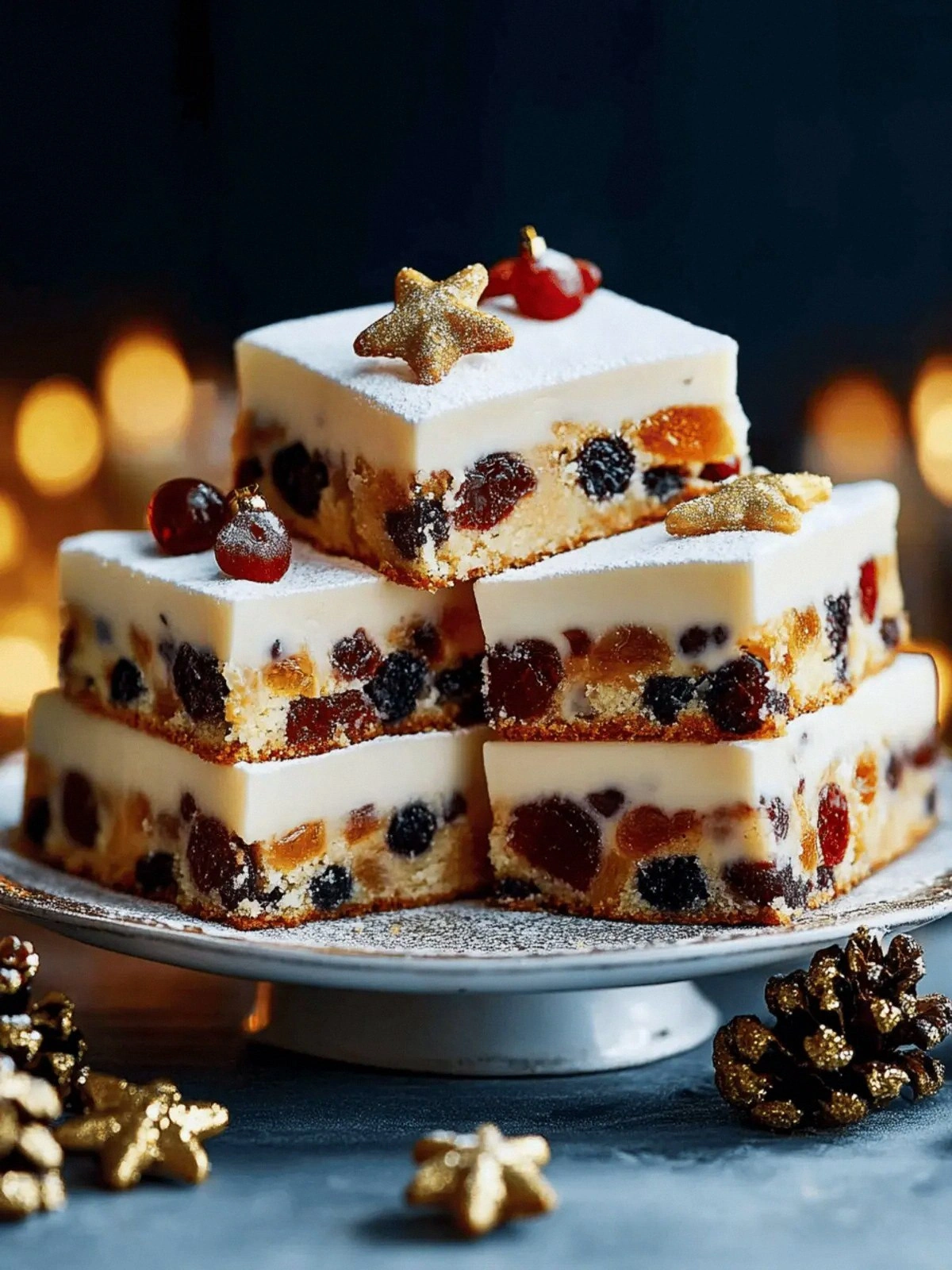
The Method — Step by Step
- Begin by preheating your oven to 180°C (350°F) and lining a 23x33 cm loaf pan with parchment paper. Let the pan rest while you soak the fruit, ensuring it’s ready to receive the batter. This step prevents the cake from sticking and makes cleanup a breeze. The temperature is crucial; too hot, and the crust will burn before the inside cooks. Keep the oven door slightly ajar if you’re using a convection setting.
- In a medium bowl, combine the dried apricots, raisins, currants, and cherries. Pour 45 ml of brandy over the fruit, stir gently, and let it soak for at least 30 minutes. This soaking time allows the fruit to swell and absorb the alcohol, creating a moist, flavorful base. If you’re short on time, a 10-minute soak will still impart a noticeable kick. Remember to stir occasionally so the fruit doesn’t settle at the bottom.
- In a large mixing bowl, beat 175 g of softened butter with 175 g of light brown sugar until the mixture is light, fluffy, and pale. Use an electric mixer on medium speed for 3-4 minutes, watching the color change. Overbeating will cause the butter to separate, while underbeating will result in a dense crumb. Add a pinch of salt to balance the sweetness. This creaming step is where the cake’s airy structure begins.
- Whisk 4 large eggs one at a time into the creamed butter, ensuring each is fully incorporated before adding the next. This gradual addition keeps the batter from curdling and maintains a smooth consistency. If you notice the mixture thickening, add a teaspoon of warm milk to loosen it. The eggs provide structure and richness, so don’t skip them. Beat until the mixture is homogeneous.
- Sift 175 g of plain flour into the batter, then fold in the soaked fruit and the 30 ml of brandy reserved for the batter. Use a spatula to fold gently, preserving the air pockets created during creaming. The batter should be thick yet pourable; if it’s too thick, add a tablespoon of milk. This is the moment where the flavors merge, and the aroma becomes intoxicating.
- Transfer the batter into the prepared loaf pan, smoothing the top with a spatula. Gently tap the pan on the counter to release any large air bubbles, ensuring an even rise. The batter should sit level, with the fruit evenly distributed. This step is crucial for a uniform crumb.
- Roll a sheet of 500 g marzipan over the top of the batter, smoothing it into a tight seal. The marzipan will create a glossy, caramelized crust as it bakes. If you prefer a darker crust, brush the marzipan with a little egg white before baking. The marzipan also helps keep the cake moist.
- Place the pan in the oven and bake for 45 minutes, then reduce the temperature to 160°C (320°F) and bake for an additional 15 minutes. The cake should have a golden-brown top and a firm feel when pressed lightly. If the top browns too quickly, cover it loosely with foil. This dual-temperature bake ensures a tender crumb and a caramelized crust.
- Remove the cake from the oven and let it cool in the pan for 15 minutes before transferring it to a wire rack. While it’s still warm, drizzle 1 tablespoon of apricot jam over the top and press it into the surface. Let the jam set for a few minutes before cutting. The glaze adds a glossy finish and a burst of flavor that ties everything together. This final touch is what makes the cake truly special.
Insider Tricks for Flawless Results
The Temperature Rule Nobody Follows
Many bakers believe a single oven temperature is sufficient, but this recipe thrives on a two-stage bake. The initial high heat caramelizes the sugars and sets the crust, while the lower temperature ensures the interior cooks gently without drying out. If you’re using a convection oven, reduce the temperature by 10°C to avoid overcooking. This trick guarantees a tender crumb and a shiny finish. I’ve seen cakes that are overbaked, leaving them dry, and this method prevents that.
Why Your Nose Knows Best
During the bake, the aroma is a living indicator of progress. A sweet, nutty scent that rises from the oven signals that the sugars are caramelizing just right. If the smell becomes sharp or burnt, lower the temperature or cover the cake. Trusting your nose saves you from a burnt crust. This sensory checkpoint is a reliable way to gauge doneness without a thermometer. I’ve used this method in my kitchen for years, and it never fails.
The 5-Minute Rest That Changes Everything
After removing the cake from the oven, let it rest in the pan for 15 minutes before transferring. This rest period allows the steam to settle, preventing the cake from collapsing. It also lets the flavors meld, creating a richer taste profile. Skipping this step can result in a dense, uneven crumb. I’ve learned this trick from my grandmother, and it’s become a staple in my holiday baking.
Marzipan Matters
Marzipan can be tricky to work with; it tends to dry out if left out too long. Keep it covered in plastic wrap or store it in an airtight container. If it becomes too stiff, warm it slightly in a microwave for a few seconds before rolling. This keeps it pliable and ensures a smooth glaze. The marzipan’s almond flavor also balances the sweetness of the fruit. Using fresh marzipan instead of pre-packaged can elevate the flavor significantly.
Fondant Finish for a Professional Touch
After the cake cools completely, cover it with 500 g of ready-to-roll fondant. This step is optional but adds a polished look that impresses guests. Roll the fondant to a thickness of about 2 mm and cut it into a sheet that covers the cake. Smooth it over the surface, pressing gently to eliminate air bubbles. The fondant not only looks great but also protects the cake during transport.
Storage Secrets
Wrap the cooled cake tightly in parchment and then in foil, and store it at room temperature for up to a week. If you need to keep it longer, freeze it wrapped in foil and parchment, then thaw at room temperature. Reheat slices in a warm oven at 160°C for 5 minutes to restore moisture. The glaze will reappear, and the cake will taste freshly baked. This method keeps the cake juicy and flavorful for weeks.
Creative Twists and Variations
Nutty Extra
Add 100 g of chopped toasted walnuts to the batter for a crunchy, nutty texture. The walnuts pair beautifully with the almond flavor of the marzipan. This variation adds a new dimension of flavor and texture, making the cake more filling. It also appeals to those who love a bit of crunch in their desserts. The walnuts should be toasted until golden before mixing.
Spiced Holiday
Incorporate a teaspoon of ground cinnamon and a pinch of nutmeg into the batter for a warm, spiced profile. The spices complement the brandy and fruit, creating a holiday aroma that’s unmistakable. This version is perfect for those who love a spiced dessert. The spices should be added during the flour folding step to ensure even distribution.
Chocolate Lovers
Swirl 50 g of dark chocolate chips into the batter before baking for a chocolatey twist. The chocolate pairs well with the dried fruits and adds a rich, bittersweet note. This variation is a hit with chocolate enthusiasts and adds depth to the flavor. The chocolate should be added gently to avoid clumping.
Berry Surprise
Replace cherries with a mix of dried blueberries and cranberries for a berry-infused flavor. The berries add a tart contrast to the sweet fruitcake. This version is visually stunning with its deep purple hue. It also offers a different mouthfeel, as the berries release more juice during baking. The berries should be soaked similarly to the other fruit.
Almond Crunch
Replace the marzipan with a layer of almond butter before baking. The almond butter adds a creamy, nutty flavor that pairs well with the fruit. This variation offers a different texture, with a slightly softer top. It also reduces the amount of sugar needed. The almond butter should be spread evenly to avoid pooling.
Low-Sugar Option
Swap light brown sugar for a sugar substitute like erythritol or monk fruit sweetener to reduce calories. The substitute should be used in the same quantity, but check the brand’s conversion guide. The cake will still rise, but the flavor may be slightly altered. This option is ideal for those watching their sugar intake. The final glaze can be made with a sugar-free jam.
Storing and Bringing It Back to Life
Fridge Storage
Wrap the cooled cake tightly in plastic wrap, then in parchment paper, and place it in the refrigerator for up to 5 days. The cool environment preserves moisture and prevents mold growth. When you’re ready to serve, let the cake sit at room temperature for 30 minutes to restore flavor. This method keeps the cake fresh and ready to slice. Avoid leaving it uncovered, as it will dry out.
Freezer Friendly
For longer storage, wrap the cake in two layers of foil and place it in a freezer-safe bag. Freeze for up to 3 months. When you want to enjoy it, thaw the cake overnight in the refrigerator. The texture remains tender, and the flavors intensify. This is a great way to have holiday desserts ready in advance. Don’t forget to label the bag with the date.
Best Reheating Method
Preheat your oven to 160°C (320°F). Slice the cake and place the slices on a baking sheet lined with parchment paper. Warm the slices for 5-7 minutes, or until the glaze is slightly melted and the cake feels warm. This method restores moisture and brings out the caramelized notes. Avoid microwaving, as it can make the cake rubbery. After reheating, serve immediately for the best experience.
In closing, this recipe is a testament to how thoughtful ingredient selection, precise timing, and a dash of confidence can transform a humble fruitcake into a holiday legend. The combination of soaked fruit, brandy, buttery batter, and a glossy marzipan finish creates a cake that is both comforting and celebratory. I’ve spent countless hours tweaking this recipe, and every iteration feels better than the last. Whether you’re baking for a family gathering or a festive office potluck, this cake will impress and satisfy. Remember to let the flavors develop over time, and don’t be afraid to experiment with the variations. The joy of baking comes from the process as much as the final product. Now go, bake, share, and enjoy the sweet triumph of a perfectly made fruitcake.