I was standing in my kitchen on a rainy Tuesday, staring at a bowl of half‑peeled apples that had somehow turned into a miniature fruit graveyard. My roommate had dared me to “make something that smells like autumn without setting off the smoke alarm,” and I was like, “Challenge accepted, but also, where’s the fire extinguisher?” The pantry was whispering sweet nothings about cinnamon, butter, and a mysterious tin of powdered sugar that had been hiding behind the cereal. I grabbed the apples, tossed a handful of spices into the air, and the whole room instantly felt like a cozy cabin tucked in a pine forest.
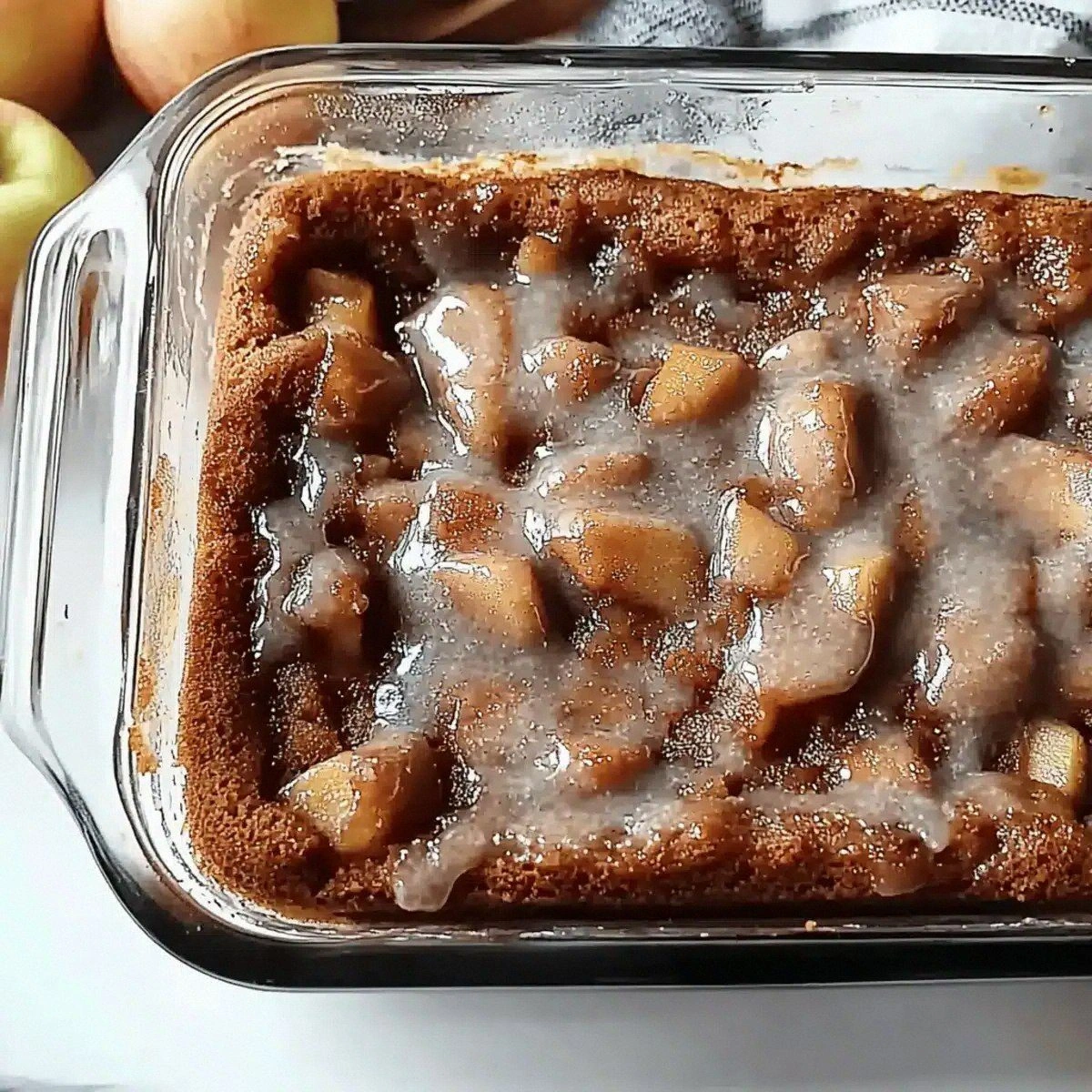
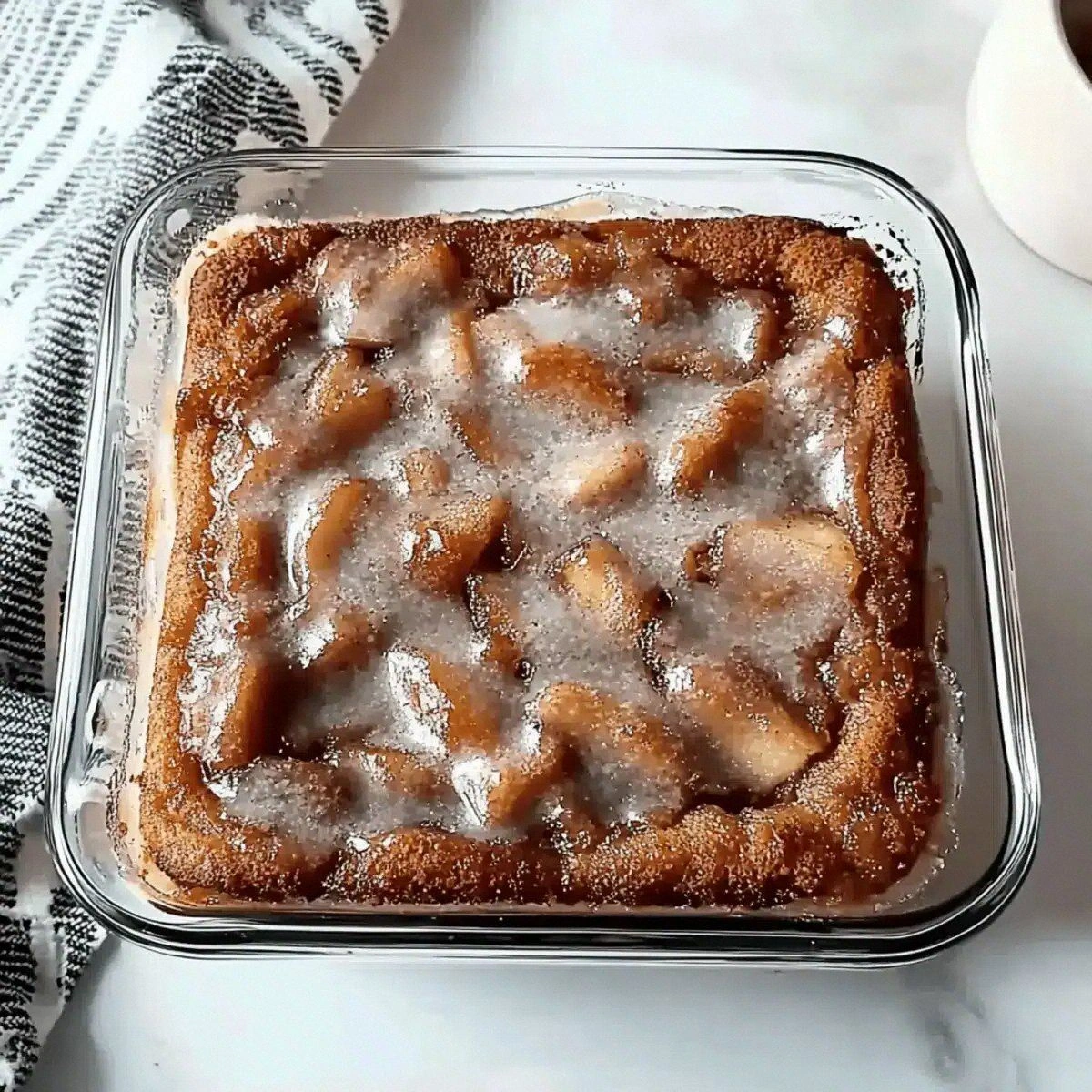
Imagine the first bite: the tender crumb of a cake that’s as fluffy as a cloud, the caramel‑kissed apple pieces that burst with a bright tartness, and a glaze that slides over the top like melted amber. The scent? A warm hug that wraps around you, with notes of toasted sugar, butter, and that unmistakable “just‑baked” aroma that makes you want to curl up on the couch with a blanket. I swear, the moment that cake slid out of the pan, the kitchen turned into a miniature autumn fair, complete with the faint crackle of a distant bonfire. That’s the kind of sensory overload I’m talking about.
Most apple‑based desserts either drown in syrup or end up dry as a desert road. This version, however, balances the sweet and the tart, the soft and the slightly crisp, thanks to a secret weapon that most recipes completely overlook. I’m talking about a splash of Greek yogurt (or sour cream, if you’re feeling fancy) that adds a tangy richness without making the batter soggy. The result is a cake that stays moist for days, and the frosting? A powdered‑sugar glaze that hardens just enough to give you that satisfying snap before it melts into a creamy kiss.
Okay, ready for the game‑changer? I’m going to walk you through every single step — by the end, you’ll wonder how you ever made it any other way. I dare you to taste this and not go back for seconds. Let’s get our aprons on, crank up the oven, and create a piece of fall that you can slice, serve, and brag about all season long.
What Makes This Version Stand Out
- Moisture Mastery: The combination of applesauce and Greek yogurt locks in humidity, so every bite feels like a hug from a cloud.
- Flavor Depth: A duo of sugars—granulated and brown—creates caramel notes that dance with the tart apple.
- Texture Triumph: Cornstarch and a light dusting of flour give the cake a subtle crumb that’s both tender and slightly crisp on the edges.
- Simplicity Wins: Only ten core steps, no fancy equipment, and you can pull it together in under an hour.
- Ingredient Quality: Using Granny Smith apples adds the perfect tart contrast to the sweet batter.
- Crowd‑Pleaser Factor: The glaze finishes with a glossy sheen that looks Instagram‑ready and tastes like a sugar‑kissed dream.
- Make‑Ahead Magic: This cake keeps its charm for up to three days, and the glaze can be stored separately for a fresh finish later.
- Fall‑Friendly Flexibility: Swap the apples for pears or add a pinch of nutmeg for a holiday twist without breaking the core structure.
Inside the Ingredient List
The Flavor Base
Granny Smith apples are the heart of this cake. Their bright acidity cuts through the richness of butter and sugar, creating a balanced flavor profile that feels both fresh and indulgent. If you pick apples that are too sweet, the cake will taste like a dessert version of a candy store—delicious, but missing that signature tang. When selecting, look for firm, unblemished apples; a quick sniff should give you a crisp, slightly floral aroma. Want a twist? Try a 50/50 mix of Granny Smith and Honeycrisp for a subtle honeyed note.
Fun Fact: The Granny Smith apple originated in Australia in the 1860s, named after Maria Ann Smith, who cultivated the first seedling from a chance seed‑sprout. Its tartness made it a favorite for pies and, apparently, for this cake too.
The Sweet Symphony
Granulated sugar provides the immediate sweetness that awakens your taste buds, while brown sugar adds a caramel‑like depth that lingers. The brown sugar’s molasses content also contributes a subtle moisture boost, preventing the crumb from drying out. If you’re watching sugar, you can replace half of the granulated sugar with coconut sugar for a lower‑glycemic twist, though the flavor will shift toward a richer, almost toffee‑like profile.
Ground cinnamon is the spice that screams “fall” in every kitchen. Two teaspoons might sound modest, but when combined with the apple’s natural zest, it creates an aromatic wave that feels like a stroll through a pumpkin patch. For a bolder spice profile, add a pinch of ground nutmeg or allspice; just remember, a little goes a long way.
The Texture Crew
All‑purpose flour forms the structural backbone, but the real secret lies in the cornstarch. It lightens the crumb, making the cake airy yet sturdy enough to hold the apple pieces without collapsing. The baking powder and baking soda work together as a leavening duo: the powder provides steady rise, while the soda reacts with the yogurt’s acidity for a quick burst of fluffiness. If you’re out of baking soda, increase the baking powder by a half‑teaspoon, but the texture will be slightly less tender.
Unsalted butter brings a rich, buttery mouthfeel, and when creamed with the sugars, it creates a glossy batter that traps air bubbles. The applesauce replaces some of the butter’s oil, keeping the cake moist without adding extra fat. This is the part where many recipes go wrong—using too much oil makes the crumb greasy, while too little leaves it dry. The balance here is key.
The Final Flourish
Greek yogurt (or sour cream) is the unsung hero that adds tang, moisture, and a tender crumb. Its acidity also reacts with the baking soda, giving the cake a subtle lift that feels almost pillow‑soft. If you’re dairy‑free, swap it with coconut yogurt; just be mindful of the flavor shift toward coconut.
The glaze, made from powdered sugar, milk, and a splash of vanilla, is the finishing touch. It sets into a glossy coat that crackles faintly when you cut into the cake, then melts into a creamy veil that hugs every bite. For an extra layer of decadence, stir in a teaspoon of caramel sauce or a pinch of sea salt.
Everything's prepped? Good. Let's get into the real action…
The Method — Step by Step
- Preheat and Prepare: Set your oven to 350°F (175°C) and grease a 9‑inch springform pan with butter, then line the bottom with parchment paper. This ensures the cake releases cleanly and the edges get that golden kiss. While the oven warms, give the pan a quick spin to coat every nook. Kitchen Hack: Sprinkle a thin layer of flour over the greased pan after buttering; it creates a non‑stick barrier that makes unmolding a breeze.
- Apple Prep: Peel, core, and dice the Granny Smith apples into ½‑inch cubes. Toss them with a tablespoon of granulated sugar and a pinch of cinnamon to prevent browning and add an instant flavor boost. Let them sit while you work on the batter; the sugar will draw out a little juice, which you’ll later pat dry to avoid a soggy batter. That sizzle when it hits the pan? Absolute perfection.
- Cream Butter and Sugars: In a large mixing bowl, beat the unsalted butter with both granulated and brown sugar until the mixture is light, fluffy, and pale yellow—about 3‑4 minutes on medium speed. This step is the foundation of a tender crumb; if you rush it, you’ll miss out on the airy texture that makes this cake so special. Scrape down the sides, then add the vanilla extract and continue beating for another 30 seconds.
- Eggs and Applesauce: Add the eggs one at a time, beating well after each addition. The batter should look glossy and slightly thickened. Then fold in the applesauce, which adds moisture without making the batter greasy. If the mixture looks too thick, a splash of milk (about a tablespoon) can loosen it just enough for a smooth pour.
- Dry Ingredients Assembly: In a separate bowl, whisk together the flour, cornstarch, baking powder, baking soda, ground cinnamon, and kosher salt. This ensures even distribution of leavening agents and prevents pockets of flour. Watch Out: Over‑mixing the dry ingredients with the wet can develop gluten, leading to a tougher cake. Stir just until you see no streaks of flour.
- Combine Wet and Dry: Gently fold the dry mixture into the wet batter using a spatula. The motion should be a slow, deliberate lift‑and‑turn, not a vigorous stir. You’ll notice the batter turning silky and thick, with little pockets of flour disappearing. This is where patience pays off; a few extra seconds now saves you a dense crumb later.
- Fold in Apples: Pat the diced apples dry with a paper towel, then gently fold them into the batter. The pieces should be evenly distributed, creating pockets of fruit that will burst with flavor when you bite. If you’re feeling daring, sprinkle a pinch of extra cinnamon over the top for a speckled appearance that looks as good as it tastes.
- Bake the Cake: Pour the batter into the prepared pan, smoothing the top with a silicone spatula. Slide it into the preheated oven and bake for 30‑35 minutes, or until a toothpick inserted into the center comes out clean with just a few moist crumbs. The edges will start pulling away from the pan, and the top will be a deep golden‑brown, smelling like a bakery on a crisp morning. Resist the urge to open the oven door early; that’s a rookie mistake that can cause the cake to collapse.
- Glaze Preparation: While the cake cools, whisk together powdered sugar, milk, and vanilla extract until smooth. If the glaze is too thick, add a tiny splash more milk; if too runny, sprinkle in a bit more powdered sugar. The goal is a pourable consistency that will coat the cake like a thin sheet of sweet amber.
- Finishing Touches: Once the cake has cooled in the pan for about 10 minutes, run a thin knife around the edges to release it, then gently remove the springform. Place the cake on a wire rack, and while it’s still warm, drizzle the glaze over the top, allowing it to cascade down the sides. Let the glaze set for a few minutes before slicing. That moment when the glaze meets the cake? Pure magic.
That's it — you did it. But hold on, I've got a few more tricks that'll take this to another level...
Insider Tricks for Flawless Results
The Temperature Rule Nobody Follows
Never bake a cake straight from the fridge. Let the batter sit at room temperature for 10‑15 minutes before it hits the oven. The butter and eggs will blend more uniformly, and the cake will rise evenly. I once tried skipping this step, and the center turned out dense, like a rubber shoe. Trust me, that tiny wait makes a world of difference.
Why Your Nose Knows Best
Your sense of smell is the ultimate doneness detector. Around the 25‑minute mark, start sniffing the kitchen. If you catch a sweet, caramel‑like aroma with a hint of toasted butter, you’re on the right track. If it still smells raw or floury, give it a few more minutes. This sensory cue is more reliable than a timer alone.
The 5‑Minute Rest That Changes Everything
After you pull the cake from the oven, let it rest in the pan for exactly five minutes before unmolding. This short pause lets the steam redistribute, preventing the cake from cracking or pulling away from the sides. I used to rush this step and end up with a broken cake that looked like a crime scene. Patience now, applause later.
Glaze Temperature Trick
Warm the glaze slightly (no more than 110°F) before drizzling. A warm glaze spreads more evenly and creates that beautiful, glossy finish without clumping. If the glaze cools too quickly, it can set in thick blobs that ruin the visual appeal. A quick microwave for 10 seconds does the trick.
The Egg‑Room Temperature Hack
Bring your eggs to room temperature before beating them into the batter. Cold eggs can cause the butter to seize up, leading to a lumpy texture. I once cracked a cold egg straight from the fridge, and the batter looked like a curdled mess. Let the eggs sit out for 20 minutes, or submerge them in warm water for a quick fix.
Creative Twists and Variations
This recipe is a playground. Here are some of my favorite ways to switch things up:
Maple‑Brown Butter Bliss
Swap half the unsalted butter for browned butter and replace the vanilla extract with a tablespoon of pure maple syrup. The nutty, caramel notes deepen the autumn vibe, making it perfect for Thanksgiving brunches.
Pear & Ginger Delight
Replace the apples with ripe Bartlett pears and add a teaspoon of freshly grated ginger. The result is a fragrant, slightly spicy cake that pairs beautifully with a dollop of whipped cream.
Chocolate Chip Surprise
Fold in ½ cup of dark chocolate chips alongside the apples. The melty chocolate pockets create a delightful contrast to the tart fruit, turning the cake into a dessert that feels indulgent yet balanced.
Cranberry Crunch
Stir in ½ cup of dried cranberries and a quarter cup of toasted pecans. The cranberries add a burst of tartness, while the pecans contribute a buttery crunch that elevates texture.
Spiced Pumpkin Fusion
Mix in ½ cup of pumpkin puree and a pinch of pumpkin pie spice. This creates a hybrid apple‑pumpkin cake that’s perfect for early‑fall celebrations, and the glaze can be tinted with a dash of orange food coloring for a festive look.
Storing and Bringing It Back to Life
Fridge Storage
Allow the cake to cool completely, then cover it loosely with foil or a cake dome. Store in the refrigerator for up to three days. The glaze may firm up; simply let the cake sit at room temperature for 20 minutes before serving, or warm the slice briefly in the microwave.
Freezer Friendly
Wrap the entire cake (or individual slices) in plastic wrap, then a layer of aluminum foil. Freeze for up to two months. To reheat, unwrap and place in a 300°F oven for 10‑12 minutes, or microwave a slice for 30 seconds. Adding a tiny splash of water before reheating creates steam that revives the crumb.
Best Reheating Method
For the ultimate fresh‑out‑of‑the‑oven experience, preheat your oven to 325°F, place a slice on a baking sheet, and cover loosely with foil. Heat for 8‑10 minutes; the glaze will soften, and the interior will become warm and fluffy again. Serve with a scoop of vanilla ice cream for a dessert that feels like a hug from the inside.