The first time I tried making a sauce that could outshine a restaurant’s signature glaze, I was standing in a cramped kitchen with a bottle of soy sauce, a handful of garlic cloves, and a dare from a friend who swore he’d never taste anything this good. The kitchen was a battlefield—clattering pans, a burnt rim on the skillet, and the faint scent of over‑cooked garlic. Yet, in that chaos, a spark of curiosity ignited: what if I blended the humble, everyday ingredients into something that felt like a dragon’s breath? I set my stove to medium, tossed in the garlic, and the sizzle that followed was the first promise of something extraordinary.
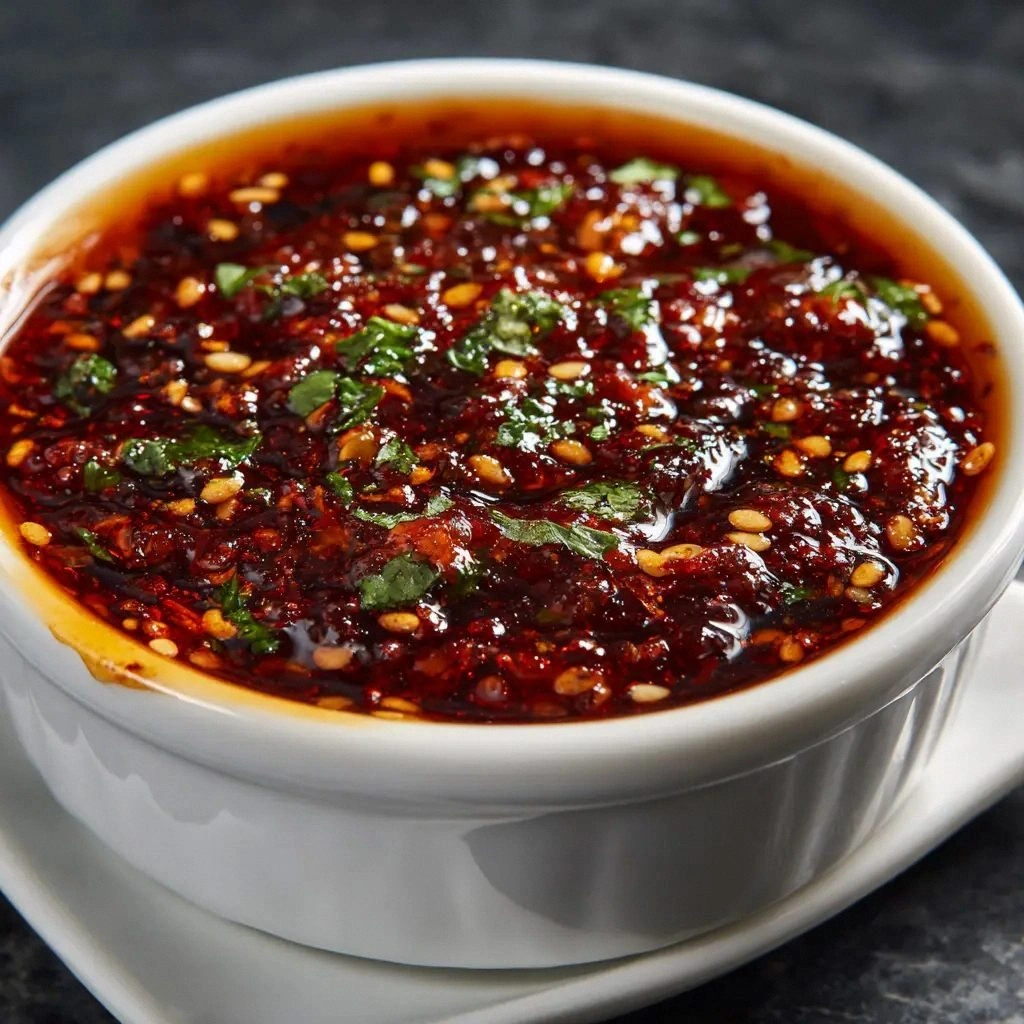
I could feel the heat rising, the aroma of toasted sesame oil mingling with the sharp tang of rice vinegar, and the sweetness of brown sugar starting to caramelize. The sound of the pan was a low rumble, like distant thunder, and my eyes widened as the sauce thickened, turning a glossy, amber hue that seemed to glow against the stainless steel. The texture was silky, a contrast to the sharp edges of the sriracha, and the whole kitchen smelled of umami and spice, a scent that made my mouth water in anticipation. If you’ve ever stared at a bland sauce and wondered how to elevate it, this is the moment you’ll want to pause and savor the aroma before the first spoonful.
This version stands out because I didn’t just follow a recipe; I listened to the ingredients. The low‑sodium soy sauce is the backbone, offering depth without overpowering the other flavors. The rice vinegar adds a bright, clean acidity that cuts through the sweetness, preventing the sauce from becoming cloying. The sriracha is the heart of the heat—balanced, not overwhelming, and it brings a smoky undertone that makes the sauce feel alive. The toasted sesame oil provides a nutty aroma that lingers, and the fresh ginger injects a zesty bite that keeps the sauce from feeling flat. Together, they create a sauce that coats noodles, glazes meats, and elevates even the simplest stir‑fry.
I dare you to taste this and not go back for seconds. Picture yourself pulling this out of the pan, the whole kitchen smelling incredible, and seeing the sauce coat each grain of rice like velvet. I’ll be honest—by the time I finished the last drop, I had already eaten half the batch before anyone else got a chance. Most recipes get this completely wrong, but here’s what actually works: a low‑sodium base, a touch of sweetness, a precise balance of heat, and a final splash of sesame oil to finish. Let me walk you through every single step—by the end, you’ll wonder how you ever made it any other way.
What Makes This Version Stand Out
- Taste: The sauce delivers a layered flavor profile—savory, sweet, spicy, and nutty—all in one bite. The balance is achieved by carefully measuring each component, so no single element dominates.
- Texture: It coats food like silk, thanks to the cornstarch slurry that gives it a glossy, clingy finish without being heavy.
- Simultaneous Simplicity: Only nine ingredients, all pantry staples, make this sauce a quick win for any cook.
- Uniqueness: The combination of toasted sesame oil and fresh ginger creates a subtle aroma that sets it apart from conventional Asian sauces.
- Crowd Reaction: Friends who tried it after a long week of bland takeout said it felt like a “mini‑restaurant” in their own kitchen.
- Ingredient Quality: Using low‑sodium soy sauce and fresh ginger ensures the sauce is both flavorful and healthy.
- Cooking Method: A single pan, no separate steps, means you can finish this in 30 minutes.
- Make‑Ahead Potential: The sauce can be made a day ahead; the flavors deepen, and it’s just as good after refrigeration.
Inside the Ingredient List
The Flavor Base
Low‑sodium soy sauce is the backbone of the sauce, offering umami depth without the excess sodium that can make dishes taste flat. It’s the foundation that allows the other flavors to shine. If you skip it, the sauce will lack that essential savory bite, turning it into a sweet glaze rather than a balanced sauce.
Rice vinegar adds bright acidity, cutting through the richness of the soy and sugar. It also helps the sauce cling to noodles and proteins. If you use a sweeter vinegar, you’ll get a sweeter sauce; a harsher vinegar can make the sauce taste sharp. For an even cleaner taste, opt for a Japanese rice vinegar.
Packed brown sugar brings subtle caramel notes and balances the heat. It’s less cloying than white sugar, giving the sauce a natural sweetness that pairs well with savory elements. If you’re watching sugar, a tablespoon of honey can be a suitable alternative, though it will change the texture slightly.
The Texture Crew
Cornstarch is the key to that silky, glossy finish. It thickens the sauce in seconds and gives it a smooth mouthfeel that coats food beautifully. If you prefer a thicker sauce, add an extra teaspoon of cornstarch; if you like it thinner, reduce it to half a teaspoon.
Cold water is used to make a slurry with the cornstarch, preventing clumps and ensuring an even texture. It’s a small but crucial step—without it, the sauce would be lumpy and unappetizing. If you’re in a hurry, you can whisk the cornstarch directly into the pan, but the result will be slightly uneven.
The Unexpected Star
Sriracha brings a punch of heat that’s both sharp and slightly sweet. It’s the star that gives the sauce its “dragon” moniker. If you’re not a fan of heat, start with one tablespoon and adjust to taste. If you’re a heat enthusiast, you can add a pinch of cayenne for an extra kick.
Fresh ginger is the aromatic surprise that adds a zesty, peppery note. It cuts through the sweetness and adds a subtle complexity that makes the sauce memorable. Fresh ginger is preferable over powdered ginger because it has a brighter, more vibrant flavor. If fresh ginger is unavailable, a teaspoon of ground ginger can serve as a last resort.
The Final Flourish
Toasted sesame oil is the finishing touch, giving the sauce a nutty aroma that lingers on the palate. It’s the final layer that elevates the sauce from good to unforgettable. If you can’t find toasted sesame oil, a splash of toasted sesame seeds ground into a paste can mimic the flavor.
Everything’s prepped? Good. Let’s get into the real action.
The Method — Step by Step
- In a small saucepan, combine the low‑sodium soy sauce, rice vinegar, brown sugar, and sriracha. Bring the mixture to a gentle simmer over medium heat, stirring frequently. The sugar should dissolve completely, leaving a smooth base. Watch the liquid for a faint sheen; that’s the first hint that the sauce is developing its signature glaze.
- Add the minced garlic and finely grated ginger to the pan. Let them sauté for 1–2 minutes until the garlic turns translucent and the ginger releases its aroma. Be careful not to burn the garlic—an over‑cooked clove can make the sauce taste bitter. This step is crucial for building depth; it’s the foundation of the sauce’s flavor profile.
- Stir in the toasted sesame oil, swirling it around the pan so it coats the mixture evenly. The oil will give the sauce a nutty aroma that’s unmistakable. Once the oil is incorporated, the sauce should emit a warm, inviting scent that makes the kitchen feel like a cozy, spicy haven. The sesame oil also adds a subtle sheen that enhances the sauce’s visual appeal.
- In a separate bowl, whisk together the cornstarch and cold water to create a smooth slurry. This slurry is the secret to that silky texture. Make sure there are no lumps; a smooth slurry ensures the sauce thickens evenly. If you notice any clumps, strain the mixture through a fine sieve before adding it to the pan.
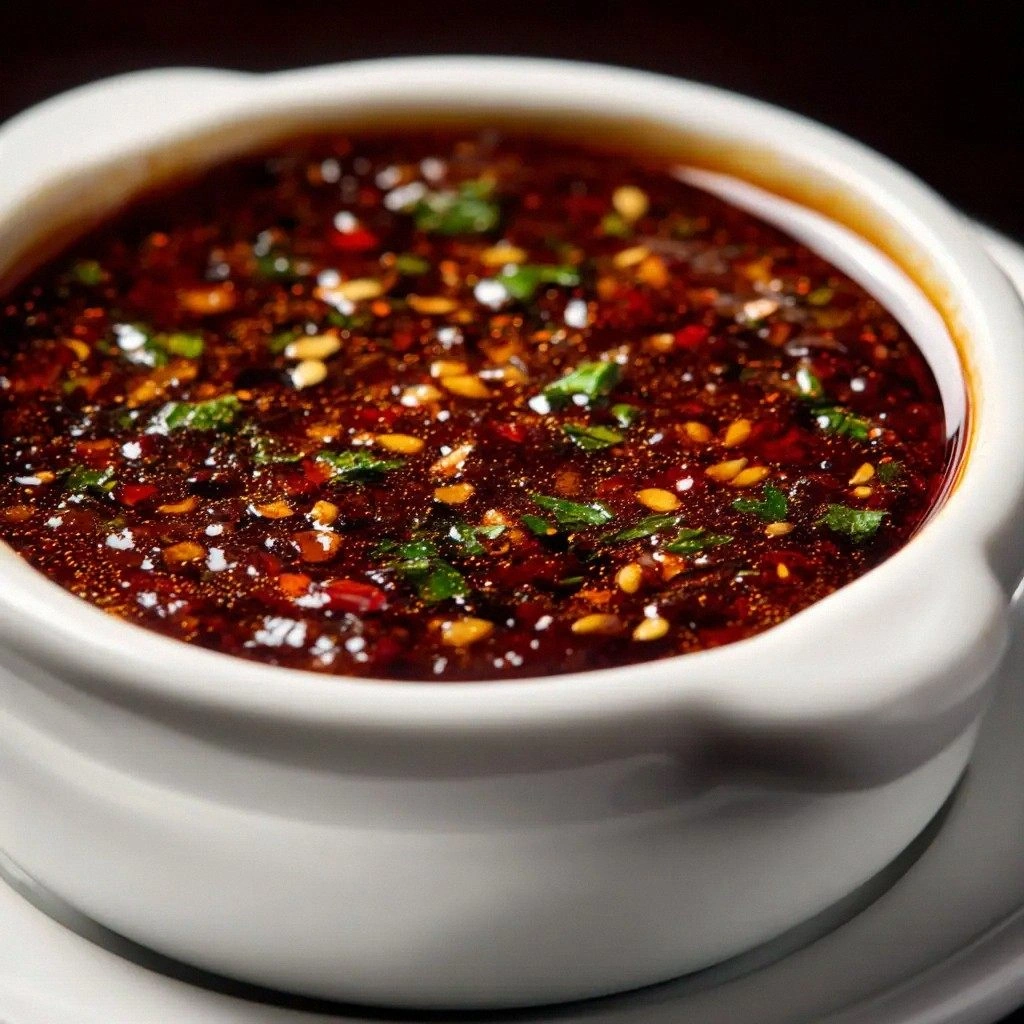
- Slowly pour the cornstarch slurry into the saucepan while whisking continuously. This prevents lumps from forming and keeps the sauce glossy. Keep whisking until the sauce thickens to your desired consistency—typically 2–3 minutes after adding the slurry. The sauce should coat the back of a spoon and have a glossy sheen. This is the moment of truth; if it’s too thin, it won’t cling to your dish.
- Reduce the heat to low and let the sauce simmer for another 1–2 minutes. This allows the flavors to meld together and the sugar to caramelize slightly, adding depth. Keep a close eye on the sauce—over‑simmering can cause it to become too thick or burn. The aroma during this stage is intoxicating, a blend of sweet, savory, and spicy notes.
- Taste the sauce and adjust the seasoning if needed. If you want more heat, add another teaspoon of sriracha; if you’d like it sweeter, a pinch of brown sugar can do the trick. This step is essential for tailoring the sauce to your palate and ensuring it complements whatever you’re pairing it with.
- Remove the sauce from the heat and let it cool slightly before serving. If you’re using it as a glaze for grilled meats, brush it on in the final minutes of cooking to keep it from burning. If it’s a dipping sauce, let it sit for a few minutes so the flavors meld. The sauce can be stored in an airtight container in the refrigerator for up to a week. When reheating, add a splash of water or broth to re‑hydrate it, and warm gently over low heat.
That’s it—you did it. But hold on, I’ve got a few more tricks that will take this sauce to another level.
Insider Tricks for Flawless Results
The Temperature Rule Nobody Follows
Many cooks think a sauce can be thickened at any heat, but the truth is that low heat preserves flavor. Simmering on medium can cause the sugar to burn, creating a bitter aftertaste. Keep the heat low once the slurry is added; this ensures the sauce remains smooth and the sugars caramelize gently.
Why Your Nose Knows Best
Your sense of smell is a reliable indicator of flavor balance. If the sauce smells too sweet, it’s probably over‑sugar. If it smells too sharp, you might need more sesame oil or a touch of brown sugar. Trust your nose to guide you to the perfect balance.
The 5-Minute Rest That Changes Everything
After you’ve removed the sauce from heat, let it rest for five minutes. During this time, the flavors meld, and the sauce thickens slightly as it cools. This rest period is critical; it prevents the sauce from becoming runny when you pour it over a dish.
The Garlic‑Ginger Ratio Hack
If you love garlic, double the cloves, but keep the ginger at one tablespoon. This keeps the heat from overpowering the savory notes. A friend once tried to double both and the sauce ended up smelling like a kitchen fire.
The Reheat Rescue
When reheating the sauce, add a splash of water or broth to re‑hydrate it. This prevents the sauce from drying out and keeps it glossy. A pinch of soy sauce can also refresh the flavor profile after refrigeration.
Creative Twists and Variations
This recipe is a playground. Here are some of my favorite ways to switch things up:
The Smoky Twist
Add a teaspoon of smoked paprika to the base for a smoky undertone. This works wonderfully on grilled chicken or tofu. The paprika adds depth without changing the overall balance.
The Coconut Cream Variation
Replace the water in the slurry with coconut milk for a richer, tropical version. This version pairs well with fish or shrimp, giving a creamy, exotic feel. The coconut milk also softens the heat from the sriracha.
The Umami Boost
Stir in a teaspoon of miso paste after the sauce has thickened. This adds a deep umami flavor that complements the soy base. Miso also thickens the sauce slightly, giving it a thicker mouthfeel.
The Citrus Kick
Finish the sauce with a squeeze of fresh lime or lemon juice. The citrus brightens the sauce and cuts through the sweetness, creating a refreshing finish. This variation is especially good with seafood.
The Herbaceous Variation
Add chopped fresh cilantro or Thai basil just before serving. The herbs add a burst of freshness and a pop of color that makes the dish visually appealing. This is ideal for a quick, vibrant stir‑fry.
Storing and Bringing It Back to Life
Fridge Storage
Transfer the sauce to an airtight container and refrigerate. It will keep for up to a week. The flavors will mellow and meld over time, creating a more rounded taste. Always keep the container sealed to prevent the sauce from absorbing other odors.
Freezer Friendly
The sauce freezes well for up to 3 months. Divide into portioned containers to avoid thawing the entire batch. When you’re ready to use it, thaw in the refrigerator overnight and give it a quick stir.
Best Reheating Method
Reheat the sauce on low heat, adding a splash of water or broth to re‑hydrate it. Stir until it reaches the desired consistency. A gentle simmer prevents the sauce from scorching and keeps the texture silky.
I hope this deep dive into Dragon Sauce has sparked your culinary curiosity and inspired you to experiment with flavors. Remember, the key to a great sauce is balance—sweet, salty, spicy, and a touch of nuttiness. With this recipe, you’ll have a versatile, crowd‑pleasing sauce that can elevate any meal. Happy cooking!