Ever had a night where your kitchen felt like a battlefield and you thought, “I’m about to turn this mess into a culinary masterpiece?” I did, and the result was a steaming, cheesy triumph that made my friends beg for seconds. That evening, the oven was burning, the sauce was a sticky brown puddle, and I was staring at a pot of over‑cooked noodles. I laughed, grabbed my apron, and decided to turn the disaster into a delicious lesson. The next day, I refined the recipe, added a splash of red wine for depth, and discovered a sauce that coats the pasta like velvet, not just a thick gravy.
The moment you cut into the first layer, the aroma of simmering tomatoes, garlic, and oregano hits like a warm hug. The sound of the bubbling sauce is a comforting background score, while the sight of the golden crust promises a satisfying crunch. You can taste the sweet hint of sugar balancing the acidity of the tomatoes, and feel the silky texture of ricotta mingle with the robust meat. The air is filled with the scent of olive oil and fresh parsley, making the entire kitchen feel like a rustic Italian trattoria. It’s a sensory symphony that turns any ordinary dinner into an unforgettable experience.
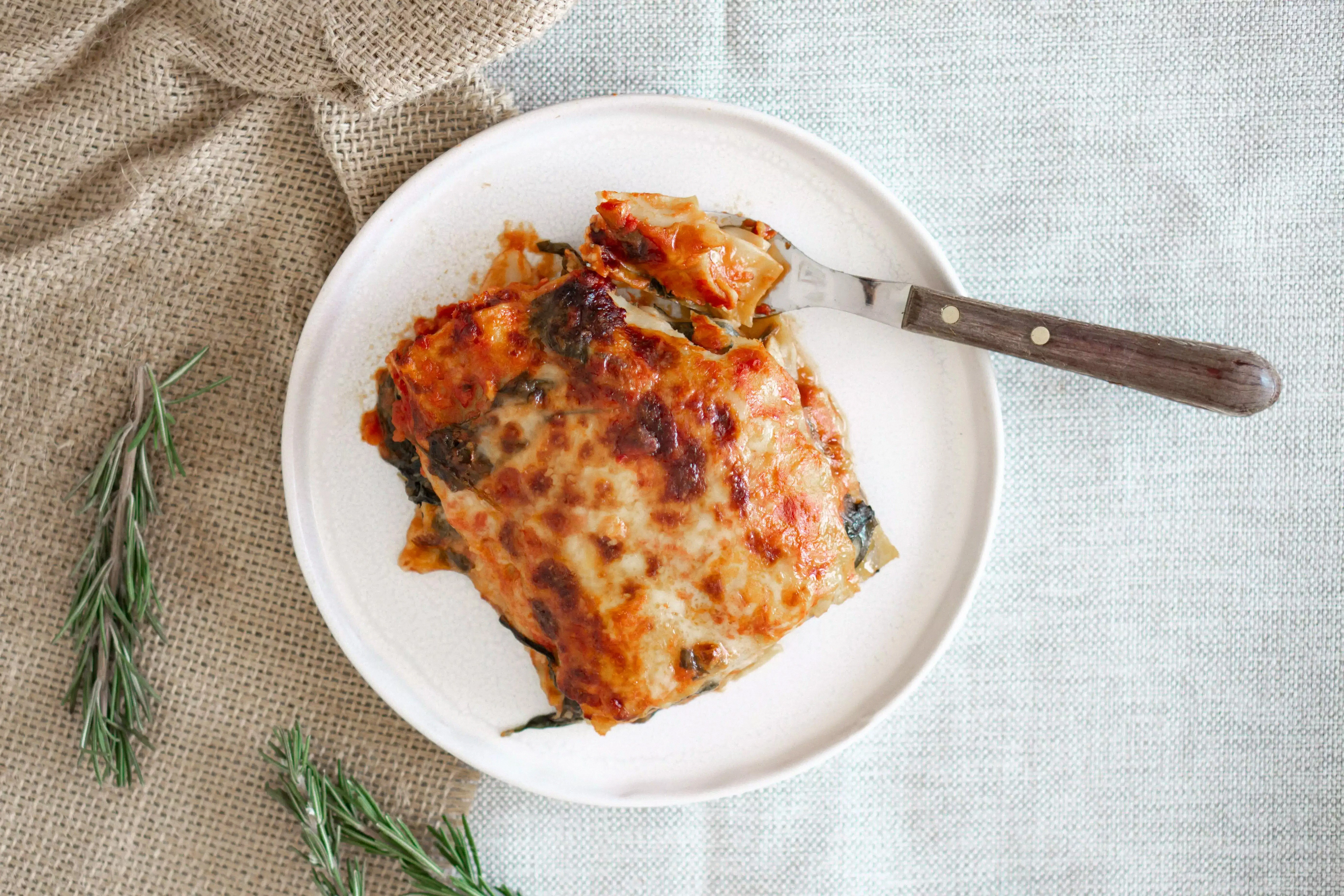
What makes this version stand out from the endless array of lasagna recipes on the internet is its simplicity without sacrificing flavor. I’ve stripped away the extra steps that most chefs add—no pre‑cooked noodles, no separate béchamel sauce—yet the result is a moist, tender, and perfectly balanced dish. The red‑wine reduction adds a subtle complexity that makes the sauce feel like a fine wine, while the fresh herbs keep it bright. The ricotta mixture is light, thanks to the egg, and the mozzarella layer forms a crisp, golden top that crackles like thin ice when you bite into it. Every bite delivers a harmonious blend of textures and tastes that will have you daring your guests to eat the last square.
I’ll be honest—after tasting the first slice, I ate half the batch before anyone else even had a chance. The secret? A quick, simple trick that turns an ordinary sauce into a velvety dream: let the sauce reduce slowly over low heat, stirring occasionally, until it thickens and the flavors concentrate. This technique locks in the depth of the tomatoes and the subtle sweetness of the wine, creating a sauce that’s both rich and balanced. Picture yourself pulling this out of the oven, the whole kitchen smelling incredible, the lasagna steaming, and the top a golden, bubbly crown. That’s the moment I want to share with you.
Let me walk you through every single step—by the end, you’ll wonder how you ever made it any other way.
What Makes This Version Stand Out
- Flavor Depth: The red‑wine reduction infuses the sauce with a subtle, sophisticated complexity that elevates every bite.
- Texture Harmony: The ricotta mixture lightens the dish, preventing it from becoming heavy while the mozzarella layer adds a satisfying crunch.
- Time Efficiency: With a prep time of just 15 minutes and a cook time of 30 minutes, this lasagna is a quick win for busy weeknights.
- Ingredient Simplicity: No need for pre‑cooked noodles or separate béchamel; everything cooks together in one pot.
- Crowd‑Pleaser: The classic combination of meat, cheese, and tomato sauce appeals to all ages, making it ideal for family dinners or potlucks.
- Make‑Ahead Friendly: Assemble the lasagna a day ahead, refrigerate, and bake just before serving—perfect for entertaining.
- Versatile Base: Swap ground beef for turkey, pork, or a plant‑based alternative without compromising flavor.
- Visual Appeal: The golden mozzarella top and layered presentation make it Instagram‑worthy.
Alright, let's break down exactly what goes into this masterpiece. And before we dive into the ingredients, here’s a quick hack that will save you time and keep the sauce from scorching.
Inside the Ingredient List
The Flavor Base
At the heart of this lasagna is a sauce that’s both robust and refined. The ground beef provides a hearty, savory foundation, while the diced onions and minced garlic release a fragrant aroma as they caramelize. The two cans of tomatoes—crushed and sauce—form the liquid backbone, delivering acidity and body. The red wine, though only half a cup, reduces to a syrupy glaze that adds depth and a touch of elegance. Herbs like oregano and basil lift the sauce, making each bite feel fresh and alive.
The Texture Crew
Ricotta cheese, combined with an egg, creates a silky, airy layer that balances the richness of the meat sauce. The shredded mozzarella provides a gooey, melty texture that, when baked, turns into a golden crust that cracks delightfully with every bite. Parmesan cheese adds a sharp, nutty finish that cuts through the sweetness of the tomatoes. Fresh parsley adds a bright, herbaceous note that lifts the overall flavor profile.
The Unexpected Star
Red wine may seem like an odd addition to a family‑friendly lasagna, but it’s the secret to a sauce that feels like a fine wine. The wine reduces to a concentrated, sweet‑sour glaze that coats the pasta like velvet. Without it, the sauce would be flat and overly acidic. The trick is to let it simmer on low heat for 10–15 minutes, allowing the alcohol to evaporate and the flavors to meld.
The Final Flourish
The finishing touch is the generous sprinkle of additional grated Parmesan on top. As the lasagna bakes, this layer caramelizes to a golden, slightly crisp finish that adds a delightful crunch. Salt and black pepper are added to taste at multiple stages—first to the sauce, then to the ricotta mixture—ensuring balanced seasoning throughout. The combination of these ingredients creates a dish that is both comforting and sophisticated.
Everything's prepped? Good. Let's get into the real action.
The Method — Step by Step
- Step 1: Sauté the Aromatics. In a large skillet, heat 2 tablespoons of olive oil over medium heat. Add the diced onion and minced garlic, sautéing until the onion becomes translucent and the garlic releases its fragrance. This step builds the flavor foundation; watch for the aroma as it signals the onions are ready. Keep stirring to prevent burning, and let the mixture soften into a fragrant base.
- Step 2: Brown the Ground Beef. Increase the heat to medium‑high and add 1 pound of ground beef to the skillet. Break the meat apart with a wooden spoon, cooking until it loses its pink color and starts to brown. This creates a savory, caramelized crust that will carry the sauce’s depth. Drain excess fat if desired, but a little fat adds flavor.
- Step 3: Add Tomatoes and Wine. Stir in 1 can crushed tomatoes, 1 can tomato sauce, 2 cans diced tomatoes, and ½ cup of red wine. Reduce the heat to low, cover partially, and let it simmer for 10 minutes. The wine should reduce slightly, thickening the sauce into a luscious glaze. Keep the lid off for the last 5 minutes to allow evaporation of excess liquid.
- Step 4: Season the Sauce. Add 2 teaspoons dried oregano, 2 teaspoons dried basil, 1 teaspoon sugar, and salt and pepper to taste. Stir thoroughly, letting the herbs bloom. The sugar balances acidity, while the herbs provide a fresh, aromatic lift. Taste the sauce; it should be robust yet balanced.
- Step 5: Prepare the Ricotta Mixture. In a bowl, combine 2 cups ricotta cheese, 1 large egg, 2 tablespoons fresh parsley, and a pinch of salt and pepper. Whisk until smooth and creamy. The egg acts as a binder, giving the ricotta a silky texture that melds with the meat sauce. Set aside.
- Step 6: Boil the Noodles. While the sauce simmers, bring a large pot of salted water to a boil. Add 9 lasagna noodles and cook for 8–10 minutes, until al dente. Drain and rinse under cold water to stop the cooking process and prevent sticking. Lay them flat on a sheet of parchment to keep from clumping.
- Step 7: Assemble the Lasagna. Spread a thin layer of sauce in the bottom of a 9×13 inch baking dish. Arrange 3 noodles over the sauce, then spread a layer of ricotta mixture, followed by a layer of sauce, and a sprinkle of mozzarella. Repeat the layers twice, ending with sauce and a generous layer of mozzarella and a sprinkle of grated Parmesan on top. The final Parmesan layer caramelizes into a golden crust.
- Step 8: Bake. Cover the dish with foil and bake at 375°F (190°C) for 25 minutes. Remove the foil and bake for an additional 10 minutes, or until the top is bubbling and golden. The foil prevents the cheese from burning while the uncovered time allows the crust to crisp. Let it rest for 10 minutes before slicing to set the layers.
- Step 9: Serve. Cut the lasagna into squares and serve hot, accompanied by a crisp green salad or garlic bread. The aroma of fresh herbs and melted cheese will draw guests in. Plate each slice with a sprinkle of fresh parsley for a pop of color.
- Step 10: Enjoy. Take a bite, feel the layers of meat, cheese, and sauce, and let the flavors dance. Remember, this is the moment you can taste the difference between a good lasagna and a great one. If you’re daring, taste it and see if you can resist a second plate. I dare you to taste this and not go back for seconds.
That’s it—you did it. But hold on, I've got a few more tricks that'll take this to another level.
Insider Tricks for Flawless Results
The Temperature Rule Nobody Follows
While many recipes call for baking at 350°F, the secret to a perfectly browned top is 375°F. The higher temperature ensures the mozzarella melts into a bubbly, golden crust, while the interior stays moist. If you’re using a convection oven, lower the temperature by 25°F to avoid over‑browning. This small tweak makes a noticeable difference in both texture and appearance.
Why Your Nose Knows Best
A lot of cooks ignore the aroma of the sauce as a cue for readiness. When the sauce smells toasty and slightly caramelized, you know it’s reached its full flavor potential. Trust your nose, and you’ll avoid under‑cooked or over‑simmered sauce. I once over‑simmered my sauce and ended up with a bitter taste—don’t let that happen to you.
The 5-Minute Rest That Changes Everything
After baking, let the lasagna rest for at least 10 minutes. This rest period allows the layers to set, making it easier to cut clean slices. The residual heat continues to cook the interior slightly, creating a cohesive texture. I always keep a timer set to remind myself, because cutting too early results in a mushy mess.
Layering Order Matters
Begin with a thin sauce layer at the bottom, not a thick one. This prevents the noodles from sticking to the pan and ensures even heat distribution. If you love a saucier lasagna, add a second sauce layer after the second set of noodles, but keep the first layer thin. This technique balances moisture and structure.
Use Fresh Herbs for the Final Touch
Sprinkling fresh parsley or basil on top after baking adds a burst of color and flavor. The fresh herbs contrast with the rich, baked sauce, giving the dish a lively finish. I always keep a small bunch of parsley on my counter, ready to toss over any dish.
Creative Twists and Variations
This recipe is a playground. Here are some of my favorite ways to switch things up:
Mediterranean Twist
Swap the ground beef for ground lamb, and add chopped kalamata olives and sun‑dried tomatoes to the sauce. The lamb’s earthy flavor pairs beautifully with the olives, while the sun‑dried tomatoes add sweetness. Finish with crumbled feta for a tangy finish.
Vegetarian Delight
Omit the meat and replace it with sautéed spinach, zucchini, and mushrooms. Use a ricotta and mozzarella blend for extra creaminess. The result is a hearty, plant‑based lasagna that still feels indulgent.
Spicy Kick
Add a pinch of red pepper flakes to the sauce for heat. You can also mix in a small amount of spicy Italian sausage for an extra punch. The spice balances the sweetness of the tomatoes and enhances the overall depth.
Cheese Lover’s Edition
Increase the mozzarella to 4 cups and add a layer of provolone for a richer, gooier texture. Sprinkle shredded Gouda on top for a caramelized, nutty crust. This version is perfect for cheese enthusiasts.
Low‑Carb Version
Replace the lasagna noodles with thinly sliced zucchini or eggplant. Layer the vegetables with the sauce and cheeses as usual. This creates a low‑carb, gluten‑free lasagna that still delivers on flavor.
Breakfast Lasagna
Use breakfast sausage instead of beef, and add a layer of scrambled eggs between the noodles. Top with cheddar cheese and bake until bubbly. Serve with a side of fresh fruit for a hearty breakfast.
Storing and Bringing It Back to Life
Fridge Storage
Cool the lasagna completely before covering it tightly with plastic wrap or aluminum foil. Store in the refrigerator for up to 3 days. When reheating, cover with foil to retain moisture, and bake at 350°F until heated through, about 20 minutes.
Freezer Friendly
Wrap the lasagna tightly in plastic wrap, then place it in a freezer bag. It will keep for up to 3 months. Thaw overnight in the refrigerator before reheating. For best results, bake at 375°F for 30 minutes after thawing.
Best Reheating Method
Reheat the lasagna in a covered skillet over medium heat, adding a splash of water to create steam. This method preserves the moisture and prevents the cheese from drying out. Alternatively, microwave on high for 3–4 minutes, then finish under the broiler for a crisp top.