Love this? Pin it for later! 📌
There are nights when the clock strikes five and I’m still staring at a blank planner page, wondering how dinner is supposed to materialize out of thin air. Those are the exact nights this one-pan honey-lime chicken was born for. I first cobbled it together on a rainy Tuesday after a marathon day of recipe-testing other dishes; my energy was spent, my dishwasher was full, and the only thing I wanted to wash was—ideally—nothing. Thirty minutes later my husband and I were balancing steaming plates on our knees, swiping the sweet-sticky sauce off the pan with crusty bread and declaring this accidental experiment “blog-worthy.” Since then it’s become the recipe my neighbors text me for when they spot the neon Post-it I leave on the communal mailbox: “Need dinner fast? Try the honey-lime chicken on page 42 of your binder.” It’s week-night insurance: bright, fresh, comforting, and—true story—my kids think licking the honey-lime glaze off their fingers counts as a serving of fruit because, well, lime.
Why This Recipe Works
- One pan, zero drama: chicken, sauce, and optional veggies all cook together—minimal washing up.
- Speedy pantry marinade: honey, lime, soy, and garlic need zero advance planning yet deliver big restaurant flavor.
- Build-your-own dinner: serve over rice, cauliflower rice, quinoa, or shred leftovers for tacos.
- Meal-prep champ: doubles or triples beautifully; leftovers reheat like a dream.
- Family-approved sweet spot: the glaze is sweet-tart, not candy-sweet—adults love the chili kick, kids love the stickiness.
- Freezer friendly: raw chicken can swim in the marinade and freeze up to 3 months; thaw overnight and proceed.
Ingredients You'll Need
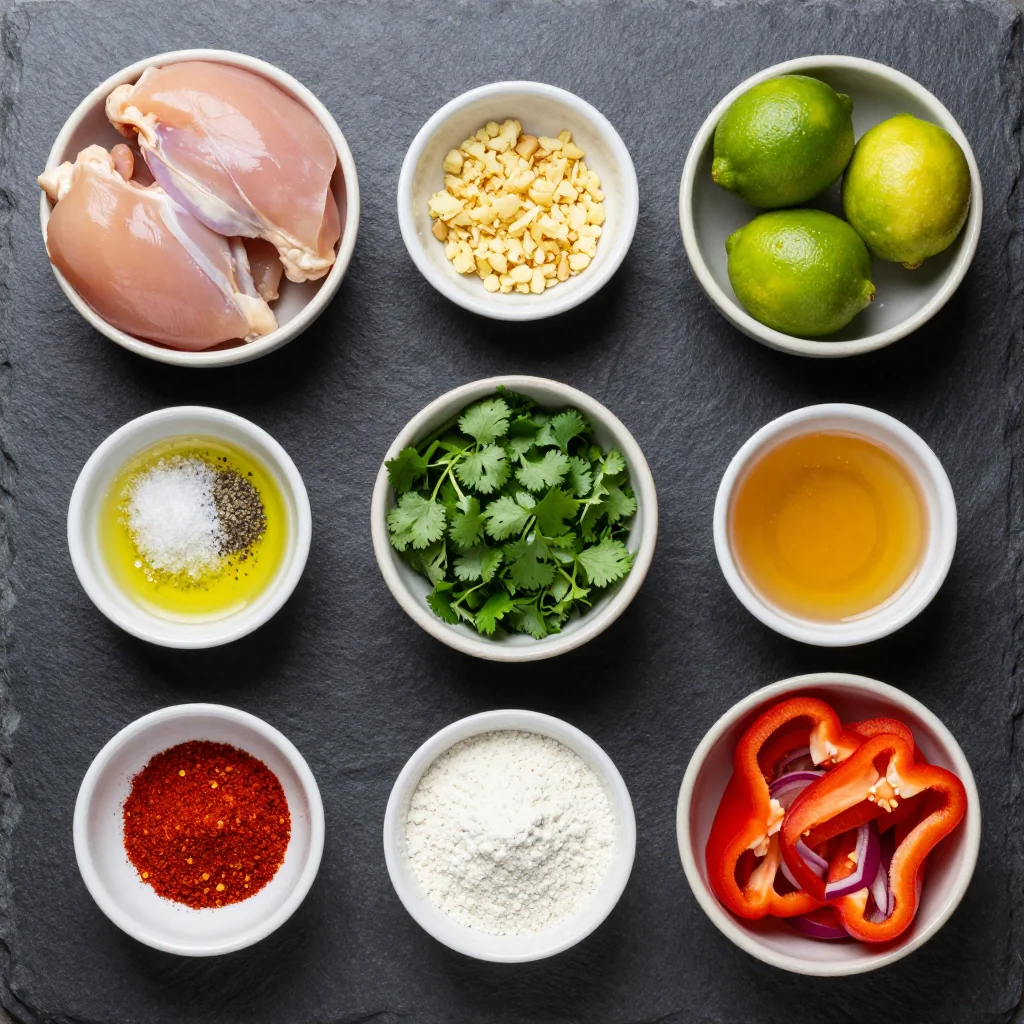
Before we talk technique, let’s talk groceries—because the right ingredients make the difference between “pretty good” and “why is this gone already?”
Chicken thighs – boneless, skinless. Thighs stay juicy even if you accidentally over-time them by a minute or two. If you’re a die-hard breast fan, go ahead, but pull them off the heat the instant they hit 160 °F. I buy the family pack; extras freeze beautifully in the marinade.
Honey. Use the everyday squeeze-bear you already have. Clover honey is mellow; wildflower adds floral depth. Avoid raw manuka here—its delicate nuances get lost under high heat.
Fresh limes. One large lime yields about 2 Tbsp juice plus plenty of zest for a bright top-note. Bottled juice works in a pinch but lacks the volatile oils that make the glaze sing. Pro tip: roll the lime under your palm for 5 seconds before cutting—extra juice, no extra cost.
Low-sodium soy sauce. Salt control. If you only have regular, cut the added salt in half and taste at the end. Tamari or coconut aminos swap seamlessly for gluten-free or soy-free diners.
Garlic. Freshly minced, not the jarred stuff floating in citric acid. Yes, I tested both; yes, we noticed.
Olive oil. A splash helps the marinade stick and promotes browning. Any neutral oil works—avocado, grapeseed, even melted ghee for a buttery note.
Cornstarch. Just a teaspoon transforms the marinade into a shiny lacquer that clings rather than puddles. Arrowroot or tapioca starch substitute 1:1.
Optional but lovely: a pinch of red-pepper flakes for gentle heat, or fresh cilantro and toasted sesame seeds for a photogenic finish. If you’re feeding little palates, serve chili flakes tableside instead.
How to Make Easy One-Pan Honey Lime Chicken for a Quick Dinner
Whisk the marinade
In a medium bowl combine 3 Tbsp honey, 2 Tbsp fresh lime juice, 1 Tbsp soy sauce, 2 tsp finely grated lime zest, 1 tsp minced garlic, 1 tsp olive oil, 1 tsp cornstarch, ¼ tsp kosher salt, and a pinch of pepper. Whisk until the cornstarch dissolves completely—no sneaky lumps allowed.
Prep the chicken
Pat 1 ½ lb boneless skinless chicken thighs dry with paper towels. Trim any large flaps of fat—those bits burn before the meat cooks. Cut larger thighs in half so every piece is roughly 2–3 oz; uniform size equals uniform cooking.
Marinate (5-minute fast track or 30-minute flavor max)
Add chicken to the bowl, turn to coat, and let stand while you heat the pan. If you have an extra 30 minutes, cover and refrigerate; the acid tenderizes ever so slightly, but don’t go beyond 2 hours or the lime juice turns the edges mealy.
Heat the skillet
Use a 12-inch stainless or cast-iron skillet so you have room for the sauce later. Medium-high heat, 1 Tbsp oil, until the oil shimmers and a drop of water dances. If the pan isn’t hot enough the chicken will stew; too hot and the honey burns.
Sear the first side
Lay chicken in gently—away from you to avoid oil splatter. Cook 3–4 min without nudging; you want a deep caramelized crust. Adjust heat if the honey turns dark amber in under 2 minutes.
Flip and sauce
Turn pieces with tongs; immediately pour remaining marinade over everything. Reduce heat to medium-low, cover, and simmer 5 minutes. The cornstarch activates, turning the liquid into glossy glaze.
Check doneness
Thickest piece should read 170 °F on an instant-read thermometer. If you’re shy, add 2 minutes and check again. Remove chicken to a plate; tent loosely with foil.
Finish the glaze
Increase heat to medium-high and reduce sauce 1–2 minutes, stirring, until it thickly coats a spoon. Return chicken (and any accumulated juices) to the pan, flipping to gloss both sides.
Serve
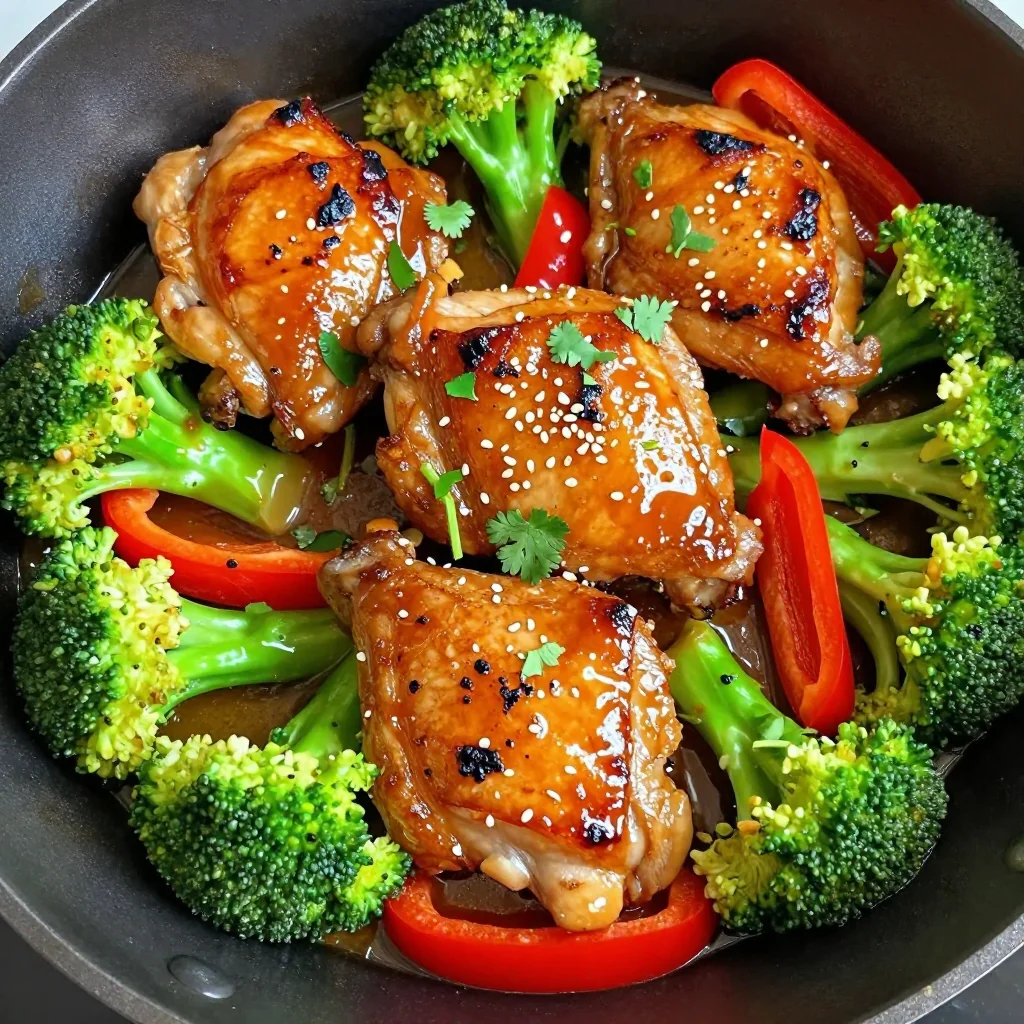
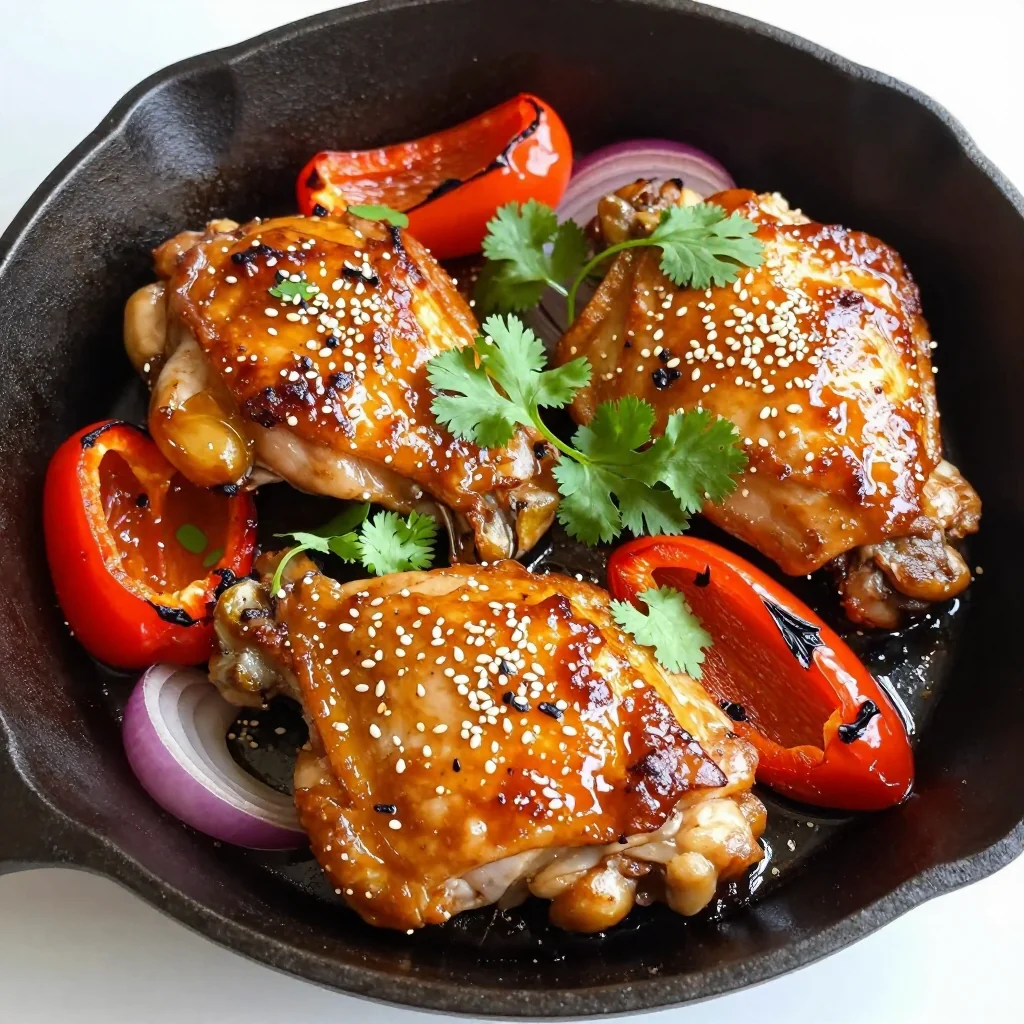
Sprinkle with sesame seeds and cilantro if using. Serve straight from the skillet—fewer dishes, more family-style charm.
Expert Tips
Control the heat
Honey burns at 350 °F. If you see wisps of smoke, lower the flame and deglaze with a splash of water instead of oil.
Extra sauce hack
Double the marinade but cook only half; reserve the remainder, simmer separately, and serve as tableside drizzle for rice.
Make-ahead marinade
Whisk the sauce in a jar; keeps 1 week refrigerated. Add chicken the morning of, pop back in the fridge, and dinner’s 80 % done before you walk in the door.
Broil for char
For deeper color, slip the skillet under the broiler 2 minutes at the end—watch closely, the honey can go from bronzed to bitter in 30 seconds.
Overnight flavor
Up to 12 hours in the marinade deepens flavor, but keep it cold and add an extra tablespoon of oil to protect the meat surface from acid.
Slice, don’t serve whole
Cut rested chicken into strips and toss back in the glaze; more surface area equals more sticky deliciousness per bite.
Variations to Try
- Spicy Sriracha: swap 1 tsp honey for sriracha and add ½ tsp grated ginger.
- Coconut-Lime: replace olive oil with 2 Tbsp coconut milk and garnish with toasted coconut flakes.
- Orange twist: substitute half the lime juice with fresh orange juice and add ¼ tsp five-spice powder.
- Summer veggie add-on: during the last 4 minutes of cooking, tuck in zucchini ribbons and cherry tomato halves; they soak up the glaze.
- Low-carb sweetener: use allulose or monk-fruit honey substitute for a keto-friendly version—watch the heat, they caramelize faster.
Storage Tips
Refrigerate: cool completely, transfer to an airtight container, and refrigerate up to 4 days. Reheat gently with a splash of water or broth to loosen the glaze; microwave 60-70 % power works best.
Freeze cooked chicken: place cooled strips in a single layer on a parchment-lined sheet; freeze 1 hour, then transfer to a zip bag. Keeps 3 months. Thaw overnight in the fridge and warm in a covered skillet.
Freeze raw in marinade: combine raw chicken and marinade in a freezer bag, expel air, label, and freeze flat up to 3 months. Thaw 24 hours in refrigerator, then cook as directed.
Frequently Asked Questions
Easy One-Pan Honey Lime Chicken for a Quick Dinner
Ingredients
Instructions
- Make marinade: Whisk honey, lime juice, soy sauce, zest, garlic, 1 tsp olive oil, cornstarch, salt, and pepper until smooth.
- Coat chicken: Add chicken, turn to coat. Marinate 5–30 min.
- Heat skillet: Heat remaining 1 Tbsp oil in a 12-inch skillet over medium-high until shimmering.
- Sear: Add chicken, cook 3–4 min until golden. Flip.
- Simmer: Pour in leftover marinade, reduce heat to medium-low, cover, and cook 5 min.
- Finish & serve: Uncover, increase heat to thicken glaze 1–2 min. Top with optional garnishes and serve hot.
Recipe Notes
Internal temp should reach 170 °F. For breasts, stop at 160 °F. Leftovers keep 4 days refrigerated or 3 months frozen.