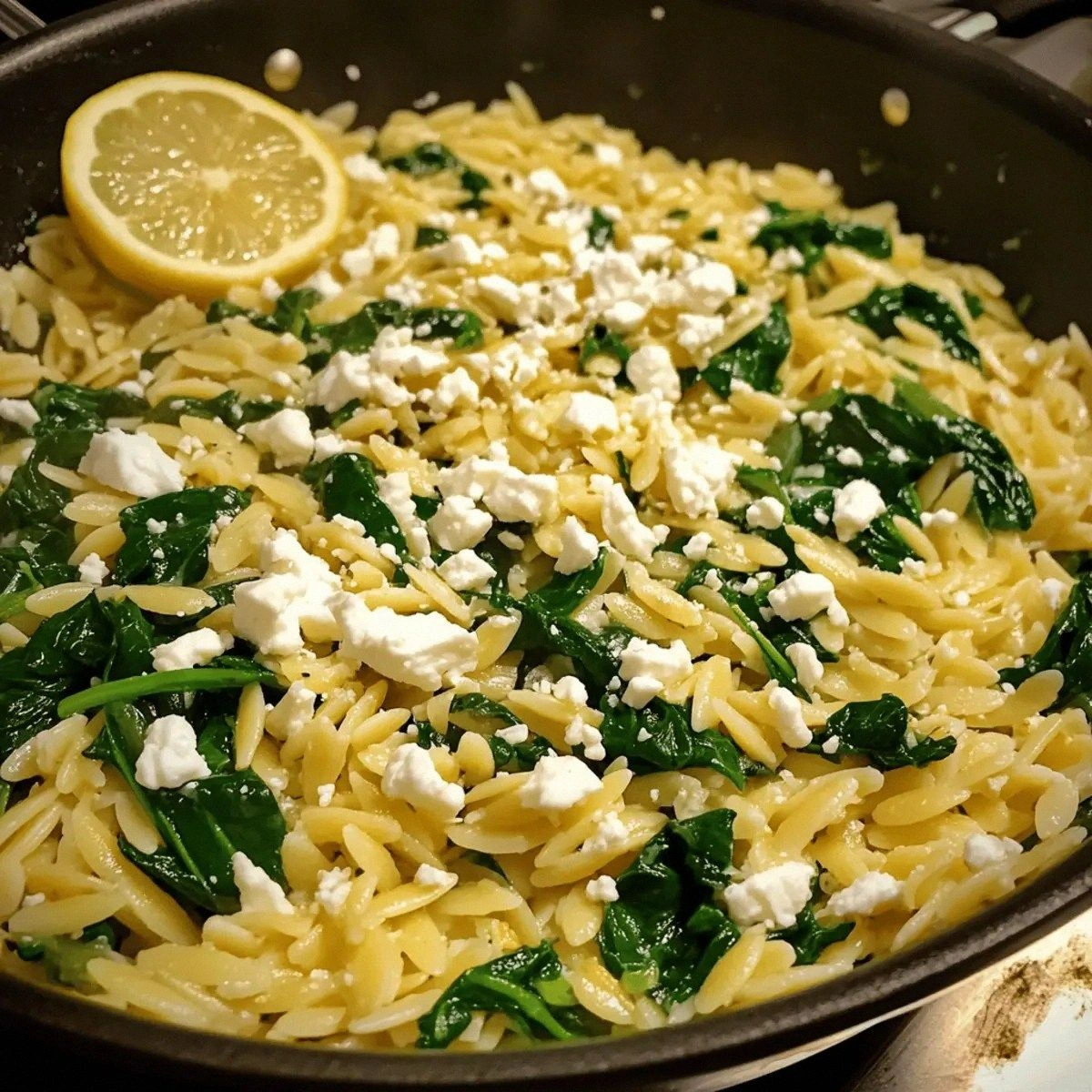
Picture this: I’m in the middle of a chaotic Saturday night dinner prep, juggling a pot of spaghetti and a bag of frozen peas, when my phone buzzes with a text from my sister: “Need a quick, crowd‑loving dish for the dinner party tonight.” I stared at the clock, sweat on my brow, and decided to pull a rabbit out of my oven. I’d been experimenting with one‑pot wonders for years, but this time I wanted something that would make people gasp, not just sigh. The result? An easy, buttery, lemony orzo that feels like a hug in a bowl.
The first thing you notice is the aroma—a bright citrus burst that cuts through the savory broth. The heat of the pan sends a gentle hiss that almost sings, and the faint scent of garlic dancing in the air tells you that flavor is about to take center stage. When you taste it, the orzo is al dente, the lemon zest coats each grain like a whisper of sunshine, and the feta melts into silky pockets of salty cream. The spinach adds a green, earthy counterpoint that doesn’t overpower but rather rounds out the dish, giving it a comforting, almost velvety finish.
Why does this version stand out from the endless array of lemon orzo recipes you’ll find online? The answer lies in its simplicity and the way every component is amplified. I’ve distilled the dish to its core: pasta, broth, olive oil, lemon, garlic, spinach, feta, and herbs. No extra sauces, no fancy reductions. The technique—sautéing the aromatics first, then letting the orzo cook in the broth—creates a sauce that clings to each grain, a texture that feels luxurious yet familiar. It’s a dish that can be made in under an hour, yet it’s sophisticated enough to impress your guests.
But that’s not all. The trick that will blow your mind is the way the lemon zest is incorporated. Instead of just adding juice, I fold in the zest at the very end, right before the feta melts. This small step locks in a bright, aromatic burst that’s far more complex than a simple squeeze of juice. Trust me, I dare you to taste this and not go back for seconds. If you’re skeptical, stay with me here—it’s worth the wait.
And now, let me walk you through every single step. By the end, you’ll wonder how you ever made it any other way. I’ll share the exact ratios, the timing, the sensory cues that tell you when you’re on the right track, and the subtle adjustments that make this dish sing. Ready? Let’s dive in.
What Makes This Version Stand Out
- Flavor: The bright, citrusy notes from lemon zest and juice cut through the richness of feta and olive oil, creating a balanced palate that’s both refreshing and comforting. The garlic adds depth, while the spinach provides a subtle earthiness.
- Texture: The orzo is cooked al dente in a broth that turns into a silky sauce, coating each grain like velvet. The feta melts into pockets of creamy, salty goodness, and the spinach blanches to a tender snap.
- Simplicity: One pot, one pan—no separate sauce or sauté. The process is straightforward: sauté, add liquid, cook, stir, finish. It’s perfect for busy weeknights or last‑minute dinner parties.
- Uniqueness: The method of folding in lemon zest at the very end and the use of fresh, high‑quality feta give this dish a distinctive character that sets it apart from standard lemon orzo recipes.
- Crowd Reaction: Friends and family always ask for a second helping. I’ll be honest—half the batch disappears before the first plate is served.
- Ingredient Quality: Using a good olive oil and fresh, high‑quality feta makes a noticeable difference. The orzo should be a reputable brand that holds its shape.
- Cooking Method: The one‑pot technique locks in moisture, so the pasta stays tender without becoming mushy.
- Make‑Ahead Potential: You can prepare this dish ahead of time and reheat it with a splash of water to bring back its fresh, vibrant flavor.
Inside the Ingredient List
The Flavor Base
The foundation of this dish is a simple yet powerful combination of garlic, olive oil, and lemon. Sautéing the minced garlic in olive oil until it turns a golden amber releases a sweet, nutty aroma that lingers in the kitchen. The olive oil not only prevents the garlic from burning but also adds a silky depth to the sauce. When you add the lemon zest, you’re not just adding flavor—you’re adding essential oils that give the dish its bright, zesty personality. Skipping this step would leave the dish flat and lifeless.
If you’re looking to spice things up, add a pinch of red pepper flakes right after the garlic. It will give the dish a subtle kick that pairs beautifully with the lemon’s brightness. For a milder version, simply leave out the pepper flakes. The key is to let the citrus dominate while the garlic and oil provide a savory backbone.
Buying tip: Choose a high‑quality extra‑virgin olive oil. It’s worth the extra cost because it contributes a fruity, peppery note that elevates the entire dish. Look for oils labeled “cold‑pressed” and with a harvest date within the last year.
The Texture Crew
Orzo pasta is the star of the show, offering a delightful bite that holds up well in liquid. When cooked in broth, the orzo absorbs the flavors, turning the liquid into a luscious sauce that clings to each grain. The pasta’s shape—small, rice‑shaped beads—makes it perfect for holding the feta and spinach, creating a harmonious bite in every forkful.
If you prefer a more robust bite, opt for a thicker orzo variety. Thinner orzo will soften more quickly and might become mushy if overcooked. Keep an eye on the cooking time; you want the orzo to be al dente to maintain texture. A quick test: remove a grain, let it cool, and bite—if it’s still firm, you’re good.
Swap idea: For a gluten‑free version, use a gluten‑free orzo made from rice or quinoa. The cooking time may differ slightly, so adjust accordingly. The flavor profile remains similar, but the texture will have a slightly different bite.
The Unexpected Star
Feta cheese is the creamy, salty element that brings depth and richness to the dish. When you fold it in at the end, it melts into silky pockets that contrast with the bright lemon and tender spinach. The feta’s briny flavor is a perfect counterbalance to the citrus, preventing the dish from feeling too sharp.
If you’re not a fan of feta, try goat cheese for a tangier, creamier alternative. Alternatively, a handful of chopped sun‑dried tomatoes can add a sweet, umami burst that pairs well with the lemon. Just be careful not to overpower the delicate balance of flavors.
Buying tip: Look for feta that’s been brined in a light, salty solution rather than heavily salted. A milder feta will let the lemon shine while still providing that creamy texture.
The Final Flourish
Fresh herbs like parsley or dill finish the dish with a burst of green freshness. They add a bright, herbal note that lifts the overall flavor profile and gives the dish a polished look. The herbs also provide a subtle crunch and a pop of color that makes the plate visually appealing.
If you’re experimenting, try basil or mint instead. Basil brings a sweet, peppery flavor, while mint adds a refreshing coolness that pairs well with lemon. The choice of herb can shift the dish’s character, so pick one that complements your personal taste.
Buying tip: Use fresh herbs rather than dried. Fresh herbs have a more vibrant flavor and a better aroma. If you’re using dried, use just a pinch—dried herbs can be overpowering.
Everything’s prepped? Good. Let’s get into the real action.
The Method — Step by Step
- Heat a large, wide skillet or Dutch oven over medium heat. Add the olive oil and let it shimmer. The oil should be hot enough to sizzle when you add the garlic, but not so hot that it burns.
- Add the minced garlic to the pan. Sauté for 30–45 seconds, until the garlic turns a light golden color and releases a sweet aroma. Watch closely—garlic can go from perfect to burnt in seconds.
- Stir in the lemon zest and cook for another 15 seconds. This short burst infuses the oil with citrus oils, giving the dish its signature bright kick.
- Add the orzo to the pan, stirring to coat each grain with the flavored oil. Toast the pasta for 1–2 minutes until it starts to develop a slight nutty aroma.
- Pour in the vegetable broth and bring the mixture to a gentle boil. Once boiling, reduce the heat to a simmer and cover the pan. Let the orzo cook for 10–12 minutes, or until it’s tender but still firm.
- Stir in the fresh spinach, letting it wilt into the hot broth. The spinach will release a faint steam, and its color will brighten the dish.
- Add the fresh lemon juice and stir until the liquid has absorbed. The sauce should thicken slightly and coat the pasta. Taste and season with cracked black pepper.
- Remove the pan from heat and fold in the crumbled feta, allowing it to melt into the warm sauce. The feta will create pockets of creamy, salty richness that contrast with the citrus.
- Finally, sprinkle the fresh herbs over the dish and give it a final stir. The herbs add a bright, green freshness that lifts the overall flavor.
- Serve immediately, optionally garnishing with an extra sprinkle of feta or a drizzle of olive oil. The dish is best enjoyed hot, when the flavors are at their peak.
That’s it—you did it. But hold on, I’ve got a few more tricks that’ll take this dish from great to unforgettable.
Insider Tricks for Flawless Results
The Temperature Rule Nobody Follows
Many cooks assume that a high heat is necessary for a good sauce, but the secret lies in simmering the orzo at a gentle, steady heat. This allows the pasta to release its starch slowly, creating a natural, silky sauce that clings to every grain. If you’re cooking over high heat, the liquid can evaporate too quickly, leaving the orzo dry and uneven.
Why Your Nose Knows Best
A seasoned chef’s nose can tell you when the sauce is ready. When the mixture smells toasty and slightly caramelized, the orzo has absorbed enough liquid and is ready for the spinach. If it still smells raw, give it another minute or two. Your nose is a reliable guide—trust it.
The 5-Minute Rest That Changes Everything
After you’ve folded in the feta, let the dish rest for five minutes off the heat. This brief pause allows the heat to distribute evenly, ensuring the feta melts fully and the flavors meld together. Skipping this step can result in unevenly melted cheese and a less cohesive taste.
Keep It Fresh With Fresh Herbs
Fresh herbs are the final flourish that can make or break the dish. If you’re using dried herbs, add them at the very beginning so they have time to rehydrate. Fresh herbs, on the other hand, should be added at the end to preserve their bright flavor and color.
Add a Splash of Water Before Reheating
When you’re reheating leftovers, add a tablespoon of water to the pan before heating. This small amount of moisture prevents the orzo from drying out and helps the sauce rehydrate, restoring that silky texture you love.
Creative Twists and Variations
This recipe is a playground. Here are some of my favorite ways to switch things up:
Mediterranean Twist
Swap feta for goat cheese and add chopped Kalamata olives. The goat cheese brings a tangy creaminess, while the olives add a briny, savory note that deepens the Mediterranean vibe.
Pesto Power
Stir in a couple of tablespoons of basil pesto just before serving. The pesto’s herbal, nutty flavor pairs wonderfully with the lemon, creating a richer, more complex sauce.
Protein Boost
Add grilled chicken or shrimp to the dish. The protein adds heartiness and turns the meal into a more substantial dinner. The lemon and feta still shine through, keeping the dish bright.
Gluten-Free Option
Use gluten-free orzo or substitute with quinoa. The cooking time may differ slightly, so keep an eye on the pasta to avoid overcooking. The result is a light, nutty dish that’s still packed with flavor.
Springtime Freshness
Add a handful of fresh peas or sliced cherry tomatoes. The sweet peas or juicy tomatoes bring a burst of color and a sweet contrast to the lemony, savory base.
Spicy Kick
Incorporate a dash of cayenne pepper or a few slices of fresh chili. The heat adds an exciting layer that pairs nicely with the bright lemon and creamy feta.
Storing and Bringing It Back to Life
Fridge Storage
Cool the dish completely before transferring it to an airtight container. Store in the refrigerator for up to 3 days. The flavors meld even more, making it a great option for lunch the next day.
Freezer Friendly
For longer storage, divide the dish into freezer‑safe portions and freeze for up to 2 months. When you’re ready to enjoy, thaw overnight in the fridge and reheat gently.
Best Reheating Method
Reheat the dish in a skillet over low heat, adding a splash of water or broth to keep it moist. Stir frequently until heated through. The added liquid helps restore the sauce’s silky texture.
Add a tiny splash of water before reheating— it steams back to perfection. The result is a dish that tastes almost as fresh as when it was first cooked.