I was staring at my empty fridge one rainy Thursday, the kind of night when you feel like you could just order something that feels like a hug. The only thing I could find was a handful of carrots, a bell pepper, and a can of coconut milk that had been sitting there for weeks. I thought, “Why not give this a shot?” and the result was a skillet that burst with a tropical, comforting flavor that made me question every other rice recipe I’d ever tried. I’m talking about a dish that sings with coconut sweetness, bright veggies, and a lime kick that feels like a summer breeze in a pot.
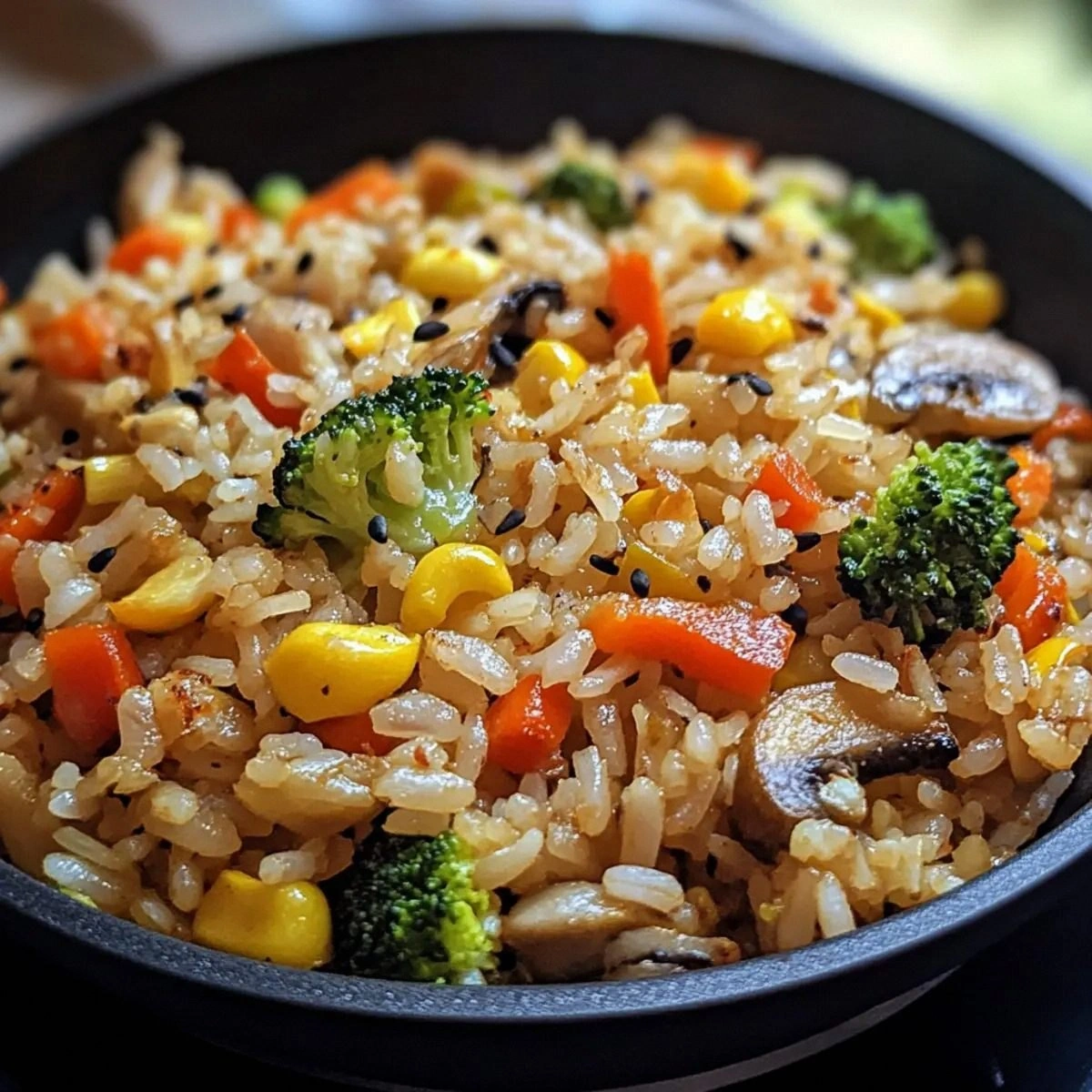
Picture this: the skillet sizzles as oil glides across the pan, the onions and garlic start to caramelize, and the aroma of fresh ginger fills the kitchen. The carrots begin to soften, their orange flesh glistening like little suns, while the bell pepper adds a pop of color that makes the dish look as good as it tastes. The coconut milk coats the rice, turning it from plain grains into a velvety, slightly sweet canvas. And the lime wedges? They’re the final flourish, a citrus punch that cuts through the richness and leaves a clean, refreshing finish.
What makes this version stand out is that it’s not just about flavor; it’s about balance, texture, and the sheer joy of cooking together. Most recipes get this completely wrong by either overcooking the veggies or undercooking the rice, resulting in a mushy or dry mess. Here, the rice stays fluffy and the veggies retain a gentle crunch that makes each bite a delightful contrast. And the best part? It’s so simple you can throw it together in a single pan, but it feels like a gourmet dish that you could serve at a dinner party.
What Makes This Version Stand Out
- Flavor: The coconut milk and lime create a tropical profile that pairs beautifully with the earthy vegetables. The ginger adds a subtle heat that keeps the dish from feeling flat.
- Texture: The rice remains fluffy and separate thanks to the precise ratio of liquid, while the carrots and peas stay crisp-tender, offering a satisfying bite.
- Simplicity: One skillet, one pot, and minimal prep make this a go-to for busy weeknights without sacrificing taste.
- Uniqueness: The toasted coconut flakes add a nutty crunch that sets this recipe apart from standard veggie rice dishes.
- Crowd Reaction: Friends who’ve tried it say, “I dare you to taste this and not go back for seconds.” That’s a bold claim that’s hard to refute.
- Ingredient Quality: Using fresh ginger and a good quality coconut milk elevates the dish to a level that feels both comforting and elevated.
Inside the Ingredient List
The Flavor Base
Coconut milk is the heart of this dish, providing a creamy texture and a subtle sweetness that balances the savory elements. Without it, the rice would feel plain, and the overall flavor would lack depth. If you skip coconut milk, the dish becomes a standard veggie rice that doesn’t have that tropical flair.
Vegetable broth replaces a portion of the coconut milk to keep the dish from becoming too rich. It also adds umami that deepens the flavor profile. If you’re lactose intolerant or prefer a lighter version, you can use a low-sodium vegetable broth or even water, but the taste will be noticeably flatter.
Fresh ginger is the spice that brings warmth and a bright zing. It cuts through the richness of the coconut milk and adds a layer of complexity. If you can’t find fresh ginger, a small pinch of ground ginger works, but the aroma will be less pronounced.
Lime wedges are the finishing touch that adds acidity and brightness. The juice lifts the dish, preventing it from feeling heavy. If you don’t have lime, a splash of fresh lemon juice can substitute, though the flavor will be slightly different.
The Texture Crew
Long-grain white rice is chosen for its ability to stay separate and fluffy when cooked in coconut milk. Brown rice would absorb too much liquid and become mushy. If you prefer a healthier option, try substituting jasmine rice, which has a similar texture but a hint of floral aroma.
Carrots provide a sweet crunch and a pop of color that makes the dish visually appealing. They also add natural sweetness that complements the coconut. If you’re looking for a low-carb alternative, try zucchini or cauliflower rice.
Bell pepper adds a sweet, slightly smoky flavor and a vibrant crunch that contrasts with the softness of the rice. Removing it will make the dish less colorful and slightly less sweet. You can swap it for a handful of roasted cherry tomatoes for a different burst of flavor.
Frozen peas are the surprise element that brings a pop of green and a subtle sweetness. They’re also a convenient way to add protein and fiber. If you prefer fresh peas, they’ll work just as well, but they’ll require a bit more prep time.
Onion and garlic form the aromatic foundation, creating a savory base that the rest of the ingredients build upon. Skipping them will leave the dish tasting flat and under-seasoned. For a deeper flavor, lightly sauté the onions until they’re golden before adding the garlic.
The Unexpected Star
Toasted coconut flakes add a nutty crunch and a subtle caramel flavor that elevates the dish. They also provide a hint of tropical flair that ties the dish together. If you don’t have coconut flakes, a small handful of chopped macadamia nuts or almonds can offer a similar crunch.
The Final Flourish
Fresh cilantro offers a bright, herbal note that cuts through the richness of the coconut milk. It also adds a pop of color that makes the dish look fresh and inviting. If you’re not a fan of cilantro, try parsley or basil for a different herbal profile.
Everything's prepped? Good. Let's get into the real action...
The Method — Step by Step
- Heat the skillet over medium heat and add the tablespoon of oil. Let it shimmer before adding the diced onion. As the onion starts to soften, you’ll hear a gentle sizzle that signals the skillet is ready. This is the moment where the base of the flavor begins to bloom.
- Add the minced garlic and freshly grated ginger to the pan. Stir constantly for about 30 seconds until the aroma becomes unmistakably fragrant. If you notice a faint burnt scent, reduce the heat slightly. This step is crucial for building depth without bitterness.
- Introduce the diced carrots and bell pepper, tossing them to coat with the aromatic mixture. Cook for 4–5 minutes until they start to soften but still retain a slight crunch. The vegetables should look bright and slightly translucent, not mushy.
- Add the rice to the skillet, stirring to coat it in the oil and aromatics. Let it toast for 2 minutes, allowing the grains to develop a subtle nutty flavor. The rice should start to look translucent at the edges.
- Pour in the coconut milk and vegetable broth, stirring gently to combine. Bring the mixture to a gentle boil, then reduce the heat to low, cover, and let it simmer for 15 minutes. Keep an eye on the liquid level; if it evaporates too quickly, add a splash of water.
- After 15 minutes, stir in the frozen peas and let the rice continue to cook for an additional 5 minutes. The peas will thaw and release a sweet aroma that complements the coconut. The rice should be tender but still hold its shape.
- Remove the skillet from heat and fluff the rice with a fork. Sprinkle the toasted coconut flakes, chopped cilantro, and a squeeze of lime juice over the top. Toss gently to distribute the flavors evenly.
- Serve immediately while the rice is hot and fragrant. Garnish with extra lime wedges on the side for guests to squeeze to taste. This final touch ensures each bite is balanced and refreshing.
That's it — you did it. But hold on, I've got a few more tricks that'll take this to another level...
Insider Tricks for Flawless Results
The Temperature Rule Nobody Follows
Many cooks overcook the rice by leaving the heat on high. Keeping the skillet at a low simmer preserves the rice’s structure and prevents it from becoming mushy. If you notice the liquid evaporating too quickly, add a small splash of water to keep the grains moist.
Why Your Nose Knows Best
Smell is a powerful indicator of doneness. When the rice is ready, the aroma will be rich and slightly sweet, with a hint of coconut. If the smell is too bland, let it cook a bit longer; if it’s too strong, you’ve overcooked it.
The 5-Minute Rest That Changes Everything
After removing the skillet from heat, let the rice rest, covered, for 5 minutes. This rest period allows the grains to finish steaming and the flavors to meld. Skipping this step often results in uneven texture.
The Secret of Toasted Coconut
Toast the coconut flakes in a dry pan until they’re golden and fragrant. This brings out their nutty flavor and prevents them from becoming soggy when mixed into the rice. A quick 2-minute toast is all you need.
The Lime Punch
Squeeze the lime wedges over the rice right before serving. The fresh juice adds brightness and balances the richness of the coconut. If you prefer a more pronounced citrus flavor, add a tablespoon of lime zest.
The One-Pan Wonder
Keep the dish in one skillet to minimize cleanup. This also ensures that the flavors stay concentrated, as everything cooks together in a single pot. A single pan meal is perfect for busy weeknights or when you want a low-maintenance dinner.
Creative Twists and Variations
This recipe is a playground. Here are some of my favorite ways to switch things up:
Protein Powerhouse
Add cooked shrimp or tofu for a protein boost. The shrimp’s sweet, briny flavor complements the coconut, while tofu absorbs the spices beautifully. This variation turns the dish into a satisfying main course.
Spicy Kick
Incorporate a pinch of red pepper flakes or a diced jalapeño. The heat adds a layer of excitement, especially when paired with the mild coconut flavor. This version is great for those who like a bit of spice.
Miso Magic
Stir in a tablespoon of white miso paste during the final simmer. Miso adds umami depth and a subtle saltiness that enhances the overall flavor. This twist gives the dish a Japanese-inspired twist.
Herb Garden
Swap cilantro for fresh basil or mint for a different herbal profile. Basil adds a sweet, peppery note, while mint offers a cool, refreshing finish. Experimenting with herbs can keep the dish fresh and exciting.
Nutty Variation
Replace toasted coconut flakes with chopped cashews or almonds. The nuts add crunch and a buttery flavor that pairs well with the coconut milk. This variation is ideal for those who love a nutty texture.
Vegetarian/Vegan Swap
Use a plant-based protein like chickpeas or lentils. They soak up the coconut milk and add a hearty, protein-packed element. This version is both wholesome and satisfying.
Storing and Bringing It Back to Life
Fridge Storage
Store leftovers in an airtight container in the refrigerator for up to 3 days. The rice will stay moist, but you may notice a slight separation of the coconut milk. Reheat gently on the stove with a splash of water to restore creaminess.
Freezer Friendly
Freeze in a freezer-safe container for up to 2 weeks. When reheating, thaw overnight in the refrigerator and then warm on low heat with a tablespoon of water or broth to prevent drying out. The texture remains fluffy, and the flavors stay vibrant.
Best Reheating Method
Reheat the rice on the stovetop over low heat, adding a splash of water or broth to create steam. Stir frequently to prevent sticking and to evenly distribute heat. The result is a freshly cooked dish that tastes as good as the first time.