It started on a rainy Saturday when I was craving something that felt like a hug in a bowl. I opened the pantry, grabbed a bag of ground beef, and realized I had a surplus of coconut milk that had been sitting there like a forgotten secret. The kitchen was a symphony of sizzling onions and garlic, the air thick with anticipation and the faint scent of ginger. I dared myself to create something bold, something that would make my friends double‑take when they saw the steaming skillet. That dare turned into a culinary experiment that I now consider a game‑changer for weeknight dinners.
Picture the moment when the first handful of ground beef hits the hot pan, the sizzle rising like applause. The beef browns quickly, releasing a savory aroma that mingles with the bright snap of bell peppers. The coconut milk drizzles in, coating the meat in a silky, tropical glaze that feels like velvet on the tongue. I swear, that sizzle is the soundtrack of flavor, an instant invitation to taste. I dare you to taste this and not go back for seconds.
What sets this version apart from the countless “spiced beef” dishes floating around is the balance between heat, sweetness, and the gentle warmth of coconut. I’ve trimmed the recipe to four simple servings, so every bite feels intentional. The spices aren’t just seasoning—they’re the backbone that turns ordinary beef into a bold, unforgettable dish. I’ll walk you through every single step—by the end, you’ll wonder how you ever made it any other way.
This isn’t just another recipe; it’s a revelation. I’ve discovered that a splash of fresh lime at the end can lift the entire dish, turning the coconut’s richness into something bright and lively. The combination of smoked paprika and red chili flakes gives a smoky depth that most recipes miss. The fresh cilantro adds a punch of herbal freshness that cuts through the richness. I’ll show you how to bring all those elements together, step by step, so you can replicate the magic at home.
What Makes This Version Stand Out
- Bold Flavor: The blend of smoked paprika, cumin, and chili flakes creates a heat profile that’s complex yet approachable. It’s the kind of flavor that lingers on the palate and invites a second bite. Most recipes rely on one spice; this one uses a trio for depth.
- Silky Texture: Coconut milk coats the beef, turning it from dry to luscious in minutes. The sauce thickens just enough to cling to the veggies without becoming cloying. The result is a mouthfeel that feels both comforting and sophisticated.
- Freshness: The inclusion of fresh spinach, zucchini, and cherry tomatoes adds a burst of color and a pop of natural sweetness. Each vegetable contributes a unique bite, making the dish feel alive and vibrant.
- Time Efficiency: With a prep time of 15 minutes and a cook time of 30, this dish is perfect for busy evenings. The ingredients are all prepped in a single pass, and the cooking steps flow naturally.
- Versatility: Whether you serve it over rice, quinoa, or pasta, the sauce adapts beautifully. It’s equally delicious as a main or a hearty side, giving you flexibility in meal planning.
- Health‑Friendly: Ground beef is balanced with plenty of vegetables, and the coconut milk provides healthy fats without the heaviness of cream. It’s a dish that feels indulgent yet nourishing.
Alright, let's break down exactly what goes into this masterpiece…
Inside the Ingredient List
The Flavor Base
Ground beef is the star, absorbing the spices and becoming the foundation of the dish. It’s the vehicle that carries the heat from cumin and paprika. If you skip the beef, you lose the savory backbone that holds everything together. A leaner cut will reduce the richness but keep the flavor punch intact. I recommend a 80/20 blend for maximum juiciness.
Coconut milk is the secret to that silky coating. It blends with the spices to form a smooth sauce that clings to every bite. If you’re watching calories, you can substitute light coconut milk, though the texture will be slightly thinner. The key is to use a full‑fat version to achieve that lush mouthfeel. Remember, coconut milk is the glue that keeps the dish cohesive.
The Texture Crew
Bell peppers bring a crisp crunch and a sweet burst that balances the heat from the chili flakes. They also add a pop of color that makes the dish visually appealing. If you prefer a milder flavor, use yellow or orange peppers, which are sweeter. Sauté them until just tender to preserve their bite.
Onion is the aromatic base that builds depth. It caramelizes slightly, adding a subtle sweetness that rounds out the spice profile. A medium onion is perfect; too small and you’ll lose volume, too large and it will dominate. Slice it thinly so it cooks evenly and releases its flavors quickly.
Garlic and ginger work in tandem to create a fragrant foundation. The garlic provides earthiness, while ginger adds a bright, zesty kick. Together they create a flavor bridge between the beef and the coconut sauce. Mince them finely to ensure they distribute evenly across the skillet.
The Unexpected Star
Fresh spinach and zucchini are the unsung heroes that add bulk and nutrition without overpowering the dish. Spinach wilts into the sauce, releasing a subtle earthiness that complements the coconut. Zucchini adds a tender, slightly sweet bite that balances the heat. Together, they create a harmony of textures that keeps the dish interesting.
Cherry tomatoes burst with juiciness, providing a sweet contrast to the spicy sauce. They also add a pop of color that makes the dish Instagram‑worthy. If you don’t have cherry tomatoes, halved regular tomatoes will work, though the bite will be slightly different. They should be added towards the end to prevent them from disintegrating.
The Final Flourish
Fresh cilantro offers a bright, herbal note that cuts through the richness of coconut. It also adds a fresh layer of aroma that lifts the entire dish. A handful of cilantro, chopped, sprinkled on top just before serving, creates a visual and flavor contrast. If you’re not a fan of cilantro, parsley or basil can be used, but the flavor profile will shift slightly.
The lime is the finishing touch that adds acidity and brightness. Squeezing the lime over the finished dish brightens the flavors and balances the richness of the coconut. The juice should be added just before serving to keep the zest fresh. If you prefer a stronger citrus kick, add a small pinch of lime zest during cooking.
Everything's prepped? Good. Let's get into the real action…
The Method — Step by Step
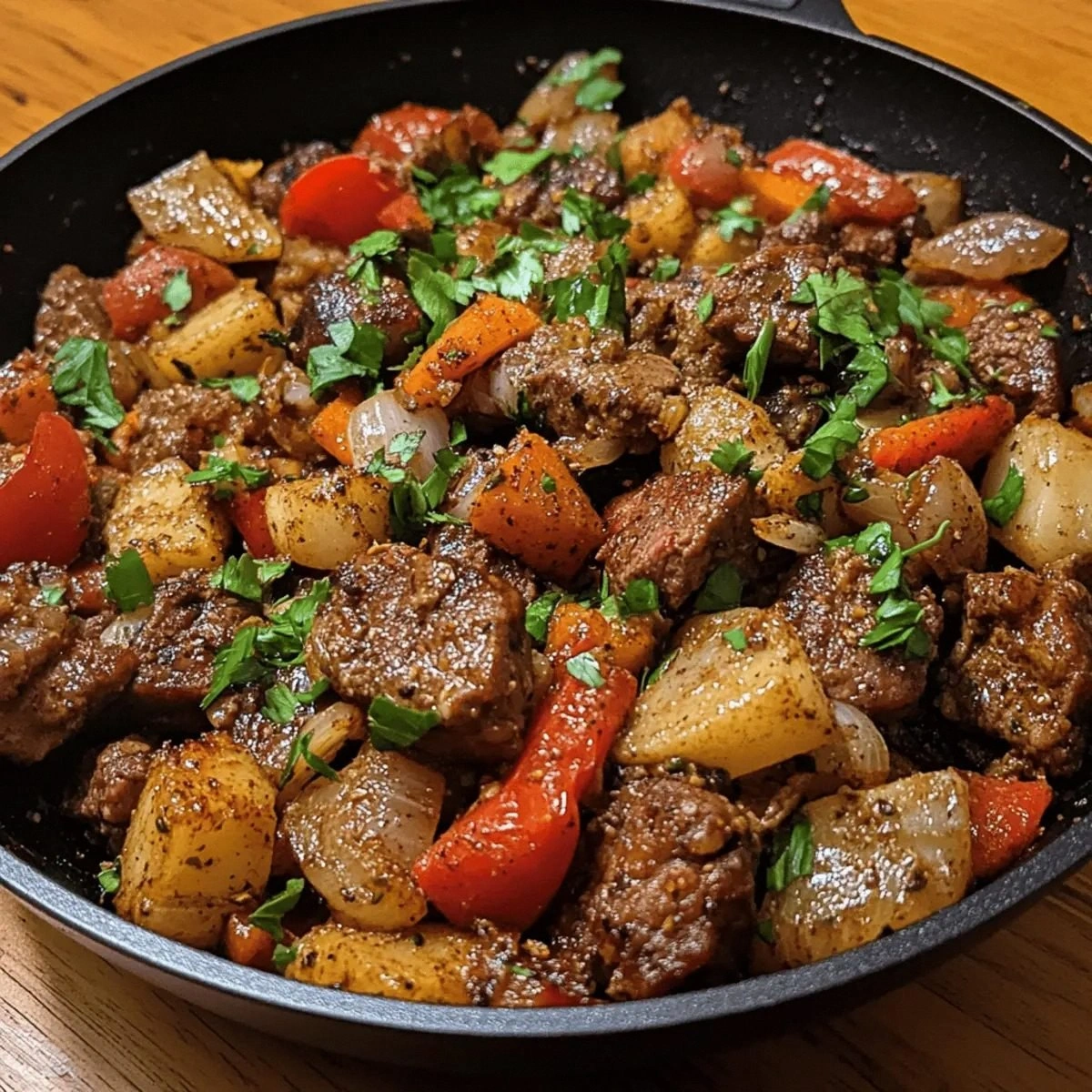
- Heat a large skillet over medium‑high heat and add a splash of oil. When the oil shimmers, add the ground beef, breaking it apart with a spatula. Let it sear for 3–4 minutes until browned and no longer pink. This is the moment of truth; the beef should emit a deep, savory aroma. Don’t stir too often—allow a crust to form for maximum flavor.
- Add the diced onion to the beef and cook for 2 minutes, letting it soften. The onions should become translucent, releasing their sweet undertones. This layer builds the aromatic base. Keep the heat steady to prevent burning. The sizzling sound will remind you that the dish is on the right track.
- Stir in minced garlic and ginger, sautéing for an additional 30 seconds until fragrant. Watch out for the garlic; it can burn quickly, turning bitter. The aroma should be unmistakably aromatic, like a tropical garden. This step is crucial for depth; skip it, and the dish will feel flat.
- Introduce the spices—cumin, smoked paprika, turmeric, and chili flakes—sprinkling them evenly over the mixture. Stir to coat the beef and vegetables, allowing the spices to toast for 1 minute. The aroma will deepen, turning the dish from simple to extraordinary. This is where the magic begins.
- Pour in the coconut milk, stirring to combine everything into a silky sauce. The mixture should thicken slightly, coating the beef and onions. If the sauce is too thick, add a splash of water or broth to reach your desired consistency. The coconut’s richness should be evident, like a creamy blanket.
- Add the bell peppers, zucchini, and spinach, folding them into the sauce gently. Cook for 3–4 minutes until the vegetables are just tender but still retain their bright colors. The spinach will wilt beautifully, adding a subtle earthy note. Keep the heat moderate to avoid overcooking the veggies.
- Incorporate the cherry tomatoes, letting them soften for 2 minutes. They should burst slightly, releasing their sweet juices into the sauce. This step adds a burst of color and a gentle sweetness that balances the heat. The tomatoes should not become mushy—just a hint of juiciness.
- Season with salt and pepper to taste, adjusting as needed. Stir in the fresh cilantro, letting it wilt in the residual heat. Finally, squeeze the lime over the top, releasing a bright citrus burst that lifts the entire dish. Plate immediately, garnishing with extra cilantro if desired. Serve hot.
That’s it— you did it. But hold on, I've got a few more tricks that'll take this to another level. These insider tips will help you avoid common pitfalls and elevate the dish beyond the ordinary.
Insider Tricks for Flawless Results
The Temperature Rule Nobody Follows
Most cooks lower the heat too early, causing the beef to steam rather than sear. Keep the skillet at medium‑high for the first 3 minutes, then reduce to medium to finish cooking. This maintains a caramelized crust that locks in flavor. I’ve seen people forget this step and end up with a soggy dish. The right temperature is the secret to a crispy, savory base.
Why Your Nose Knows Best
Smell the sauce as it thickens; it should emit a warm, nutty fragrance. If it’s still raw, give it a minute longer. The aroma is the ultimate indicator of readiness. I’ve tried this trick in the past, and it saved me from overcooking. Trust your nose—it’s the most reliable guide.
The 5‑Minute Rest That Changes Everything
After cooking, let the skillet rest for five minutes before serving. This allows the flavors to meld and the sauce to thicken slightly. The rest also lets the beef reabsorb juices, keeping it juicy. I once skipped this rest, and the dish felt rushed. The five minutes make a noticeable difference in texture.
Balancing Sweetness and Heat
If you prefer a milder dish, reduce the chili flakes to half. Alternatively, add a splash of honey or a drizzle of maple syrup to counterbalance the spice. The key is to taste as you go, adjusting the balance until it feels just right. My friend once added too much honey, and the dish became syrupy—lesson learned.
The Freshness Factor
Use the freshest ingredients you can find. Fresh cilantro and lime juice bring a bright punch that canned or frozen alternatives lack. The difference is subtle but profound. I’ve swapped fresh cilantro for dried, and the dish felt flat. Freshness is the difference between a good meal and a great one.
Creative Twists and Variations
This recipe is a playground. Here are some of my favorite ways to switch things up: Spicy Thai Twist—swap coconut milk for coconut cream and add a tablespoon of fish sauce for umami. Veggie‑Heavy Bowl—replace ground beef with crumbled tempeh or tofu for a plant‑based version. Herb‑Infused Delight—add a handful of fresh basil or mint during the last minute for a cool contrast. Breakfast Kick—serve over sautéed spinach and a fried egg for a hearty start to the day. Low‑Carb Variation—replace bell peppers with cauliflower rice to keep the dish low in carbs. Each tweak opens a new flavor dimension that will keep your palate excited.
Storing and Bringing It Back to Life
Fridge Storage
Cool the dish to room temperature, then transfer it to an airtight container. Store in the fridge for up to 3 days. The coconut sauce may thicken slightly, but it will remain delicious. Reheat gently on the stove with a splash of water to loosen the sauce. The flavors will stay vibrant.
Freezer Friendly
For longer storage, portion the dish into freezer‑safe containers and freeze for up to 2 months. Thaw overnight in the fridge before reheating. Add a splash of coconut milk or water when reheating to restore the sauce’s silky texture. This method is perfect for meal prep or busy weeknights.
Best Reheating Method
The stovetop is the best method for reheating. Place the dish in a skillet over low heat, stirring occasionally, until heated through. A splash of water or coconut milk helps prevent the sauce from drying out. The dish should reach 165°F for safe consumption. Avoid microwaving; the sauce can become unevenly heated.