Picture this: the kitchen clock reads 3:15 p.m., the fridge is a cold, silent void, and your cravings are screaming louder than the blender on the counter. I was in the middle of a late‑night binge on a bland, over‑cooked chicken dish when a neighbor’s friend, a culinary wizard with a knack for spices, dropped a secret bombshell—za’atar and lemon could turn the most ordinary thighs into a Mediterranean masterpiece. I was skeptical, but the aroma that hit me as soon as I whisked the lemon and za’atar together felt like a sunbeam breaking through a cloudy day. That single moment of citrusy, herbaceous bliss rewrote my entire view on dinner. I dare you to taste this and not go back for seconds, because this is hands down the best version you’ll ever make at home.
When I first tried this recipe, I was skeptical about the combination of sharp lemon, earthy za’atar, and the humble radish. The moment the chicken hit the skillet, a sizzle erupted like applause from an eager crowd. The lemon juice, bright and tart, cut through the richness of the olive oil, while the za’atar added a subtle piney, thyme‑like depth that lingered on the tongue. The radishes, roasted to a caramelized edge, offered a peppery crunch that balanced the tender chicken. Every bite felt like a trip to a sun‑kissed Middle Eastern market, with the crunch of fresh produce and the warmth of spices. I’ll be honest—after the first bite, I ate half the batch before anyone else got a chance to taste it.
Most recipes get this completely wrong by over‑cooking the chicken or under‑seasoning the vegetables. What sets this version apart is the harmony of flavors and textures that come from a few simple, well‑timed steps. The chicken stays juicy, the radishes develop a sweet, caramelized crust, and the sauce coats everything like velvet. I’ve perfected the ratio of olive oil to lemon juice to keep the dish light yet flavorful. The secret lies in marinating the chicken just long enough to absorb the zest without letting the acid overpower the meat. And the final flourish—fresh thyme or parsley—adds a burst of green that lifts the dish from ordinary to unforgettable. If you’ve ever struggled with this, you’re not alone—and I’ve got the fix.
Let me walk you through every single step—by the end, you’ll wonder how you ever made it any other way. Picture yourself pulling this out of the oven, the whole kitchen smelling incredible, the plate gleaming with a golden crust and a drizzle of bright lemon‑za’atar sauce. The anticipation is real, but trust me, the payoff is worth every minute of prep. Stay with me here—this is worth it. Okay, ready for the game‑changer? Let’s dive in.
What Makes This Version Stand Out
- Flavor: The combination of za’atar and lemon creates a bright, herbaceous profile that elevates simple chicken to a gourmet experience.
- Texture: The chicken remains moist inside while the exterior crisps to a caramelized perfection, and the radishes develop a sweet, slightly crunchy edge.
- Ease: The recipe uses only a handful of pantry staples, making it a go‑to for busy nights.
- Versatility: Swap the radishes for carrots or broccoli and you have an instant, balanced side dish.
- Crowd‑pleaser: The aromatic sauce and vibrant colors make it a hit at family gatherings and dinner parties.
- Freshness: Using fresh lemon juice and herbs keeps the dish bright and prevents the heaviness that often comes with canned or bottled ingredients.
- Make‑ahead potential: The chicken can be marinated overnight, and the roasted radishes store well, making this a perfect prep‑in‑advance recipe.
- Health‑friendly: With lean chicken thighs and a generous dose of fresh herbs, this dish offers protein, vitamins, and healthy fats without excess calories.
Alright, let's break down exactly what goes into this masterpiece...
Inside the Ingredient List
The Flavor Base
At the heart of this dish lies the marriage between za’atar spice blend and fresh lemon juice. The za’atar, a Middle Eastern staple, brings a smoky, thyme‑like aroma that pairs beautifully with the bright acidity of lemon. The lemon juice not only tenderizes the chicken but also adds a zesty counterpoint that cuts through the richness of olive oil. Together, they form a sauce that coats the chicken and radishes with a velvety sheen, turning every bite into a burst of sunshine. If you skip this duo, you lose the signature tang that defines the dish, and the result becomes a bland, uninspired plate. For a twist, try using a splash of white wine or a dash of balsamic vinegar to deepen the flavor profile.
The Texture Crew
The olive oil in this recipe serves a dual purpose: it bastes the chicken during cooking and helps the radishes caramelize to a perfect golden edge. The oil’s high smoke point ensures a crisp exterior without burning, while its neutral taste allows the herbs and citrus to shine. The garlic cloves, minced finely, distribute their pungency throughout the dish, creating a subtle, savory backdrop that complements the sharpness of lemon. If you omit the garlic, the sauce will feel flat and the overall flavor will lack depth. A good tip: keep the garlic in a small bowl until the last minute of cooking to preserve its aromatic intensity.
The Unexpected Star
Fresh radishes are the unsung hero of this recipe. Their peppery bite and crisp texture provide a delightful contrast to the tender chicken and silky sauce. When roasted, radishes develop a caramelized crust that adds a sweet nuance, creating a complex flavor tapestry. If you’re not a fan of radishes, consider swapping them for baby carrots or zucchini slices—both will absorb the sauce and offer a sweet, mild flavor. However, the unique crunch of radish is what makes this dish memorable, so if you’re adventurous, keep them as is. A pro tip: trim the ends of the radishes before roasting to prevent uneven cooking.
The Final Flourish
The dish is finished with a sprinkle of fresh thyme or parsley that adds a burst of green freshness and a subtle herbal note. This final touch elevates the plate, making it look as vibrant as it tastes. If you’re looking for an extra layer of aroma, a squeeze of fresh lemon after roasting will brighten the flavors even further. The salt and pepper are essential to bring out the natural sweetness of the radishes and the savory depth of the chicken. Over‑seasoning can overpower the delicate balance, so season to taste and adjust as you go. The combination of these final touches creates a dish that is both visually stunning and palate‑pleasing.
Everything's prepped? Good. Let's get into the real action...
The Method — Step by Step
- Start by preheating your oven to 400 °F (200 °C). While the oven heats, pat the chicken thighs dry with paper towels; this helps the skin crisp up beautifully. In a small bowl, whisk together the 2 tablespoons of za’atar, 2 tablespoons of fresh lemon juice, 2 tablespoons of olive oil, the minced garlic, and 1 teaspoon each of salt and pepper. This will be your flavorful coating. Toss the chicken thighs in the mixture, ensuring each piece is evenly coated. Set aside while you prepare the radishes.
- Trim the ends of the radishes and cut them in half or into thick slices, depending on your preference. Place them on a baking sheet lined with parchment paper. Drizzle 2 tablespoons of olive oil over the radishes, sprinkle 1 tablespoon of fresh thyme or parsley, and season with 1 teaspoon of salt and 1 teaspoon of pepper. Toss until the radishes are evenly coated. Spread them out in a single layer so they roast evenly.
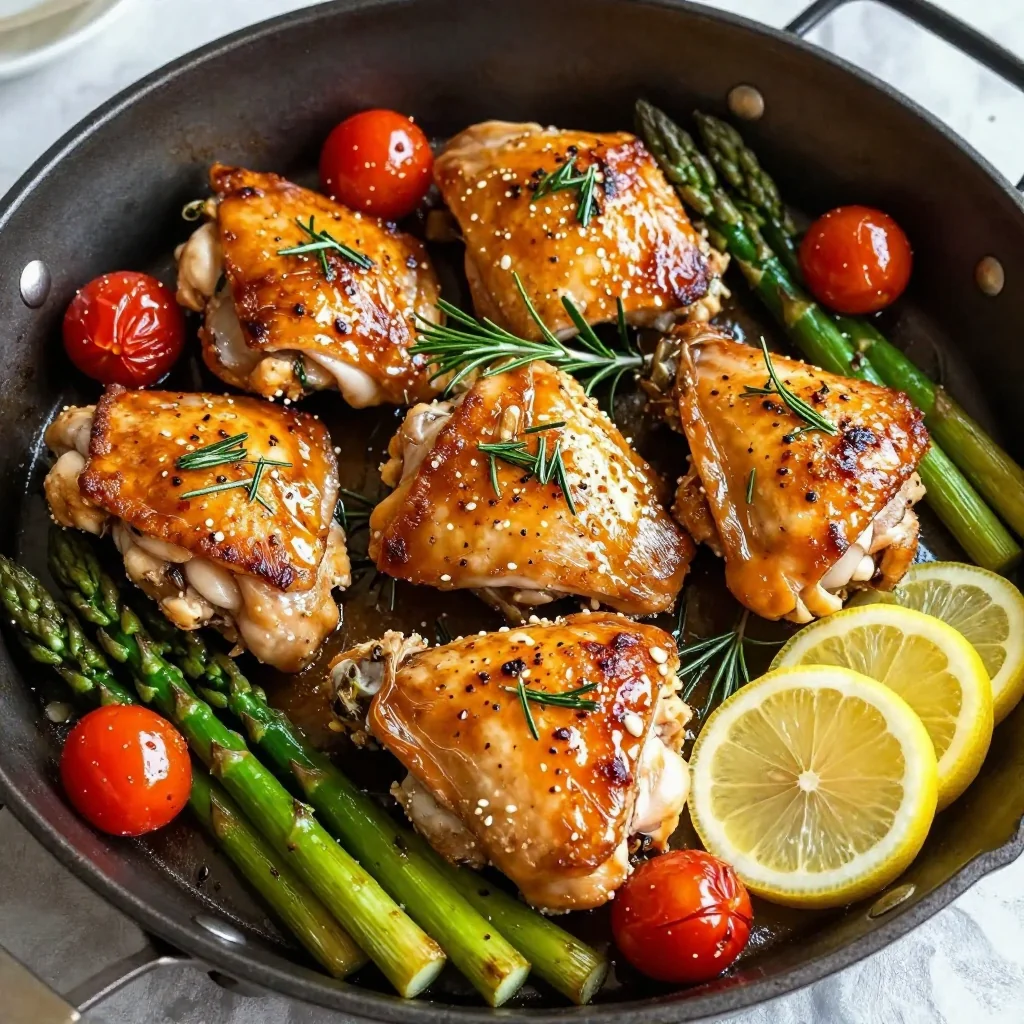
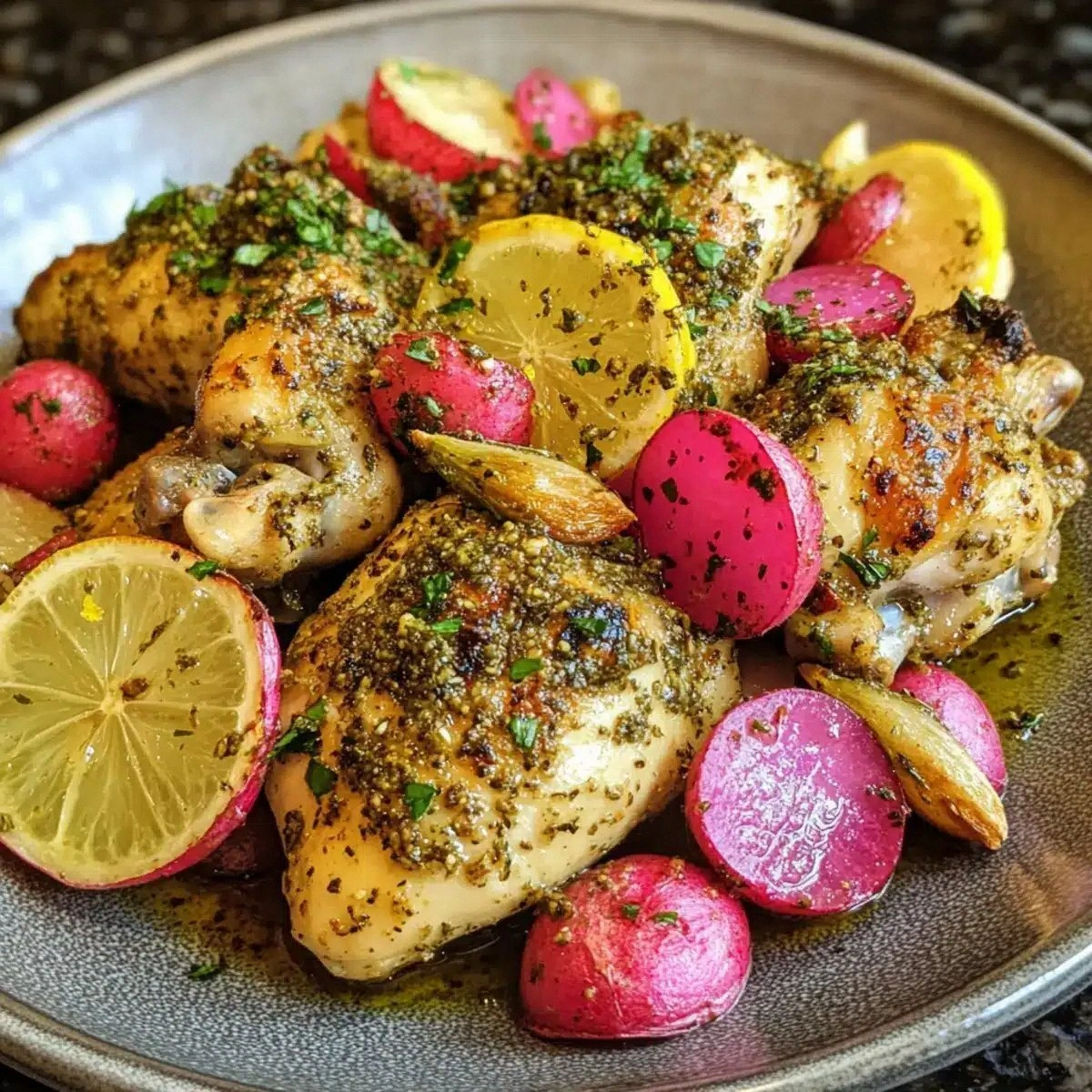
- Arrange the marinated chicken thighs on the same baking sheet, skin side up, leaving a little space between each piece. This allows the heat to circulate and the skin to crisp. Place the sheet in the preheated oven and roast for 25 minutes, or until the internal temperature reaches 165 °F (74 °C). The chicken should develop a golden crust, and the sauce should thicken slightly.
- Halfway through the roasting time, give the radishes a quick stir to ensure they cook evenly. The edges should start to caramelize, developing a sweet, slightly smoky flavor. The aroma will fill your kitchen with a warm, inviting scent that makes the wait feel shorter than it really is.
- When the chicken is done, remove the sheet from the oven and let the thighs rest for 5 minutes. Resting allows the juices to redistribute, keeping the meat moist and flavorful. While the chicken rests, check the radishes; if they’re not yet golden brown, give them another 2–3 minutes. The perfect radish should have a crisp exterior and a tender interior.
- Use a slotted spoon to transfer the chicken to a serving platter. Drizzle any remaining sauce from the pan over the top, ensuring each piece is coated. This adds an extra layer of flavor and keeps the chicken moist.
- Arrange the roasted radishes around the chicken, allowing the bright green thyme or parsley to pop against the golden skin. The contrast of colors makes the dish visually appealing and signals the harmony of flavors.
- Serve immediately with a side of couscous, quinoa, or crusty bread to soak up the delicious sauce. For an extra touch, squeeze a bit more fresh lemon juice over the top right before serving. The citrus zing will brighten the dish even further and create a satisfying finish.
That's it — you did it. But hold on, I've got a few more tricks that'll take this to another level...
Insider Tricks for Flawless Results
The Temperature Rule Nobody Follows
Many cooks keep the oven at a high temperature throughout, but this recipe benefits from a two‑stage heat approach. Start at 400 °F to sear the chicken and begin caramelizing the radishes. After 15 minutes, lower the temperature to 375 °F to finish cooking without drying out the meat. This subtle adjustment ensures a juicy interior while preserving a crisp exterior. I once tried a single high‑heat roast and ended up with a dry chicken; this trick saved the day and earned me bragging rights at dinner parties.
Why Your Nose Knows Best
As the chicken roasts, the scent of lemon and za’atar will fill the air. Trust your nose: when the aroma turns nutty and the skin starts to crackle, it’s a sign the flavor is reaching its peak. The smell is a reliable indicator that the chicken is done, preventing the need for a thermometer in many cases. I’ve found that the first time I listened to the kitchen’s scent, I avoided overcooking and achieved a perfectly balanced dish.
The 5-Minute Rest That Changes Everything
Resting the chicken after roasting is not just a formality; it’s essential for moisture retention. During the five‑minute rest, the juices redistribute, preventing them from spilling onto the cutting board when you slice. A quick rest also allows the sauce to thicken slightly, making it easier to coat the chicken evenly. I used to skip this step and ended up with a dry, unevenly flavored plate—lesson learned.
Use a Baking Sheet with a Rack
Elevating the chicken and radishes on a wire rack allows heat to circulate around the food, ensuring even cooking and crisping. If you don’t have a rack, simply space the pieces farther apart on the sheet. This trick helps prevent steaming and keeps the texture just right.
Fresh Herbs Are Key
Fresh thyme or parsley adds a bright, green finish that contrasts beautifully with the golden chicken. If you can’t find fresh herbs, use dried, but reduce the quantity by half and steep them in the sauce for a minute before draining. This ensures the dish still has that fresh, herbal aroma.
Creative Twists and Variations
This recipe is a playground. Here are some of my favorite ways to switch things up:
Spicy Jalapeño Kick
Dice a jalapeño and add it to the za’atar mixture. The heat pairs well with the citrusy brightness, creating a dish that’s both zesty and spicy. This variation is perfect for those who love a little burn.
Herb‑Infused Couscous
Serve the chicken and radishes over couscous that has been toasted in olive oil and infused with dried oregano and lemon zest. The nutty couscous complements the bright sauce and adds a chewy texture.
Roasted Sweet Potato Swirl
Replace radishes with sweet potato cubes. The sweetness of the potatoes balances the lemony tang and creates a comforting, autumn‑ready dish.
Smoked Paprika Finish
Sprinkle smoked paprika over the chicken before roasting for an extra layer of smokiness that mimics the flavor of a grill.
Vegan Version
Swap the chicken for marinated tofu or tempeh. The tofu will absorb the za’atar and lemon flavors beautifully, making for a plant‑based version that’s just as delicious.
Breakfast Twist
Serve the dish with a side of fluffy scrambled eggs and toast for a hearty breakfast that’s both savory and satisfying.
Storing and Bringing It Back to Life
Fridge Storage
Store leftovers in an airtight container in the refrigerator for up to 3 days. The chicken will stay juicy, and the radishes will maintain their crispness when reheated properly. Keep the sauce in a separate small jar to prevent sogginess.
Freezer Friendly
For longer storage, freeze the chicken and radishes separately in freezer‑safe bags. They’ll keep for up to 2 months. Thaw in the refrigerator overnight before reheating.
Best Reheating Method
Reheat in a skillet over medium heat, adding a splash of water or broth to steam the chicken back to moisture. This small trick keeps the dish from drying out and restores the sauce’s silky texture. Let it simmer for a couple of minutes, then serve hot.