Picture this: I’m standing in my tiny kitchen, a half‑finished pot of broth bubbling like a nervous crowd at a concert, and a rogue bag of frozen onions that have seen better days. I had promised my roommate a “quick” dinner, but the truth is, I was craving something that felt like a warm hug wrapped in a blanket of flavor. The night before, a friend dared me to reinvent the classic French onion soup, but with a meaty twist that would make even the most stoic carnivore swoon. I grabbed a couple of bone‑in short ribs, threw them into the pot, and the rest is a glorious mess of caramelized onions, aromatic herbs, and that unmistakable, soul‑soothing steam that makes your kitchen feel like a Parisian bistro.
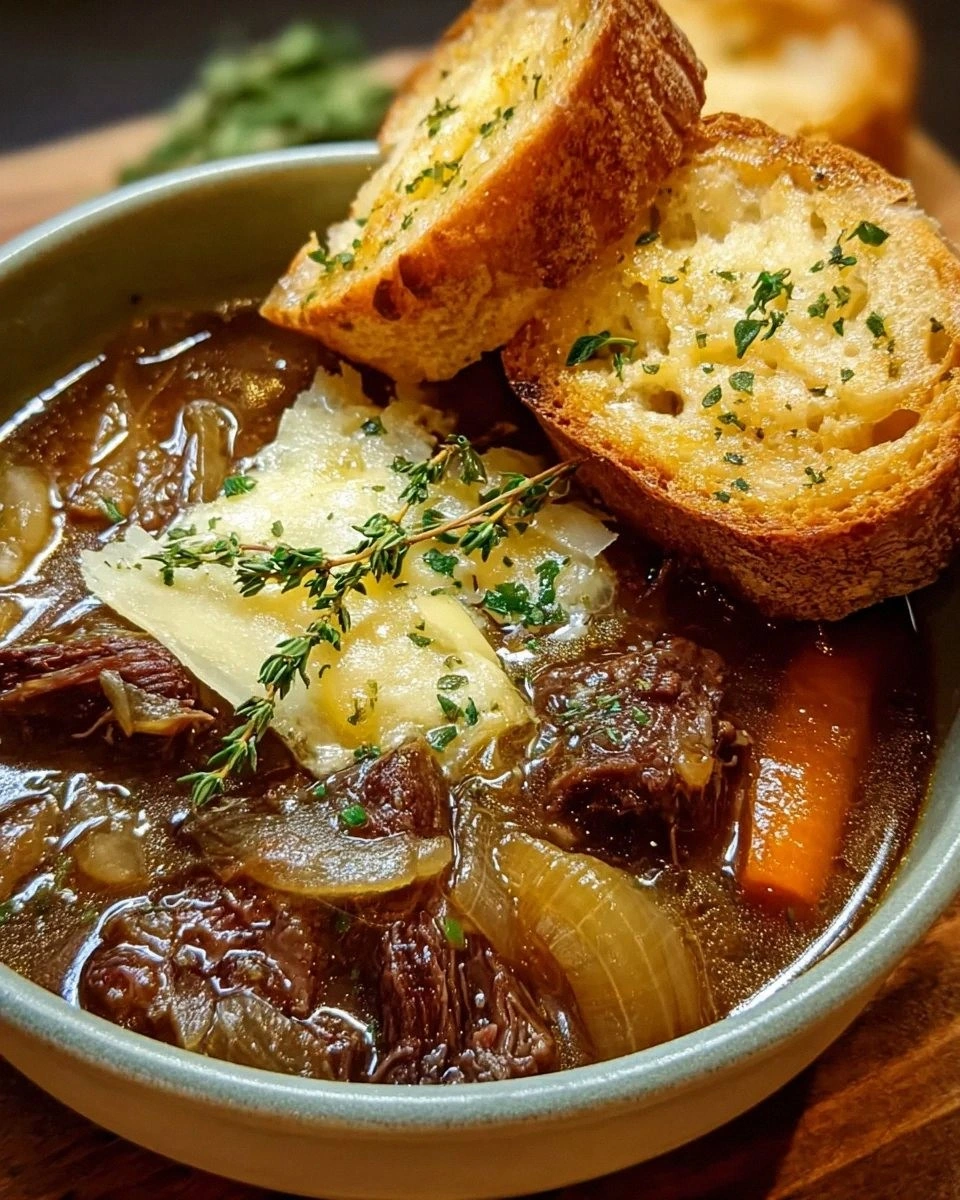
The first whiff that hit me was pure decadence: sweet, golden onions that had been coaxed into a deep amber hue, mingling with the earthy perfume of thyme and sage. The broth, enriched with beef marrow and a splash of dry white wine, sang a low, resonant note that reminded me of a cello’s warm timbre. As the soup simmered, the sound of gentle bubbles was a comforting rhythm, like a metronome guiding the transformation from humble ingredients to a masterpiece. When I finally ladled the silky liquid over a toasted slice of French bread, topped it with a generous blanket of Gruyère that melted into a bubbly, golden crown, I knew I’d stumbled upon something truly unforgettable.
Most recipes I’ve tried either skimp on the caramelization, leave the beef flavor flat, or forget the essential cheese‑toasted‑bread finale that gives French onion soup its iconic personality. This version, however, flips the script by marrying the deep, buttery sweetness of French onions with the robust, melt‑in‑your‑mouth richness of short ribs, creating a harmony that’s both comforting and sophisticated. I’ll let you in on a secret: the star‑anise, an optional but game‑changing spice, adds a whisper of licorice that lifts the broth into an almost ethereal realm. And the best part? You can prep most of it ahead of time, making it perfect for busy weeknights or impressing guests without breaking a sweat.
Ready to dive in? I dare you to taste this and not go back for seconds. Let me walk you through every single step — by the end, you’ll wonder how you ever made it any other way.
What Makes This Version Stand Out
- Depth of Flavor: The combination of caramelized onions and beef short ribs creates a broth that’s richer than any store‑bought stock, delivering layers that unfold with each spoonful.
- Texture Contrast: Silky broth meets tender short rib meat and crunchy, cheese‑crusted bread, offering a satisfying bite at every turn.
- Simplicity Meets Luxury: Despite its gourmet vibe, the recipe uses pantry staples and a few premium touches, making it accessible without sacrificing elegance.
- Ingredient Quality: Using bone‑in short ribs ensures gelatinous richness, while fresh herbs add brightness that balances the heaviness.
- Crowd‑Pleaser Factor: The cheesy, toasted bread topping turns this soup into an interactive experience that diners love to dig into.
- Make‑Ahead Friendly: The broth improves after a night in the fridge, so you can prep in advance and simply reheat when guests arrive.
- Versatile Spice Profile: Optional star anise adds a subtle intrigue, while chili flakes give a gentle heat that doesn’t overwhelm.
- Season‑Proof: Perfect for chilly winter evenings or any time you need a comforting, hearty dish that feels like a celebration.
Inside the Ingredient List
The Flavor Base
Salted Butter: The foundation of flavor, it adds richness and helps caramelize those onions perfectly. Skipping butter for oil will lose that buttery depth and cause the onions to dry out. If you’re dairy‑free, try a high‑smoke‑point ghee for a similar nutty finish.
Yellow Onions: Their sweetness shines through when caramelized, creating that signature French onion taste. Slice them thinly so they cook evenly; uneven pieces can scorch while others stay raw. For a subtle twist, mix half yellow with half sweet Vidalia onions.
Shallots: Delicate and sweet, they add an extra layer of depth to the soup. Finely mince them to avoid large chunks that could dominate the texture. If you’re out of shallots, substitute with an extra half onion.
Garlic: A must‑have for warmth and flavor, infusing the soup with its aromatic goodness. Roast the cloves first for a mellow, caramelized note, or add them raw for a sharper bite.
The Meat & Broth Crew
Bone‑In Beef Short Ribs: The star of the dish! Their richness provides a meaty flavor and tender texture. Choose well‑marbled ribs for maximum gelatin; a lean cut will produce a thinner broth. If short ribs are unavailable, substitute with beef chuck, but expect a slightly less luxurious mouthfeel.
Dry White Wine: A splash of Pinot Grigio or Sauvignon Blanc elevates the flavor depth, balancing the richness of the beef. The alcohol evaporates, leaving behind bright acidity. If you prefer no alcohol, replace with an equal amount of apple cider vinegar diluted with water.
Low‑Sodium Chicken Broth: The savory base of the soup, enhancing the beefy essence without overwhelming saltiness. Opt for a high‑quality broth or make your own stock for ultimate control.
Tamari or Low‑Sodium Soy Sauce: This adds umami richness, and if you’re gluten‑free, tamari is the way to go! A tablespoon or two deepens the color and flavor without making the soup salty.
The Unexpected Star
Star Anise (optional): This unique spice can enrich the flavor, ideal for adventurous cooks! One star is enough to impart a subtle licorice note that pairs beautifully with the beef. Remove it before serving, or you’ll end up with an overpowering aftertaste.
Chili Flakes: A pinch introduces a subtle heat that balances the sweetness of the onions. Adjust to taste; more flakes give a bolder kick, while fewer keep the soup mellow.
The Final Flourish
French Bread: Essential for that crunchy, cheesy topping that’s the cherry on top of your soup. Choose a sturdy baguette, slice it thick, and toast until golden. Stale bread works too; it absorbs the broth without falling apart.
Shredded Gruyère Cheese: This creamy cheese melts beautifully, creating that iconic French onion soup finish. Its nutty flavor complements the caramelized onions perfectly. If Gruyère is scarce, swap with Emmental or a sharp Swiss.
Baby Carrots: Sweet and tender, they make for a colorful addition just before the soup is finished cooking. Slice them thinly so they soften quickly. They also add a subtle natural sweetness that balances the savory broth.
Fresh Thyme & Fresh Sage: These herbs lend earthy, fragrant notes, perfectly complementing the beef. Strip the leaves from the stems for easy removal before serving.
Bay Leaves: These leaves infuse the soup with subtle herbal notes; remember to remove them before serving. One or two leaves are sufficient; more can make the broth bitter.
Black Pepper: Just a pinch goes a long way in enhancing the overall flavor profile. Freshly cracked pepper adds a bright, aromatic snap.
Everything's prepped? Good. Let's get into the real action...
The Method — Step by Step
Heat a heavy‑bottomed Dutch oven over medium heat and melt 4 tbsp of salted butter. Once the butter foams, add the 3 sliced yellow onions and a pinch of black pepper. Stir constantly, letting the onions sweat and release their natural sugars. After about 10 minutes, they’ll start to turn translucent, and that sweet aroma will fill your kitchen.
Kitchen Hack: Sprinkle a tablespoon of brown sugar halfway through caramelizing; it accelerates browning and adds a hint of caramel.When the onions are a deep golden brown (think rich amber, not burnt), push them to the side and add the 2 minced shallots and 4 minced garlic cloves. Let them sizzle for about a minute, just until fragrant. This step builds a flavor foundation that’s more complex than onions alone.
Now comes the game‑changer: pour in 1 cup of dry white wine. Listen to that sizzle—absolute perfection. Use a wooden spoon to deglaze, scraping up all those caramelized bits stuck to the pot. Those browned bits are flavor gold.
Watch Out: If you add the wine too quickly, it can cause a flare‑up. Pour slowly and keep the vent open.Season the mixture with 2 tsp fresh thyme, 1 tsp fresh sage, a pinch of chili flakes, and the 2 bay leaves. If you’re feeling daring, toss in the optional star anise now. Stir everything together, letting the herbs release their essential oils.
Place the 2 lbs of bone‑in beef short ribs into the pot, searing each side for about 3 minutes until a brown crust forms. This sear locks in juices and adds another layer of depth. Once browned, pour in 6 cups of low‑sodium chicken broth and 2 tbsp tamari. Bring the whole thing to a gentle boil, then reduce to a low simmer.
Cover the pot and let it simmer for **2 hours**, stirring occasionally. The broth will turn a deep, mahogany hue, and the meat will become fork‑tender. If you’re short on time, a pressure cooker can cut this down to 45 minutes—just remember to release pressure naturally for the best texture.
About 15 minutes before the end, add the 1 cup sliced baby carrots. They’ll soften just enough to add a pop of color and a whisper of sweetness without turning mushy. Taste the broth now; adjust with a splash more tamari or a pinch of salt if needed.
While the soup finishes, preheat your oven’s broiler. Arrange the 4 slices of French bread on a baking sheet, top each with a generous handful of shredded Gruyère cheese, and broil until the cheese bubbles and turns a beautiful golden brown—about 2‑3 minutes. Keep a close eye; the cheese can go from perfect to burnt in a heartbeat.
Kitchen Hack: Lightly toast the bread before adding cheese; this prevents sogginess and gives a crunchier base.When the short ribs are melt‑in‑your‑mouth tender, remove them from the pot, shred the meat, and discard the bones. Return the shredded meat to the soup, stirring to distribute evenly. Finally, ladle the broth into bowls, float a cheese‑crusted toast on top, and garnish with a sprinkle of fresh thyme.
That's it — you did it. But hold on, I've got a few more tricks that'll take this to another level...
Insider Tricks for Flawless Results
The Temperature Rule Nobody Follows
Never, ever rush the caramelization by cranking up the heat. Low‑and‑slow is the secret to that deep, sweet onion flavor. If you hear a high‑pitched sizzle, the onions are likely burning, not browning. Keep the heat at medium‑low, and you’ll get that buttery, caramel‑rich color that makes the soup sing.
Why Your Nose Knows Best
When the broth starts to smell like a forest after rain—earthy, slightly sweet—that’s your cue that the aromatics have fully melded. Trust your nose more than the clock; if the scent isn’t there yet, give it a few extra minutes.
The 5‑Minute Rest That Changes Everything
After simmering, let the soup sit off the heat for five minutes before serving. This short rest lets the flavors settle and the fat to rise, giving you a silkier texture. Skipping this step often results in a broth that feels a bit “raw” on the palate.
Shred, Not Chop
When handling the short ribs, use two forks to pull the meat apart rather than chopping. Shredded meat distributes more evenly throughout the soup, ensuring each bite is a perfect blend of broth, meat, and onions.
Cheese‑Crust Perfection
For that iconic cheese‑crust, spread the Gruyère in an even layer and broil just until the edges start to brown. If you love extra crunch, flip the toast for a quick second broil—just 30 seconds—to crisp the cheese on both sides.
Creative Twists and Variations
This recipe is a playground. Here are some of my favorite ways to switch things up:
Spicy Chipotle Twist
Swap the chili flakes for a teaspoon of chipotle in adobo sauce. The smoky heat adds a bold depth that pairs surprisingly well with the sweet onions.
Herbaceous Green
Replace thyme and sage with a handful of fresh rosemary and a splash of parsley at the end. The bright green notes lift the heaviness of the short ribs.
Vegetarian Version
Omit the short ribs and use hearty mushrooms (like portobello or cremini) plus a tablespoon of miso paste for umami. The broth remains robust, and the mushrooms provide a meaty texture.
Asian Fusion
Introduce a dash of soy‑ginger glaze and garnish with sliced scallions and toasted sesame seeds. The result is a cross‑cultural bowl that still honors the French onion roots.
Wine‑Free Comfort
If you prefer no alcohol, replace the white wine with an equal part of chicken broth plus a teaspoon of lemon juice. The acidity mimics the wine’s brightening effect.
Storing and Bringing It Back to Life
Fridge Storage
Transfer the soup (minus the toasted bread) into airtight containers and refrigerate for up to 4 days. The flavors will deepen, making the next bowl even richer. Keep the cheese‑topped toast separate to maintain its crunch.
Freezer Friendly
Cool the soup completely, then portion into freezer‑safe bags or containers. Freeze for up to 3 months. When ready, thaw overnight in the fridge and reheat gently on the stove, adding a splash of water to restore the broth’s silkiness.
Best Reheating Method
Reheat on the stovetop over low heat, stirring occasionally. Add a tiny splash of water or broth before heating; it creates steam that revives the soup’s original texture. Avoid microwave‑only reheating, as it can cause uneven heating and a rubbery cheese crust.