Picture this: it’s a rainy Tuesday, the kind that makes you want to hug a blanket and stare at the stove like it’s a warm fireplace. I was halfway through a bowl of soggy instant noodles when a friend dared me to “make something that actually feels like a Greek vacation on a plate.” I laughed, grabbed the nearest pan, and what happened next was a culinary epiphany that still haunts my taste buds. I ended up with a pan of golden, caramelized orzo that sang the chorus of a seaside taverna, and I’m still convinced that the scent alone could convince a stubborn skeptic that the Mediterranean is just a state of mind.
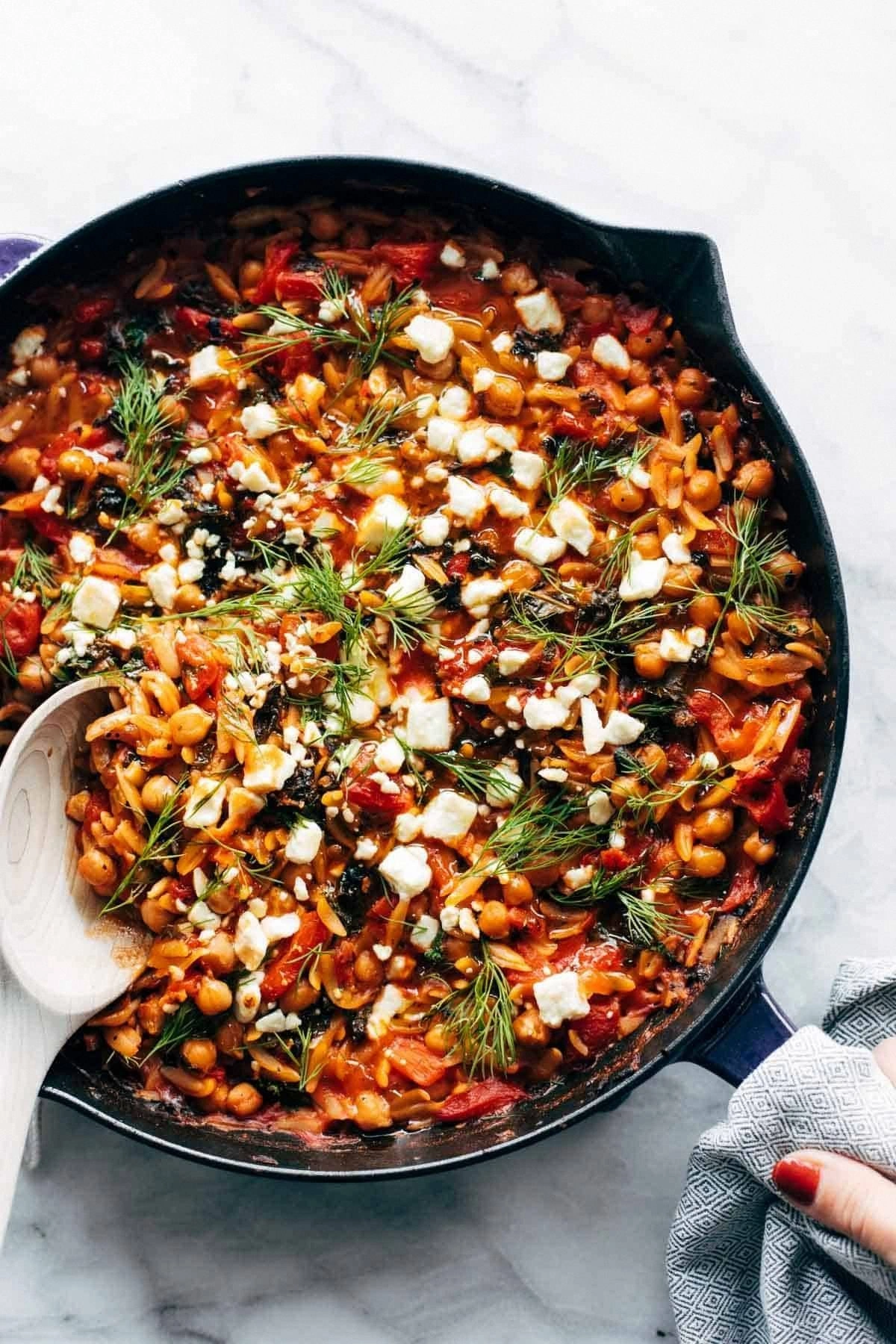
The kitchen was a symphony of sounds that day: the sizzle of olive oil meeting a hot pan, the gentle pop of garlic as it turned translucent, and the low hum of the oven preheating like a distant tide. I could see the orzo soaking up the broth, puffing up like tiny clouds, while the feta melted into a creamy, salty blanket that clung to each grain. The aroma was a heady mix of thyme, oregano, and a whisper of lemon that made my mouth water before the first bite even touched my tongue. When I finally pulled the dish out of the oven, the top was a crisp, buttery crust that shattered like thin ice under the fork, revealing a molten interior that draped the pasta in a velvety sauce.
Most baked orzo recipes either overcook the pasta into mush or leave it dry and bland. This version flips the script by using a precise broth-to-orzo ratio, a brief stovetop sauté to build flavor layers, and a finishing bake that creates that coveted crunchy‑top‑soft‑center contrast. The secret? A splash of lemon juice added at the very end that brightens every bite, and a generous crumble of feta that melts just enough to stay creamy without turning the whole thing into a cheese soup. I’ll be honest — I ate half the batch before anyone else got a chance, and that’s a confession I’m not ashamed to make.
Ready for the game‑changer? There’s a tiny trick involving butter and breadcrumbs that turns the ordinary crust into a golden, crackly masterpiece that even the most discerning nonna would applaud. I dare you to taste this and not go back for seconds. Let me walk you through every single step — by the end, you’ll wonder how you ever made it any other way.
What Makes This Version Stand Out
- Flavor Explosion: The combination of sautéed onions, garlic, and oregano creates a base that’s richer than any store‑bought sauce, while the lemon juice adds a bright finish that cuts through the richness.
- Texture Contrast: A buttery, toasted breadcrumb topping gives you that satisfying crunch, while the interior stays tender and sauce‑laden.
- Simplicity: Only ten core ingredients, all pantry‑friendly, mean you can whip this up on a weeknight without a grocery run.
- Unique Twist: I fold in crumbled feta at the end, allowing it to melt just enough to cling to each grain, creating a creamy‑salty kiss.
- Crowd Reaction: This dish has a habit of disappearing within minutes of being served; expect applause and requests for seconds.
- Ingredient Quality: Using good‑quality extra‑virgin olive oil and authentic Greek feta makes a world of difference in flavor depth.
- Cooking Method: The two‑step process—stovetop simmer then oven bake—ensures the orzo cooks evenly and the top crisps perfectly.
- Make‑Ahead Potential: Assemble ahead of time, refrigerate, and bake when you’re ready; the flavors meld even more beautifully overnight.
Inside the Ingredient List
The Flavor Base
Olive oil is the liquid gold that carries the aromatics into every crevice of the dish. When you heat it until it shimmers, you know it’s ready to coax the onions and garlic into a sweet, caramelized state. If you skimp on the oil, the onions will scorch, and you’ll lose that foundational sweetness. A good swap if you’re watching calories is to use half olive oil, half chicken broth, but don’t expect the same depth of flavor.
The Texture Crew
Orzo is the star, a rice‑shaped pasta that soaks up broth like a sponge while keeping its bite. The key is the broth‑to‑orzo ratio: for every cup of dry orzo, you need exactly 1.5 cups of hot broth. Too much liquid and you’ll end up with a soupy mess; too little and the orzo will be undercooked. If you can’t find orzo, try a small‑shaped couscous, but the texture won’t be identical.
The Unexpected Star
Feta cheese, crumbled and folded in at the end, is the surprise element that makes this dish sing. Its salty tang balances the acidity of the tomatoes and lemon, while its creamy melt adds a luxurious mouthfeel. Skipping the feta will leave the dish flat—think of it as the chorus of a song without the hook. For a dairy‑free version, use a sprinkle of nutritional yeast and a dash of smoked paprika to mimic the salty umami.
The Final Flourish
Lemon juice is the bright spark that lifts the entire flavor profile, preventing the dish from feeling heavy. Add it right after the bake, letting the heat gently release its citrus oils. A common mistake is to add lemon too early, which can cause the cheese to curdle. If lemons are out of season, a splash of white wine vinegar works in a pinch, though the flavor will be slightly sharper.
Everything's prepped? Good. Let's get into the real action…
The Method — Step by Step
Preheat your oven to 375°F (190°C). While it’s heating, gather all your ingredients and give the orzo a quick rinse under cold water to remove any surface starch that might cause clumping later. This rinse is quick—about 30 seconds—and it ensures each grain stays separate during the bake.
Heat 2 tablespoons of olive oil in a large, oven‑safe skillet over medium heat. Add the diced onion and sauté until it becomes translucent and starts to caramelize, about 5‑6 minutes. That sizzle when it hits the pan? Absolute perfection. Add the minced garlic and let it cook for another 30 seconds, just until fragrant.
Stir in the dry orzo, letting it toast lightly in the oil for 2‑3 minutes. You’ll hear a faint crackle as the grains coat themselves in oil—this step creates a nutty undertone that’s essential for the final flavor.
Pour in 1½ cups of hot chicken broth and the diced tomatoes, then sprinkle in the dried oregano, thyme, salt, and pepper. Bring the mixture to a gentle boil, then reduce the heat to low, cover, and let it simmer for 12‑15 minutes. The orzo will absorb the liquid, swelling to a perfect al‑dente texture.
Once the orzo is cooked, remove the skillet from heat. Gently fold in the crumbled feta, grated Parmesan (if using), and the fresh lemon juice. The cheese will melt just enough to create a creamy coating, while the lemon brightens the entire dish.
In a small bowl, combine 2 tablespoons of melted butter with ¼ cup of toasted breadcrumbs. Spread this mixture evenly over the top of the orzo. This is the moment of truth: the butter will melt, the breadcrumbs will turn golden, and the edges will start pulling away from the pan.
Transfer the skillet to the preheated oven. Bake for 15‑20 minutes, or until the breadcrumb topping is a deep, buttery gold and you can hear a faint crackle when you tap it with a spoon. The interior should be bubbling gently, a sign that the sauce is still alive.
Remove the dish from the oven and let it rest for 5 minutes. This short rest lets the juices settle and the cheese finish its melt. Garnish with a sprinkle of fresh parsley for a pop of color and a hint of herbaceous freshness.
That's it — you did it. But hold on, I've got a few more tricks that'll take this to another level...
Insider Tricks for Flawless Results
The Temperature Rule Nobody Follows
Never bake at a temperature lower than 375°F for this dish. Lower temps keep the breadcrumb topping soggy, while a hotter oven creates that coveted crackle. If your oven runs cool, add an extra 10 minutes to the bake time and keep an eye on the color.
Why Your Nose Knows Best
The moment the butter‑breadcrumb mixture turns a rich amber is the exact cue to pull the dish out. Trust the aroma; if you can smell toasted nuts, you’re golden. Over‑baking will taste burnt, not just look burnt.
The 5‑Minute Rest That Changes Everything
Letting the baked orzo sit for five minutes after leaving the oven allows the sauce to thicken slightly and the cheese to set. Jumping straight onto the plate can cause the top to crumble and the interior to spill over.
Don’t Skip the Toasted Breadcrumbs
Skipping this step is the culinary equivalent of serving pizza without cheese—just plain dough. The toasted breadcrumbs add a buttery crunch that contrasts the soft interior, turning the dish from “good” to “wow.”
Seasoning Layers, Not One Hit
I once tried to dump all the salt and pepper at the start. The result? A flat, one‑dimensional flavor. Instead, season the onions, then the broth, and finish with a pinch of salt after folding in the feta. Each layer builds depth.
Creative Twists and Variations
This recipe is a playground. Here are some of my favorite ways to switch things up:
Sun‑Dried Tomato & Basil
Swap the fresh tomatoes for ½ cup of chopped sun‑dried tomatoes and add a handful of fresh basil leaves at the end. The result is a deeper, slightly sweet flavor that pairs beautifully with the feta.
Spicy Harissa Kick
Stir in a tablespoon of harissa paste with the broth for a smoky, spicy undertone. Top with a drizzle of cool yogurt after baking to balance the heat.
Seafood Sensation
Replace the chicken broth with fish stock and fold in a cup of peeled, cooked shrimp during the final mixing stage. The shrimp adds a briny sweetness that feels like a Mediterranean seaside feast.
Vegetarian Delight
Use vegetable broth and add a cup of chopped zucchini and bell peppers when sautéing the onions. The vegetables soak up the broth, making every bite colorful and wholesome.
Herb‑Infused Parmesan
Mix grated Parmesan with dried oregano, thyme, and a pinch of smoked paprika before sprinkling it over the breadcrumb topping. This adds an extra layer of herbaceous depth.
Greek Yogurt Swirl
After baking, dollop a spoonful of thick Greek yogurt on each serving and swirl it in. The tangy yogurt adds a cool contrast to the warm, buttery crust.
Storing and Bringing It Back to Life
Fridge Storage
Transfer leftovers to an airtight container and refrigerate for up to 3 days. The flavors meld even more, making the next day’s portion taste richer.
Freezer Friendly
Cool the baked orzo completely, then portion into freezer‑safe bags or containers. It freezes beautifully for up to 2 months. Thaw overnight in the fridge before reheating.
Best Reheating Method
Preheat your oven to 350°F (175°C), sprinkle a tiny splash of water over the top, and cover with foil. Heat for 15‑20 minutes, then uncover for the final 5 minutes to revive that crisp topping. The water creates steam that brings the interior back to a creamy texture without drying it out.