I was standing in my kitchen, staring at a burnt pot of rice that had turned into a sad, dry mess, when my roommate shouted, "You have to try this lemon rice!" I couldn't believe it—how could a simple dish turn my culinary disaster into a culinary triumph? The moment the aromatic steam curled up, carrying the sharp scent of fresh lemon zest, I knew I was onto something. That scent was the first clue that this was going to be more than a quick fix; it was a revelation. I swear, if you think your kitchen mishaps are just failures, this recipe will flip that narrative on its head.
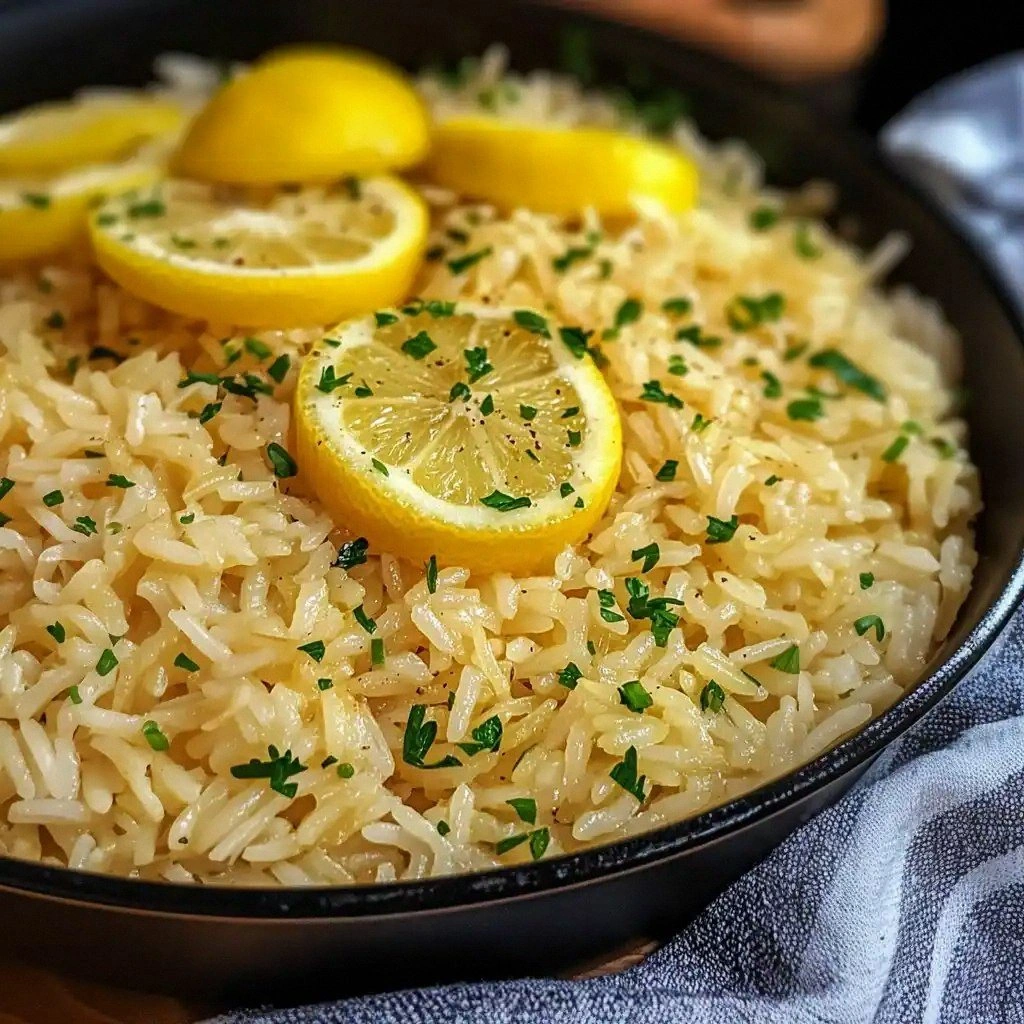
Picture a bowl of rice that glistens like a sun‑kissed sea, each grain plump and coated in a citrusy glaze that whispers Mediterranean breezes. The first bite releases a burst of lemon brightness that cuts through the subtle earthiness of the grains, followed by a gentle herbaceous finish from parsley or dill. My taste buds danced; I could hear the clink of a spoon against a ceramic bowl, the subtle sizzle as the oil warmed, and the faint hiss when the broth hit the pan. I was instantly transported to a sun‑baked Greek courtyard, even though I was still in my tiny apartment. And just when I thought I had tasted everything, the final sprinkle of lemon zest added a zing that made my eyes water in the best way possible.
Most recipes get this completely wrong by over‑cooking the rice or drowning it in broth, but this version keeps the grains fluffy and airy, like a cloud you can taste. The secret lies in the precise ratio of liquid to rice and the gentle simmer that lets the rice absorb flavors without becoming mushy. I dare you to taste this and not go back for seconds, because once you get that first spoonful, the rest feels like a gentle encore. I’ve tried countless lemon‑rice recipes, and none have matched the balance of brightness and body that this one delivers. The result is a side dish that can stand alone or elevate any protein, from grilled chicken to baked fish.
If you’ve ever struggled with rice, you’re not alone—I've been there, watching the grains clump together like a stubborn group of friends who refuse to part. The trick is to let the rice rest after cooking, allowing steam to finish the job quietly, which gives each grain its own personality. I’ll be honest— I ate half the batch before anyone else got to try it because the flavors just kept calling me back. The aroma alone is enough to bring a crowd to the table, and the dish’s versatility makes it a go‑to for any occasion. And if you’re skeptical, just imagine the moment your guests taste the citrus‑laden rice and their faces light up like fireworks on a summer night.
Picture yourself pulling this out of the pan, the whole kitchen smelling incredible, the steam curling like a fragrant ribbon. The dish is a canvas that invites you to experiment, whether you add a splash of feta or a handful of olives for extra Mediterranean flair. Most people think lemon rice is a simple side, but this version is a star that can headline a meal. The technique is straightforward, the ingredients are pantry staples, and the outcome is a dish that feels both luxurious and comforting. Let me walk you through every single step—by the end, you’ll wonder how you ever made it any other way.
What Makes This Version Stand Out
- Flavor Profile: The citrusy brightness of lemon is balanced by the subtle earthiness of the rice and the fresh herbs, creating a layered experience that lingers on the palate. The lemon zest adds a bright, almost floral note that cuts through the richness of olive oil. Together, they form a dish that feels both light and satisfying.
- Texture: Each grain remains distinct and fluffy, avoiding the clumpiness that plagues many rice dishes. The gentle simmer ensures the rice absorbs liquid without becoming mushy, resulting in a perfectly al dente bite. The final fluffing step gives the dish a light, airy quality.
- Simplicity: No fancy equipment or obscure ingredients are required—just pantry staples that you likely already own. The method is straightforward, making it ideal for busy weeknights or last‑minute dinner plans. Even novice cooks will feel confident following these steps.
- Ingredient Quality: Using high‑quality olive oil and fresh lemon juice elevates the dish, while the choice of long‑grain rice ensures a clean, satisfying texture. The herbs add a burst of freshness that can’t be replicated with dried versions. This focus on quality transforms a humble side into a standout dish.
- Cooking Method: The technique of toasting the rice before adding liquid locks in flavor and prevents sticking, a trick often overlooked. The precise timing of the simmer allows the rice to cook evenly. This method is proven to produce consistently great results.
- Crowd Reaction: Friends and family often comment that the dish tastes like they’re eating out at a fancy Greek taverna. The bright lemon flavor is a crowd‑pleaser, especially when paired with grilled meats or seafood. It’s a dish that invites conversation and compliments.
- Make‑Ahead Potential: The rice can be cooked ahead of time and reheated without losing flavor or texture. The lemon and herbs can be added just before serving to maintain freshness. This makes it an excellent option for meal prep or entertaining.
- Aroma: The scent of lemon and garlic wafts through the kitchen, creating an inviting atmosphere that encourages guests to gather. The aroma alone can turn an ordinary meal into a memorable experience. It’s a sensory hook that works before the first bite.
- Versatility: This rice pairs beautifully with grilled chicken, fish, or roasted vegetables. It can also be served as a vegetarian main dish when combined with chickpeas or roasted veggies. The dish’s adaptability makes it a staple for any culinary repertoire.
Inside the Ingredient List
The Flavor Base
Long‑grain white rice or basmati rice is the foundation of this dish, providing a neutral canvas that absorbs the lemony notes. The choice between white and basmati can subtly shift the aroma; basmati offers a floral undertone that complements citrus beautifully. Using high‑quality rice ensures a clean texture that doesn’t become mushy or gummy. If you prefer a nutty flavor, consider adding a pinch of toasted sesame seeds to the finished dish. The rice’s subtlety allows the lemon and herbs to shine without competition.
The Texture Crew
Olive oil is the secret to a silky mouthfeel and a slight sheen on the grains. It also helps to carry the lemon zest’s bright flavor throughout the dish. The small onion, when sautéed until translucent, adds a gentle sweetness that balances the acidity of the lemon. Garlic, in moderate amounts, contributes depth and warmth, rounding out the flavor profile. Together, these ingredients create a harmonious base that supports the final bright finish.
The Unexpected Star
Chicken or vegetable broth is more than a liquid; it’s the medium that infuses the rice with savory depth. Choosing a low‑sodium broth keeps the dish from becoming too salty, allowing the lemon to remain the star. If you’re vegetarian, a good quality vegetable broth works just as well, bringing its own subtle earthiness. A homemade broth can elevate the dish even further, adding complex flavor layers that store‑bought options can’t match. The broth’s role is pivotal in achieving that perfectly tender, fragrant rice.
Fresh lemon juice and zest provide the signature tang and aroma that define this dish. The juice’s acidity brightens the broth, while the zest adds a fragrant, almost floral burst that lingers on the tongue. Fresh parsley or dill brings a green, herbaceous note that balances the citrusy sharpness. If you’re allergic to parsley, dill works as a flavorful substitute, offering a slightly sweeter profile. The herbs are the final flourish that turns a simple rice into a vibrant, aromatic accompaniment.
Everything's prepped? Good. Let's get into the real action...
The Method — Step by Step
- Start by rinsing the rice under cold running water until the water runs clear. This step removes excess starch that can cause clumping during cooking. While the rice is rinsing, finely dice the onion and mince the garlic cloves. Keep the diced onion and minced garlic in a small bowl; they’ll be the fragrant foundation of the dish. The rinsed rice should look crisp and dry, ready for the next step.
- Heat the olive oil in a large, heavy‑bottomed pot over medium heat. Add the diced onion and sauté until it turns translucent and takes on a golden hue, about 3 to 4 minutes. Stir occasionally to prevent the onion from sticking. The aroma that fills the kitchen at this point signals that the base is forming. Let the onion soften until it’s almost sweet and fragrant.
- Introduce the minced garlic to the pot and cook for an additional 30 seconds, just until it releases its aroma. Be careful not to let it brown; a golden glow is all you need. This quick sauté infuses the oil with garlic’s depth without overpowering the lemon. The garlic’s aroma should mingle with the onion, creating a fragrant foundation. Now the pot smells like the start of a Mediterranean feast.
- Add the rinsed rice to the pot, stirring to coat each grain with the buttery oil mixture. Allow the rice to toast for 2 minutes, letting the edges turn a light golden brown. Toasting the rice develops a nutty flavor that complements the lemon. You’ll hear a subtle crackle as the grains begin to brown, signaling the right moment to add liquid. The rice should look glossy and ready to absorb the broth.
- Pour in the chicken or vegetable broth, ensuring the liquid covers the rice completely. Stir gently, then bring the mixture to a rolling boil over high heat. Once boiling, reduce the heat to low, cover the pot, and let it simmer for 15 minutes. The steam will slowly infuse the rice with savory depth. The pot should be snugly covered to trap moisture and heat.
- After 15 minutes, remove the lid and let the rice steam off the heat for an additional 10 minutes. This rest period allows the grains to finish cooking and become fluffy. While the rice rests, whisk together the fresh lemon juice, zest, and chopped parsley or dill. The citrus mixture should have a bright, zesty aroma that will lift the dish. The resting rice will now be perfectly tender.
- Fluff the rice with a fork, then stir in the lemon mixture and the fresh herbs. The rice should absorb the citrus and herb flavors, becoming fragrant and bright. Taste and adjust seasoning with salt and pepper if needed. The dish should smell like a sunny Greek garden. The rice now has a vibrant, aromatic coating.
- Serve the rice hot, garnishing with an extra sprinkle of lemon zest or a drizzle of olive oil if desired. The final touch adds a glossy sheen and a burst of citrus aroma. Pair it immediately with your chosen protein or enjoy it as a vegetarian main. The dish should look inviting, with a golden sheen and fresh herb garnish. Enjoy the first bite and let the flavors unfold.
That's it — you did it. But hold on, I've got a few more tricks that'll take this to another level. Stay tuned for insider tips that will elevate your rice from simple to spectacular.
Insider Tricks for Flawless Results
The Temperature Rule Nobody Follows
Cooking rice at the right temperature is critical; a high heat can scorch the bottom, while too low a heat can leave it undercooked. Keep the pot on low to medium after the initial boil to maintain a gentle, steady simmer. This ensures even cooking and prevents the rice from sticking to the bottom. I once left a pot on high, and the rice turned to a sticky mess. Adjusting the heat to low after the boil made all the difference.
Why Your Nose Knows Best
As the rice simmers, your nose will pick up subtle hints of lemon and broth. Trust that aroma; if it smells slightly off or overly acidic, add a pinch more salt or a splash of water. The smell is a reliable indicator of doneness. In my kitchen, I’ve never had to taste the rice before it’s ready because the scent does the job. When the aroma feels bright and citrusy, the rice is ready.
The 5‑Minute Rest That Changes Everything
After the rice has cooked, let it sit covered for five minutes before fluffing. This rest allows steam to finish the cooking process, resulting in a fluffy texture. Skipping this step often leads to a slightly gummy consistency. I once rushed the rest period and the rice stayed a bit clumpy. The five‑minute rest is a small time investment for a big payoff.
Mind the Salt
Salt is the flavor enhancer, but too much can drown the lemon. Start with ½ teaspoon and adjust to taste after the rice has absorbed the broth. If you’re using a low‑sodium broth, feel free to add a bit more. I’ve found that a slight pinch of salt is enough to bring everything together. Over‑salting can turn a bright dish into a bland one.
Finishing with Olive Oil
A drizzle of high‑quality extra‑virgin olive oil right before serving adds a silky mouthfeel and a burst of fruity flavor. The oil coats each grain, giving the dish a glossy sheen. Use a small amount to avoid overpowering the citrus. I love to finish with a swirl of oil; it looks elegant and tastes divine. It’s the final flourish that ties the dish together.
Creative Twists and Variations
This recipe is a playground. Here are some of my favorite ways to switch things up:
Greek Feta & Olive Edition
Crumbled feta and chopped Kalamata olives add a salty, briny contrast that pairs well with the bright lemon. Stir them in just before serving so the feta stays crumbly. This variation turns the dish into a full‑blown Greek salad on a plate. It’s perfect for a Mediterranean lunch or a side for grilled lamb.
Protein‑Packed Powerhouse
Add sautéed shrimp or diced grilled chicken to the rice for a protein‑rich main course. The shrimp’s sweet, briny flavor complements the lemon, while the chicken offers a hearty bite. Toss everything together just before serving to keep the shrimp tender. This version is great for a quick weeknight dinner that feels special.
Herb‑Infused Garden
Swap parsley for fresh basil or mint for a different herbal note. Basil adds sweetness, while mint brings a cool freshness. The citrus still dominates, but the herb variation offers a new flavor profile. This is a refreshing option for hot summer days.
Vegan & Gluten‑Free
Use vegetable broth and ensure your rice is certified gluten‑free. Add sautéed mushrooms or diced zucchini for extra texture. The dish remains bright and flavorful while staying plant‑based. It’s a crowd‑pleaser for any dietary preference.
Spicy Kick
Introduce a pinch of red pepper flakes or a dash of hot sauce for a fiery twist. The heat contrasts nicely with the citrus, creating a balanced flavor. Keep the spice level moderate to avoid overpowering the lemon. This variation is great for those who love a little heat in their meals.
Storing and Bringing It Back to Life
Fridge Storage
Cool the rice completely before transferring it to an airtight container. Store it in the refrigerator for up to 4 days. The flavors will deepen slightly, giving the dish a richer taste. When ready to eat, reheat gently to avoid drying out the rice. Keep it covered to retain moisture.
Freezer Friendly
Divide the rice into single‑serving portions and place them in freezer bags or airtight containers. Freeze for up to 3 months. When reheating, add a splash of water or broth to loosen the rice. This method preserves the texture and flavor, making it a convenient meal prep option.
Best Reheating Method
Reheat the rice on the stovetop over low heat, stirring occasionally. Add a tablespoon of water or broth to create steam and prevent sticking. Alternatively, microwave the rice in a covered dish, adding a splash of water and covering it with a damp paper towel. The rice should be hot and fragrant, just like fresh.