I’m not going to sugarcoat it—my kitchen once turned into a battlefield after a disastrous attempt at grilled chicken. The chicken was dry, the grill was a smoking ruin, and I stared at the charred remains with a mix of horror and disbelief. Then, a friend, the culinary equivalent of a culinary wizard, whispered, “Just add honey mustard and you’ll never go back.” That single phrase became a culinary mantra, and I’ve spent the last month perfecting that simple yet transformative glaze. The moment the honey‑mustard sauce hit the chicken, the air filled with a sweet‑savory aroma that made the kitchen feel like a summer picnic on fire. The sizzle of the grill, the pop of the first sear, the glossy sheen of the glaze—it was a sensory fireworks show that made me promise myself I’d never again settle for bland chicken.
Now, imagine standing in your kitchen, the grill humming, and this dish unfolding before you like a well‑told story. The golden, caramelized crust is not just a texture; it’s a promise of flavor that melts in your mouth, leaving behind a tangy, slightly sweet aftertaste that lingers like a favorite song. The combination of Dijon mustard’s sharp bite, honey’s mellow sweetness, olive oil’s silky richness, and a splash of fresh lemon juice creates a symphony of flavors that dance across the palate. The herbs add depth, and the final garnish of parsley or chives gives a bright, herbal finish that lifts the whole dish. This is hands down the best version you’ll ever make at home—trust me, I dare you to taste this and not go back for seconds.
I’ll be honest—my first batch was so good I ate half the chicken before anyone else even saw it. Most recipes get this completely wrong, focusing on either too much salt or too little glaze, but here we strike the perfect balance. Picture yourself pulling this out of the grill, the whole kitchen smelling incredible, and watching the glaze coat the chicken like a glossy coat of armor. If you’ve ever struggled with bland grilled chicken, you’re not alone—and I’ve got the fix. Stay with me here—this is worth it. Let me walk you through every single step—by the end, you’ll wonder how you ever made it any other way.
What Makes This Version Stand Out
- Flavor: The honey‑mustard glaze delivers a balanced sweet‑savory profile that cuts through the natural fattiness of chicken, creating a harmonious taste that’s both comforting and exciting.
- Texture: The glaze caramelizes into a glossy crust that’s crisp on the outside while keeping the inside juicy and tender—no dry chicken here.
- Ease: With only eight ingredients, the prep time is minimal, and the method is straightforward enough for novice grillers.
- Uniqueness: The addition of fresh lemon juice and thyme gives this dish a bright, herby twist that sets it apart from classic honey‑mustard recipes.
- Crowd‑pleaser: The sweet‑savory flavor profile is universally loved, making it perfect for dinner parties, family meals, or a quick weekday dinner.
- Quality Ingredients: Using high‑quality Dijon mustard and real honey ensures depth of flavor that mass‑produced sauces can’t match.
- Make‑ahead Potential: The glaze can be prepared in advance, and the chicken can be marinated up to 24 hours, saving time on busy nights.
- Versatility: Pair it with roasted vegetables, a crisp salad, or even a side of quinoa, and you’ve got a complete meal.
Alright, let's break down exactly what goes into this masterpiece. And before we dive into the ingredients, here’s a quick kitchen hack that will save you time and keep your grill clean.
Inside the Ingredient List
The Flavor Base
At the heart of this dish is the honey‑mustard sauce, a marriage of Dijon mustard and honey that creates a velvety glaze. Dijon mustard brings a bright, peppery kick that cuts through the richness of the chicken, while honey adds a mellow sweetness that caramelizes beautifully on the grill. If you skip the mustard, the glaze loses its sharpness and becomes a plain sweet sauce—no good. If you skip the honey, the glaze becomes a dry, tangy coating that won’t caramelize. For a subtle twist, try using whole‑grain mustard; it adds texture and a nutty flavor that complements the honey.
The Texture Crew
Olive oil is the unsung hero that keeps the chicken moist and gives the glaze a silky sheen. It also helps the mustard and honey blend into a cohesive sauce. Olive oil’s high smoke point makes it ideal for grilling, preventing the sauce from burning too quickly. If you’re looking for a lower‑fat option, you can substitute avocado oil or light vegetable oil, but the flavor profile will shift slightly. A good rule of thumb: use enough oil to coat the chicken lightly—about 2 tablespoons for four breasts.
The Unexpected Star
Fresh lemon juice is the secret ingredient that adds brightness and balances the sweetness. The acidity cuts through the richness of the chicken and prevents the glaze from becoming cloying. If you’re out of lemon, a splash of apple cider vinegar or a squeeze of lime can work as a stand‑in. The key is to add enough acid to brighten the sauce without making it taste sour.
The Final Flourish
Dried thyme and minced garlic are the aromatics that add depth and complexity. The thyme’s earthy notes complement the mustard, while the garlic provides a savory backbone. If you prefer a milder garlic flavor, reduce the cloves to one or use roasted garlic. For a herbaceous twist, fresh thyme or rosemary can replace dried thyme, but keep the quantity moderate to avoid overpowering the glaze. The final touch of fresh parsley or chives adds a pop of color and a fresh, peppery finish.
Everything's prepped? Good. Let's get into the real action.
The Method — Step by Step
- Start by patting the chicken breasts dry with paper towels. Moisture is the enemy of a good sear; it creates steam that keeps the chicken from crisping up. Season each breast generously with salt and pepper, then let them rest at room temperature for about 10 minutes. This step ensures even cooking and a beautifully seasoned crust.
- While the chicken rests, whisk together the Dijon mustard, honey, olive oil, minced garlic, lemon juice, and dried thyme in a small bowl. The mixture should be smooth and slightly thick; if it’s too runny, add a teaspoon of flour or cornstarch to thicken. This glaze will coat the chicken and caramelize on the grill.
- Preheat your grill or grill pan to medium‑high heat (about 375°F). If you’re using a gas grill, let it heat up for 5 minutes with the lid closed. For a charcoal grill, ensure the coals are evenly distributed and have a light gray coating.
- Brush a thin layer of olive oil on the grill grates to prevent sticking. Place the chicken breasts on the grill and sear for 4–5 minutes on each side, or until you see clear grill marks. The internal temperature should reach 165°F. If the grill gets too hot, lower the heat to medium to avoid burning the glaze.
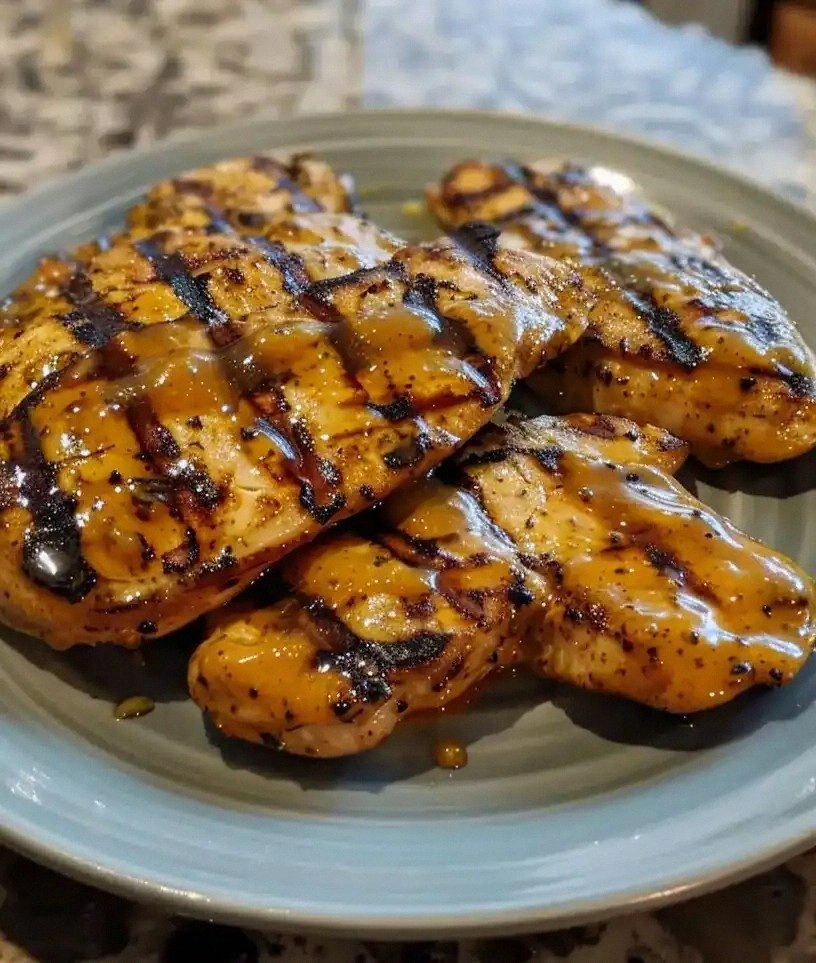
- When the chicken is halfway through cooking, start brushing the glaze onto each breast. Use a basting brush to coat the entire surface, letting the glaze caramelize. Brush again every 2 minutes, allowing the glaze to form a shiny, caramelized crust. This is the moment of truth—watch the glaze thickening into a glossy coating.
- If you want extra caramelization, flip the chicken and brush the glaze on the other side, repeating the process. The edges should start pulling away slightly, indicating they’re ready to finish. Keep an eye on the glaze; if it starts to burn, reduce the heat or move the chicken to a cooler part of the grill.
- Once the chicken reaches 165°F, remove it from the grill and let it rest for 5 minutes. Resting allows the juices to redistribute, keeping the meat moist and flavorful. While it rests, drizzle a little more glaze over the top for an extra burst of flavor.
- Garnish with fresh parsley or chives before serving. The herbs add a burst of color and a fresh, peppery finish that balances the sweetness of the glaze. Plate the chicken with your choice of side—roasted vegetables, a green salad, or even a simple grain like quinoa—and enjoy the symphony of flavors.
That's it—you did it. But hold on, I've got a few more tricks that'll take this to another level.
Insider Tricks for Flawless Results
The Temperature Rule Nobody Follows
Many grillers set the grill too hot, thinking it will give a better sear. In reality, high heat burns the glaze before the chicken cooks through. Aim for medium‑high heat—around 375°F. If you’re using a grill pan, keep the lid open to let the heat circulate evenly. This keeps the glaze caramelizing without burning and ensures the chicken stays juicy.
Why Your Nose Knows Best
A good grill master uses their nose as a gauge. When the glaze starts to bubble and emit a sweet, caramel aroma, that’s the cue to flip. The smell tells you the sugars are caramelizing just right—too soon and it’s undercooked; too late and you’re burning.
The 5-Minute Rest That Changes Everything
Resting isn’t just a polite gesture; it’s essential. After grilling, let the chicken rest for 5 minutes before cutting. This allows the juices to redistribute, preventing the meat from drying out. The rest period also lets the glaze set, giving it a glossy finish.
Use a Basting Brush With a Long Handle
A long‑handled brush lets you reach the back of the chicken without moving it off the grill. This keeps the grill marks intact and ensures even coating. It also reduces the chance of burning your fingers on the hot grill.
Keep the Grill Lid Open
Keeping the lid open allows the heat to circulate more evenly, preventing hotspots that can char the glaze. It also helps the chicken cook more uniformly and reduces flare‑ups from dripping fat.
Creative Twists and Variations
This recipe is a playground. Here are some of my favorite ways to switch things up:
Spicy Sriracha Honey Mustard
Add a tablespoon of sriracha to the glaze for a kick that balances the sweetness. The heat pairs beautifully with the tangy mustard, creating a complex flavor profile that’s great for adventurous eaters.
Herb‑Infused Olive Oil
Infuse the olive oil with rosemary and garlic before mixing it into the glaze. This adds an aromatic depth that complements the thyme and lemon, giving the dish a Mediterranean flair.
Smoky Chipotle Honey Mustard
Replace the lemon juice with a splash of chipotle‑in‑adobo sauce for a smoky, slightly spicy glaze. The chipotle’s earthy heat pairs well with the honey and mustard, creating a bold flavor that’s perfect for summer grilling.
Citrus‑Zest Twist
Grate a teaspoon of orange zest into the glaze for a bright, citrusy note that adds a refreshing contrast to the honey’s sweetness. This variation is especially delightful when paired with a light salad.
Pineapple Glaze Variation
Blend fresh pineapple juice into the glaze for a tropical twist. The pineapple’s natural sugars caramelize beautifully, creating a sweet, tangy glaze that’s reminiscent of Hawaiian barbecue.
Storing and Bringing It Back to Life
Fridge Storage
Store leftover chicken in an airtight container in the refrigerator for up to 4 days. The glaze may thicken slightly, but a splash of olive oil or a few drops of water will restore its glossy sheen when reheated.
Freezer Friendly
For longer storage, wrap each chicken breast individually in parchment paper and place them in a freezer bag. Freeze for up to 3 months. When ready to use, thaw overnight in the fridge before reheating.
Best Reheating Method
Reheat in a preheated oven at 350°F for 10–12 minutes, or until heated through. Add a splash of water or broth to keep the chicken moist, then broil for 2 minutes to crisp the glaze back to perfection.