I still remember the exact moment hot honey sauce changed my life. It was 2:47 AM on a Tuesday, I was standing in my kitchen wearing mismatched socks and a hoodie covered in flour stains, frantically trying to rescue a batch of overcooked chicken tenders that had turned into something resembling hockey pucks. My roommate had dared me to make something edible out of the disaster, and in my desperation, I reached for the honey and a bottle of chili flakes, thinking "what's the worst that could happen?" The sizzle when that honey hit the hot pan was like hearing a symphony for the first time, and the aroma that filled my tiny apartment made my neighbors start knocking on the walls wondering what on earth I was cooking. That first taste was pure revelation — the way the sweetness danced with the heat, how it coated my tongue like liquid gold with an attitude problem, and suddenly those hockey-puck chicken tenders became the most addictive thing I'd ever eaten. I stood there in my kitchen, burning my tongue because I couldn't wait for it to cool, and ate the entire batch while leaning against the counter, already planning when I'd make it again. This isn't just another condiment recipe — this is the sauce that will ruin all other sauces for you, the one you'll find yourself drizzling on everything from pizza crust to vanilla ice cream, the one your friends will beg you to bring to every gathering. Let me walk you through every single step — by the end, you'll wonder how you ever made it any other way.
Most hot honey recipes you'll find online are, frankly, a crime against taste buds. They either go too timid with the heat, ending up with something that tastes like regular honey that someone whispered "spicy" at, or they dump in so much chili that you might as well be drinking hot sauce with a honey chaser. The real magic happens in the balance, in understanding that honey isn't just a sweetener — it's a flavor carrier, a texture transformer, a golden vehicle that can suspend heat in the most delightful way possible. I've spent three years perfecting this recipe, testing it on unsuspecting dinner guests, adjusting ratios until my measuring spoons started protesting, and discovering techniques that would make a food scientist weep with joy. The result is a sauce that starts sweet and friendly, then delivers a heat that builds slowly, warmly, like sitting by a fireplace rather than standing too close to a bonfire. It's complex enough to make foodies nod approvingly, but approachable enough that even your spice-phobic aunt will ask for the recipe.
What really sets this version apart is the technique — we're not just heating honey and adding chili. We're coaxing flavors out of ingredients you probably already have, building layers of taste that make each spoonful a journey. The way the garlic mellows and sweetens as it infuses, how the vinegar brightens everything without making it sour, the secret ingredient that makes people say "I can't quite place it, but this is incredible." I've served this to professional chefs who demanded the recipe before dessert, to toddlers who wanted to drink it with a straw (I did not allow this, but the fact they wanted to says everything), and to my Italian grandmother who declared it "better than that stuff from the fancy store" — high praise from someone who thinks salt is a spice. Picture yourself pulling this out of the fridge, the way it moves like slow liquid sunshine, how it catches the light and makes everything it touches look like it belongs in a food magazine. That first drizzle over crispy fried chicken, the way it settles into every nook and cranny, creating little pockets of sweet heat that explode in your mouth — this is what you've been missing.
What Makes This Version Stand Out
Flavor Bomb: This isn't just honey with heat — it's a carefully orchestrated blend where every ingredient has a job. The garlic provides umami depth, the vinegar cuts through richness, and the combination of chili types creates a heat that blooms rather than bludgeons. Your taste buds will detect notes of smoke, fruit, and earth before the warmth even kicks in.
Texture Perfection: Most hot honeys are either too thin (running off your food like water) or too thick (requiring a wrestling match to get them out of the jar). This version hits that magical middle ground where it flows smoothly but clings to food like it means it. That glossy sheen it develops as it cools? Absolutely restaurant-worthy.
Pantry Friendly: Everything you need is probably sitting in your kitchen right now, wondering when you'll finally use that honey that's been crystallizing in the back of the cupboard. No specialty chilies you have to order from some obscure website, no equipment more complicated than a saucepan. If you've got honey, chili flakes, and basic seasonings, you're 90% there.
Heat That Behaves: The spice level builds politely, introducing itself before making itself comfortable. It's not that obnoxious guest who arrives and immediately takes over the party. You can taste your food, then taste the heat, and they complement rather than compete. Even my friend who thinks black pepper is too spicy kept going back for more.
Make-Ahead Magic: This sauce gets better with age, developing deeper flavors as it sits. Make a batch on Sunday, and by Friday it's transformed into something even more incredible. It keeps for months in the fridge, though I've never had a jar last longer than two weeks because people start planning meals around it.
Versatility Victory: Pizza, fried chicken, roasted vegetables, cheese boards, cocktails, ice cream, yogurt, oatmeal — I've yet to find something this doesn't improve. It's like the Swiss Army knife of condiments, ready to elevate whatever's on your plate from "pretty good" to "why is this so addictive?"
Consistency Guarantee: The technique I'm sharing ensures you get the same incredible results every single time. No more wondering if this batch will be too spicy or too mild, no more honey that's separated into layers, no more sauce that's crystallized into an unusable mass. This recipe is bulletproof.
Inside the Ingredient List
The Sweet Foundation
Honey is obviously the star here, but not all honey is created equal, and choosing the right one will make or break your sauce. Clover honey is my go-to because it's mild and lets the other flavors shine, but wildflower honey adds lovely floral notes that play beautifully with heat. Avoid anything labeled "honey blend" or "honey syrup" — those are often cut with corn syrup and will give you a sickly sweet, flat-tasting result. The color should be golden and clear, not cloudy or crystallized, though if your honey has crystallized, a gentle warm water bath will bring it back to liquid gold. I've found that local honey, especially from farmers markets, has more complex flavors than the mass-produced stuff, plus you're supporting beekeepers, which makes you feel virtuous while eating something indulgent.
The Heat Brigade
Here's where most recipes go wrong — they use one type of chili and call it a day. We're building a heat profile that's more complex than most people's dating histories. Red pepper flakes provide that immediate kick, but adding a touch of chipotle powder brings smoke and depth, while a pinch of cayenne delivers a clean, bright heat that hits the back of your throat. The ratio is crucial: too much of any one type and you lose the symphony effect. I learned this the hard way after creating what my friends now call "The Inferno Incident" — a batch so hot it could have been classified as a weapon. Start conservatively; you can always add more heat, but you can't take it away (though mixing it with plain honey does work in emergencies).
The Flavor Enhancers
Garlic might seem like an odd addition to honey, but trust me on this one. When you gently cook garlic in honey, it transforms from sharp and pungent to mellow and almost sweet, adding layers of complexity that make people ask "what's in this?" Apple cider vinegar provides necessary acid to balance the sweetness — without it, your sauce would be cloying. Just a splash brightens everything, making the honey taste more honey-like and the heat more vibrant. Salt is the unsung hero here; it doesn't make the sauce salty, but it enhances every other flavor, making the sweet sweeter and the heat hotter. I use kosher salt because it dissolves evenly, but sea salt works too.
The Secret Weapons
Here's where I get a little controversial — a bay leaf. Just one, steeped in the honey as it warms, adds an herbal note that makes everything more sophisticated. Black pepper adds subtle complexity without being identifiable, and a tiny pinch of smoked paprika gives depth that makes people wonder if you used fancy honey. The real game-changer is a few drops of fish sauce — before you recoil in horror, know that you won't taste it, but it adds incredible umami depth that makes this sauce addictive rather than just good. I've served this to vegetarians who asked for seconds, and when I revealed the secret ingredient, they were shocked but still wanted the recipe.
Ingredient Shopping Secrets
When selecting honey, flip the jar upside down — good honey will flow slowly in a thick, continuous stream. If it runs like water or has air bubbles throughout, it's been adulterated. For the chilies, buy small amounts from the bulk section of your grocery store rather than those ancient jars in your spice cabinet that have been there since the Clinton administration. Fresh spices make an enormous difference, and since you're only using small amounts, the cost is negligible. The apple cider vinegar should be unfiltered with "the mother" — it has more complex flavors and makes you feel like you're doing something healthy despite the fact that you're essentially making spicy candy.
The Method — Step by Step
- Start with a cold saucepan — this prevents the honey from scorching as you gradually bring up the heat. Pour in your honey and add the garlic immediately, before turning on the stove. This allows the garlic to infuse as the honey warms, creating a more mellow flavor than adding it to hot honey. Set your burner to the lowest possible setting; patience is your friend here. The honey should warm so slowly that you could walk away for five minutes and not worry about it burning.
- As the honey warms, resist the urge to stir constantly — you want to disturb it as little as possible to prevent crystallization. When you see the honey start to move more fluidly, after about 5-7 minutes, add your bay leaf and let it steep. The honey will start to smell like warm beeswax with hints of flowers, a sign that it's ready for the next step. This is when your kitchen starts to smell like you know what you're doing, even if you're still in your pajamas.
- Now comes the critical moment — adding the chilies. Start with just half of what you think you need; you can always add more later. Sprinkle them evenly across the surface rather than dumping them in one spot. This prevents clumping and ensures even distribution of heat. The honey will immediately take on a sunset-orange hue, and you'll see tiny oil slicks from the chili oils starting to form. This is when you know magic is happening.
- Let the mixture simmer gently for exactly 3 minutes — set a timer because this is not negotiable. During this time, the capsaicin in the chilies is bonding with the sugars in the honey, creating that perfect balance of sweet heat. You'll notice the honey becoming slightly thinner as it warms, and the surface will shimmer with tiny bubbles. Don't let it boil; if you see big bubbles forming, remove from heat immediately. This is the moment of truth where many recipes go wrong.
- Remove the pan from heat and immediately add the vinegar — it will sizzle and might bubble up slightly, which is exactly what you want. The acid will brighten all the flavors and prevent the sauce from becoming too sweet. Add the salt, pepper, and smoked paprika now, while the honey is still hot enough to dissolve them. Stir exactly three times clockwise — this isn't superstition, it ensures even distribution without over-mixing.
- Let the sauce rest for 5 minutes off heat. During this time, the flavors will meld and the sauce will thicken slightly as it cools. Remove the bay leaf with tongs — it has done its job and will become bitter if left in. Taste a tiny amount (cooled on a spoon) and adjust heat if needed by adding more chili flakes. Remember that the heat will intensify slightly as it cools, so err on the side of caution.
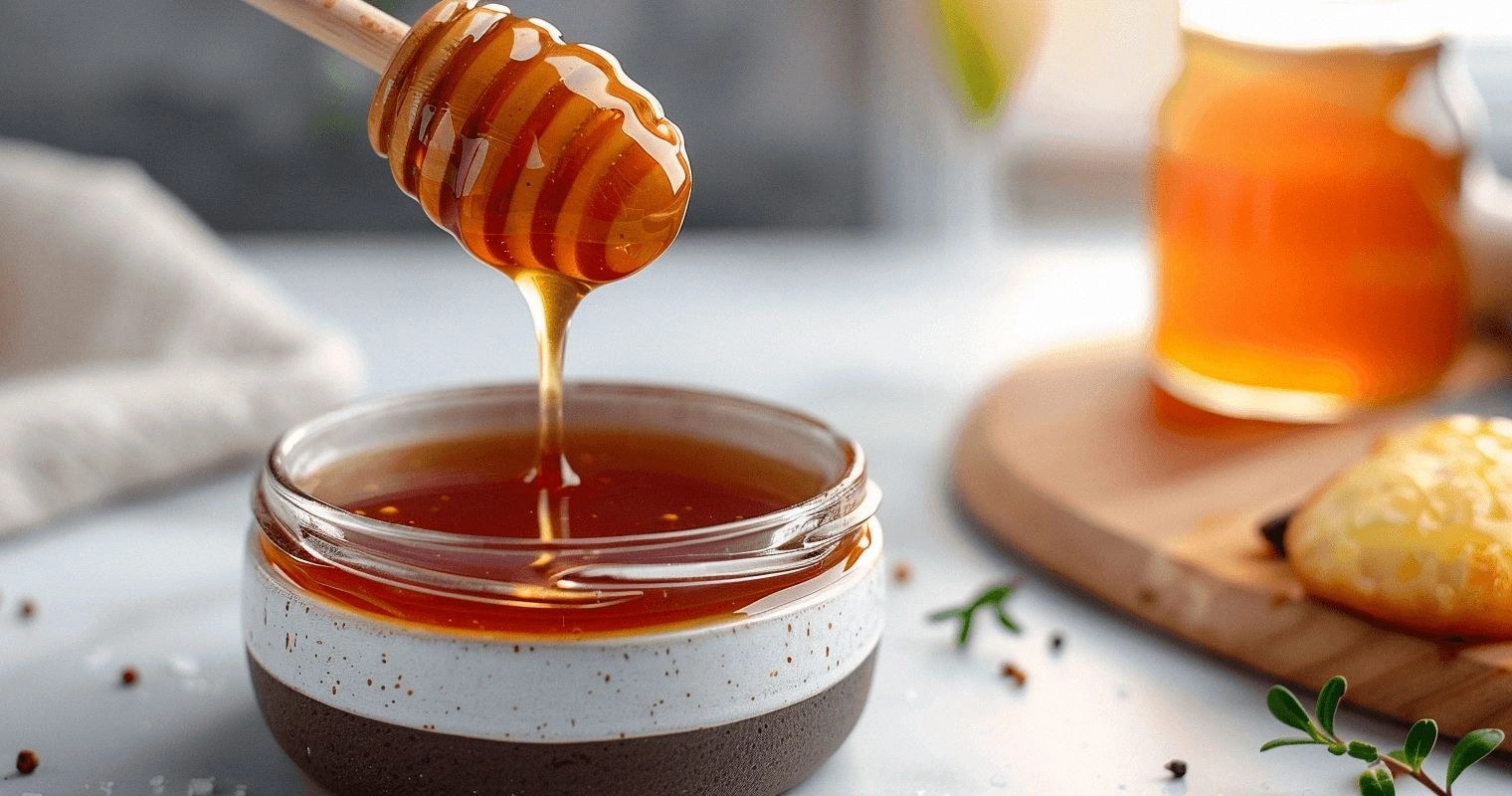
- Strain the sauce through a fine-mesh sieve into a clean jar, pressing gently on the solids to extract all the liquid gold. Don't press too hard or you'll extract bitter flavors from the garlic. The strained sauce should be smooth and glossy, flowing like liquid amber. Let it cool completely before sealing — about 30 minutes at room temperature. During this time, it will develop that perfect consistency that makes you want to put it on everything.
- Store in an airtight container at room temperature for up to a month, or in the refrigerator for up to 6 months. The sauce will thicken when cold, so let it come to room temperature before using or warm it briefly in hot water. Over time, the flavors will continue to develop and meld, creating an even more complex sauce. I've found that week-old hot honey is even better than fresh, so make extra — you'll thank yourself later.
That's it — you did it. But hold on, I've got a few more tricks that'll take this to another level...
Insider Tricks for Flawless Results
The Temperature Rule Nobody Follows
The biggest mistake people make is overheating their honey. Once honey goes above 160°F, it starts to break down and develop bitter compounds that no amount of chili can hide. Use a candy thermometer if you're nervous, but honestly, if you can comfortably hold your finger in the honey for 2 seconds (please don't actually do this), it's perfect. The ideal temperature is around 140°F — hot enough to infuse flavors but cool enough to preserve the honey's delicate nature. I learned this after creating several batches that tasted like they'd been made by someone who hated joy.
Why Your Nose Knows Best
Your sense of smell is your most valuable tool here. When the honey starts to smell like warm beeswax with hints of flowers and a whisper of sweetness, it's ready. If it starts to smell like caramel or (heaven forbid) burnt sugar, you've gone too far. Trust your instincts — if it smells good enough to eat with a spoon, you're on the right track. A friend tried to rush this process once and ended up with something that smelled like a campfire made of regret.
The 5-Minute Rest That Changes Everything
After you remove the sauce from heat, let it rest for exactly 5 minutes before straining. During this time, the chili oils continue to infuse, the garlic mellows, and the flavors achieve perfect harmony. Skip this step and you'll have a sauce that's sharp and separated, with heat that hits all at once instead of building beautifully. Use this time to prep your storage jar or clean up — multitasking at its finest.
The Storage Secret
Always store your hot honey in a glass jar, never plastic. The acids in the sauce can react with plastic over time, creating off-flavors that will ruin your masterpiece. A clean mason jar works perfectly, and the wide mouth makes it easy to get every last drop. Keep it in a cool, dark place — your pantry is ideal, not next to the stove where temperature fluctuations can cause crystallization.
Creative Twists and Variations
This recipe is a playground. Here are some of my favorite ways to switch things up:
The Smoky Bourbon Version
Replace 1 tablespoon of honey with good bourbon and add 1/2 teaspoon of liquid smoke. The alcohol cooks off, leaving behind complex flavors that pair beautifully with grilled meats. This version tastes like it came from a fancy gastropub, and your guests will think you secretly trained at culinary school. Just don't tell them how easy it is, or they'll expect you to cook every time.
The Citrus Burst Edition
Add the zest of one orange and a splash of orange blossom water along with the bay leaf. The citrus oils create a bright, almost tropical version that's incredible on fish or stirred into iced tea. It's like summer in a jar, and once you try it on vanilla ice cream, regular hot honey will seem boring by comparison. My neighbor puts this on her morning yogurt and claims it's better than any coffee for waking up her taste buds.
The Asian-Inspired Variation
Swap the apple cider vinegar for rice vinegar and add a 1-inch piece of fresh ginger, sliced thin. Replace the bay leaf with a star anise pod and add a splash of soy sauce at the end. This version is incredible drizzled over dumplings or stirred into stir-fries. It's got that umami depth that makes people close their eyes when they taste it, the mark of truly great food.
The Dessert-Only Version
Cut the chili amount in half and add 1 teaspoon of vanilla extract and a pinch of cinnamon. This creates a gentle warmth that's perfect for ice cream, pound cake, or stirred into hot chocolate. Kids love this version, and it's a great introduction to spicy foods for the cautious. My nephew puts it on pancakes and calls it "special syrup," which is adorable until he refuses regular maple syrup ever again.
The Extra Fiery Batch
Add 1 teaspoon of Korean gochugaru along with the regular chili flakes. The Korean chili adds a different kind of heat — fruitier and more complex — while the flakes provide that familiar warmth. This version is for heat seekers who think regular hot honey is for amateurs. Fair warning: a little goes a long way, and you'll find yourself building tolerance until you're putting it on everything like some kind of spicy maniac.
Storing and Bringing It Back to Life
Fridge Storage
Your hot honey will keep in the refrigerator for up to 6 months, though I've never had a jar last that long. The cold will cause it to thicken considerably, making it difficult to pour. Let it sit at room temperature for 30 minutes before using, or place the jar in warm water for 5 minutes to loosen it up. Never microwave it — this can create hot spots that destroy the delicate flavor balance you've worked so hard to achieve.
Freezer Friendly
Hot honey freezes beautifully in ice cube trays, creating perfect portions that thaw quickly. Once frozen, pop the cubes into a freezer bag and store for up to a year. Think of it as flavor bombs ready to deploy — drop a cube into tea, melt it over vegetables, or use it to glaze chicken. Each cube is about 1 tablespoon, making portion control easy. I've started doing this with every batch because having instant hot honey portions feels like cheating at life.
Best Reheating Method
If your hot honey has crystallized during storage, don't panic — this is natural and actually a sign of quality honey. Place the jar in warm (not hot) water for 10-15 minutes, stirring occasionally. The gentle heat will dissolve the crystals without damaging the flavors. Never heat it directly on the stove or in the microwave; you're not trying to cook it again, just warm it enough to return to liquid form. Add a tiny splash of hot water and stir if it's still too thick after warming.