I was standing in my kitchen, staring at a bowl of stale coffee and a stack of soggy ladyfingers, when my friend texted, “You gotta try this new Coquito tiramisu recipe. It’s a game‑changer.” I stared at the empty fridge, thinking about how I’d spent the last week making a dozen different desserts that all tasted the same—dry, bland, or just plain too sweet. Then I remembered the bottle of Coquito that had been sitting on my counter, its golden liquid smelling like a tropical breeze. I decided then and there that this was the culinary disaster I needed to turn into a triumph. The idea hit me like a thunderclap: combine the velvety richness of mascarpone with the warm, spiced depth of Coquito, layered with airy ladyfingers, and dusted in cocoa. It sounded like a vacation in a bowl, and I was hungry for something that would make my taste buds dance.
Picture this: the moment you open the Coquito bottle, the sweet aroma of coconut, vanilla, and a hint of nutmeg floods the air. Your eyes catch the glossy sheen of mascarpone, its silky texture like a cloud. The heavy cream swirls into a glossy, almost liquid silk. When you dip a ladyfinger, it soaks up the mixture and becomes a perfect sponge, then when you sprinkle cocoa, the dust glistens like sugar crystals on a beach. The sound of the first spoonful—soft, creamy, with a faint rum whisper—is almost music. That’s the kind of sensory experience I’m talking about. If you’ve ever made a dessert that felt like a copy of the copy, this will blow that notion out the window.
Why does this version stand out? Because it’s not just a dessert; it’s an experience. The combination of Coquito, a Puerto Rican holiday drink, with the classic Italian tiramisu framework creates a bridge between cultures, flavors, and memories. The recipe uses a minimal number of ingredients, yet each one is chosen for its ability to elevate the dish to something truly unforgettable. The result is a dessert that feels indulgent, yet is surprisingly light, thanks to the airy ladyfingers and the airy texture of the mascarpone mixture. Most recipes get this completely wrong—mixing too much sugar or using cold Coquito that clumps. Here, the technique keeps the mixture silky and the flavors balanced. I dare you to taste this and not go back for seconds.
This is hands down the best version you'll ever make at home. I’ll be honest—you’ll wonder why you ever settled for store‑bought tiramisu. The bold claims are backed by a simple, fool‑proof method that even a beginner can follow. The result is a dessert that smells like a tropical getaway, tastes like a creamy dream, and has a texture that feels like a cloud on your tongue. Picture yourself pulling this out of the fridge, the whole kitchen smelling incredible, and then watching your guests’ eyes widen as they take their first bite. Stay with me here — this is worth it.
What Makes This Version Stand Out
- Flavor Fusion: The marriage of Coquito’s coconut rum with mascarpone’s richness creates a depth of flavor that feels both exotic and comforting. This blend delivers a subtle sweetness balanced by a warm, spiced kick that lingers on the palate.
- Texture Perfection: The airy ladyfingers soak just enough to become spongey yet maintain their structure, while the mascarpone mixture remains silky and light. The result is a dessert that melts in your mouth without feeling heavy.
- Ingredient Simplicity: With only seven core ingredients, the recipe is straightforward, reducing the chances of error. You can whip it up in under an hour, making it ideal for last‑minute entertaining.
- Make‑Ahead Friendly: Assemble the layers a few hours ahead, chill, and the flavors meld beautifully. The dessert stays fresh for up to 24 hours, making it a perfect “set it and forget it” treat.
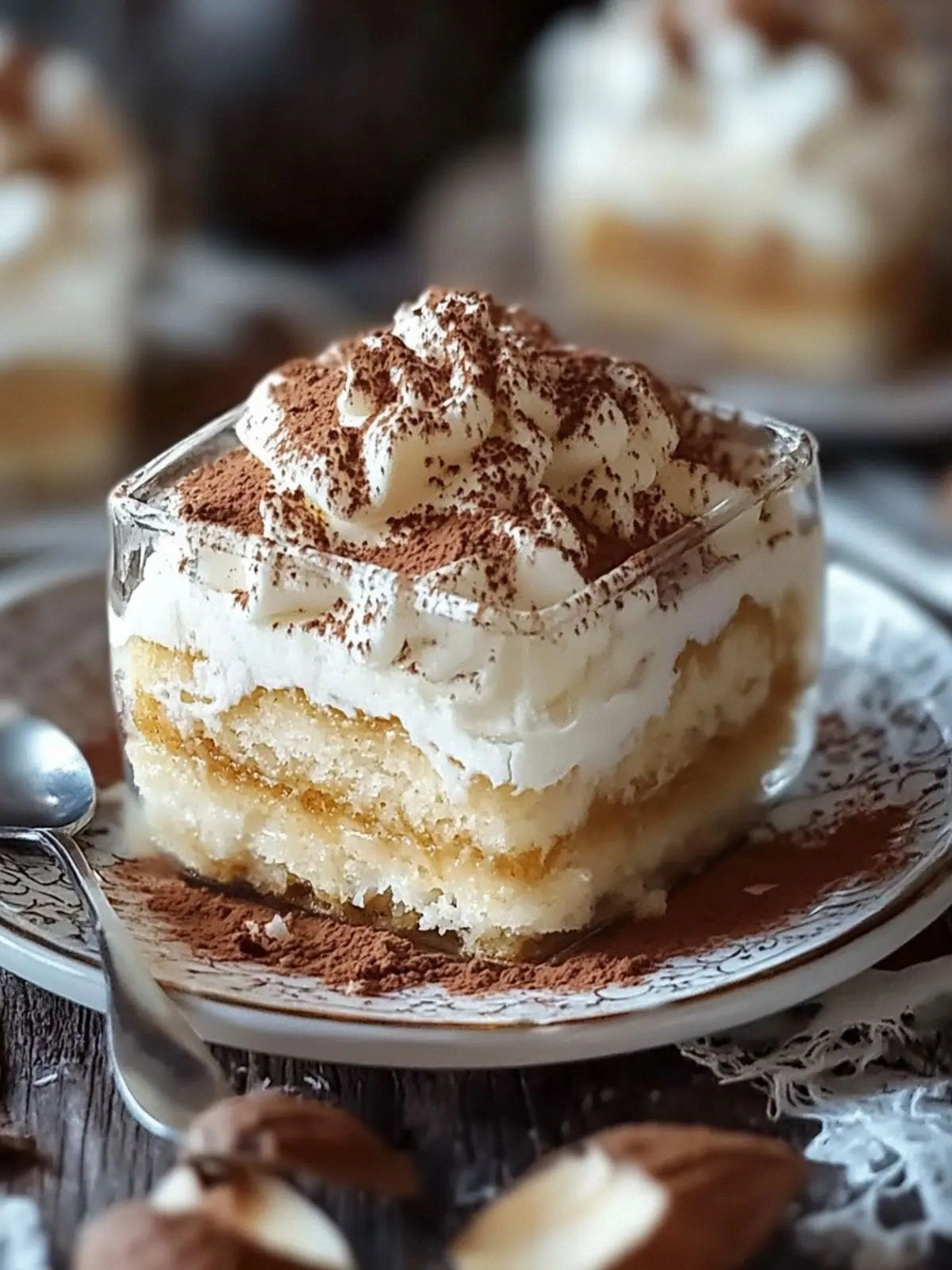
- Visual Appeal: The glossy cocoa dusting and the subtle golden hue of the Coquito layer make this dessert as photogenic as it is delicious. It’s guaranteed to impress on Instagram or at the dinner table.
- Versatile Occasion: Whether you’re hosting a holiday gathering, a casual brunch, or a quiet night in, this dessert fits every setting. Its tropical flavor profile brings a vacation vibe to any event.
- Authentic Caribbean Touch: Coquito is a staple in Puerto Rican celebrations, and this recipe honors that tradition by infusing its signature spices into a beloved dessert.
- Balanced Sweetness: The powdered sugar is carefully measured to complement, not overpower, the natural sweetness of the Coquito and mascarpone.
Inside the Ingredient List
The Creamy Core
Mascarpone cheese is the heart of this dessert. Its buttery, slightly tangy flavor provides a luxurious base that balances the sweetness of the Coquito. If you can’t find mascarpone, a blend of cream cheese and heavy cream works as a decent substitute, though it will be slightly denser. Skipping it would strip the dessert of its signature silkiness.
Heavy cream adds body and a velvety mouthfeel. It’s essential for achieving that “soft, airy” texture that melts in your mouth. If you’re looking for a lower‑fat option, try using half‑and‑half, but the dessert will be a bit lighter and less decadent.
The Sweet Layer
Powdered sugar is used for its fine granulation, which dissolves quickly into the mascarpone mixture, preventing graininess. It also contributes to the dessert’s glossy finish. If you prefer a less sweet version, reduce the sugar by a quarter and taste as you go.
Vanilla extract brings depth and warmth to the mixture. Even a small amount can dramatically enhance the overall flavor profile. If you’re allergic to vanilla, a dash of almond extract can be a good alternative, adding a nutty undertone.
The Caribbean Star
Coquito is the star ingredient—its blend of coconut milk, rum, spices, and sugar creates a distinct, festive flavor. Use a good quality, homemade or premium brand for the best taste. If you’re avoiding alcohol, simply replace the rum with extra coconut milk and a pinch of nutmeg for a non‑alcoholic version.
The Structural Support
Ladyfingers are the base that absorbs the creamy mixture without falling apart. Their light, spongy texture allows them to hold the layers while providing a pleasant contrast to the smooth cream. If you can’t find ladyfingers, sponge cake cut into thin slices can be a suitable substitute, though the texture will differ slightly.
Cocoa powder is the finishing touch, adding a hint of bitterness that balances the sweetness. It also provides a beautiful, chocolatey dusting that makes the dessert look elegant. If you prefer a sweeter finish, a light dusting of powdered sugar can be used instead.
Everything’s prepped? Good. Let’s get into the real action.
The Method — Step by Step
- In a medium bowl, combine mascarpone, heavy cream, powdered sugar, and vanilla extract. Whisk until the mixture is smooth, glossy, and slightly thickened. The mixture should have a consistency similar to thickened whipped cream. This is the moment of truth; the base needs to be silky, or the dessert will feel gritty.
- Fold in the Coquito gently, using a spatula to keep the mixture airy. The warm rum will create tiny bubbles that give the dessert a subtle lift. Be careful not to overmix, or the mixture will lose its lightness. The aroma should be unmistakably coconut and spice.
- Prepare a shallow dish or individual serving glasses. Spoon a thin layer of the Coquito mixture onto the bottom, just enough to cover the surface. This layer is the first flavor hit; it should be creamy and fragrant.
- Place a single layer of ladyfingers over the Coquito. Let them soak for about 30 seconds, just enough to become soft but not soggy. The ladyfingers should still hold their shape, acting as a sturdy base for the next layer.
- Spread a generous layer of the mascarpone mixture over the soaked ladyfingers. Use a spatula to smooth the surface, creating an even layer that will hold the cocoa dusting. The mascarpone layer should be thick enough to create a distinct contrast.
- Repeat steps 3–5 once more, ending with a final layer of mascarpone mixture on top. This creates a layered effect that’s both visually stunning and deliciously balanced.
- Dust the top layer with cocoa powder, letting the fine powder settle into the crevices. The cocoa should look like a gentle snowfall on the dessert, adding texture and a hint of bitterness.
- Cover the dish with plastic wrap and refrigerate for at least 4 hours, preferably overnight. The cold time allows the flavors to meld and the ladyfingers to soften fully, creating a cohesive bite.
- Just before serving, garnish with a few extra cocoa dusting or a sprig of mint for a pop of color. The final touch should feel like a finishing flourish on a masterpiece.
- Serve chilled, and watch as the dessert melts in your mouth, revealing the layered flavors of coconut, rum, and creamy mascarpone. The texture should feel like a cloud, with a subtle crunch from the ladyfingers. Enjoy!
That’s it — you did it. But hold on, I've got a few more tricks that'll take this to another level. The next section will give you insider tips that will ensure your dessert always comes out perfect.
Insider Tricks for Flawless Results
The Temperature Rule Nobody Follows
Always let the Coquito sit at room temperature for 10 minutes before mixing. Cold Coquito can cause the mascarpone to seize, creating a gritty texture. A slight warmth allows the fats to blend smoothly, ensuring a silky finish.
Why Your Nose Knows Best
Before you start layering, give the dessert a quick sniff. If the aroma is too sweet, add a pinch of ground cinnamon or nutmeg to balance the sweetness. Your nose is your best judge of flavor harmony.
The 5-Minute Rest That Changes Everything
After you finish assembling the dessert, let it rest on the counter for 5 minutes before refrigerating. This short rest allows the ladyfingers to absorb the liquid evenly, preventing a soggy bottom layer.
Avoiding the “Soggy Ladyfingers” Syndrome
If you’re using ladyfingers that are already soft, add a quick splash of unsweetened coconut milk to the Coquito before soaking. This helps maintain the structure and gives the dessert a better bite.
The Perfect Dusting
Sift the cocoa powder before dusting to avoid clumps. A light, even dusting gives the dessert a refined look and prevents a bitter aftertaste.
Storing Tips for the Future
Store the assembled dessert in an airtight container in the fridge. If you need to keep it longer, place a paper towel over the top to absorb excess moisture and keep the ladyfingers from becoming too soggy.
Creative Twists and Variations
This recipe is a playground. Here are some of my favorite ways to switch things up:
Rum‑Infused Ladyfingers
Dip ladyfingers in a mixture of Coquito and a splash of dark rum before layering. The extra rum deepens the flavor profile, giving the dessert a richer, more robust taste that pairs wonderfully with a glass of aged rum.
Nutty Crunch Layer
Add a tablespoon of toasted coconut flakes to the mascarpone mixture before layering. The coconut adds a delightful crunch and enhances the tropical vibe, especially for those who love a textural contrast.
Chocolate‑Coquito Fusion
Swap out the vanilla extract for a teaspoon of melted dark chocolate. The bittersweet chocolate pairs perfectly with the sweetness of the Coquito, creating a decadent chocolate‑coconut tiramisu.
Low‑Sugar Version
Replace the powdered sugar with a natural sweetener like stevia or monk fruit. This keeps the dessert light while still delivering the creamy, indulgent experience.
Vegan Adaptation
Use a plant‑based mascarpone substitute, coconut cream, and a vegan Coquito. The result is a dessert that feels just as luxurious while being completely dairy‑free.
Spiced Cinnamon Dust
Dust the top with a blend of cocoa powder and ground cinnamon. The cinnamon adds warmth and depth, making this version ideal for cooler evenings or holiday celebrations.
Storing and Bringing It Back to Life
Fridge Storage
Store the dessert in a covered container in the refrigerator for up to 48 hours. The Coquito will keep the layers moist, and the ladyfingers will remain soft. Make sure the container is airtight to prevent the dessert from absorbing fridge odors.
Freezer Friendly
For longer storage, wrap the dessert tightly in plastic wrap and then place it in a freezer bag. Freeze for up to 2 weeks. When ready to serve, thaw overnight in the fridge and give it a quick stir to restore the silky texture.
Best Reheating Method
If you need to warm the dessert, place it in the fridge for 30 minutes to bring it to a pleasant, chilled temperature. Adding a tiny splash of water before reheating helps steam back to perfection, keeping the layers from drying out.