The kitchen had been a battlefield that night, a pot of over‑boiled ramen noodles, a broth that tasted like a sad, soggy apology, and a pair of chopsticks that seemed to have lost their purpose. I stared at the steaming mess and whispered, “I dare you to taste this and not go back for seconds.” That moment of culinary defeat sparked a midnight epiphany: ramen, when treated with love and a dash of daring, can transform from a sad instant‑meal into a bowl of liquid velvet that coats every noodle like a silky cloak. The scent of simmering broth, the crackle of the stove, the soft hum of the refrigerator, and the gentle weight of a ladle in my hand all conspired to create a sensory experience that was, frankly, a little bit magical. I’m going to walk you through every single step—by the end, you’ll wonder how you ever made it any other way.
What Makes This Version Stand Out
- Depth: The broth is layered with dashi, soy sauce, mirin, sake, and miso, creating a umami profile that sings louder than a karaoke night.
- Texture: Fresh ramen noodles are cooked al dente, while the pork belly is rendered to a silky, melt‑in‑your‑mouth tenderness that contrasts beautifully.
- Balance: Sweetness from mirin, saltiness from soy, bitterness from sesame oil, and a hint of heat from chili oil all dance in perfect harmony.
- Accessibility: Every ingredient is pantry‑friendly—no exotic imports needed, just a few pantry staples and a bit of time.
- Make‑Ahead: The broth can be pre‑made and chilled; the noodles can be boiled in advance and reheated in the broth, making this a weekend‑ready meal.
- Customization: Swap pork belly for tofu, add kimchi for a spicy twist, or replace ramen noodles with soba for a different bite.
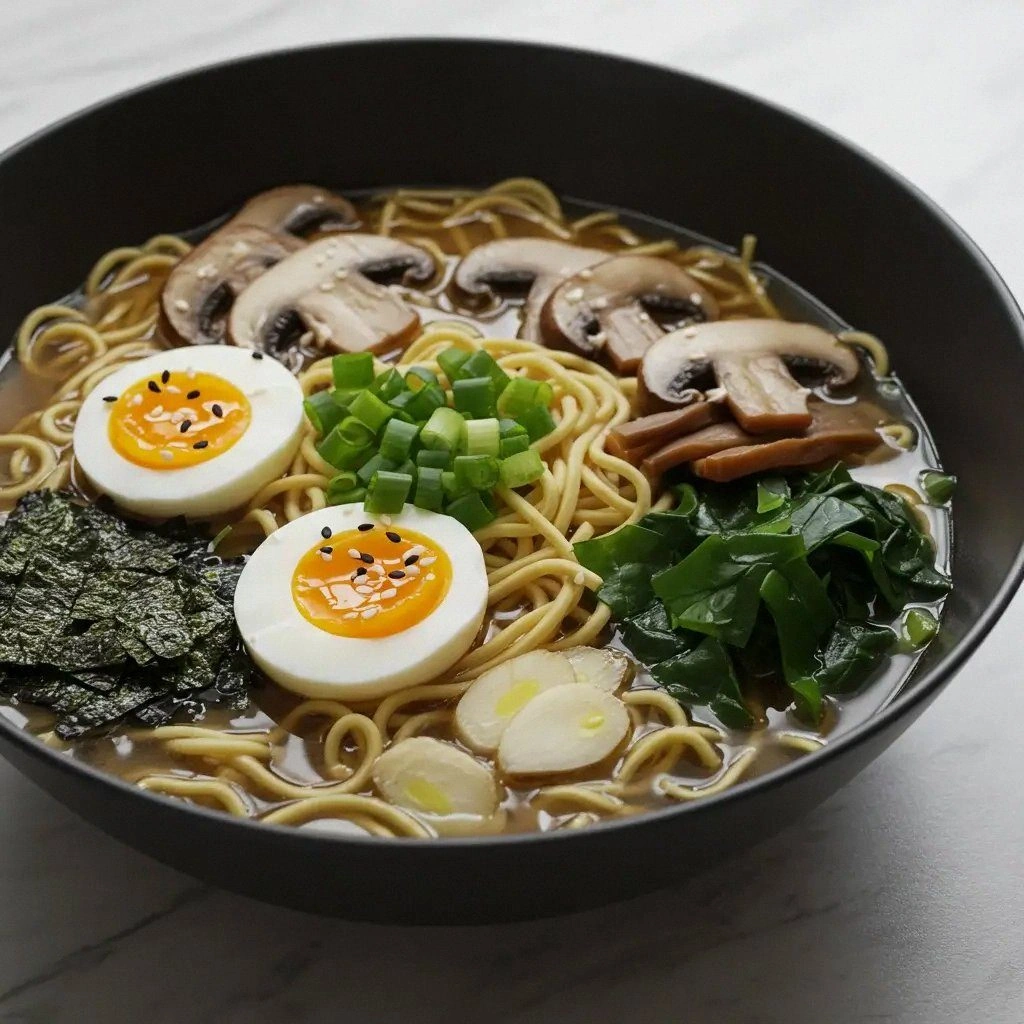
- Visual Appeal: The bowl is a colorful mosaic of golden broth, translucent noodles, vibrant green onions, and the soft blush of a perfectly boiled egg.
- Heartwarming: The aroma alone is enough to pull your friends in from a distance—just like a warm hug from the inside.
Alright, let’s break down exactly what goes into this masterpiece…
Inside the Ingredient List
The Flavor Base
At the heart of any ramen is its broth, and this version starts with a robust chicken broth that carries the weight of a thousand simmering memories. The broth is enhanced by a splash of dashi, a Japanese stock made from kombu kelp and bonito flakes, which adds a subtle oceanic whisper. Soy sauce and mirin are the sweet‑salty duo that deepens the umami, while a dash of sake cuts through the richness and brightens the overall flavor. If you’re a fan of miso, a tablespoon of white miso paste will introduce a creamy, slightly nutty undertone that makes the broth feel like a comforting hug.
You can skip the miso if you prefer a clearer broth, but be warned: the absence of miso will leave the flavor profile feeling a bit like a shy guest at a dinner party. The key to a great broth is low, slow simmering—think “slow‑cook, not boil.” If you’re short on time, use instant ramen broth packets as a shortcut, but you’ll lose the depth that comes from a homemade base.
The Texture Crew
Fresh ramen noodles are the star of the show, offering a chewy, slightly elastic bite that contrasts with the silky broth. If fresh noodles aren’t available, a quick boil of dried ramen will suffice—just be careful not to overcook them, or they’ll turn into mushy noodles that drown the broth.
Pork belly, sliced into thick, juicy pieces, is braised until it’s almost melting in your mouth. The fat renders out, creating a silky coating that lingers on the palate. For a vegetarian version, replace pork belly with braised tofu or a hearty slice of marinated tempeh. The soft boiled eggs, with their runny yolks, add a velvety texture and a protein punch that keeps the bowl balanced.
The Unexpected Star
Bamboo shoots provide a crisp, slightly sweet bite that adds a textural contrast to the tender pork and noodles. Corn kernels bring a pop of sweetness and a bit of crunch that’s reminiscent of summer, while shiitake mushrooms contribute a deep, earthy flavor that anchors the dish. Napa cabbage, lightly blanched, adds a fresh, slightly peppery note that lifts the overall flavor.
Green onions, sliced thinly, add a sharp, aromatic finish that brightens the broth. Nori sheets, torn into ribbons, give a subtle briny depth and a visual pop of green. For those who like a bit of heat, a drizzle of chili oil or a pinch of chili flakes can turn the bowl into a fiery masterpiece.
Everything’s prepped? Good. Let’s get into the real action…
The Method — Step by Step
- Begin by simmering the chicken broth, kombu kelp, and bonito flakes in a large pot for 45 minutes. Keep the heat low to avoid a harsh boil; the gentle bubble will release the broth’s umami without scorching the delicate flavors. After the simmer, strain the liquid through a fine mesh sieve to remove the solids, leaving a clear, aromatic broth.
- Add the soy sauce, mirin, sake, and a tablespoon of miso paste to the strained broth. Stir until the miso dissolves completely, creating a silky, homogeneous base. Taste the broth; it should be salty yet sweet, with a subtle depth that makes you want to sip it straight from the pot.
- While the broth is warming, prepare the pork belly. In a separate pan, sear the slices over medium heat until they develop a golden crust. Reduce the heat to low, add a splash of soy sauce, a dash of mirin, and a pinch of sugar, then cover and let the pork braise for 15 minutes until the fat has rendered and the meat is tender.
- Simultaneously, bring a pot of water to a rolling boil and cook the ramen noodles for 2–3 minutes—just until they’re al dente. Drain, rinse under cold water to stop the cooking process, and set aside.
- In a small saucepan, lightly sauté the sliced shiitake mushrooms and bamboo shoots in sesame oil until fragrant, about 2 minutes. Add the corn kernels and napa cabbage, cooking until the cabbage is just wilted. Set aside.
- For the eggs, bring a pot of water to a gentle boil and lower the eggs into the water. Cook for 7 minutes for a slightly runny yolk, then transfer the eggs to ice water to stop the cooking. Peel and slice in half.
- To assemble, place a generous portion of noodles in a bowl, ladle the hot broth over them, and arrange the braised pork belly, sautéed veggies, and egg halves on top. Sprinkle sliced green onions, torn nori, and a drizzle of chili oil if desired. The final touch? A splash of sesame oil for that nutty aroma.
- Serve immediately, letting the steam rise and the flavors mingle. If you’re a true ramen aficionado, you’ll notice the broth’s richness clinging to the noodles like a velvet blanket.
That’s it— you did it. But hold on, I’ve got a few more tricks that will take this to another level…
Insider Tricks for Flawless Results
The Temperature Rule Nobody Follows
Many chefs think that a higher temperature always means better flavor, but ramen thrives on gentle heat. Keep the broth at 80–85°C; this preserves the subtle aromatics and prevents the broth from becoming cloudy or bitter. If you’re using a stovetop, a thermometer is a game‑changer—just a few degrees can make the difference between “good” and “great.”
Why Your Nose Knows Best
When the broth is nearly ready, close your eyes and inhale deeply. The aroma will tell you if it needs a touch of salt or a dash of sugar. Your nose is the most reliable taste tester—if it smells “full” and “balanced,” you’re ready to ladle.
The 5-Minute Rest That Changes Everything
After braising the pork belly, let it rest for 5 minutes before slicing. This allows the juices to redistribute, ensuring each bite is juicy and flavorful. A friend once skipped this step and ended up with dry, over‑cooked pork—lesson learned.
The Perfect Egg Technique
For a runny yolk, lower the eggs into boiling water at the very last minute. The sudden temperature drop helps the yolk set just enough to hold its shape without becoming fully cooked. This technique is a secret that most ramen enthusiasts swear by.
The Secret of Sesame Oil
A splash of toasted sesame oil at the end of cooking adds a nutty aroma that elevates the entire bowl. If you’re short on time, you can use a high‑quality extra‑virgin olive oil, but the sesame oil’s unique flavor profile is irreplaceable.
The Quick Heat‑Up Trick
If you need to reheat the bowl, add a tablespoon of water to the broth before reheating. The steam will keep the noodles from drying out and preserve the broth’s silky texture.
Creative Twists and Variations
Spicy Kimchi Ramen
Swap the bamboo shoots for kimchi to introduce a tangy, fermented kick. The kimchi’s acidity cuts through the richness of the pork belly and adds a vibrant color that makes the bowl pop.
Vegetarian Tofu Ramen
Replace the pork belly with marinated tofu cubes. Marinate the tofu in soy sauce, mirin, and a touch of sesame oil for at least 30 minutes before pan‑frying for a crispy exterior and a silky interior.
Seafood Supreme
Add a handful of shrimp, scallops, and a few slices of fresh squid. The seafood’s natural sweetness pairs beautifully with the umami broth and adds a luxurious texture.
Soba Noodle Swap
For a lighter, nutty flavor, replace ramen noodles with soba. The buckwheat noodles complement the broth’s depth while offering a slightly different chew.
Miso‑Infused Broth
Increase the miso paste to 3 tablespoons for a richer, creamier broth. The extra miso deepens the umami and gives the broth a slightly thicker consistency.
Breakfast Ramen
Serve the ramen with a side of toasted bread and a drizzle of honey. The sweet bread complements the savory broth, creating a breakfast twist that’s both comforting and adventurous.
Storing and Bringing It Back to Life
Fridge Storage
Cool the broth to room temperature before refrigerating in an airtight container. The broth will keep for up to 4 days. When ready to reheat, gently warm on low heat and add a splash of water to restore its silky texture.
Freezer Friendly
Divide the broth and noodle portions into freezer‑safe containers. The broth can be frozen for up to 3 months; the noodles should be boiled separately and stored in a sealed bag. When reheating, add a tablespoon of water to the broth and re‑boil the noodles for 30 seconds.
Best Reheating Method
The best way to reheat ramen is to bring the broth to a gentle simmer and then add the pre‑cooked noodles. This keeps the noodles from becoming mushy and preserves the broth’s flavor. If you’re in a rush, microwave the broth and noodles for 1–2 minutes, stirring halfway through.