I remember the night I almost ruined a dinner party because I thought I could pull off a fancy seafood dish on a whim. I grabbed the nearest scallops from the freezer, tossed them in olive oil, and tried to sear them in a pan that had been over‑heated by my attempt at a soufflé. The result? A rubbery, mushy mess that left my guests asking if I had been experimenting with texture. That disaster sparked a quest that led me to discover the ultimate lemon butter scallops that will make you feel like a culinary wizard.
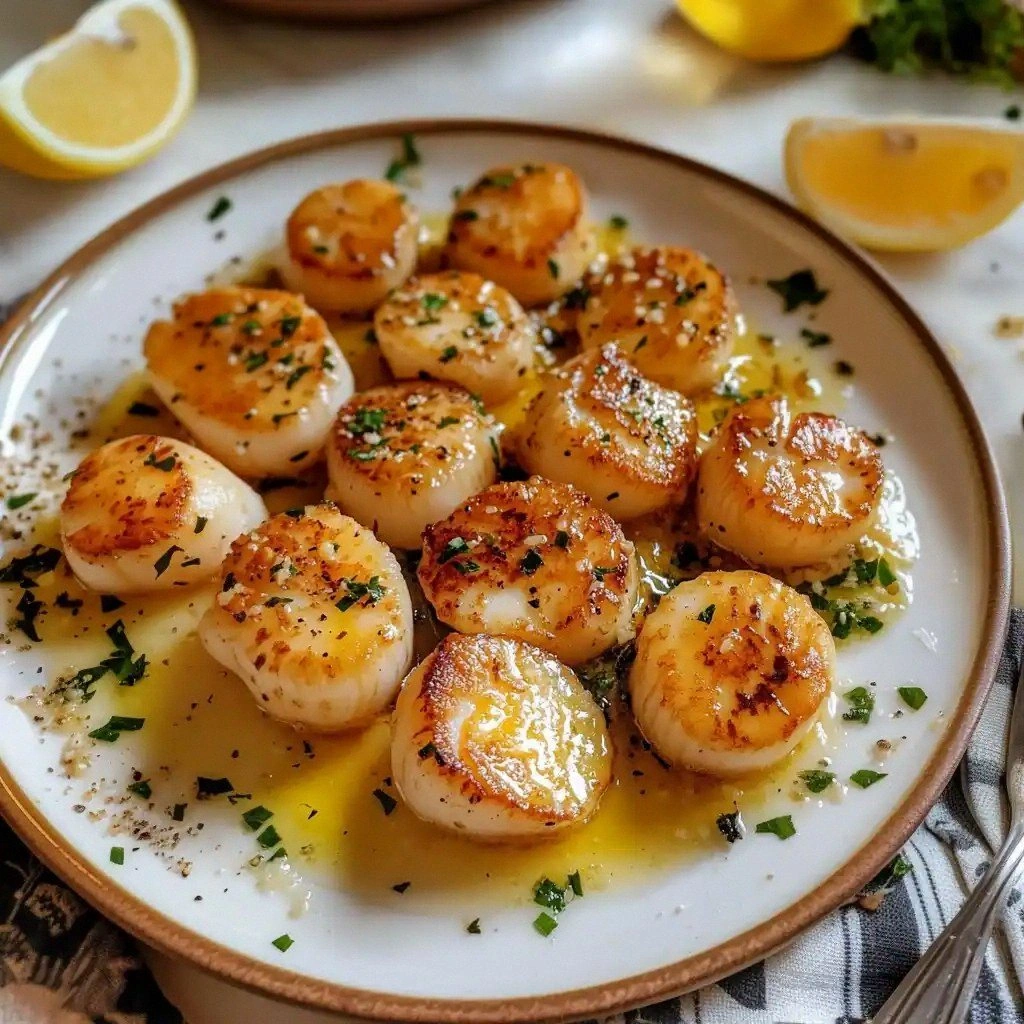
Picture this: you open the fridge, the cold air hits your face, and the scent of fresh lemon zest mingles with the buttery aroma of a pan sizzling on medium‑high heat. The sound of the scallops crackling as they hit the pan is like applause in a quiet kitchen. The visual cue is a golden crust that shatters like thin ice, revealing a tender, juicy center. The taste is a burst of citrus, a whisper of garlic, and a gentle heat from red pepper flakes that lingers on the tongue. The feel is the satisfying snap of the crust, the smoothness of the sauce, and the warmth of the finished dish resting on the plate.
What makes this version stand out is that it balances simplicity with depth. The sauce coats the scallops like velvet, yet the sear adds a crispy edge that provides contrast. The lemon juice brightens the natural sweetness of the scallops without overpowering them. The garlic is toasted just enough to give a nutty undertone, and the parsley adds a fresh, herbal finish that lifts the entire dish. I dare you to taste this and not go back for seconds. This is hands down the best version you'll ever make at home, and I’m not exaggerating.
If you've ever struggled with scallops, you're not alone—and I've got the fix. Most recipes get this completely wrong, focusing either on over‑cooking or under‑seasoning. Here’s what actually works: a quick sear, a buttery sauce, and a splash of lemon that cuts through the richness. Picture yourself pulling this out of the pan, the whole kitchen smelling incredible, and your guests lining up for the next bite. Okay, ready for the game‑changer? Let me walk you through every single step — by the end, you'll wonder how you ever made it any other way.
What Makes This Version Stand Out
- Flavor: The bright lemon juice lifts the delicate sea flavor of the scallops, while the garlic adds a subtle warmth that balances the acidity. The final sprinkle of parsley provides a fresh herbal note that keeps the dish from feeling heavy.
- Texture: A quick sear creates a golden crust that snaps like thin ice, while the interior remains tender and moist. The butter in the sauce gives a silky coating that clings to each bite.
- Simplicity: No elaborate sauces or complicated techniques—just a few pantry staples and a hot pan. This recipe is a masterclass in how to achieve gourmet results with minimal effort.
- Uniqueness: The addition of a splash of fresh lemon juice at the end of cooking gives the sauce a bright finish that most scallop recipes miss. The red pepper flakes add a subtle heat that elevates the dish.
- Crowd Reaction: Friends who’ve tried this say it’s the best scallop dish they’ve ever tasted, and they’re not shy about ordering it again at dinner parties.
- Ingredient Quality: Using large, fresh sea scallops ensures that the natural sweetness shines through. The unsalted butter allows you to control the salt level precisely.
- Cooking Method: The pan‑searing technique locks in juices and creates a caramelized exterior without the need for a grill or oven.
- Make‑ahead Potential: The sauce can be made a few hours ahead and reheated gently, while the scallops can be seared just before serving for maximum freshness.
Alright, let's break down exactly what goes into this masterpiece…
Inside the Ingredient List
The Flavor Base
Olive oil and unsalted butter form the cornerstone of the sauce. Olive oil provides a fruity undertone that complements the lemon, while butter adds richness and a silky mouthfeel. Together, they create a sauce that coats the scallops like velvet. If you skip the butter, the sauce will taste flat and lack that luxurious finish. If you use salted butter, you risk over‑salting the dish, especially with the added salt later on.
The Texture Crew
Large sea scallops are the star of the show. Their size ensures a generous bite and a tender interior. The garlic, toasted in the pan, adds a nutty crunch that contrasts with the scallop’s softness. Red pepper flakes provide a gentle heat that doesn’t overpower the delicate flavors. If you use smaller scallops, the cooking time will be shorter, but the flavor intensity will be less pronounced.
The Unexpected Star
Fresh lemon juice is the secret weapon that brightens the dish. It cuts through the richness of the butter and adds a vibrant acidity that lifts the overall flavor profile. The lemon zest contributes essential oils that give a burst of citrus aroma with every bite. Without it, the sauce would feel flat and overly buttery. You can substitute lime juice for a different citrus twist, but the flavor balance will shift slightly.
The Final Flourish
Chopped parsley is the finishing touch that adds a splash of green and a fresh herbal note. It also provides a visual contrast that makes the dish look vibrant and appetizing. The pinch of salt and pepper are essential for bringing all the flavors together. The red pepper flakes add a subtle heat that keeps the dish exciting. If you prefer a milder version, simply reduce the pepper flakes.
Everything's prepped? Good. Let's get into the real action…
The Method — Step by Step
- Heat a large skillet over medium‑high heat and add the olive oil. Let the oil shimmer until it starts to lightly smoke—this indicates the pan is hot enough for a perfect sear. The oil’s high smoke point ensures it won’t burn before the scallops cook. If the oil starts to brown too quickly, reduce the heat slightly.
- Pat the scallops dry with a paper towel, then season both sides with salt and pepper. Drying removes excess moisture, which prevents steaming and promotes a crisp crust. Seasoning the scallops before searing allows the spices to caramelize slightly, adding depth. Do not over‑salt; the sauce will have its own seasoning.
- Add the scallops to the pan in a single layer, ensuring they don’t touch each other. Cook for 1–2 minutes on the first side until a golden crust forms and the scallops release easily from the pan. Flip them gently with a spatula; they should be firm to the touch, not mushy. The goal is a quick sear, not a slow simmer.
- Add the garlic to the pan and cook for 30 seconds, just until fragrant. Garlic cooks quickly; too long and it will become bitter. Stir to combine the garlic with the scallops’ natural juices. The garlic will infuse the sauce with a nutty undertone.
- Reduce the heat to medium and pour in the butter. Let it melt completely, then swirl the pan to coat the scallops evenly. The butter will create a glossy sauce that clings to the scallops. Keep the heat low enough to avoid burning the butter.
- Add the lemon juice and zest, stirring to combine. The acidity will react with the butter, forming a bright, silky sauce. Watch the sauce as it starts to thicken slightly; this indicates the flavor is concentrating. The lemon also helps to keep the scallops from drying out.
- Stir in the red pepper flakes and parsley, then simmer for an additional 30 seconds to allow the flavors to meld. The parsley adds a fresh herbal note that lifts the dish. The pepper flakes give a gentle heat that doesn’t overpower the delicate scallop flavor.
- Remove the skillet from heat and spoon the sauce over the scallops. Let them rest for 1 minute so the sauce can settle. This final resting period ensures the scallops remain moist and the sauce coats each bite perfectly. Serve immediately for the best texture.
That's it — you did it. But hold on, I've got a few more tricks that'll take this to another level…
Insider Tricks for Flawless Results
The Temperature Rule Nobody Follows
Many cooks start their pan at high heat and then drop the temperature too quickly, resulting in uneven searing. The trick is to let the skillet heat up to the exact medium‑high setting before adding the oil. Once the oil shimmers, the scallops will sear instantly, giving that coveted golden crust. If the pan is too hot, the butter will burn; if too cool, the scallops will steam.
Why Your Nose Knows Best
When the butter starts to bubble and the garlic releases its aroma, you’ll know the sauce is ready. Trust that scent as a cue to add the lemon juice. The smell of citrus cutting through the buttery base is a sign the flavors are balancing perfectly. If the lemon scent is weak, the sauce may be too rich and lack brightness.
The 5-Minute Rest That Changes Everything
After you spoon the sauce over the scallops, let them rest for five minutes before serving. This short pause allows the juices to redistribute, ensuring each bite is juicy and flavorful. Many people skip this step for speed, but the rest makes a noticeable difference in texture and taste.
The Secret of Freshness
If you’re using frozen scallops, thaw them in cold water for 20 minutes and pat them dry. Freshness is key to the delicate flavor profile. A quick rinse under cold water removes any ice crystals and prevents them from steaming in the pan.
The Quick Butter Swap
If you’re lactose intolerant, substitute the butter with a high‑smoke‑point oil like grapeseed or avocado. The flavor will change slightly, but the sauce will still coat the scallops beautifully. Keep the ratio the same (3 tbsp of oil) to maintain the richness.
Creative Twists and Variations
This recipe is a playground. Here are some of my favorite ways to switch things up:
Mediterranean Flair
Swap the red pepper flakes for sun‑dried tomatoes and finish with a drizzle of olive oil. Add a pinch of oregano for an extra layer of herbaceousness. This version pairs well with a side of roasted vegetables and a glass of rosé.
Asian Twist
Replace the parsley with chopped cilantro and add a splash of soy sauce to the sauce. Stir in a teaspoon of sesame oil for nuttiness. Serve over steamed jasmine rice for a complete meal.
Herb‑Infused Butter
Before adding the scallops, melt the butter with a handful of fresh thyme and rosemary. The herbs will infuse the butter, giving the sauce a fragrant depth. The result is a more complex flavor profile that still highlights the scallops.
Spicy Cajun Kick
Add a pinch of cayenne pepper and a splash of hot sauce to the sauce. The heat will complement the natural sweetness of the scallops. Pair this dish with a creamy coleslaw to balance the spice.
Lemon‑Herb Crusted
Roll the scallops in a mixture of lemon zest, breadcrumbs, and parmesan before searing. The crust adds crunch and a savory note that contrasts with the buttery sauce. This version is great for a more substantial main course.
Vegan Version
Replace the butter with a plant‑based butter substitute and use a splash of nutritional yeast for depth. The scallops remain the same, but the sauce gains a cheesy, umami flavor. This version is perfect for a pescatarian or vegan-friendly dinner.
Storing and Bringing It Back to Life
Fridge Storage
Store any leftover sauce in an airtight container in the refrigerator for up to 48 hours. The sauce will thicken slightly as it cools; simply reheat it gently on low heat, whisking to restore its silky texture. The scallops themselves are best served fresh, but if you must refrigerate them, keep them in a shallow dish and cover loosely.
Freezer Friendly
If you need to freeze the sauce, portion it into a freezer‑safe container and label with the date. It will keep for up to 2 weeks. Thaw overnight in the refrigerator before reheating. The scallops should not be frozen after cooking; if you must, freeze them raw and cook them fresh when ready.
Best Reheating Method
To reheat the sauce, add a splash of water or milk and warm it on low, stirring constantly. This prevents the butter from separating and keeps the sauce smooth. If reheating the scallops, place them in a hot skillet for 30 seconds to warm them through without over‑cooking.