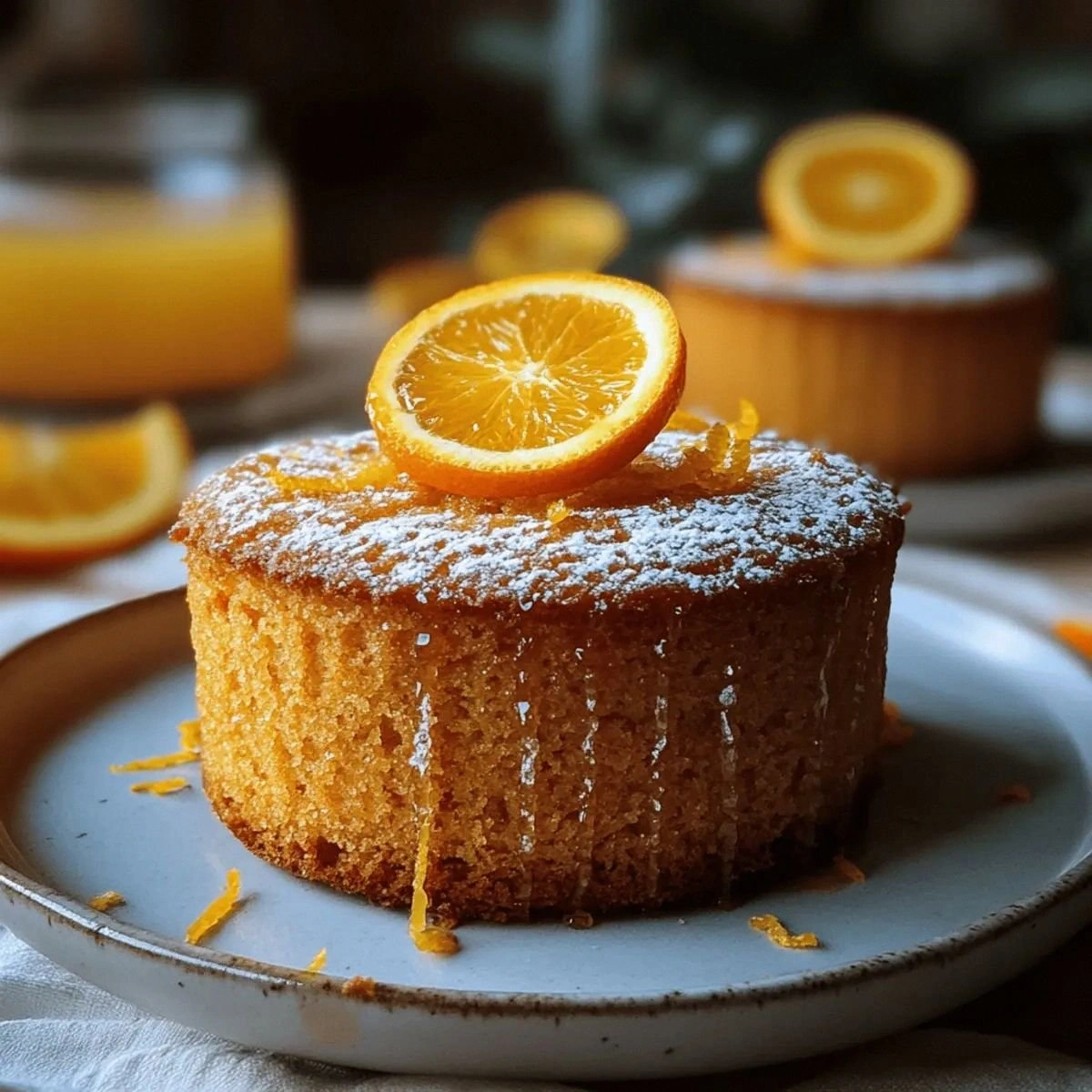
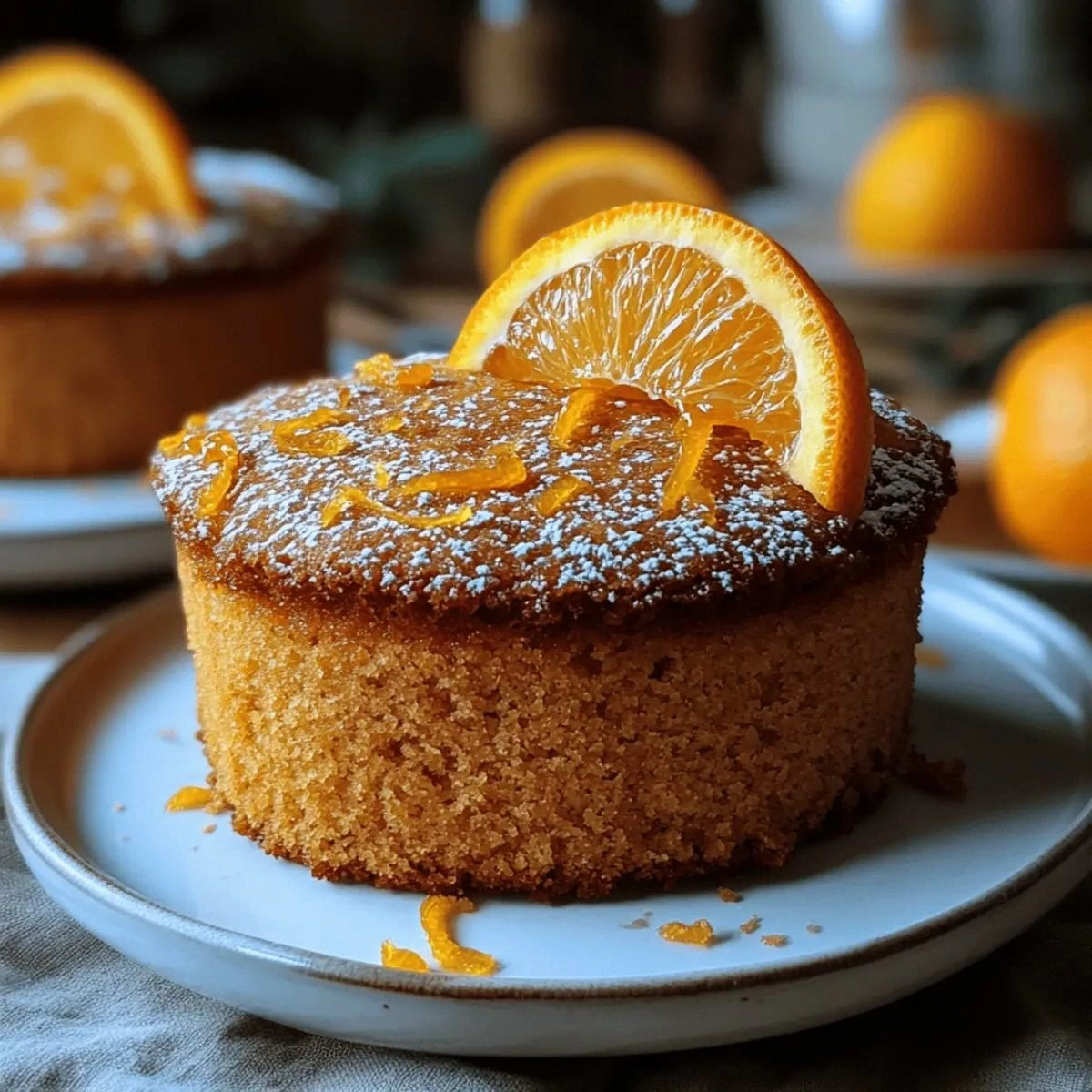
I burned three cakes in one weekend trying to get this right. Not charred-to-a-crisp burned — I'm talking soul-crushing, sink-in-the-middle, tastes-like-a-candle burned. My kitchen smelled like a potpourri factory exploded, my neighbors were side-eyeing me through the blinds, and I was ready to swear off baking forever. But then this orange-ginger-honey miracle happened, and suddenly every failure felt like fate nudging me toward the holy grail of afternoon teas. The first forkful shattered my skepticism like crystallized ginger between molars: soft crumbs, bright citrus, that warm ginger hum, and honey that clings to your lips like a secret you can't wait to share.
Picture this: it's drizzling outside, you've got Billie Holiday crackling through a tiny speaker, and the oven light glows like a lighthouse in a storm. You pull out this cake and the entire room inhales — orange zest oils dancing with spicy ginger, honey caramelizing at the edges, vanilla rising like a warm blanket. The surface gleams with a sticky citrus glaze that crackles under your fork, revealing a crumb so tender it practically sighs. One bite and you're transported to some sun-drenched Moroccan courtyard where bees buzz lazily overhead and time refuses to move faster than honey drizzling from a spoon.
Most orange cakes taste like disappointment wrapped in potpourri. They're either cloyingly sweet or so bland you need a microscope to find the citrus. This version? It's the Beyoncé of cakes — confident, balanced, unforgettable. The honey keeps every molecule hydrated for days (if it lasts that long), while fresh ginger gives a gentle throat-tingling heat that makes you reach for another slice before you've swallowed the first. I'll be honest — I ate half the batch before anyone else got to try it, standing over the counter in my socks, fork in hand, justifying each bite as "quality control."
Stay with me here — this is worth it. We're going to bloom the ginger in warm butter, fold cloud-soft eggs into fragrant orange-scented sugar, and finish with a honey syrup that seeps into the crumb like gossip through a small town. By the end, you'll wonder how you ever made it any other way.
What Makes This Version Stand Out
Syrup-Soaked Longevity: Most cakes stale faster than celebrity marriages, but this beauty stays playground-soft for four days on the counter thanks to a post-bake honey-orange soak that locks moisture in like Tupperware. The syrup seeps through every pore, creating a pudding-like interior that defies physics.
Ginger Two Ways: We use both ground ginger for warmth and candied ginger bits for pops of spicy-sweet fireworks. Other recipes pick one and wonder why their cake tastes flat — we double down and let them sing in harmony.
Honey Instead of Plain Sugar: Sure, granulated sugar is cheap and predictable, but honey brings floral complexity, deeper color, and a subtle tang that makes orange zest taste like it graduated summa cum laude. Your taste buds will notice the difference even if your wallet winces.
Orange Zest Oil Extraction Trick: Instead of tossing zest into batter like an afterthought, we massage it with sugar to release essential oils — imagine wringing every last drop of perfume from an orange peel. The sugar becomes fragrant dust that flavors the entire cake from the inside out.
One-Bowl Wonder: No stand mixer? No problem. This batter comes together with a whisk and a bit of elbow grease, meaning fewer dishes and more Netflix time. I've mixed this in a dorm room with a plastic fork and still produced cake that made my roommate propose marriage.
Crowd Psychology Approved: Serve this at brunch and watch grown adults revert to grabby toddlers. The flavor combo hits nostalgia buttons you didn't know existed — honey like grandma's tea, orange like childhood candy, ginger like holiday cookies. People will hover, then casually "trim the edges" until the whole thing disappears.
Make-Ahead Brilliance: Bake tonight, glaze tomorrow, serve day three and it's somehow even better. Flavors meld, syrup distributes, ginger mellows into buttery softness. Most desserts peak at minute thirty — this cake is the Benjamin Button of baked goods.
Alright, let's break down exactly what goes into this masterpiece...
Inside the Ingredient List
The Flavor Base
All-Purpose Flour: The quiet backbone that lets orange and ginger shine without stealing focus. Too much cake flour and your crumb turns to baby food; too much bread flour and you're chewing on a scone in disguise. Regular AP flour gives just enough gluten for structure while staying pillow-soft. If you're in a high-altitude zone, swap two tablespoons for cornstarch to keep things from collapsing faster than my willpower at a bakery.
Baking Powder: Our rise-and-shine hero. Make sure it's fresh — if your can fizzed in that fourth-grade volcano experiment, it's probably past prime. Stale baking powder leads to dense bricks masquerading as dessert, and nobody wants to break a tooth on a cake. Test by dropping a teaspoon into hot water; it should erupt like a caffeinated geyser.
Ground Ginger: This is the warm hug that greets you at the door. Don't substitute with pumpkin pie spice and hope for the best — that blend drowns in cinnamon. Look for ginger that's pale gold and smells sharp when you uncap the jar. If your current bottle has been sitting since the last Olympics, treat yourself to a fresh one and watch the flavor sing.
The Texture Crew
Granulated Sugar: We cream it with orange zest to create flavored crystals that distribute citrus oil evenly. White sugar keeps the crumb snowy so the orange hue pops like a sunset. You could use caster sugar for faster creaming, but honestly, standard sugar works fine unless you're racing a timer. Brown sugar adds moisture but muddies color — save it for banana bread.
Eggs: Room-temperature eggs emulsify better, giving you a batter that looks like satiny paint instead of curdled regret. Pull them out thirty minutes before baking or submerge in warm water for five if you're impatient like me. Large eggs are the recipe standard; jumbo will make your cake custardy, medium will leave it dry. Crack into a separate bowl first to avoid shell surprises.
Milk: Full-fat lends tenderness and helps honey dissolve seamlessly. In a pinch, two percent works, but skim makes a sad, rubbery sponge. If dairy is a no-go, oat milk is your best friend — it's naturally sweet and won't hijack flavor the way almond can. Heat it slightly so the honey stirs in without turning into taffy at the bottom of the bowl.
The Unexpected Star
Honey: Pick one with personality — wildflower, orange blossom, or that mysterious farmers-market stuff with the comb inside. Cheap clover honey tastes like grocery-store bear bottles and will flatten complexity. Warm it ten seconds in the microwave so it flows like liquid gold and mingles effortlessly with butter. Pro tip: if your honey has crystallized, it's still good; just set the jar in warm water and stir until smooth.
Orange Zest: Only zest the outer colored layer; the white pith is bitterness incarnate. Organic oranges save you from wax coatings, but conventional works if you scrub well. Microplane is fastest, but the fine side of a box grater works — just watch your knuckles. One medium orange yields about a tablespoon, but I always zest two because I like living on the citrusy edge.
The Final Flourish
Ground Ginger (yes, again): We double it in the glaze for that throat-tingling finish. Mix with a splash of orange juice and honey to create a sticky syrup you'll want to bottle and drizzle over yogurt, oatmeal, or directly onto your tongue. The glaze seeps into every air pocket, turning ordinary cake into candied velvet. Resist the urge to add more once you taste it — too much liquid and you'll flood the crumb into mush.
Everything's prepped? Good. Let's get into the real action...
The Method — Step by Step
- Set your oven to 350°F (175°C) and position a rack in the center. While it heats, butter and flour a 9-inch round pan, tapping out excess like you're shaking off bad memories. I line the bottom with parchment because I've lost too many cakes to stubborn bottoms — cut a circle, press it in, then butter again for insurance. The pan should feel like it's been to a spa by the time you're done: smooth, shiny, and ready for action.
- In a medium bowl, whisk flour, baking powder, and ground ginger until the mixture looks like sandy beach vacation. This thirty-second aeration prevents bitter pockets of leavener and distributes ginger evenly. Don't skip the whisk even if you're tempted; uneven powder leads to volcanic craters in your crumb. Set the bowl aside and feel smug about future-you who won't bite into a baking soda bomb.
- Now for aromatherapy: dump sugar into a large bowl and zest the orange directly over it. Using fingertips, rub zest into sugar until the mixture feels like damp sand and smells like sunshine bottled. This friction releases citrus oils that perfume every grain, turning plain sugar into flavor confetti. Take a deep whiff — it should transport you to a grove in Sicily where everything feels possible.
- Add softened butter to the orange sugar and beat with a wooden spoon or hand mixer until pale and fluffy, about two minutes. You're incorporating air that will lift the cake, so don't rush this step even if your arm protests. The color should lighten from sandy tan to creamy beige, like a latte left in gentle morning light. If the butter is too cold, microwave ten seconds; too melty, refrigerate five. Goldilocks had the right idea.
- Crack in eggs one at a time, beating well after each addition. The batter might look curdled if your eggs are chilly — don't panic. Keep mixing and it'll smooth out like relationship troubles after good communication. Add vanilla extract and let it swirl into the buttery cloud like liquid nostalgia. The mixture should look glossy and smell like the best parts of childhood baking.
- Warm milk in microwave for fifteen seconds until barely lukewarm; this dissolves honey without turning it into cement. Stir in honey until fully incorporated — the milk should now taste like you're drinking liquid gold. Pour this sweet elixir into the batter in a slow stream, folding gently. Over-mixing develops gluten and gives you tough cake; think of it as tucking in a baby rather than wrestling an alligator.
- Sift the dry ingredients over the wet in two additions, folding with a spatula until just combined. The batter will be thick and ribbony, like Greek yogurt that took a yoga class. Some small lumps are fine — they'll bake out and nobody will write you angry letters. If you've ever struggled with dry cake, you're not alone — and I've got the fix: stop stirring the moment you see no flour streaks.
- Scrape batter into prepared pan and smooth top with an offset spatula or back of a spoon. Give the pan a gentle tap on the counter to release air bubbles that create sinkholes. Slide it into the oven and bake for 30–35 minutes, rotating halfway for even browning. The scent that wafts out is what I imagine clouds in heaven smell like: sweet, bright, and just a little spicy.
- Test doneness by inserting a skewer into the center — it should come out with a few moist crumbs, not wet batter. The edges will pull slightly from the sides, and the top should spring back when gently pressed. If you've ever struggled with under-baked cake, you're not alone — and I've got the fix: trust the press test more than the clock. Every oven has mood swings.
- Cool pan on a wire rack for ten minutes, then run a thin knife around edges to release. Invert onto the rack, peel off parchment, and flip right-side up. While it's still warm, whisk orange juice with honey and ginger, then brush over the cake letting each layer soak in before adding more. The cake drinks this up like a traveler finding an oasis, turning ordinary crumb into syrupy velvet.
That's it — you did it. But hold on, I've got a few more tricks that'll take this to another level...
Insider Tricks for Flawless Results
The Temperature Rule Nobody Follows
Room-temperature ingredients aren't just chef snobbery — they're science. Cold eggs stiffen butter back into tiny pebbles that never emulsify, leading to greasy pockets and uneven rise. Pull everything out 30 minutes before baking, or cheat: eggs in warm water five minutes, butter microwaved in five-second bursts, milk zapped ten seconds. A friend tried skipping this step once — let's just say it didn't end well. Her cake emerged like a topographical map of the Rocky Mountains.
Why Your Nose Knows Best
Ovens lie. Timers lie. But your nose? That's the OG kitchen thermometer. When you smell orange perfume wafting through the house, start checking for doneness even if the timer says ten minutes left. That aroma is volatile oil reaching peak release, meaning the crumb is setting and moisture is locking in. Ignore this and you'll over-bake into Sahara dryness. Trust the scent; it's never steered me wrong except that one time I got distracted by Netflix and nearly set off the smoke alarm.
The 5-Minute Rest That Changes Everything
After glazing, tent the cake loosely with foil and walk away for five minutes. This brief sauna lets syrup distribute evenly so you don't end up with soggy tops and dry bottoms. I know, waiting feels impossible when the cake is calling your name in honeyed whispers, but patience here is the difference between amateur and artisan. Use the time to brew coffee or tea; caffeine and cake are soulmates.
Slice With a Hot Knife for Clean Cuts
Dip a sharp knife in hot water, wipe dry, then slice in one confident motion. The heat melts through sticky glaze and tender crumb, leaving edges as smooth as a barbershop shave. Wipe the blade between cuts for magazine-worthy presentation. I dare you to taste this and not go back for seconds; clean cuts make portion control feel like someone else's problem.
Storage That Actually Works
Wrap the completely cooled cake in plastic, then foil, and keep at room temp up to four days. Refrigeration dries cake faster than a breakup text, so avoid the fridge unless your kitchen rivals a rainforest. For longer life, freeze individual slices wrapped in parchment then foil; thaw on the counter thirty minutes and it's like fresh-baked. The honey acts as a natural preservative, so you won't find fuzzy science experiments even on day five.
Creative Twists and Variations
This recipe is a playground. Here are some of my favorite ways to switch things up:
Blood Orange and Cardamom Elegance
Swap navel oranges for blood orange zest and juice, and add a quarter-teaspoon ground cardamom to the dry mix. The color turns ruby-tinged and the flavor is floral, exotic, and perfect for bridal showers. Dust with powdered sugar mixed with a whisper of cardamom for a sophisticated finish. Your guests will think you studied pastry in Paris rather than binge-watching baking shows in pajamas.
Pineapple Ginger Tropical Escape
Replace orange with pineapple juice and zest, and fold in a handful of toasted coconut. The tropical notes make this taste like a Caribbean vacation in cake form. Serve with a dollop of whipped cream spiked with dark rum for maximum escapism. Close your eyes and you can almost hear steel drums and waves lapping at the shore.
Lemon Rosemary Sophisticate
Use lemon zest and juice, plus a teaspoon of very finely minced fresh rosemary. The herbaceous note is subtle but makes people pause and ask, "What is that amazing flavor?" Perfect for dinner parties where you want to look effortlessly gourmet. Pair with honey-sweetened mascarpone for a dessert that feels like it belongs on a white-tablecloth menu.
Chocolate Ginger Decadence
Whisk two tablespoons cocoa powder into the dry ingredients and fold in a handful of mini chocolate chips. The chocolate mutes the brightness slightly but adds a fudgy richness that chocoholics crave. Top with a dark chocolate ganache spiked with a pinch of ginger for double-down indulgence. This version disappears fastest at office potlucks.
Vegan Magic
Swap eggs for two flax eggs (2 tbsp ground flax + 5 tbsp water), use oat milk, and replace butter with coconut oil. The honey stays because it's the star, but agave works if you're strict vegan. Texture is slightly denser but still swoon-worthy. Even omnivores request this version after trying it once.
Mini Loaf Giftables
Pour batter into greased mini loaf pans and bake 20–22 minutes. These make perfect hostess gifts or care-package treats. Wrap in parchment, tie with twine, and watch faces light up like you handed out gold bars. They freeze beautifully, so you can stockpile for surprise gifting emergencies.
Storing and Bringing It Back to Life
Fridge Storage
Don't do it unless you live in a tropical swamp with no air-conditioning. Refrigeration pulls moisture from cake faster than a toddler grabs cookies. If you must, wrap slices in plastic plus foil, then bring to room temp before serving. Expect a slight texture change — still good, but not the plush cloud you remember.
Freezer Friendly
Wrap individual slices in parchment, then aluminum foil, and freeze up to two months. Label with the date because mystery cake at the back of the freezer is nobody's friend. Thaw on the counter 30–45 minutes or microwave 15 seconds for instant gratification. The honey keeps it from icing over into a brick, so you won't need a chainsaw to portion.
Best Reheating Method
Skip the microwave unless you're desperate — it can turn edges rubbery. Instead, warm slices in a 300°F oven for 8–10 minutes, covered with foil. Add a tiny splash of water on the tray; it steams back to perfection. Serve with a pat of salted butter that melts into the warm crumb like a cozy blanket on a winter night.