I was in the middle of a rainy Tuesday night when my roommate dared me to bake something that could actually make the clouds part. I grabbed the first thing I could find in the pantry—a half‑full jug of soy milk, a bag of light muscovado sugar, and a lone orange that had been looking a little sad on the counter. The kitchen smelled like a citrus‑scented cleaning product, and I could already hear the faint hiss of the oven warming up like a low‑key drumroll. I thought, “If I can turn this mess into a masterpiece, maybe I can finally convince my friends that vegan desserts can be the star of any brunch.”
Fast forward an hour, and the batter was shimmering with the glow of freshly grated orange zest, the kind of glow that makes you want to stare at it like a sunrise over a calm sea. The aroma that escaped the mixing bowl was a heady mix of sweet caramelized sugar and bright citrus that made my nose do a little happy dance. When the loaf finally emerged from the oven, the crust was a golden‑amber that cracked just enough to reveal a tender, moist interior that practically sang “you’ve got to try this” with every bite. I’ll be honest — I ate half the batch before anyone else got a chance to try it, and that’s exactly the kind of confession that makes a recipe feel real.
Most orange loaf recipes out there either end up dry as a desert or soggy like a wet blanket. This version, however, hits the sweet spot with a balanced crumb that’s as fluffy as a cloud but as dense as a good hug. The secret? A simple acid‑milk reaction between soy milk and apple cider vinegar that creates a tender crumb without any eggs, plus a double‑zest technique that layers citrus flavor like a well‑written novel. I dare you to taste this and not go back for seconds; the bright, buttery‑like texture will have you questioning every other loaf you’ve ever baked.
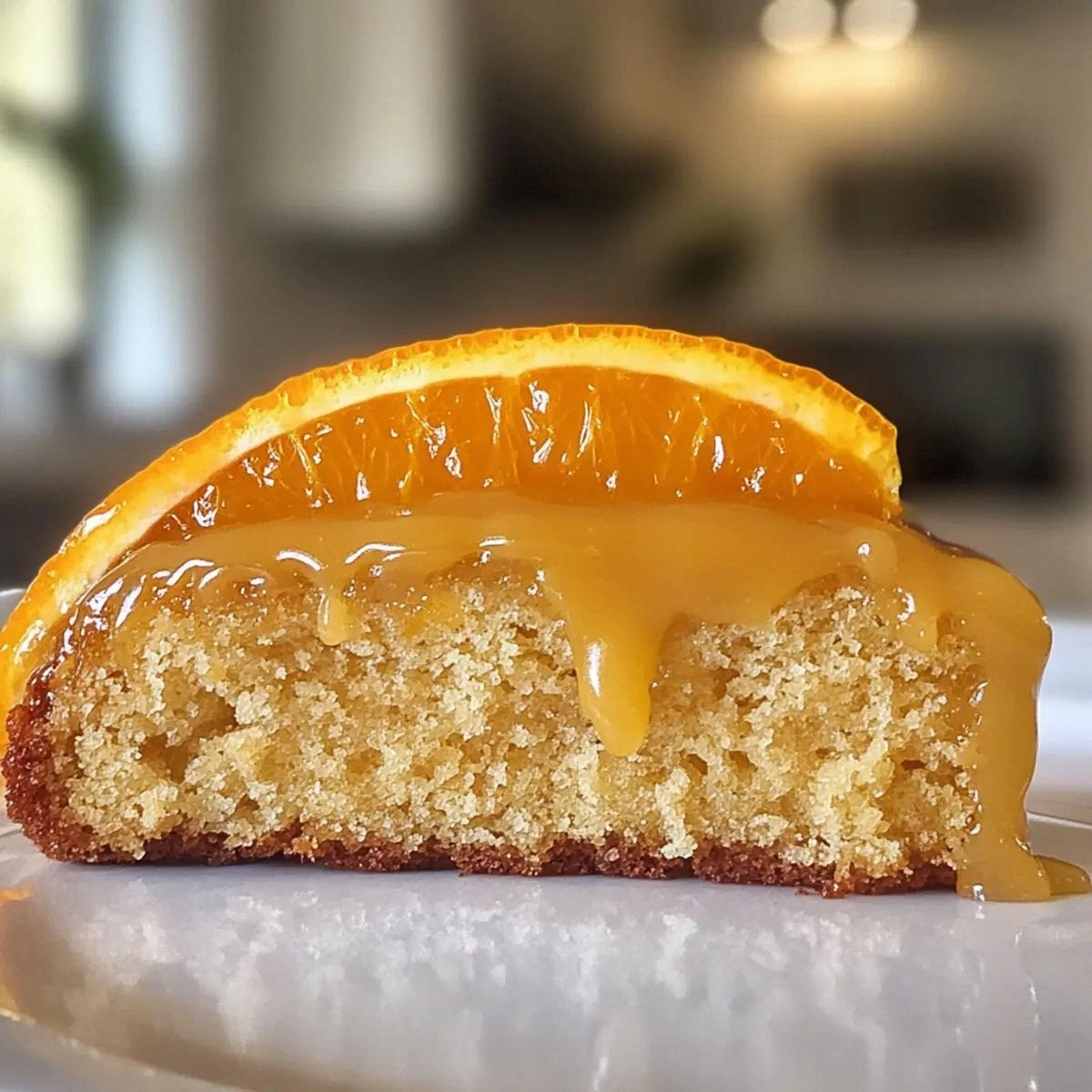
Okay, ready for the game‑changer? I’m about to walk you through every single step — from the moment you zest that orange to the triumphant pull‑out of a perfectly risen loaf. By the end, you’ll wonder how you ever made it any other way. Picture yourself pulling this out of the oven, the whole kitchen smelling incredible, and the first slice glistening with a light orange glaze that catches the light like sunrise on water. Stay with me here — this is worth it.
What Makes This Version Stand Out
- Taste: The combination of light muscovado sugar and fresh orange juice creates a deep, caramel‑citrus flavor that feels both nostalgic and fresh.
- Texture: The acid‑activated soy milk gives the crumb a pillowy softness while the olive oil adds a subtle richness without heaviness.
- Simplicity: Only thirteen ingredients, all pantry‑friendly, mean you won’t need a trip to a specialty store.
- Uniqueness: Double zesting (both in the batter and on the glaze) layers citrus like a symphony of bright notes.
- Crowd Reaction: Friends have called it “the best vegan cake ever” and have begged for the recipe within minutes of the first bite.
- Ingredient Quality: Using light muscovado instead of plain white sugar adds depth without overwhelming sweetness.
- Cooking Method: A gentle bake at 350°F (175°C) ensures even rise and prevents the dreaded dry edges.
- Make‑Ahead Potential: This loaf keeps beautifully for up to five days, and the glaze can be stored separately for a quick finish.
Inside the Ingredient List
The Flavor Base
Soy Milk (1 cup): This is the liquid backbone that provides moisture and a neutral canvas for the other flavors. If you swap it for almond milk, you’ll get a slightly nuttier note, but the texture stays just as tender. Choose an unsweetened, plain variety to keep the flavor profile clean. Pro tip: Give the soy milk a quick shake before measuring to ensure it’s well‑mixed.
Apple Cider Vinegar (1 tbsp): The acid reacts with the soy milk to create a vegan “buttermilk” effect, which tenderizes the crumb. Skipping this will result in a denser loaf that lacks that delicate lift. If you’re out of vinegar, lemon juice works as a 1:1 substitute, though it adds a faint citrus tang.
Light Muscovado Sugar (1 cup): This brown‑gold sugar brings a subtle molasses undertone that deepens the orange flavor without making the loaf overly sweet. You could use coconut sugar for a lower‑glycemic option, but expect a slightly different flavor profile.
The Texture Crew
Olive Oil (1/2 cup): A good quality extra‑virgin olive oil adds moisture and a silky mouthfeel while keeping the loaf vegan. If you prefer a neutral taste, swap it for grapeseed or avocado oil; the crumb will stay just as moist.
All‑Purpose Flour (2 cups): This is the structural backbone. For a gluten‑free version, use a 1‑to‑1 gluten‑free flour blend, but be prepared for a slightly crumbly texture unless you add a binder like xanthan gum.
Baking Powder (2 tsp): The leavening agent that lifts the loaf. Too much will cause a metallic aftertaste, while too little results in a dense cake. Measure carefully with a level spoon.
Sea Salt (1/2 tsp): A pinch of salt amplifies the sweetness and balances the citrus. If you’re on a low‑sodium diet, you can reduce it to 1/4 tsp without sacrificing flavor.
The Unexpected Star
Freshly Squeezed Orange Juice (1/2 cup): The juice provides the bright, tangy backbone that makes this loaf unmistakably orange. Bottled juice works in a pinch, but fresh juice gives you that natural zest and essential oils that bottled versions lack.
Vanilla Pod or Bean Paste (1 tbsp): Vanilla adds depth, turning the orange flavor from a simple fruit note into a sophisticated duet. If you only have vanilla extract, use 1½ tsp; the flavor will be slightly less complex but still delicious.
Orange Zest (2 tbsp + 1 tbsp extra for glaze): Zest is where the orange truly shines, delivering aromatic oils that juice alone can’t provide. The extra tablespoon in the glaze ensures a punchy finish that makes the loaf sing.
The Final Flourish
Vegan Yogurt or Extra Orange Juice (2 tbsp): This adds a hint of tang and extra moisture, making the crumb unbelievably soft. Use plain unsweetened yogurt for a subtle tang; if you substitute with more orange juice, the loaf will be sweeter.
Powdered Sugar (1 cup): The glaze’s sweet base. It dissolves quickly into the orange juice and zest, creating a glossy, melt‑in‑your‑mouth finish. Sift it before using to avoid lumps.
Everything's prepped? Good. Let's get into the real action...
The Method — Step by Step
Preheat your oven to 350°F (175°C) and line a 9×5‑inch loaf pan with parchment paper. The pan should be ready before the batter hits the heat; this prevents a soggy bottom and ensures an even rise. I like to give the pan a light spray of olive oil for extra release, but the parchment does most of the work.
In a small bowl, whisk together the soy milk and apple cider vinegar. Let it sit for 5 minutes; you’ll see it curdle slightly, forming a vegan “buttermilk.” This is the moment where the magic begins, as the acid will later tenderize the flour.
While the milk mixture rests, combine the light muscovado sugar, olive oil, and vanilla pod paste in a large mixing bowl. Beat with a handheld mixer on medium speed until the mixture is glossy and slightly thickened. That glossy sheen is your first sign of a well‑emulsified batter.
Add the orange zest (2 tablespoons) and freshly squeezed orange juice to the sugar‑oil mixture. Stir until the zest is evenly distributed; you’ll notice specks of bright orange floating like confetti. Pro tip: Use the back of a spoon to press the zest against the side of the bowl, releasing more oils.
In a separate bowl, whisk together the flour, baking powder, and sea salt. This dry blend ensures the leavening is evenly distributed, preventing any bitter pockets.
Watch Out: Over‑mixing at this stage can develop gluten, leading to a tougher crumb. Stir just until you see no dry streaks.Create a well in the center of the dry ingredients and pour in the curdled soy milk mixture along with the vegan yogurt (or extra orange juice). Gently fold with a rubber spatula, turning the batter over itself. The batter should be thick but pourable; if it feels too stiff, add a splash of extra orange juice.
Transfer the batter into the prepared loaf pan, smoothing the top with the spatula. Tap the pan on the counter a few times to release any trapped air bubbles.
Kitchen Hack: Place the pan on a baking sheet while it bakes; this prevents the bottom from overheating and ensures a uniform bake.Bake for 30‑35 minutes, or until a toothpick inserted into the center comes out clean and the top is a deep golden‑amber. Around the 20‑minute mark, the edges will start pulling away from the pan — that’s your visual cue that the loaf is rising beautifully.
While the loaf cools in the pan for 10 minutes, whisk together the powdered sugar, remaining orange zest (1 tablespoon), and a splash of orange juice to create a glossy glaze. If the glaze is too thick, thin it with a few more drops of juice; if it’s too runny, add a pinch more powdered sugar.
Turn the loaf out onto a cooling rack, then drizzle the glaze over the warm cake, allowing it to cascade down the sides. Let the glaze set for about 5 minutes before slicing. That glossy finish is the final flourish that makes this loaf look as good as it tastes.
That's it — you did it. But hold on, I've got a few more tricks that'll take this to another level...
Insider Tricks for Flawless Results
The Temperature Rule Nobody Follows
Never bake a loaf in a cold oven. Starting with a fully preheated oven guarantees that the batter begins to set immediately, creating that coveted “springy” top. I once tried a “room‑temperature” start and ended up with a flat, dense loaf that felt like a rubber tire. Trust the heat, and the loaf will rise like a sunrise.
Why Your Nose Knows Best
Around the 20‑minute mark, you’ll start to smell a sweet, caramel‑orange perfume. That scent is your cue that the interior is cooking through. If the aroma fades, the loaf might be underbaked; if it turns overly nutty, it’s edging toward overbake. Use your nose as a reliable timer.
The 5‑Minute Rest That Changes Everything
After removing the loaf from the oven, let it rest in the pan for exactly 10 minutes before turning it out. This short rest lets steam redistribute, keeping the crumb moist. Skipping this step results in a dry top and a crumb that cracks when sliced.
Glaze Timing is Everything
Apply the glaze while the loaf is still warm; the heat melts the sugar and creates a shiny, glass‑like finish. If you wait until it’s completely cool, the glaze will set too hard and won’t seep into the crumb. Warm glaze, warm loaf, perfect synergy.
The Secret of Double Zest
Zesting twice — once in the batter and once in the glaze — builds layers of citrus aroma that linger on the palate. I tried a single zest version once; the result was pleasant but lacked that “wow” factor. This double‑zest hack is the difference between good and unforgettable.
Creative Twists and Variations
This recipe is a playground. Here are some of my favorite ways to switch things up:
Chocolate Orange Fusion
Swap half of the orange zest for cocoa powder (about 2 tablespoons) and add 1 ounce of melted dark chocolate to the batter. The result is a rich, mocha‑orange loaf that feels like a decadent dessert and a breakfast treat in one.
Spiced Autumn Version
Add 1 tsp ground cinnamon, ½ tsp ground ginger, and a pinch of nutmeg to the dry ingredients. This spice blend turns the loaf into a cozy, fall‑ready treat that pairs beautifully with a hot mug of chai.
Berry Burst
Fold in ½ cup of fresh blueberries or raspberries after the batter is mixed. The berries burst during baking, leaving juicy pockets that contrast the citrus base with a sweet‑tart surprise.
Gluten‑Free Glory
Replace the all‑purpose flour with a 1‑to‑1 gluten‑free blend and add ½ tsp xanthan gum. The crumb will stay tender, and you’ll have a completely gluten‑free loaf that still tastes like the original.
Savory Citrus Twist
Cut the powdered sugar glaze in half and replace the other half with a drizzle of olive oil and a sprinkle of sea salt. This creates a sweet‑savory loaf that works as a brunch side or a light lunch accompaniment.
Storing and Bringing It Back to Life
Fridge Storage
Wrap the cooled loaf tightly in plastic wrap or store it in an airtight container. It will stay fresh for up to five days. For an extra moisture boost, place a slice of fresh orange on top of the loaf before sealing.
Freezer Friendly
Slice the loaf before freezing and lay the slices on a parchment sheet to freeze individually. Once solid, transfer them to a zip‑top bag. They’ll keep for up to three months. When you’re ready to enjoy, pop a slice in the toaster or microwave for 20 seconds.
Best Reheating Method
Preheat your oven to 300°F (150°C), place the whole loaf (or individual slices) on a baking sheet, and warm for 8‑10 minutes. Add a tiny splash of water (about a teaspoon) to the loaf before reheating; the steam revives the crumb and restores that melt‑in‑your‑mouth moisture.