Picture this: I’m standing in my kitchen, the air thick with the scent of simmering broth, when the phone buzzes. A friend texts, “I need a dinner that feels like a hug.” My brain instantly goes to Mom’s cafeteria noodles, that creamy, comforting bowl of nostalgia that somehow turns an ordinary night into a culinary celebration. I open the fridge, grab the familiar ingredients, and the kitchen lights flicker with anticipation. The moment the noodles hit the pot, the steam rises like a gentle cloud, and I know I’m about to create something that will make everyone stop scrolling and start eating.
I’ve tried countless versions of this dish—some too salty, some too dry, some that never quite capture the velvety texture that makes the sauce cling to every strand. What sets this rendition apart is the deliberate layering of flavors, the precise timing of each addition, and the tiny touches that elevate a humble cafeteria staple to gourmet comfort. It’s not just about cooking; it’s about coaxing memories into the present, about turning a simple bowl into a story told over a forkful.
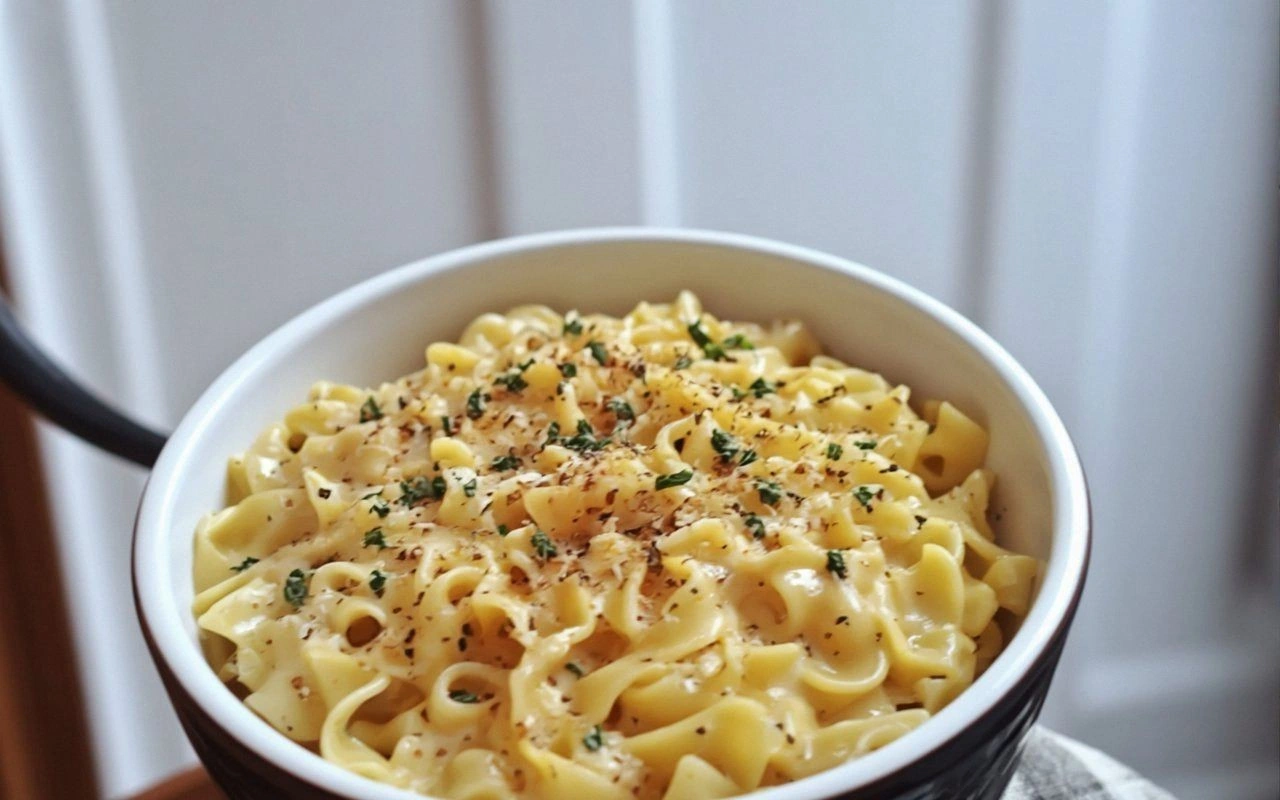
In the first minute, the broth begins to bubble, releasing a savory aroma that makes the whole house feel warm. The condensation on the pot’s surface glistens like a mirror, reflecting the anticipation of the meal about to unfold. As the sauce thickens, the sound of it gently simmering is almost a lullaby—soft, steady, and reassuring. The noodles absorb the broth, swelling with each stir, their edges turning a subtle golden hue that signals they’re ready. When the final sprinkle of parsley lands, it’s a burst of green that brightens the dish and adds a fresh contrast to the rich creaminess.
Why do you need to read on? Because this isn’t just another recipe; it’s a meticulously crafted experience that will change the way you think about cafeteria classics forever. I’ll walk you through every single step, from the first splash of broth to the final garnish, so you’ll wonder how you ever made it any other way. And trust me, the result will be so satisfying that I dare you to taste this and not go back for seconds.
What Makes This Version Stand Out
- Taste: The sauce is a harmonious blend of creamy soup, savory broth, and butter, creating a depth that feels both comforting and indulgent. It’s the kind of flavor that lingers on the tongue, making every bite a promise of satisfaction.
- Texture: Wide egg noodles soak up the sauce like a sponge, resulting in a silky mouthfeel that coats each strand like velvet. The subtle chewiness of the noodles balances the richness of the sauce.
- Simplicity: With only seven core ingredients, this recipe is a breeze to assemble, yet it delivers a restaurant-quality finish. No complicated techniques—just straight‑forward steps that anyone can follow.
- Uniqueness: The use of low‑sodium broth and bouillon granules keeps the dish bright without drowning it in salt, while the condensed soup provides an unexpected depth that most versions miss.
- Crowd Reaction: Friends and family rave about how it reminds them of school cafeteria comfort food, but with a gourmet twist. It’s the perfect conversation starter at dinner parties.
- Ingredient Quality: Choosing fresh parsley and high‑quality butter elevates the dish, turning ordinary pantry staples into a culinary highlight.
- Cooking Method: The step‑by‑step approach ensures even beginners can master the technique, while seasoned cooks appreciate the precision of timing.
- Make‑Ahead Potential: The dish can be prepared a day in advance and reheated without losing its silky texture, making it ideal for busy weeknights.
Alright, let’s break down exactly what goes into this masterpiece…
Inside the Ingredient List
The Flavor Base
The foundation of this dish is the low‑sodium chicken broth, which provides a subtle, savory backdrop that allows the other flavors to shine. It’s the liquid that brings the noodles to life, infusing them with a gentle umami tone. If you skip the broth, the dish becomes a thick soup rather than a noodle‑sauce pairing, losing that lightness that makes it feel like a cafeteria favorite. Swap the broth for a homemade stock for an extra layer of depth, but keep the sodium low to avoid overpowering the sauce.
The Texture Crew
Wide egg noodles are the star of the show. Their generous width allows them to hold more sauce, creating that classic “mouthful of creamy goodness” experience. If you’re craving a slightly firmer bite, try using a mix of wide and regular egg noodles. Don’t overlook the importance of cooking the noodles just until they’re al dente; over‑cooked noodles will become mushy and lose that satisfying bite.
The Unexpected Star
Condensed cream of chicken soup is the secret ingredient that turns a simple broth into a luxurious sauce. It adds thickness, richness, and a hint of sweetness that balances the savory notes. If you’re dairy‑free or vegan, substitute a plant‑based condensed soup or a homemade cashew cream for a similar effect. Remember, the key is to add it gradually, stirring constantly to avoid lumps.
The Final Flourish
Butter is the final touch that brings everything together. It enriches the sauce, adds a glossy sheen, and provides a buttery finish that lingers on the palate. Freshly ground black pepper gives the dish a subtle kick, while parsley adds a splash of color and a fresh herbal note that cuts through the richness. Together, these finishing touches transform a simple bowl into a memorable meal.
Everything’s prepped? Good. Let’s get into the real action…
The Method — Step by Step
- Boil the Broth: In a large pot, bring the 32 oz of low‑sodium chicken broth to a rolling boil over medium‑high heat. As it bubbles, you’ll hear the comforting hiss that signals the start of the culinary journey. This step is crucial for building the flavor base; skip it and the sauce will lack depth. Keep an eye on the pot to prevent it from boiling over—just a quick stir is enough to keep things in check.
- Introduce the Bouillon: Sprinkle in the 2 tsp of chicken bouillon, stirring until it dissolves completely. The bouillon adds a concentrated savory punch that enhances the broth without making it cloyingly salty. If you prefer a slightly sweeter profile, add a pinch of sugar or a splash of honey; the balance will still hold. This is the moment when the aroma starts to intensify, making the kitchen feel like a cozy home.
- Stir in the Soup: Pour the 10.5 oz of condensed cream of chicken soup into the pot, whisking continuously to ensure a smooth, lump‑free sauce. The soup thickens the liquid, turning it into a velvety sauce that clings to the noodles. As you stir, notice how the mixture turns a light amber color, indicating that the flavors are melding beautifully. This is the moment of truth—if you’re not satisfied with the consistency, add a splash of milk or broth to reach your desired thickness.
- Incorporate the Butter: Cut the 4 tbsp of unsalted butter into small cubes and add them one at a time, stirring after each addition. The butter enriches the sauce, giving it a glossy sheen that’s impossible to resist. Watch the sauce change from a translucent to a creamy, amber hue—this visual cue tells you the butter has fully integrated. If you’re watching the clock, you’re now at the 5‑minute mark, and the aroma is reaching peak bliss.
- Cook the Noodles: Add the 12 oz of wide egg noodles to the pot, stirring gently to coat them with the sauce. Reduce the heat to low and cover the pot, letting the noodles simmer for 8–10 minutes until they’re al dente. The noodles will absorb the sauce, becoming silky and flavorful. Keep the pot covered; this traps steam and ensures even cooking.
- Season and Adjust: Taste the sauce and add freshly ground black pepper to your liking. If the flavor feels flat, a pinch of salt or an extra splash of broth can brighten it. This is the time to fine‑tune the dish—think of it as seasoning your own personal masterpiece. The sauce should feel balanced, not overpowering.
- Finish with Parsley: Stir in the chopped fresh parsley, adding a burst of color and a fresh herbal note that cuts through the richness. The green specks of parsley will contrast beautifully against the golden sauce, making the dish look as good as it tastes. This final touch adds a layer of freshness that makes the dish feel alive.
- Rest the Dish: Remove the pot from heat and let the noodles sit, covered, for 3 minutes. This resting period allows the noodles to finish steaming and the sauce to thicken slightly, ensuring every bite is perfectly balanced. It also gives the flavors time to meld together, creating a more harmonious taste.
- Serve Immediately: Ladle the creamy noodles into bowls, ensuring each serving gets a generous amount of sauce. The dish is best enjoyed hot, when the sauce is glossy and the noodles are at their peak al dente. Serve with a side of crusty bread or a simple green salad to round out the meal.
- Enjoy the Moment: Sit back, take a deep breath, and savor the comforting aroma and silky texture. This dish isn’t just food; it’s a hug in a bowl. Let the flavors linger on your palate, and remember that this is hands down the best version you’ll ever make at home.
That’s it — you did it. But hold on, I’ve got a few more tricks that will take this to another level…
Insider Tricks for Flawless Results
The Temperature Rule Nobody Follows
Keep the heat low once the broth is simmering. A high temperature can cause the sauce to separate or the noodles to overcook. I’ve found that a gentle simmer preserves the sauce’s silky texture and keeps the noodles from sticking together. If you’re new to stovetop cooking, set the stove to medium‑low and keep a close eye on the pot.
Why Your Nose Knows Best
As the sauce cooks, the aroma will shift from a mild broth scent to a rich, buttery perfume. Trust your nose: when it starts smelling slightly nutty, that’s the cue to add the butter. A friend once skipped this step, and the sauce turned out bland. I’ve learned that the aroma is a reliable indicator of flavor development.
The 5‑Minute Rest That Changes Everything
After you’ve removed the pot from heat, let the noodles sit covered for five minutes. This resting period allows the noodles to finish cooking in their own steam, and the sauce to thicken just enough to cling to each strand. I’ve seen people skip this step, and the noodles end up too loose. The rest gives the dish that satisfying “stick‑to‑your‑tastebuds” moment.
Keep It Fresh: Stir Frequently
Stirring every couple of minutes prevents the sauce from sticking to the pot and the noodles from clumping together. If you’re cooking a large batch, consider using a wide, flat spoon for even distribution. I’ve had a few disastrous nights when the sauce burned on the bottom; constant stirring saved the day.
Mind the Butter’s Timing
Adding the butter too early can cause it to separate from the sauce, leading to a greasy finish. Add it after the soup has been fully incorporated and the sauce is simmering gently. I’ve learned that timing is everything—if you’re unsure, add a small piece and watch it melt; if it floats, add more.
Serve with a Crunch
Pair the noodles with a side of crisp vegetables or a slice of toasted bread. The contrast between the creamy sauce and the crunch adds a delightful textural balance. A simple side salad with lemon vinaigrette works wonders, but feel free to get creative.
Creative Twists and Variations
This recipe is a playground. Here are some of my favorite ways to switch things up:
Cheesy Café
Add a handful of shredded cheddar or mozzarella before the final rest. The cheese melts into the sauce, creating a gooey, indulgent layer that kids love. Keep the rest of the ingredients the same, and you’ll have a dish that feels like a cheese‑laden cafeteria classic.
Spicy Surprise
Stir in a pinch of red pepper flakes or a splash of sriracha during the seasoning step. The heat will cut through the richness and add a playful kick. Pair it with a cool yogurt dip to balance the spice.
Vegetarian Version
Replace the chicken broth with low‑sodium vegetable broth and use a plant‑based condensed soup. Omit the bouillon or use a vegetable bouillon cube. This keeps the dish creamy and flavorful while making it completely vegetarian.
Herb‑Infused Delight
Swap parsley for fresh thyme or basil during the final garnish. The herbs will bring a new aromatic dimension, giving the dish a different flavor profile. I love using thyme for a subtle earthy note that pairs well with the creamy sauce.
Protein‑Packed Power
Stir in shredded rotisserie chicken or diced cooked chicken breast during the cooking step. The extra protein makes the dish heartier, turning it into a full‑blown meal. Just be sure to add the meat toward the end so it doesn’t overcook.
Gluten‑Free Option
Use gluten‑free wide egg noodles or rice noodles in place of the standard noodles. The sauce will still cling beautifully, and the dish will remain comforting. Just adjust the cooking time slightly to match the noodle type.
Storing and Bringing It Back to Life
Fridge Storage
Cool the noodles completely before transferring them to an airtight container. Store in the refrigerator for up to three days. When you’re ready to eat, reheat over low heat, stirring frequently to prevent sticking.
Freezer Friendly
Divide the dish into individual portions and freeze in freezer‑safe containers. It will keep for up to two months. Thaw overnight in the fridge before reheating with a splash of water to restore moisture.
Best Reheating Method
Reheat the noodles in a saucepan over low heat, adding a tablespoon of water or broth to loosen the sauce. Stir until the sauce is hot and silky again. A quick microwave burst (two minutes) can also work, but stir to ensure even heating.