Picture this: I was halfway through a midnight feast, the stove was blazing, and my pantry was a battlefield of forgotten ingredients. A bag of mushrooms had rolled off the counter, splattering like confetti across the tile, and the air filled with the scent of garlic and rosemary. I stared at the chaos, thinking, “This is either going to be a disaster or the most incredible dish I've ever made.” And then the realization hit me—why not turn this culinary calamity into a masterpiece? The answer was simple: mushrooms, pasta, and a few secret tricks that elevate everything to a new level of decadence.
The first thing you notice is the deep, earthy aroma that rises from the skillet as the mushrooms start to brown. Their color shifts from pale to a rich mahogany, and you can almost taste the subtle sweetness that hides beneath the umami. The sound of sizzling oil is like a promise of comfort, while the texture of the cooked pasta feels like velvet against your palate. The anticipation builds as you watch the sauce thicken, coating every strand with a glossy sheen. And the final touch—just a splash of lemon juice—brings a bright, almost citrusy zing that cuts through the richness.
What makes this version stand out isn’t just the flavor; it’s the balance of technique and ingredient quality. I’ve spent years experimenting with different mushroom varieties, and this blend—cremini, shiitake, and oyster—creates a depth that no single type can match. The use of Dijon mustard adds a subtle tang that lifts the sauce, while the dry white wine deglazes the pan to pull out every savory note. The sauce’s silky texture comes from a delicate emulsification of butter, olive oil, and cheese, giving each bite a luxurious mouthfeel. And the finish—just a drizzle of extra-virgin olive oil—adds a final layer of brightness that makes the dish feel alive.
I dare you to taste this and not go back for seconds. The combination of flavors is so harmonious that even the most seasoned pasta lovers will find themselves craving more. And if you’ve ever struggled with overcooked or underseasoned pasta, this recipe is a revelation. The technique I’ll share will transform your approach to pasta entirely. It’s not just a recipe; it’s a culinary manifesto that says, “This is hands down the best version you'll ever make at home.”
Most recipes get this completely wrong. They either overcook the mushrooms or under-season the sauce, leaving a bland, forgettable dish. In this version, every component is carefully calibrated: the mushrooms are sautéed just until they caramelize, the sauce thickens without becoming clumpy, and the pasta is al dente, perfectly complementing the rich sauce. The result is a dish that feels like a well‑executed performance, each element playing its part with precision. If you’ve ever struggled with this, you’re not alone—this is the fix you’ve been waiting for.
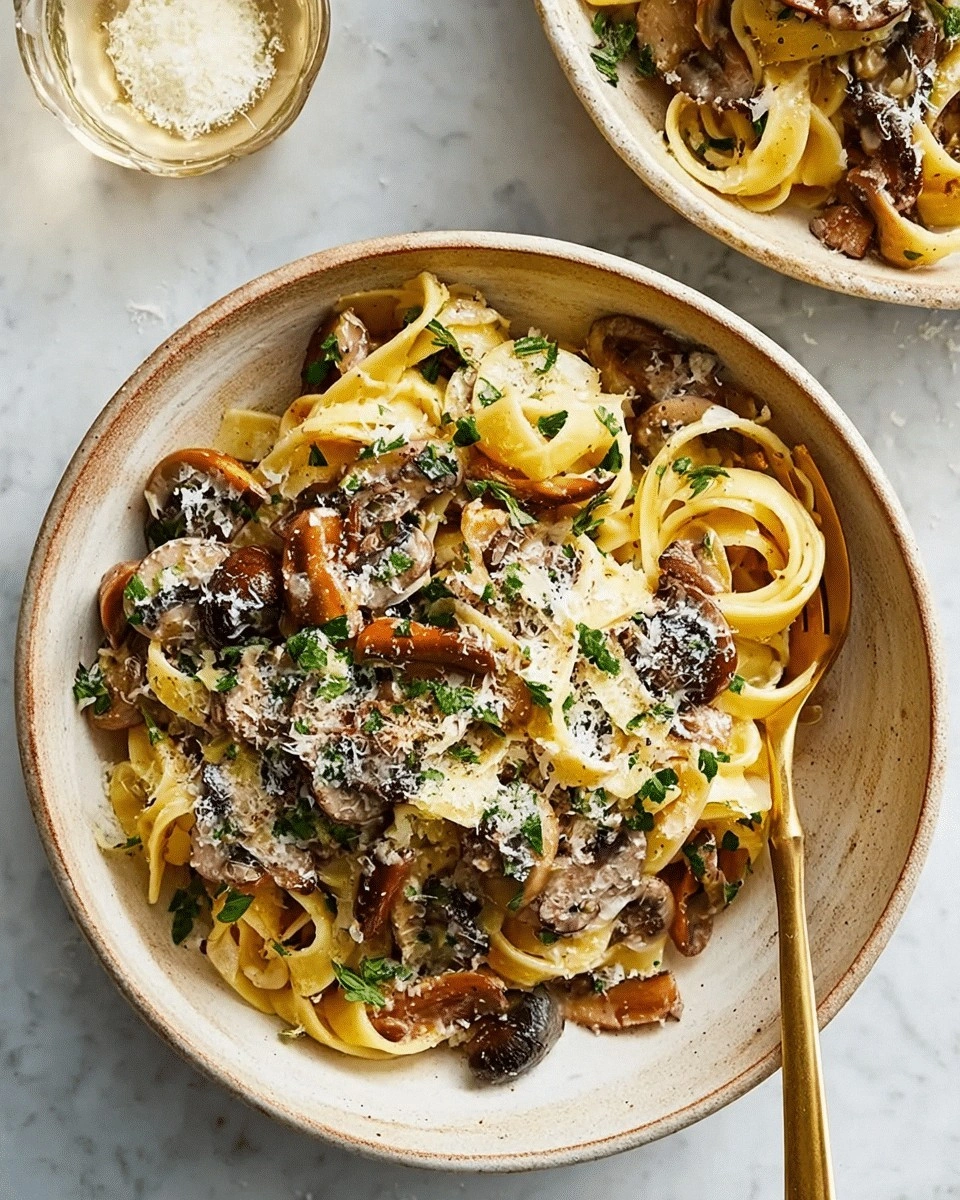
Picture yourself pulling this out of the skillet, the whole kitchen smelling incredible, and your guests’ eyes widening as they see the glossy, golden strands of pasta. The aroma alone is enough to bring people to the table, and the first bite delivers a cascade of umami, buttery richness, and bright citrus. The texture—firm pasta with tender mushrooms—creates a satisfying contrast that keeps you coming back for more. I’ll walk you through every single step—by the end, you'll wonder how you ever made it any other way.
Okay, ready for the game‑changer? The first thing you’ll notice is that the sauce coats the pasta like velvet, and the mushrooms develop crispy edges that shatter like thin ice when you bite. I’ll give you the exact timing to get that caramelization without burning. The next step is deglazing the pan with wine, which pulls out all the savory flavors and creates a silky base. Then we’ll whisk in butter and cheese to finish the sauce, creating a mouth‑watering, silky finish that clings to every strand. And the final flourish? A splash of lemon juice that brightens everything and balances the richness.
If you’re ready to elevate your pasta game, let’s dive into the details. This recipe is a playground where every step is an opportunity to refine your technique and impress your guests. And trust me, once you master this, you’ll find yourself turning to it again and again. The next sections will walk you through the ingredients, the method, and the insider tricks that make this dish truly unforgettable. Stay with me here—this is worth it.
Alright, let's break down exactly what goes into this masterpiece. The ingredients are thoughtfully chosen to create layers of flavor, texture, and visual appeal. Each element plays a crucial role, from the earthy mushrooms to the bright lemon finish. The combination of fresh herbs, wine, and cheese creates a sauce that is both luxurious and approachable. This is the foundation that allows the dish to shine. And now, let’s explore why each ingredient matters.
What Makes This Version Stand Out
- Flavor Depth: The blend of mixed mushrooms—cremini, shiitake, and oyster—provides a complex umami profile that single varieties can’t match. The sautéing technique brings out their natural sweetness, creating a savory base that elevates the entire dish.
- Texture Contrast: The mushrooms develop a crisp edge while remaining tender inside, creating a delightful bite that contrasts with the silky sauce and al dente pasta. This interplay of textures keeps the dish engaging from the first bite to the last.
- Balanced Richness: The sauce is crafted with a precise ratio of butter, olive oil, and cheese, ensuring it’s rich without being heavy. The addition of lemon juice provides a bright counterpoint that lifts the flavor profile.
- Fresh Herbs: Rosemary or thyme adds a fragrant, earthy note that complements the mushrooms. The herbs are added at the right time to preserve their aroma and avoid bitterness.
- Wine deglaze: A splash of dry white wine deglazes the pan, pulling out the browned bits that carry intense flavor. The wine also adds acidity, balancing the richness of the sauce.
- Parmesan Finish: Grated Parmesan or pecorino cheese melts into the sauce, creating a creamy texture and nutty undertones. The cheese also adds a subtle saltiness that enhances the overall taste.
- Ease of Execution: Each step is straightforward, requiring minimal equipment and no advanced techniques. This makes the dish accessible to both beginners and seasoned cooks.
- Make‑Ahead Potential: The sauce can be prepared in advance and reheated without losing its texture. This flexibility makes it ideal for busy weeknights or entertaining guests.
- Visual Appeal: The glossy sauce and golden mushroom edges create an inviting look that makes the dish feel like a restaurant‑quality plate.
- Personal Touch: The optional drizzle of extra‑virgin olive oil at the end allows each cook to add their signature flourish.
Alright, let's break down exactly what goes into this masterpiece. The ingredients are thoughtfully chosen to create layers of flavor, texture, and visual appeal. Each element plays a crucial role, from the earthy mushrooms to the bright lemon finish. The combination of fresh herbs, wine, and cheese creates a sauce that is both luxurious and approachable. This is the foundation that allows the dish to shine. And now, let’s explore why each ingredient matters.
Inside the Ingredient List
The Flavor Base
Extra‑virgin olive oil is the first layer of flavor, providing a subtle fruity note that sets the stage for the mushrooms. The olive oil also helps release the mushrooms’ natural juices, creating a fragrant, caramelized coating. A pinch of sea salt enhances the earthy tones without overpowering them. The freshly ground black pepper adds a mild heat that balances the richness of the sauce. Together, these basics create a foundation that supports the more complex flavors to come.
The Texture Crew
Pappardelle pasta is chosen for its wide, flat strands that catch the sauce beautifully. The pasta’s thickness allows it to hold the buttery sauce, creating a luxurious mouthfeel. The al dente texture provides a satisfying bite that contrasts with the tender mushrooms. The pasta also absorbs the lemony brightness, ensuring every bite is balanced and cohesive. This combination of pasta and sauce creates a harmonious blend that feels both indulgent and comforting.
The Unexpected Star
The mixed mushrooms bring a depth of flavor that’s impossible to replicate with a single variety. Each type—cremini, shiitake, oyster—offers a unique profile, from earthy to slightly sweet. When sautéed, they develop a caramelized exterior that adds a delightful crunch. Their natural umami compounds elevate the sauce, making it richer and more complex. This mushroom medley is the secret that sets this dish apart from ordinary pasta recipes.
The Final Flourish
Dijon mustard adds a subtle tang that brightens the sauce and prevents it from becoming too heavy. The dry white wine deglazes the pan, pulling out the browned bits that carry intense flavor and adding acidity to balance the richness. Grated Parmesan or pecorino cheese melts into the sauce, creating a creamy texture and nutty undertones. A splash of lemon juice at the end adds a bright, citrusy zing that lifts the entire dish. Finally, a drizzle of extra‑virgin olive oil adds a glossy finish and a burst of fruitiness that ties everything together.
Everything's prepped? Good. Let's get into the real action. Each step is designed to maximize flavor and texture, ensuring the final dish is a culinary triumph. The method will guide you through sautéing, deglazing, and finishing the sauce with precision. This is where the magic happens, turning simple ingredients into a gourmet experience. Follow along closely, and you’ll see why this recipe is a game‑changer.
The Method — Step by Step
- Heat a large skillet over medium‑high heat and add 2 tablespoons of extra‑virgin olive oil. As the oil warms, add the torn mushrooms, spreading them out in a single layer. Let them cook undisturbed for 3–4 minutes to develop a golden crust. After the initial sear, stir them gently and continue cooking until they’re browned and tender, about 6–8 minutes total. The goal is a caramelized exterior with a soft interior that releases its juices into the pan.
- While the mushrooms finish cooking, bring a large pot of salted water to a rolling boil. Add the pappardelle pasta and cook according to package instructions until al dente, usually 10–12 minutes. Reserve 1 cup of pasta water before draining, as this starchy liquid will help emulsify the sauce later. Drain the pasta and set aside, keeping it warm.
- Add the chopped shallots to the skillet with the mushrooms and sauté for 2 minutes until translucent. The shallots provide a subtle sweetness that balances the earthy mushrooms. Then stir in 2 teaspoons of fresh rosemary or thyme, letting the herbs release their aroma for 30 seconds. The herbs add depth and a fragrant note that complements the umami of the mushrooms.
- Grate the garlic cloves directly into the pan, stirring constantly for 30 seconds to prevent burning. The grated garlic releases more flavor than minced, giving the sauce a richer, more aromatic base. This step is crucial for building depth; a single clove can make a world of difference. Keep the heat medium to avoid bitterness.
- Pour in ⅓ cup of dry white wine to deglaze the pan, scraping up the browned bits from the bottom. The wine adds acidity and a subtle fruitiness that cuts through the richness. Let the wine reduce by half, about 3 minutes, until it’s slightly syrupy. This reduction concentrates the flavors and creates a glossy base for the sauce.
- Reduce the heat to low and whisk in 2 tablespoons of unsalted butter, one at a time, to create a silky emulsion. The butter adds richness and helps the sauce coat the pasta evenly. As each piece of butter melts, stir vigorously to ensure it incorporates fully. This step transforms the sauce into a luxurious coating that feels like velvet.
- Stir in ⅓ cup of grated Parmesan or pecorino cheese, letting it melt into the sauce. The cheese adds a nutty flavor and a creamy texture that balances the acidity of the wine. If the sauce seems too thick, add a splash of reserved pasta water to achieve the desired consistency. The goal is a glossy, smooth sauce that clings to every strand of pasta.
- Add the cooked pappardelle to the skillet, tossing to coat each strand with the mushroom sauce. Let the pasta simmer in the sauce for 2 minutes, allowing the flavors to meld together. Finish with 1 tablespoon of fresh lemon juice, stirring to incorporate the bright citrus note. Drizzle a little more extra‑virgin olive oil over the top and garnish with chopped parsley. Serve immediately, and enjoy the harmonious blend of earthy, buttery, and citrusy flavors.
That’s it— you did it. But hold on, I’ve got a few more tricks that will elevate this dish from great to unforgettable. Keep reading for insider tips that will help you master the sauce’s texture, flavor balance, and presentation. These are the little details that separate a good pasta from a showstopper.
Insider Tricks for Flawless Results
The Temperature Rule Nobody Follows
Cooking the mushrooms at the right temperature is critical for achieving that perfect caramelization. If the heat is too low, the mushrooms will steam instead of brown, losing their depth of flavor. If it’s too high, the exterior will burn while the interior remains raw. Aim for medium‑high heat and let the pan heat up before adding the mushrooms. This ensures a golden crust without scorching.
Why Your Nose Knows Best
The aroma of the mushrooms is a reliable indicator of doneness. When you smell a nutty, earthy scent with a hint of sweet caramel, the mushrooms are ready. If the smell is raw or metallic, give them more time. Trust your nose—it’s a seasoned chef’s secret weapon. This sensory checkpoint ensures the mushrooms contribute the maximum flavor to the dish.
The 5‑Minute Rest That Changes Everything
After draining the pasta, let it sit for 5 minutes before tossing it with the sauce. This short rest allows the pasta to reabsorb a bit of moisture, creating a more cohesive dish. It also gives the sauce time to settle, ensuring every strand is evenly coated. The result is a silky, luxurious texture that feels like a culinary masterpiece.
Cheese is Your Secret Weapon
Choosing the right cheese can elevate the sauce’s flavor profile. Parmesan adds nutty undertones, while pecorino offers a sharper, saltier bite. Mixing both creates a balanced, complex flavor that’s hard to beat. If you’re vegan, try nutritional yeast or a dairy‑free cheese alternative. The key is to let the cheese melt into the sauce, creating a smooth, velvety finish.
The Lemon Finale
Adding lemon juice at the very end brightens the dish and cuts through the richness. It also prevents the sauce from becoming too thick. The acidity of the lemon lifts the umami of the mushrooms and balances the buttery sauce. A few drops are enough—too much can overpower the dish. The final splash is the secret to that unforgettable, bright finish.
These tricks will help you master the sauce’s texture, flavor balance, and presentation. By paying attention to temperature, aroma, resting time, cheese selection, and acidity, you’ll consistently produce a dish that’s both comforting and sophisticated. Now that you have the insider knowledge, you’re ready to impress anyone who sits at your table.
Creative Twists and Variations
This recipe is a playground. Here are some of my favorite ways to switch things up:
Spinach & Sun‑Dried Tomato Version
Swap in a handful of fresh spinach and a few sun‑dried tomatoes for a Mediterranean twist. The spinach adds a pop of green and a mild earthiness, while the sun‑dried tomatoes provide a chewy, sweet contrast. Keep the rest of the sauce unchanged for a familiar base. This variation is perfect for a quick, vibrant meal that still feels indulgent.
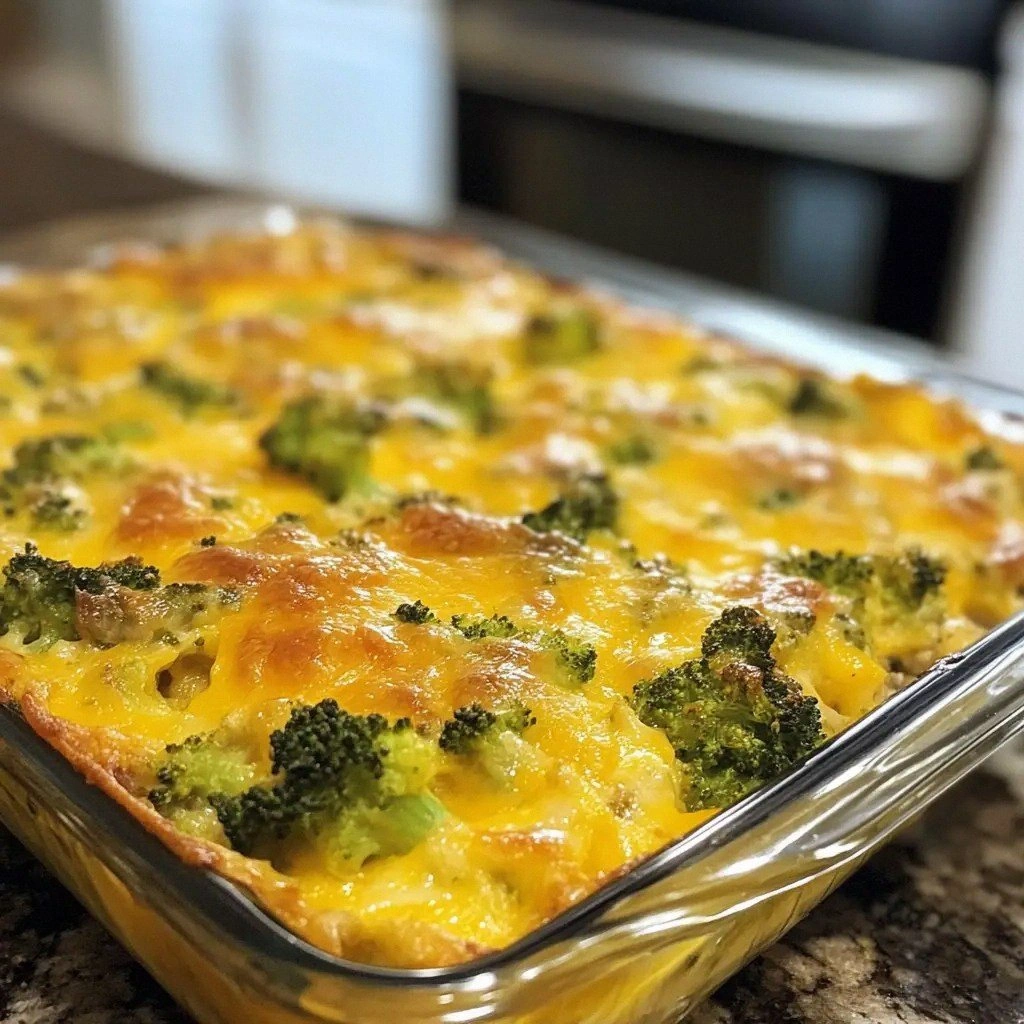
Creamy Broccoli & Cheddar Upgrade
Add blanched broccoli florets and a handful of shredded cheddar for a comforting, cheesy twist. The broccoli brings a slight crunch and a subtle sweetness, while the cheddar adds a creamy, gooey texture. Reduce the amount of Parmesan to make room for the cheddar’s distinctive flavor. This version is ideal for a cozy weeknight dinner.
Spicy Cajun Kick
Incorporate a pinch of cayenne pepper or a splash of hot sauce for a fiery twist. The heat pairs well with the earthy mushrooms, creating a bold flavor profile. Add a handful of roasted red peppers for extra color and sweetness. This spicy version is great for those who love a little heat in their pasta.
Pesto & Sunflower Seed Crunch
Stir in a tablespoon of basil pesto for an herbal, aromatic lift. The pesto adds a bright, green flavor that complements the mushrooms. Top the dish with toasted sunflower seeds for a satisfying crunch. This variation offers a fresh, nutty twist that feels both rustic and refined.
Gorgonzola & Pear Delight
Replace the Parmesan with crumbled Gorgonzola for a tangy, creamy flavor. Add thinly sliced pears for a sweet, juicy contrast that pairs beautifully with the cheese. This sophisticated combination is perfect for a dinner party or a special occasion. The pear’s natural sweetness balances the sharpness of the Gorgonzola.
Feel free to experiment with these variations or create your own. The beauty of this dish is its flexibility—you can tailor it to your taste, season, or dietary preference. Each twist offers a new flavor adventure while staying true to the core of this mushroom pasta.
Storing and Bringing It Back to Life
Fridge Storage
Store leftover pasta in an airtight container in the refrigerator for up to 3 days. The sauce may thicken slightly, so add a splash of reserved pasta water when reheating to restore its silky consistency. Keep the mushrooms separate if you prefer to sauté them fresh each time. This method ensures the dish stays fresh and flavorful.
Freezer Friendly
To freeze, place the cooked pasta and sauce in a freezer‑safe container, leaving a small gap at the top for expansion. Label the container with the date and freeze for up to 2 months. When ready to eat, thaw overnight in the refrigerator and reheat gently over low heat, adding a splash of milk or cream if needed. This option is convenient for meal prep or busy weekdays.
Best Reheating Method
Reheat the pasta in a skillet over low heat, stirring frequently to prevent sticking. Add a tiny splash of water or broth to keep the sauce moist and prevent it from drying out. The gentle heat will bring back the sauce’s silky texture and the mushrooms’ tender bite. Finish with a drizzle of olive oil and a sprinkle of fresh herbs for an extra touch of freshness.