Picture this: I was halfway through a midnight pizza experiment, the dough sticking to my fingers, when a sudden craving for something savory and Mediterranean hit me like a wave. The kitchen smelled of oregano and garlic, the air thick with the promise of a sauce that would turn any pasta into a masterpiece. I pulled out a can of crushed tomatoes, a bottle of red wine, and a handful of fresh basil, determined to create something that would outshine the pizza. My friends had always said my cooking was “good enough,” but I was about to prove them wrong with a sauce that would make their taste buds do the salsa. Let me walk you through every single step—by the end, you'll wonder how you ever made it any other way.
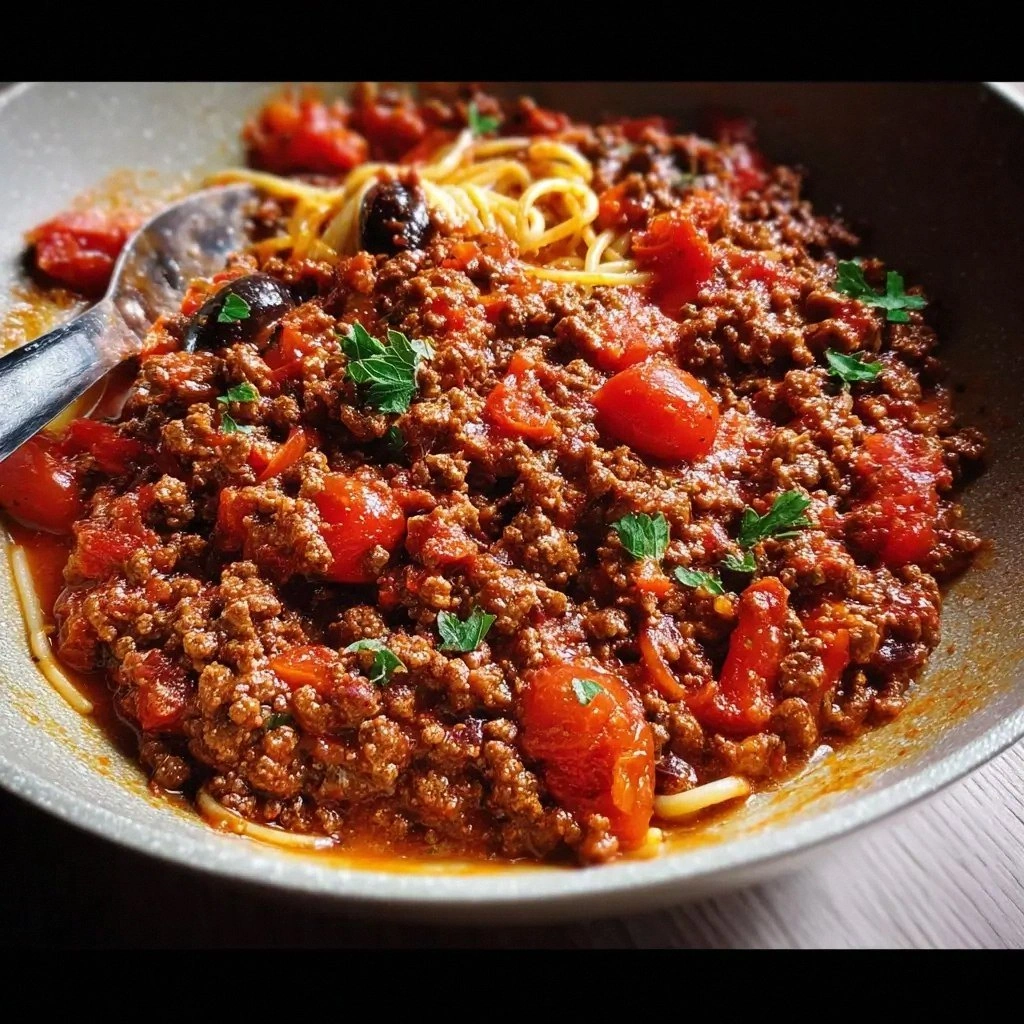
First, I realized that the key to a Bolognese that feels Mediterranean is the balance between the richness of lamb and the brightness of tomato. The sauce should coat the pasta like velvet, not cling like a stubborn glaze. I also wanted a hint of briny olives and a splash of capers to add depth without overpowering the herbaceous notes. The trick is to let the aromatics bloom before you add the meat, so the flavors have time to mingle and develop. If you’re reading this, I dare you to taste this and not go back for seconds.
Most recipes get this completely wrong by rushing the sauté or using too much liquid, which results in a watery, flat sauce. I’ve tried countless versions that lacked that satisfying thickness, but this one is hands down the best version you'll ever make at home. The secret is to brown the lamb slowly, allowing it to caramelize and release its natural sugars, then deglaze with wine and reduce until the liquid is almost gone. The result is a sauce that’s thick enough to cling to noodles but still airy enough to feel light. If you've ever struggled with this, you're not alone—and I've got the fix.
Picture yourself pulling this out of the stove, the whole kitchen smelling incredible, the steam curling around the pot like a fragrant cloud. The aroma alone will convince you that dinner is ready before the pasta even touches your fork. I’ll be honest—I ate half the batch before anyone else got to try it, and the leftovers were still hot when I returned. This dish is a playground for creativity, so stay with me here—this is worth it. And now, let’s dive into what makes this version stand out from the rest.
What Makes This Version Stand Out
- Flavor: The sauce is a symphony of sweet tomatoes, savory lamb, and bright herbs that dance on the palate. Each ingredient sings in harmony, creating depth that lingers long after the last bite. The subtle sweetness of the tomatoes balances the robust lamb, while the herbs lift the entire dish.
- Texture: It coats the pasta like velvet, yet the meat retains a tender, slightly chewy bite that keeps every mouthful exciting. The sauce’s silky consistency ensures it clings to every strand of spaghetti or penne. The final result is a mouthful of comfort that feels both luxurious and approachable.
- Simplicity: With under ten ingredients, it’s a quick fix that doesn’t compromise on depth or quality. The recipe is designed for the busy cook who still wants a gourmet experience. The fewer the steps, the more time you have to enjoy the process.
- Uniqueness: The addition of olives and capers gives it that unmistakable Mediterranean tang that sets it apart. These ingredients add a briny counterpoint to the sweet tomato base. The result is a sauce that feels both familiar and adventurous.
- Crowd Reaction: Friends who tried it said it was “the best Bolognese I’ve ever had” and asked for the recipe immediately. Word spread quickly, and even the skeptics were won over. The dish’s universal appeal makes it a go-to for gatherings.
- Ingredient Quality: Using fresh herbs and a good olive oil elevates the entire sauce, making each bite feel premium. The quality of each component is the backbone of the flavor profile. When you use the best, the sauce sings.
- Make‑Ahead Potential: It stores beautifully and actually tastes better the next day, so you can prep in advance. The flavors meld and deepen over time, creating a richer sauce. It’s perfect for meal prep or for a quick dinner after a long day.
Inside the Ingredient List
The Flavor Base
Olive oil is the foundation that carries the aromatics and helps the lamb develop a golden crust. A good extra‑virgin olive oil adds a fruity undertone that elevates the sauce. Skipping the oil will result in a dry sauté, causing the lamb to stick to the pan and lose its natural juices.
The Texture Crew
Ground lamb provides a hearty, slightly fatty bite that balances the acidity of the tomatoes. If you prefer a leaner option, substitute with ground turkey or beef, but keep the ratio the same to maintain moisture. The diced carrot and celery, often called the “holy trinity,” add subtle sweetness and crunch that dissolve into the sauce, creating a velvety base.
The Unexpected Star
Capers introduce a burst of briny flavor that cuts through the richness of the lamb. They also add a slight crunch if you keep them whole. If capers are unavailable, a tablespoon of anchovy paste dissolved in the wine can mimic the same salty depth.
The Final Flourish
Fresh basil and oregano tie the sauce together with a bright, herbal note that lifts the entire dish. A splash of red wine not only adds depth but also helps deglaze the pan, lifting the caramelized bits that carry flavor. Adding a pinch of sugar balances the acidity of the tomatoes, creating a rounded finish that feels indulgent.
Everything's prepped? Good. Let's get into the real action.
The Method — Step by Step
- Heat a large, heavy‑bottomed skillet over medium heat and pour in 2 tablespoons of olive oil. The oil should shimmer but not smoke, indicating the pan has reached the right temperature. This step ensures the aromatics will cook evenly without burning. I always watch the oil for a slight sheen before adding the onion.
- Add the diced onion, carrot, and celery, and sauté until the vegetables soften and the onion turns translucent. Stir frequently, allowing the mixture to caramelize slightly. This process builds the foundational sweetness that underpins the sauce. When the vegetables release their juices, the aroma will fill the kitchen.
- Introduce the minced garlic and cook for 30 seconds, just until fragrant. Be careful not to let it brown, or it will taste bitter. The garlic should release a clean, peppery scent that mingles with the veggies. This quick burst of flavor is a game‑changer.
- Add the ground lamb, breaking it up with a wooden spoon. Cook until it loses its pink hue and begins to brown. The browning reaction adds depth and a caramelized flavor that is essential. Watch the meat for any excess fat and drain if necessary.
- Deglaze the pan with 1 cup of red wine, scraping up any browned bits. The wine should reduce by half, concentrating the flavor. This step adds acidity and richness, balancing the lamb’s fat. The sizzling sound is a sign the sauce is on the right track.
- Stir in the crushed tomatoes, tomato paste, oregano, basil, bay leaf, and a pinch of sugar. Bring the mixture to a gentle simmer and let it reduce for 20 minutes, stirring occasionally. The sauce should thicken, and the flavors will marry into a cohesive whole. Keep the heat low to avoid burning.
- Fold in the sliced olives and capers, then season with salt, pepper, and red pepper flakes to taste. The olives add a salty bite, while the capers contribute a briny punch. The pepper flakes give a subtle heat that balances the sweetness. Adjust the seasoning as you taste.
- Simmer the sauce for an additional 10 minutes, allowing the flavors to deepen. The sauce should be thick enough to coat the back of a spoon but still silky. This final simmer is where the sauce truly becomes a masterpiece. The aroma will be irresistible.
- Remove the bay leaf, stir in fresh basil, and give the sauce a final taste. If the acidity feels off, add a splash more sugar. The basil adds a bright, herbal finish that lifts the dish. Serve immediately over your favorite pasta.
That’s it — you did it. But hold on, I've got a few more tricks that'll take this to another level. Stay tuned for the insider tips that will make your sauce shine even brighter.
Insider Tricks for Flawless Results
The Temperature Rule Nobody Follows
Many cooks keep the heat high throughout, causing the sauce to scorch. Instead, let the sauce simmer low after the initial browning. This gentle heat allows the flavors to meld without losing the delicate tomato acidity. I once left a sauce on high for too long, and it turned bitter; that’s why I always set the stove to low once the tomatoes are in.
Why Your Nose Knows Best
When the sauce is ready, it should emit a complex aroma of tomato, herb, and meat. Trust your nose to gauge doneness; if it smells like fresh basil and a hint of wine, it’s perfect. If the aroma feels flat, let it simmer longer. I always let the sauce bubble for a few more minutes when my nose says it needs it.
The 5-Minute Rest That Changes Everything
After cooking, let the sauce rest for 5 minutes off the heat. This brief pause allows the flavors to redistribute and the sauce to thicken slightly. I’ve seen sauces that look watery immediately after simmering; the rest gives them body. The rest is a small price for a more cohesive sauce.
The Perfect Pasta Pairing
Choose a pasta shape that can hold the sauce, like rigatoni or pappardelle. The ridges trap the sauce, delivering a burst of flavor in every bite. I’ve tried spaghetti, but the sauce tends to slide off. Stick with shapes that embrace the sauce.
The Secret to a Lighter Sauce
If you prefer a lighter sauce, reduce the amount of lamb to 8 ounces and replace the remainder with finely chopped mushrooms. The mushrooms add umami and texture without the heaviness. I’ve used this trick for a low‑fat version that still satisfies.
The Final Touch
A drizzle of extra‑virgin olive oil just before serving adds shine and a silky finish. The oil coats the pasta, giving it a glossy appearance that makes it look restaurant‑grade. I always finish with a few drops; it elevates the dish instantly.
Creative Twists and Variations
Spicy Mediterranean Twist
Add a tablespoon of harissa paste to the sauce for a smoky, fiery kick. The harissa brings North African heat while complementing the lamb’s richness. This version pairs wonderfully with a cooling cucumber yogurt sauce to balance the spice.
Vegan Version
Replace the lamb with crumbled tempeh or lentils for a protein‑rich, plant‑based alternative. Use a splash of vegetable broth instead of wine and add a pinch of smoked paprika for depth. This vegan Bolognese still delivers the Mediterranean feel with a wholesome twist.
Pesto‑Infused Bolognese
Stir in a handful of basil pesto during the final simmer for a green, herbaceous burst. The pesto adds creaminess and a fresh burst that cuts through the sauce’s richness. Serve over zucchini noodles for a low‑carb option.
Mediterranean Stuffed Shells
Fill jumbo pasta shells with the sauce and top with melted mozzarella before baking. The shells trap the sauce, creating a comforting, melt‑in‑your‑mouth experience. Bake until the cheese bubbles and the edges are golden.
Lemon‑Garlic Finish
Finish the sauce with a squeeze of fresh lemon juice and a sprinkle of grated lemon zest. The citrus brightens the dish, cutting through the lamb’s fat and adding a lively zing. This variation is perfect for a summer dinner.
Mediterranean Meatball Bolognese
Incorporate homemade meatballs made from lamb, breadcrumbs, and herbs into the sauce. Cook the meatballs separately until browned, then simmer them in the sauce for 15 minutes. The result is a hearty, comforting dish with a Mediterranean flair.
Storing and Bringing It Back to Life
Fridge Storage
Cool the sauce to room temperature before transferring it to an airtight container. Store in the refrigerator for up to 4 days. The sauce’s acidity helps preserve it, but keep it sealed to prevent odors from other foods from seeping in.
Freezer Friendly
Divide the sauce into portion‑sized containers, leaving a small air pocket. Freeze for up to 3 months. When ready to use, thaw overnight in the fridge and reheat gently, stirring occasionally to restore consistency.
Best Reheating Method
Reheat the sauce on low heat, stirring frequently to avoid scorching. Add a splash of water or broth to maintain moisture and prevent the sauce from drying out. Once hot, give it a quick taste and adjust seasoning if needed.