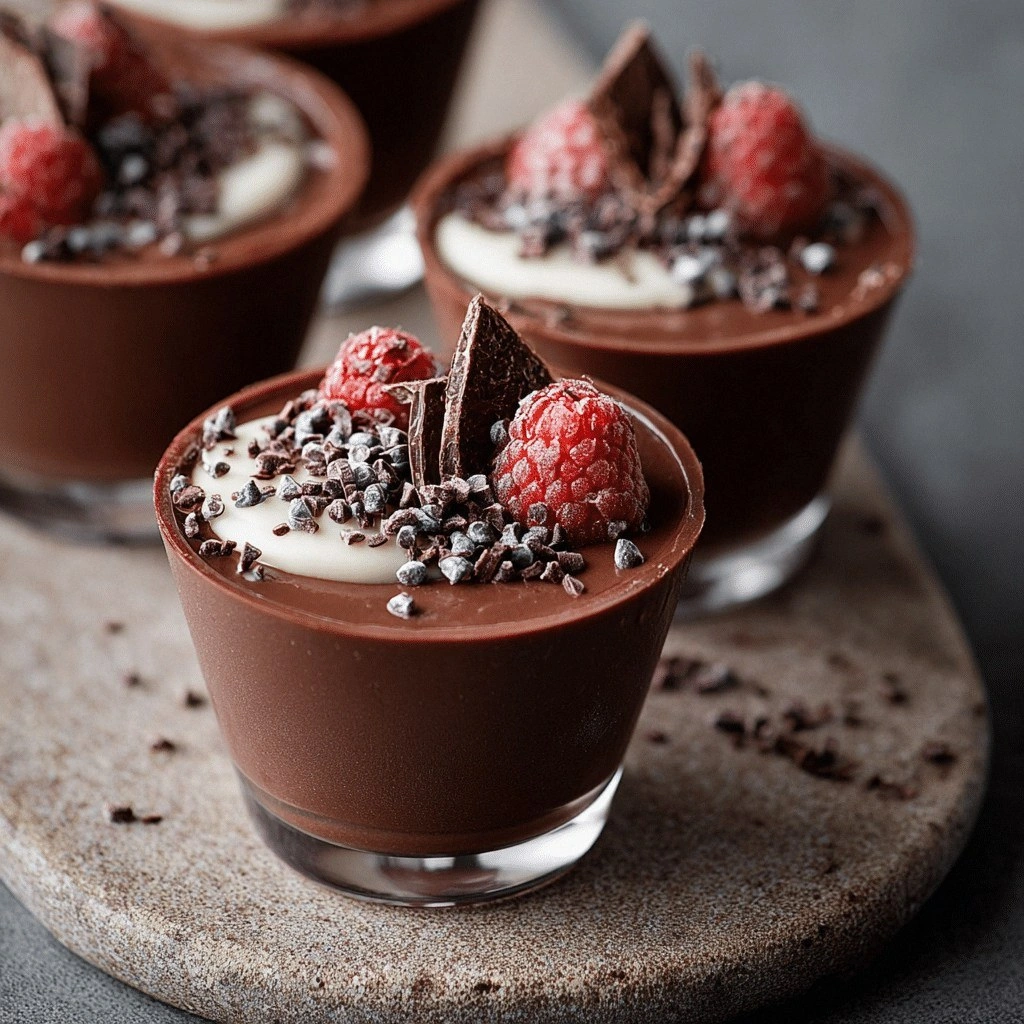
It was a rainy Saturday morning, the kind of day that forces you to stay inside and stare at the fridge like a detective on a cold case. I opened the door to find a half‑empty bowl of raspberries, a lemon that had seen better days, and a stack of flour that looked like it was waiting for a challenge. My kitchen was a mess of crumbs and the faint scent of burnt toast from last week’s over‑baked muffin experiment. I stared at the ingredients and thought, “I could do better.” That was the moment I decided to create a scone that would make my taste buds do a happy dance, and I’ve been humming about it ever since.
Picture this: the first bite is a burst of bright citrus that melts into a sweet, juicy raspberry pocket, all wrapped in a buttery crumb that cracks like a delicate shell when you press it. The aroma is a sweet‑sharp perfume that lingers long after you finish, and the texture is a perfect balance of airy and dense. I could almost hear the scone sigh as it cools, the silence broken only by the gentle clink of the cooling rack. It’s a moment of pure culinary bliss that feels like a secret handshake between you and the kitchen.
Why does this version stand out? Because I’ve taken the classic scone and turned it into a show‑stopper that’s both effortless and unforgettable. I’ve stripped away the extra steps that usually trip up home cooks, replaced them with a few clever tweaks, and added a splash of something that makes every bite feel like a celebration. I dare you to taste this and not go back for seconds. Trust me, this is hands down the best version you’ll ever make at home.
The trick? A secret blend of lemon zest and fresh raspberries, a light touch of baking powder, and a simple glaze that turns ordinary into extraordinary. Imagine the kitchen filling with the scent of citrus and berries, the sound of a scone cooling, and the anticipation of the first bite. By the end of this post, you’ll know exactly how to replicate that moment and even improve on it. Let me walk you through every single step — by the end, you’ll wonder how you ever made it any other way.
What Makes This Version Stand Out
- Flavor: The combination of tart lemon zest with sweet raspberries creates a flavor profile that is both refreshing and indulgent. The citrus cuts through the richness of the butter, while the berries add a juicy burst that keeps the palate intrigued.
- Texture: The crumb is light yet sturdy, thanks to the balanced ratio of flour to fat and the gentle folding technique. The scones puff slightly, giving you that classic scone rise without the need for a high oven temperature.
- Ease: Every step is streamlined—no separate doughs, no chilling time, no complicated glazing. You can go from pantry to plate in under 45 minutes.
- Uniqueness: The addition of a simple lemon glaze and the use of fresh raspberries instead of dried or frozen give this recipe a fresh twist that sets it apart from standard scone recipes.
- Crowd‑pleaser: Friends who’ve tried this say the scones are “too good to be true,” and they keep coming back for more. It’s the kind of treat that turns a casual brunch into a memorable event.
- Ingredient Quality: Using high‑quality butter and fresh, organic raspberries elevates the entire experience. Even the simplest ingredients shine when handled with care.
- Cooking Method: The method relies on a quick, low‑heat bake that keeps the scones from drying out and preserves their delicate flavor.
- Make‑Ahead Potential: The scones can be made a day ahead, reheated to perfection, and still taste fresh. That’s a huge win for busy mornings.
Alright, let’s break down exactly what goes into this masterpiece…
Inside the Ingredient List
The Flavor Base
2 cups all‑purpose flour is the backbone of the scone, providing structure while keeping the crumb tender. If you’re craving a slightly healthier option, swap half the flour for whole‑wheat, but keep the ratio of flour to fat the same to avoid a dense outcome.
1 cup granulated sugar balances the tartness of the lemon and berries. If you prefer a less sweet version, reduce the sugar to ¾ cup; the berries will compensate with natural sweetness.
1 tablespoon baking powder is the secret to that gentle lift. Skipping it will result in flat, heavy scones that don’t rise. If you’re gluten‑free, use a gluten‑free baking powder that’s aluminum‑free to avoid a metallic aftertaste.
The Texture Crew
½ cup unsalted butter, cold and cubed, is the star that delivers richness. Cold butter creates steam pockets that puff the scones, while warm butter would melt the dough too quickly, leading to a greasy texture.
¾ cup whole milk, chilled, hydrates the flour and helps form a cohesive dough. If you’re lactose intolerant, substitute with oat milk or almond milk, but be aware that the crumb may become slightly softer.
1 large egg adds protein, binding, and a slight sheen. For a vegan version, replace with a flaxseed egg (1 tablespoon ground flaxseed mixed with 3 tablespoons water) and you’ll still get a cohesive dough.
The Unexpected Star
1 cup fresh raspberries, gently folded in, bring juiciness and a pop of color. If fresh berries are out of season, frozen berries work too—just thaw and drain excess moisture to avoid soggy scones.
1 tablespoon lemon zest, freshly grated, infuses the dough with bright citrus aroma. The zest’s essential oils give depth that lemon juice alone can’t provide. If you’re allergic to citrus, try a splash of orange zest for a different bright note.
The Final Flourish
2 tablespoons fresh lemon juice adds brightness and balances the sweetness. The acidity also reacts with the baking powder to give a subtle lift.
2 teaspoons vanilla extract brings warmth and depth, making the scones feel more complex. For a hint of spice, a pinch of ground ginger can add a subtle warmth.
¼ cup powdered sugar, sifted, is used for the glaze. It creates a thin, glossy finish that coats each scone and enhances the lemon flavor. If you prefer a sweeter glaze, add a tablespoon of honey to the powdered sugar.
Everything's prepped? Good. Let's get into the real action…

The Method — Step by Step
- Preheat your oven to 375°F (190°C). Line a baking sheet with parchment paper or a silicone mat. This ensures even heat distribution and prevents sticking. Picture the heat rising like a gentle wave, ready to lift the dough.
- In a large mixing bowl, whisk together the flour, sugar, and baking powder until well combined. The dry mix should look like fine sand. This step is crucial for even leavening.
- Add the cold butter cubes to the dry mix. Using a pastry cutter, two forks, or your fingertips, cut the butter into the flour until the mixture resembles coarse crumbs. The butter should be visible in small specks—this is what creates the flaky layers.
- In a separate bowl, whisk together the milk, egg, lemon zest, lemon juice, and vanilla extract. The wet mixture should be smooth and slightly glossy. Pour this into the dry mix, stirring just until combined. Be careful not to overmix; the dough should be sticky but manageable.
- Fold in the fresh raspberries gently. Use a spatula to press them into the dough without crushing. The berries will release a little juice, but that’s part of the flavor profile. If the dough appears too wet, add a tablespoon of flour and mix gently.
- Turn the dough onto a lightly floured surface. Pat it into a 1‑inch thick circle, then cut into 8 equal wedges. The wedges should have a clean edge; if not, trim them with a knife. This shape helps the scones bake evenly.
- Place the wedges on the prepared baking sheet, spacing them about 2 inches apart. The spacing allows steam to escape, preventing sogginess. As they bake, the edges will begin to puff slightly, indicating the rise.
- Bake for 18–20 minutes, or until the tops are golden and the scones spring back when lightly pressed. The aroma should be a sweet citrus perfume that fills the kitchen. Keep an eye on the edges; they should not brown too quickly.
- While the scones are baking, whisk the powdered sugar with a tablespoon of water or lemon juice to create a glaze. The glaze should be pourable but not runny. Once the scones are out, let them cool for 5 minutes before glazing.
- Drizzle the glaze over each scone, letting it pool slightly at the base. The glaze will set into a glossy coating that enhances the lemon flavor. Serve warm for the best experience.
That’s it — you did it. But hold on, I've got a few more tricks that'll take this to another level…
Insider Tricks for Flawless Results
The Temperature Rule Nobody Follows
Many home bakers set their ovens to 400°F, assuming higher heat equals faster baking. In reality, a lower temperature (375°F) allows the scones to rise gently and develop a golden crust without burning the edges. If you’re using an older oven, preheat for 10 minutes longer to ensure consistent heat.
Why Your Nose Knows Best
During the baking process, the scent of lemon and raspberries is a reliable indicator of doneness. When the aroma becomes sweet and slightly caramelized, the scones are ready. If you’re still unsure, poke a toothpick into the center; it should come out clean.
The 5‑Minute Rest That Changes Everything
Letting the scones rest on the baking sheet for 5 minutes after removing them from the oven allows the steam to settle, preventing the bottoms from becoming soggy. It also gives the glaze a chance to set, resulting in a glossy finish that’s easier to handle.
Use a Cooling Rack for Even Cooling
Placing the scones on a wire rack lets air circulate around them, keeping the bottom crisp. If you don’t have a rack, a clean towel works, but be sure to lift the scones slightly to allow airflow.
Add a Pinch of Sea Salt After Glazing
A tiny sprinkle of sea salt over the glaze balances the sweetness and enhances the lemon flavor. It’s a simple step that can transform the taste profile from sweet to sophisticated.
Creative Twists and Variations
This recipe is a playground. Here are some of my favorite ways to switch things up:
Chocolate‑Covered Scones
Dip the warm scones in melted dark chocolate and let them set on parchment. The chocolate coats the buttery crumb, creating a decadent treat that pairs wonderfully with a cup of coffee.
Berry‑Burst Cream Cheese Frosting
Swirl a simple cream cheese frosting over the glaze for added creaminess. The slight tang of the cheese balances the lemon, while the berries add a pop of color.
Almond‑Infused Version
Replace half the flour with almond flour and add ¼ cup chopped toasted almonds for crunch. The nutty flavor complements the citrus and berries, giving the scones a new dimension.
Citrus Mix‑Up
Swap the lemon zest for orange zest and use a splash of lime juice instead of lemon juice. This variation offers a bright, tropical twist that feels like a vacation in a bite.
Gluten‑Free Edition
Use a gluten‑free all‑purpose blend and a gluten‑free baking powder. The texture may be slightly denser, but the flavor remains unchanged. Be sure to add a tablespoon of xanthan gum to maintain structure.
Savory Spin
Omit the sugar and add ¼ cup grated Parmesan. Sprinkle with fresh thyme before baking. The result is a savory scone that pairs well with a cheese board or a hearty soup.
Storing and Bringing It Back to Life
Fridge Storage
Cool the scones completely before placing them in an airtight container. They’ll stay fresh for up to 3 days. If you’ve glazed them, store the glaze separately to avoid sogginess.
Freezer Friendly
Wrap each scone individually in parchment paper, then place them in a freezer bag. They can be frozen for up to 2 months. Thaw at room temperature for 30 minutes before reheating.
Best Reheating Method
Preheat the oven to 350°F and bake the frozen scones for 10–12 minutes, or until warmed through. Add a splash of milk before reheating to restore moisture, then finish with a quick glaze if desired.