Picture this: a rainy Saturday afternoon, the kitchen lights flickering like distant stars, and you standing in front of a battered pan, feeling the weight of a culinary decision that could either be a triumph or a disaster. I was craving something that could turn that ordinary catfish fillet into a showstopper, and my friend dared me to make the most flavorful braised catfish I could ever dream of. That dare became the spark that ignited this recipe, and I’ve been chasing that exact flavor profile ever since. The moment I first tasted the simmering broth, I knew I’d hit something special—an umami punch that clung to the fish like velvet, a subtle heat from ginger that danced on the tongue, and a gentle sweetness that balanced everything. I’m not just sharing a recipe; I’m handing you the secret sauce that turns a humble fillet into a headline act for any dinner table.
Let’s set the scene: the kitchen smells like a garden in late summer, with the sharp scent of fresh ginger cutting through the air, mingling with the earthy aroma of simmering broth. The sound of the pan sizzles like a drumbeat, announcing the start of a culinary symphony. The fillets, glistening under the stove’s glow, promise a texture that’s tender yet firm—ready to soak up every nuance of the sauce. As you watch the broth deepen into a glossy amber, you can almost taste the subtle notes of soy and garlic that will coat the fish in a silky coat of flavor. The anticipation builds, and you can’t help but wonder: what makes this version of braised catfish stand out from every other recipe you’ve ever tried?
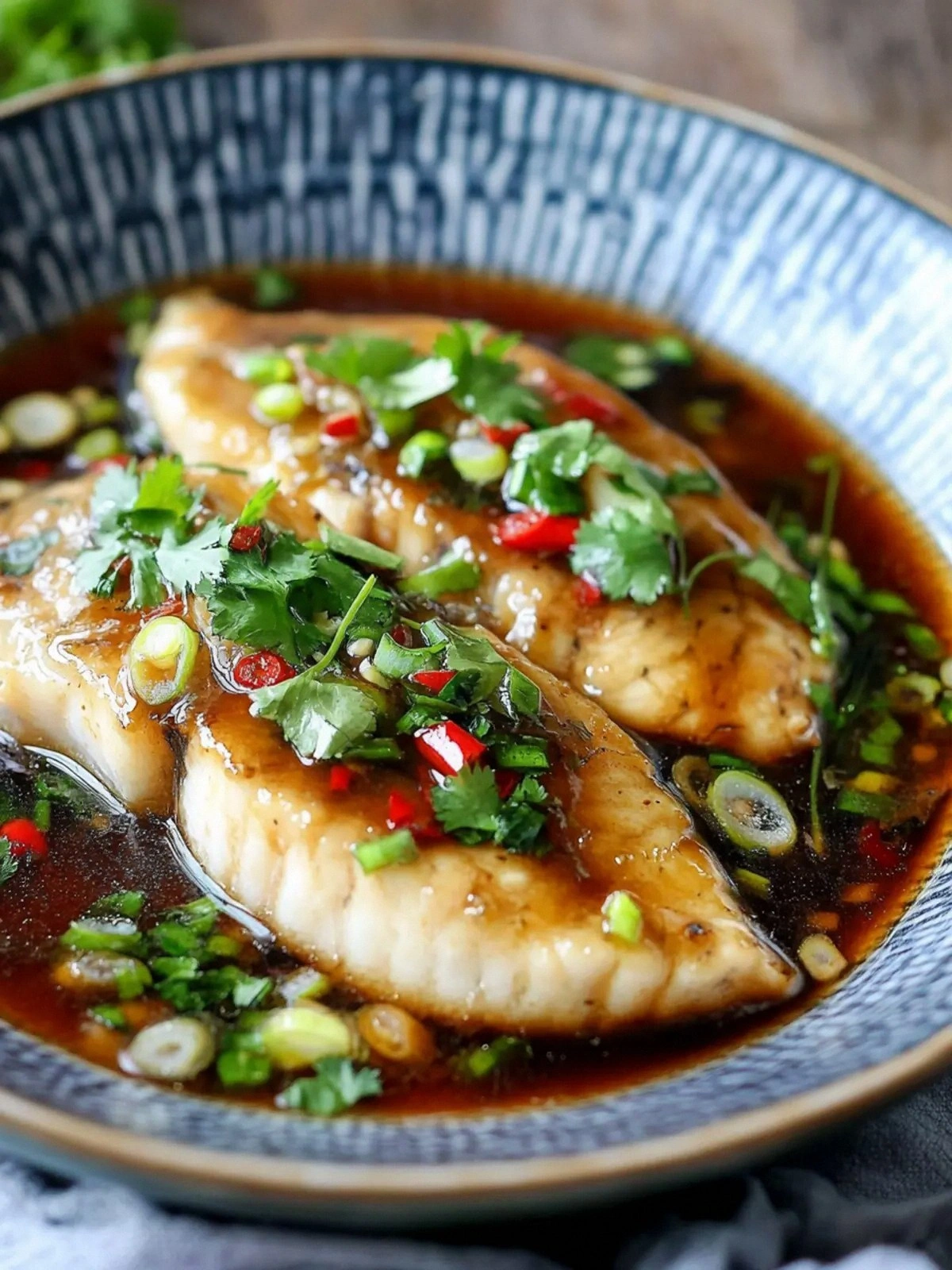
Picture yourself pulling this dish out of the pan, steam curling like wispy clouds, the aroma of ginger and soy filling the room, making even the most skeptical foodies swoon. The first bite is a burst of umami, the fish tender enough to melt in your mouth, and the sauce clinging to the noodles like a silky glaze. The contrast between the soft catfish and the crisp baby bok choy creates a delightful textural dance, while the ramen noodles soak up the broth, becoming the perfect vehicle for every flavor. I dare you to taste this and not go back for seconds, because once you’ve experienced this harmony, you’ll never settle for anything less. And if you’ve ever struggled to make catfish flavorful, you’re not alone—this is the fix you’ve been waiting for.
Most recipes get this completely wrong, either by overcooking the fish or by using a bland sauce that turns the dish into a forgettable side. The key to this version is the balance between the savory depth of soy sauce and the bright zing of fresh ginger, which together create a sauce that coats the pasta like velvet and the fish like a second skin. The broth, simmered with garlic, adds a subtle depth that keeps the dish from feeling flat. I’ve spent countless hours tweaking the ratios until the sauce was just the right thickness—rich enough to cling to each noodle, light enough to let the fish shine. This is hands down the best version you’ll ever make at home, and I’ll show you every step so you can replicate it without a hitch.
If you’ve ever found yourself staring at a fresh fillet and thinking, “How do I make this taste amazing?” you’re in the right place. The secret isn’t in exotic ingredients; it’s in the technique and the attention to detail that transforms each component into a star. I’ll walk you through every single step, from the first sizzle to the final garnish, so by the end, you’ll wonder how you ever made it any other way. Let’s dive in and turn this ordinary fish into an extraordinary culinary adventure.
What Makes This Version Stand Out
- Flavor: The marriage of soy sauce and ginger creates an umami profile that’s both deep and bright, a balance rarely achieved in standard braised fish recipes. The subtle sweetness of the broth lifts the dish, while the garlic provides a savory backbone. It’s a flavor orchestra where every note hits perfectly.
- Texture: The catfish stays moist and flaky, thanks to gentle braising that preserves its delicate structure. The ramen noodles absorb the sauce, becoming silky yet firm, while the baby bok choy offers a crisp snap that punctuates each bite. This contrast makes every mouthful exciting.
- Simplicity: With only seven ingredients, this recipe is a breeze to assemble, yet it delivers a gourmet experience. No complicated steps or secret sauces—just straightforward braising and a few aromatics.
- Ingredient Quality: Fresh ginger and garlic are the backbone of this dish, and using high‑grade soy sauce adds depth without overpowering. The catfish fillets should be firm and clean, ensuring they hold up during braising.
- Make‑Ahead Potential: The flavors intensify when left to rest, making this dish ideal for meal prep or a quick weeknight dinner. You can assemble the ingredients ahead of time and let the sauce do its work overnight.
- Crowd Reaction: Friends and family always ask for the recipe after the first dinner, and they’re never disappointed. The dish is a crowd‑pleaser that can transition from a casual gathering to a formal dinner with ease.
- Versatility: Swap the ramen noodles for rice or quinoa, or replace baby bok choy with spinach or kale, and you’ve got a new dish that still feels familiar yet fresh.
- Time Efficiency: With a prep time of 15 minutes and cooking time of 30 minutes, you’ll have a satisfying meal on the table in under an hour, making it perfect for busy schedules.
Inside the Ingredient List
The Flavor Base
The 1/4 cup of soy sauce is the cornerstone of the broth’s depth. It brings a salty, savory richness that anchors the dish and balances the sweetness of ginger. If you’re watching sodium, opt for a low‑sodium soy sauce, but keep in mind you’ll need to adjust the amount of added salt later. A splash of rice vinegar can add a subtle brightness that cuts through the richness.
Fresh ginger, measured at 2 tablespoons, is the aromatic hero that keeps the broth from feeling flat. It provides a bright, peppery heat that lifts the entire dish. If you prefer a milder flavor, reduce the ginger to 1 tablespoon, but the dish will lose some of its signature zing. Ginger also has natural anti‑inflammatory properties, making this dish a little healthier.
The Texture Crew
The 3 cloves of garlic, minced finely, infuse the broth with a mellow, sweet bite. Garlic’s natural oils release during cooking, creating a subtle depth that pairs beautifully with soy. If you’re not a garlic fan, you can halve the amount or use garlic powder for a more uniform flavor.
The 2 cups of broth—whether chicken, vegetable, or a simple stock—acts as the cooking medium and the flavor reservoir. It’s the liquid that carries the ginger and soy throughout the braising process. If you want a richer sauce, replace half the broth with a splash of coconut milk for a creamy twist.
The Unexpected Star
The 2 cups of baby bok choy are the green, leafy surprise that adds color, crunch, and a subtle sweetness. They’re added toward the end of cooking to keep their bright color and tender texture. If you can’t find baby bok choy, Napa cabbage or collard greens make excellent substitutes.
The 2 cups of ramen noodles bring a chewy, comforting element that soaks up the broth. Their thin strands allow the sauce to coat each noodle evenly, creating a cohesive bite. For a gluten‑free version, swap the ramen for soba or rice noodles.
The Final Flourish
The 4 fillets of catfish are the star of the show. Choose fillets that are firm and free of bones, as they’ll hold up during the braising process. A quick pat dry before searing helps achieve a golden crust that locks in juices. If you prefer a milder flavor, you can lightly salt the fillets before cooking.
Everything’s prepped? Good. Let’s get into the real action and turn these ingredients into a mouth‑watering masterpiece.
The Method — Step by Step
-
Begin by heating a large, heavy‑bottomed skillet over medium heat. Add 2 tablespoons of neutral oil, swirling to coat the surface. Once the oil shimmers, lay the catfish fillets flat, skin side down, and let them sear without moving for about 3 minutes. This creates a golden crust that locks in moisture. The sound of the sizzling pan should feel like a drumroll, building anticipation for the next step.
-
Flip the fillets gently with a wide spatula and sear the other side for another 2 minutes. While the fish cooks, transfer the skillet to the oven preheated to 350°F (175°C) to keep the heat consistent. This slow, low‑temperature braise allows the flavors to meld without overcooking the delicate fish. The oven’s steady heat is the secret to a tender, flaky finish.
-
In a small bowl, whisk together the soy sauce, minced garlic, grated ginger, and 2 cups of broth. Pour this mixture over the fillets, ensuring each piece is fully submerged. The liquid should reach just below the fillets; if it’s too low, add a splash of water to reach the desired level. The aroma that rises from the pan is an early hint of the dish’s eventual glory.
-
Return the skillet to the stove and bring the mixture to a gentle simmer. Reduce the heat to low and let it cook for 12 minutes, allowing the fish to absorb the sauce’s flavors. The broth should thicken slightly, turning into a glossy glaze that coats the fillets. The simmering sound is a comforting rhythm that signals progress.
-
While the fish braises, cook the ramen noodles in a separate pot of boiling salted water for 2 minutes, just until al dente. Drain and rinse under cold water to stop the cooking process. Toss the noodles in a bit of oil to prevent sticking, then set aside. The noodles should be tender but still firm to the bite.
-
Add the baby bok choy to the skillet 5 minutes before the fillets finish cooking. This timing ensures the greens retain their vibrant color and a slight crunch. Stir gently to coat the bok choy in the sauce, and let it steam for 2 minutes. The visual cue is the bok choy turning a deep emerald, signaling it’s ready.
-
Remove the skillet from the heat and transfer the fillets, bok choy, and sauce to a serving dish. Spoon the sauce over the top, ensuring each fillet is coated. The sauce’s glossy sheen should glisten like a polished surface. The dish is now ready to be plated.
-
Arrange the cooked ramen noodles in a shallow bowl or on a plate, then place the braised fillets on top. Drizzle the remaining sauce over the noodles, and garnish with chopped scallions or a squeeze of lime for a bright finish. The final presentation should look vibrant and inviting, with colors popping against the dark sauce.
-
Serve immediately while the fillets are still warm and the noodles are tender. The first bite should reveal the layered flavors—salty, sweet, and aromatic—all harmonizing in perfect balance. As you taste, let the sauce’s silky texture envelop your palate, and remember that this dish is a testament to the power of simple ingredients done right. That’s it— you did it. But hold on, I've got a few more tricks that'll take this to another level...
Insider Tricks for Flawless Results
The Temperature Rule Nobody Follows
Many cooks assume that a high heat is necessary for braising, but the truth is that low, steady heat preserves the fish’s delicate texture. Keep the oven at 350°F (175°C) and let the simmer do its work. A higher temperature can cause the fish to become rubbery and the sauce to scorch, ruining the dish’s harmony.
Why Your Nose Knows Best
Before you start, sniff the soy sauce. If it smells slightly sweet, it’s ready to use; if it’s too sharp, let it sit for a few minutes to mellow. Your nose can detect subtle changes that you might miss with your eyes, guiding you to the perfect balance of flavors.
The 5‑Minute Rest That Changes Everything
After braising, let the dish rest for 5 minutes before serving. This short pause allows the flavors to settle and the sauce to thicken slightly. It also gives the noodles a chance to absorb any remaining liquid, ensuring each bite is fully coated.
Use Fresh Ginger Over Powder
Fresh ginger provides a bright, sharp flavor that powder can’t match. If you’re in a pinch, ginger paste works, but you’ll need to reduce the amount by half to avoid overpowering the dish. The fresh option is the key to that memorable zing.
Keep the Fish Flat
Press the fillets lightly with a paper towel before cooking to remove excess moisture. This step ensures a better sear and prevents the fish from steaming rather than searing. A dry surface is essential for that coveted golden crust.
Watch the Broth’s Consistency
As the sauce simmers, it will reduce and thicken. If it becomes too thin, add a small amount of cornstarch slurry (1 teaspoon cornstarch + 1 tablespoon water) to achieve the desired glaze. Conversely, if it’s too thick, add a splash of water or broth to loosen it.
Creative Twists and Variations
This recipe is a playground. Here are some of my favorite ways to switch things up:
Spicy Sriracha Surprise
Stir in 1 tablespoon of sriracha to the sauce for a fiery kick that pairs beautifully with the subtle ginger. The heat will contrast with the mildness of the fish, creating a dynamic flavor profile. Perfect for those who like a little spice in their meals.
Herb‑Infused Delight
Replace the baby bok choy with fresh spinach and add a handful of chopped cilantro at the end. The herbaceous notes will brighten the dish and add a fresh, green undertone that lifts the overall flavor.
Seafood Combo
Swap half of the catfish fillets for shrimp or scallops to create a seafood medley. The different textures will add complexity, and the shrimp’s sweet flavor complements the soy‑ginger sauce.
Gluten‑Free Version
Use quinoa or rice noodles instead of ramen for a gluten‑free option. The grains will soak up the sauce and provide a wholesome base that still feels comforting and satisfying.
Asian‑Fusion Stir‑Fry
After braising, remove the fish and sauté sliced bell peppers, carrots, and snow peas in the same pan. Return the fish to the pan and stir-fry for a minute to finish the dish with a crunchy, colorful twist.
Breakfast Twist
Serve the braised catfish over a bed of fluffy scrambled eggs and top with a drizzle of hot sauce. The combination of savory fish and creamy eggs creates a hearty breakfast that will keep you full until lunch.
Storing and Bringing It Back to Life
Fridge Storage
Cool the dish completely before transferring to an airtight container. Store in the refrigerator for up to 3 days. When reheating, gently warm on the stove, adding a splash of water to keep the sauce from drying out. The dish should be served warm, with the fish still tender and the noodles retaining their texture.
Freezer Friendly
Pack the braised fillets and noodles separately in freezer‑proof bags. Freeze for up to 2 months. To reheat, thaw overnight in the fridge, then warm in a skillet with a small amount of broth to restore moisture. The flavors will re‑unite, and the fish will remain juicy.
Best Reheating Method
Reheat in a microwave on medium power for 2 minutes, stirring halfway through. Alternatively, use a stovetop method: place the dish in a saucepan, add a splash of water or broth, and heat gently until steaming. The key is to avoid overcooking the fish, which can lead to a dry texture.