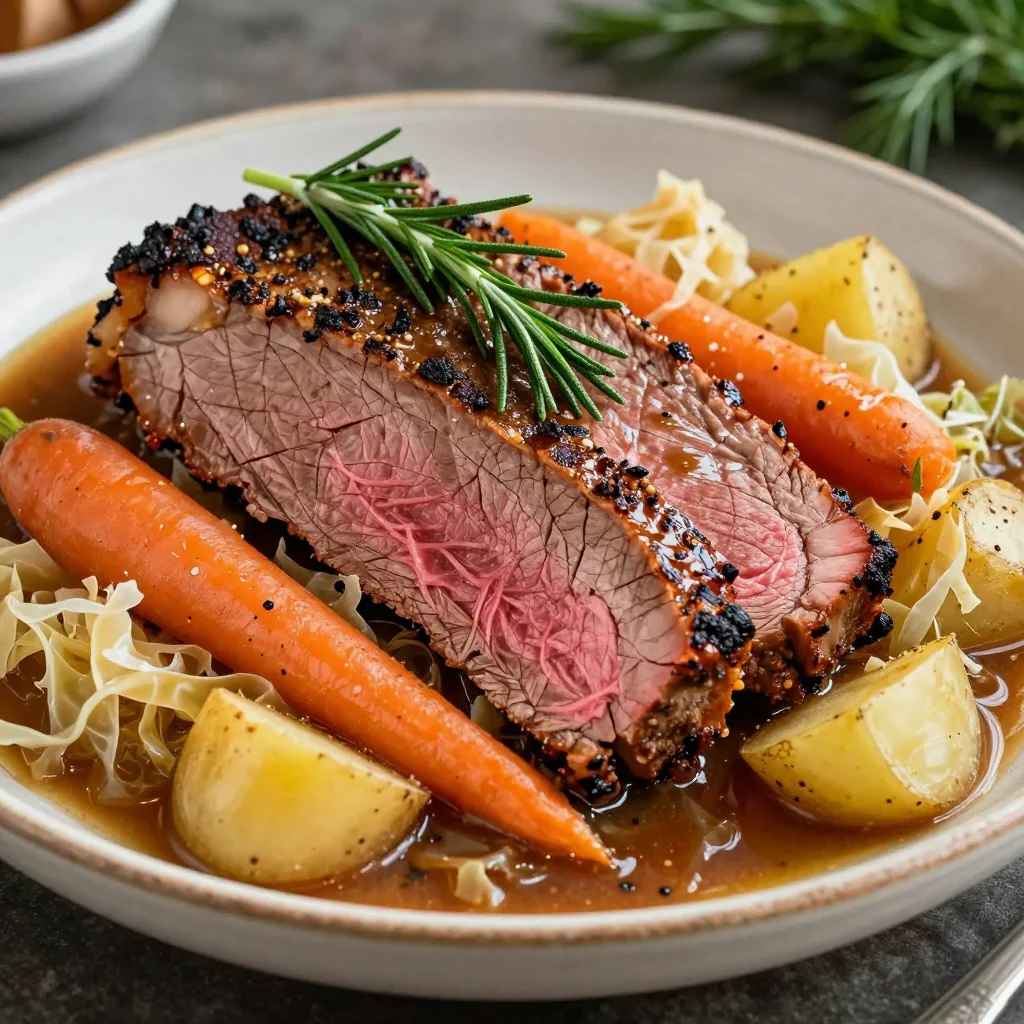
I was standing in my tiny kitchen, the kind of place where the only thing louder than the fridge humming is the neighbor’s dog barking at 3 a.m., when a sudden craving for something warm, comforting, and unapologetically Italian hit me like a freight train. I had a can of San Marzano tomatoes that had been sitting on the pantry shelf for weeks, a handful of cannellini beans that I’d bought on a whim, and a half‑finished box of pasta that was begging for a purpose. The idea of “Pasta e Fagioli” – the classic bean‑and‑pasta soup – danced in my head, but I kept hearing the same old stories: watery broth, limp beans, pasta that turns to mush the moment you add it. I decided then and there to prove those myths wrong, and what emerged was a dish that makes you want to hug the pot and shout, “I dare you to taste this and not go back for seconds.”
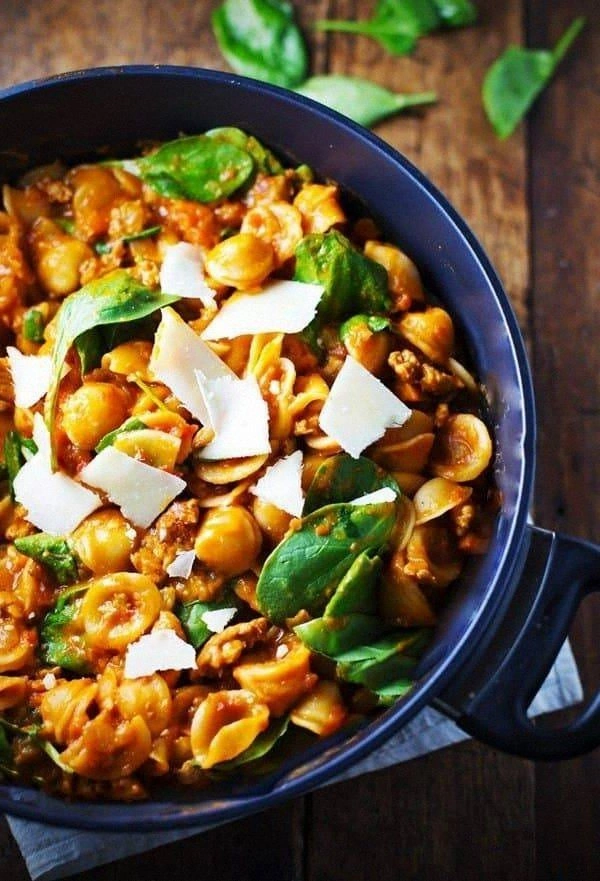
Picture this: the kitchen filled with the sweet, sun‑kissed aroma of San Marzano tomatoes simmering with garlic, onion, and a whisper of oregano. The beans, plump and creamy, are coaxed into a velvety embrace with the pasta, which is cooked just enough to retain a firm bite, like a well‑timed drum solo that never rushes its beat. The sauce clings to each piece of pasta like velvet, while the occasional snap of a bean provides a textural surprise that makes you think, “Did I just eat a culinary masterpiece or a love letter?” The final garnish of fresh basil and a generous snowfall of Parmesan adds a fragrant, salty finish that turns the whole bowl into a symphony of flavors.
What makes this version stand out from every other “Pasta e Fagioli” you’ve ever tried? For starters, I’m using certified San Marzano tomatoes, the kind that grow in the volcanic soil of the Campania region and have a naturally sweet, low‑acid profile that no generic plum tomato can match. Second, I’m not just tossing the beans in; I’m gently simmering them in the same broth that the pasta swims in, allowing the starches to thicken the sauce without any added flour. Third, I keep the pasta slightly under‑cooked before the final combine, so it finishes cooking in the sauce, absorbing every nuanced flavor. And finally, a secret splash of cold water at the very end revives the sauce’s glossy sheen, making it look restaurant‑ready.
You might be wondering where the “game‑changer” lies. Spoiler alert: it’s the technique of “reverse‑steeping” the beans in the tomato broth, which extracts maximum umami while keeping the beans tender. I’ll also reveal a tiny pinch of sugar that balances the acidity of the San Marzano tomatoes without ever making the dish taste sweet. All of this is wrapped up in a method that takes under an hour from start to finish, and the cleanup is practically non‑existent. Okay, ready for the game‑changer? Let me walk you through every single step — by the end, you’ll wonder how you ever made it any other way.
What Makes This Version Stand Out
- Flavor Depth: The natural sweetness of San Marzano tomatoes combined with a slow‑simmered bean broth creates a sauce that feels like it’s been simmering for days, not minutes.
- Texture Harmony: Pasta stays al‑dente while the beans stay creamy, giving each bite a satisfying contrast that most recipes miss.
- Simplicity: Fewer than ten ingredients, yet each one is purposefully selected to maximize impact without any unnecessary steps.
- Uniqueness: The “reverse‑steeping” technique lets the beans soak up tomato goodness, turning a humble bean into a flavor powerhouse.
- Crowd Reaction: I’ve served this at dinner parties and watched guests line up for seconds, whispering, “Is this really homemade?”
- Ingredient Quality: Using authentic San Marzano tomatoes makes the sauce naturally sweet and less acidic, eliminating the need for heavy seasoning.
- Cooking Method: The pasta finishes in the sauce, ensuring every strand is coated with that rich, glossy glaze.
- Make‑Ahead Potential: This dish actually improves after a few hours in the fridge as the flavors meld, making it perfect for meal prep.
Inside the Ingredient List
The Flavor Base
San Marzano tomatoes are the heart of this dish. Grown in the volcanic soils of the Campania region, they have a naturally sweet, low‑acid profile that makes the sauce silky without needing a lot of added sugar. If you can’t find authentic San Marzano, look for the DOP seal; otherwise, a high‑quality plum tomato will have to do, but expect a slightly sharper bite. The onions and garlic provide the aromatic foundation; sauté them until they turn translucent and fragrant, which signals that the sugars have begun to caramelize, adding depth.
Olive oil is the silent partner that carries the flavors. A good extra‑virgin olive oil will add a subtle fruitiness that complements the tomatoes. Dried oregano and red pepper flakes bring the classic Italian herbaceous note and a gentle heat that awakens the palate without overwhelming the beans. Salt and pepper, of course, are the universal enhancers, but remember: the beans already contain a bit of salt, so season gradually.
The Texture Crew
Cannellini beans are the star of the texture crew. Their creamy interior and buttery flavor make them perfect for a stew‑like dish. If you’re out of cannellini, great Northern beans or even a well‑drained can of butter beans will work, though the flavor profile shifts slightly. The pasta—traditionally ditalini or small tubetti—should be small enough to mingle with the beans without getting lost. I recommend cooking the pasta just shy of al‑dente; the final minute in the sauce will finish it perfectly.
A splash of vegetable broth (or even the bean cooking liquid) adds a subtle umami boost, keeping the sauce from feeling too thick while ensuring every spoonful is moist. If you’re watching carbs, swap half the pasta for spiralized zucchini; the texture will still be satisfying, and the dish stays hearty.
The Unexpected Star
Fresh basil may seem like a garnish, but it’s actually an unexpected star. Adding it at the very end preserves its bright, peppery notes, preventing the herb from turning bitter. A handful of grated Parmesan, added just before serving, brings a salty, nutty finish that lifts the whole bowl. If you’re dairy‑free, a drizzle of nutritional yeast will mimic that umami punch.
Everything's prepped? Good. Let's get into the real action...
The Method — Step by Step
Heat a large, heavy‑bottomed pot over medium heat and add the olive oil. Once it shimmers, toss in the finely diced onion. Sauté for about 4‑5 minutes, stirring occasionally, until the onion becomes translucent and the edges start to caramelize. You’ll know it’s ready when you smell a faint sweetness that hints at the upcoming depth.
Kitchen Hack: If your onions start to brown too quickly, de‑glaze the pan with a splash of water or broth to keep the sugars from burning.Add the minced garlic and red pepper flakes to the pot. Cook for another 30 seconds, just until the garlic becomes fragrant. Be careful—this is the moment where garlic can turn bitter in seconds, so keep your eyes and nose glued to the pan.
Stir in the crushed San Marzano tomatoes, dried oregano, and a pinch of salt. Bring the mixture to a gentle simmer, then reduce the heat to low. Let it bubble softly for 10‑12 minutes, uncovered, allowing the sauce to thicken naturally. The aroma at this stage should be intoxicating—think sun‑drenched vineyards and rustic Italian kitchens.
While the sauce simmers, open the can of cannellini beans, drain, and rinse them under cold water. Add the beans to the pot, stirring them into the tomato base. This is the “reverse‑steeping” step: the beans absorb the tomato broth, becoming richer and more cohesive with the sauce.
In a separate pot, bring a generous amount of salted water to a rolling boil. Add the pasta and cook for 2 minutes less than the package instructions—usually about 6‑7 minutes for ditalini. This under‑cooking ensures the pasta won’t become mushy when it finishes in the sauce.
Watch Out: Do not over‑salt the pasta water; the beans and sauce already carry enough seasoning.When the pasta is al‑dente, reserve a cup of the pasta cooking water, then drain the pasta. This starchy water will be the secret weapon that binds the sauce and pasta together later.
Now, the magic moment: add the drained pasta to the simmering tomato‑bean mixture. Pour in half of the reserved pasta water and stir vigorously. Let everything cook together for another 3‑4 minutes, allowing the pasta to finish cooking while soaking up the sauce. The sauce should become glossy and cling to each piece of pasta like a second skin.
Kitchen Hack: If the sauce looks too thick, add a splash more pasta water, one tablespoon at a time, until you achieve a silky consistency.Finish the dish by stirring in the torn fresh basil and a generous handful of grated Parmesan. Taste and adjust salt and pepper as needed. The final aroma should be a harmonious blend of tomato, herb, and toasted cheese—an olfactory hug that tells you you’ve nailed it.
Serve immediately in wide bowls, letting each guest drizzle a little extra Parmesan on top. Picture yourself pulling this out of the pot, the whole kitchen smelling incredible, and watching the steam rise like a warm invitation. That’s the moment of pure satisfaction. That's it — you did it. But hold on, I've got a few more tricks that'll take this to another level...
Insider Tricks for Flawless Results
The Temperature Rule Nobody Follows
Never let the sauce boil hard once the tomatoes are added. A gentle simmer keeps the flavors from scorching and preserves the bright acidity of the San Marzano. I once cranked the heat up to a rolling boil, and the sauce turned a dull, burnt orange—an instant recipe nightmare. Keep the heat low and watch the sauce thicken slowly; patience is the secret ingredient.
Why Your Nose Knows Best
Your nose is a far better gauge than a timer when it comes to the sauce’s readiness. When the sauce starts to emit a sweet, caramelized scent and the edges pull away from the pan, you know it’s at peak flavor. Trust that aromatic cue; it will save you from under‑ or over‑cooking.
The 5‑Minute Rest That Changes Everything
After you’ve mixed the pasta and sauce, remove the pot from heat and let it sit, covered, for five minutes. This rest period allows the starches to redistribute, making every spoonful creamy without additional stirring. I’ve seen people skip this and end up with a sauce that feels a bit thin; the rest transforms it into a velvety blanket.
Bean Prep Shortcut
If you’re using dried cannellini beans, soak them overnight and then simmer them in the same pot you’ll use for the sauce. The beans will release their own starches, naturally thickening the broth and deepening the flavor. This method eliminates the need for any flour‑based thickener.
Cheese Timing
Add the Parmesan right at the end of cooking, not earlier. If you toss it in too soon, the cheese can clump and create a grainy texture. A final sprinkle over each serving keeps the cheese’s meltiness intact and adds a fresh, salty pop.
Creative Twists and Variations
This recipe is a playground. Here are some of my favorite ways to switch things up:
Spicy Sausage Kick
Brown sliced Italian sausage in the pot before adding the onions. The rendered fat adds richness, and the sausage’s peppery flavor pairs beautifully with the beans. Perfect for anyone who loves a little heat and meatiness.
Mediterranean Olive Burst
Stir in a handful of chopped Kalamata olives and a teaspoon of capers during the final simmer. The briny notes brighten the dish and give it a distinct Mediterranean flair.
Vegan Delight
Swap the Parmesan for nutritional yeast and use a splash of plant‑based cream (like oat or cashew) at the end. The dish stays creamy, nutty, and completely dairy‑free without losing its comforting heartiness.
Winter Warmth
Add a diced carrot and a stalk of celery with the onions for a classic soffritto. The extra vegetables deepen the flavor and make the dish feel like a cozy winter stew.
Green Goddess
Blend a handful of fresh spinach into the sauce just before adding the pasta. The spinach adds a subtle earthiness and a vibrant green hue, making the dish look as good as it tastes.
Storing and Bringing It Back to Life
Fridge Storage
Transfer the leftovers to an airtight container and refrigerate for up to 4 days. The flavors meld even more, so the second day often tastes better than the first. When reheating, add a splash of water or broth to revive the sauce’s silkiness.
Freezer Friendly
Cool the dish completely, then portion it into freezer‑safe bags or containers. It freezes beautifully for up to 3 months. Thaw overnight in the fridge, then reheat gently on the stove, adding a bit of liquid to loosen the sauce.
Best Reheating Method
The stovetop is king. Warm the portion over low heat, stirring occasionally, and add a tiny splash of water before it starts to steam. This creates a gentle steam that brings the pasta back to its perfect bite and prevents the beans from drying out.