Picture this: a rainy Tuesday evening, the kitchen light flickering over a pot of simmering broth, and your friend daring you to make something that could turn a humble weeknight into a culinary triumph. I was on the brink of a culinary disaster, the onions had already begun to sing a caramelized dirge, and the mushrooms were about to surrender to the heat. The moment I realized the dish needed a heart, I knew I had to pull out every trick in my arsenal. This is not just another spinach‑mushroom pasta; it’s a symphony of velvety cream, earthy mushrooms, and fresh spinach that sings with every bite. The aroma that fills the kitchen will have you humming a tune you never knew you needed, and the texture—think silky pasta hugging a buttery sauce—will leave you asking for seconds. Let me walk you through every single step — by the end, you'll wonder how you ever made it any other way.
What Makes This Version Stand Out
- Flavor: The combination of fresh spinach and sautéed mushrooms creates a depth that’s both earthy and bright, unlike the blandness of many store‑bought orzo dishes.
- Texture: The orzo is cooked al dente, then bathed in a cream sauce that coats each grain like velvet, while the mushrooms add a satisfying bite.
- Simplicity: With only a handful of ingredients, you can whip this up in under an hour, making it a go‑to for busy weeknights.
- Uniqueness: A splash of fresh lemon juice brightens the dish, a detail that most recipes overlook, giving it a zesty finish.
- Crowd Reaction: Friends who have tried this say it’s “hands down the best version you'll ever make at home,” and they keep asking for the recipe.
- Ingredient Quality: Using fresh, high‑quality mushrooms and spinach elevates the dish, turning a simple pasta into a gourmet experience.
- Cooking Method: The technique of sautéing onions and garlic before adding mushrooms and spinach locks in flavor and prevents sogginess.
- Make‑Ahead Potential: The dish holds up wonderfully, and the flavors deepen when reheated, making it ideal for meal prep.
Alright, let's break down exactly what goes into this masterpiece. First, the base. A fragrant onion and garlic sauté sets the stage, followed by mushrooms that release their umami essence. Second, the heart. Fresh spinach is introduced just before the sauce, ensuring it stays vibrant and tender. Third, the sauce. A rich blend of broth and heavy cream, seasoned with thyme, pepper, and a touch of lemon, creates a silky coating that glides over the orzo. Finally, the finish. A sprinkle of Parmesan (optional) and a drizzle of olive oil give it that final pop.
Inside the Ingredient List
The Flavor Base
The foundation of this dish is a simple yet powerful sauté of finely chopped onion and minced garlic. The onion, when cooked until translucent, releases a subtle sweetness that balances the earthiness of the mushrooms. Garlic adds a sharp kick, but be careful not to burn it—over‑sautéed garlic turns bitter and ruins the flavor profile. If you’re short on time, you can use a jarred onion mix, but fresh is best for that bright, clean taste. Skipping this step means you lose the depth that makes the dish feel like a comforting hug.
The Texture Crew
Mushrooms are the texture engine of this recipe. Clean them with a damp cloth and slice them evenly so they cook uniformly. The 8 oz of sliced mushrooms should be cooked until they release their juices and develop a golden crust. This caramelization adds a subtle nuttiness that pairs beautifully with the creamy sauce. If you prefer a firmer bite, keep them slightly raw; if you love a softer feel, let them cook longer. Mushrooms also absorb the sauce, so their presence amplifies the richness of every bite.
The Unexpected Star
Fresh spinach is the unexpected star that keeps the dish bright and nutritious. Roughly chop 4–5 cups of spinach, removing any tough stems that might make the dish feel gritty. Spinach wilts quickly, so add it just before the sauce is finished to maintain its vibrant green color and delicate flavor. If you can’t find fresh spinach, frozen works, but thaw it and squeeze out excess water to avoid a watery sauce. Skipping spinach turns this into a plain orzo, losing that fresh, green pop that makes the dish memorable.
The Final Flourish
The sauce is where all the ingredients come together. Measure 3 cups of broth and 1 cup of heavy cream (or half‑and‑half) to create a silky, rich base. Season with salt, black pepper, and 1 teaspoon of dried thyme or oregano for an herbal lift. A squeeze of fresh lemon juice (1–2 teaspoons) brightens the dish and balances the creaminess. If you’re vegan, replace the heavy cream with coconut milk and use vegetable broth. The final flourish is a sprinkle of grated Parmesan and a drizzle of olive oil, giving the dish a golden sheen and a subtle nutty aroma.
Everything's prepped? Good. Let's get into the real action.
The Method — Step by Step
- Step 1: Sauté the aromatics. Heat a large skillet over medium heat, add 2 tablespoons of olive oil, and let it shimmer. Toss in the finely chopped onion, stirring until translucent—about 3 minutes. Add the minced garlic and cook for another 30 seconds, watching for that sweet aroma that signals readiness. This step sets the flavor foundation; if you rush it, you’ll miss the caramelized sweetness. The sizzling sound is the first hint that your dish is turning into a masterpiece.
- Step 2: Cook the mushrooms. Increase the heat to medium‑high, pour in the sliced mushrooms, and let them sear without stirring for 2 minutes. Then stir, letting them brown evenly. This caramelization releases a nutty aroma that elevates the entire dish. Keep an eye on them; when they’re golden brown, they’re ready to lock in flavor. The crunch of the edges adds a delightful contrast to the silky sauce.
- Step 3: Add the spinach. Sprinkle the roughly chopped spinach over the mushroom mixture, covering it entirely. Let it wilt for 2 minutes before stirring. The spinach will reduce in volume dramatically, so don’t be alarmed by the sudden drop. This step preserves the bright green hue and maintains a fresh, slightly peppery bite. Kitchen Hack: If you’re in a rush, use pre‑sliced spinach; it wilts faster and saves precious minutes.
- Step 4: Deglaze the pan. Pour in 3 cups of broth, scraping the bottom of the pan to lift the caramelized bits. This not only adds depth but also prevents the onions from sticking. Let the mixture simmer for 3 minutes, allowing the flavors to mingle. The broth will reduce slightly, concentrating the taste. Keep the heat moderate to avoid boiling, which can scorch the base.
- Step 5: Incorporate the orzo. Add 1 cup of uncooked orzo to the pot, stirring to coat each grain with the sauce. Reduce the heat to low and cover the pan. Let the orzo cook for 10–12 minutes, stirring occasionally, until al dente. The orzo will absorb the broth, turning tender while still firm to the bite. If it gets too dry, add a splash of broth or water to keep it moist.
- Step 6: Finish with cream and seasoning. Stir in 1 cup of heavy cream, 1 teaspoon of dried thyme or oregano, a pinch of black pepper, and a splash of lemon juice. Bring the mixture to a gentle simmer, allowing the sauce to thicken to a silky consistency. Taste and adjust salt as needed—remember, the broth is already salty, so add sparingly. Kitchen Hack: For a richer flavor, fold in a tablespoon of mascarpone cheese just before serving.
- Step 7: Add the finishing touch. Stir in a handful of grated Parmesan (optional) and a drizzle of extra‑virgin olive oil for shine. The cheese melts into the sauce, creating a velvety finish, while the olive oil adds a bright, fruity note. Let the mixture sit for a minute off the heat to allow the flavors to meld. This is the moment where everything comes together into a single, harmonious dish.
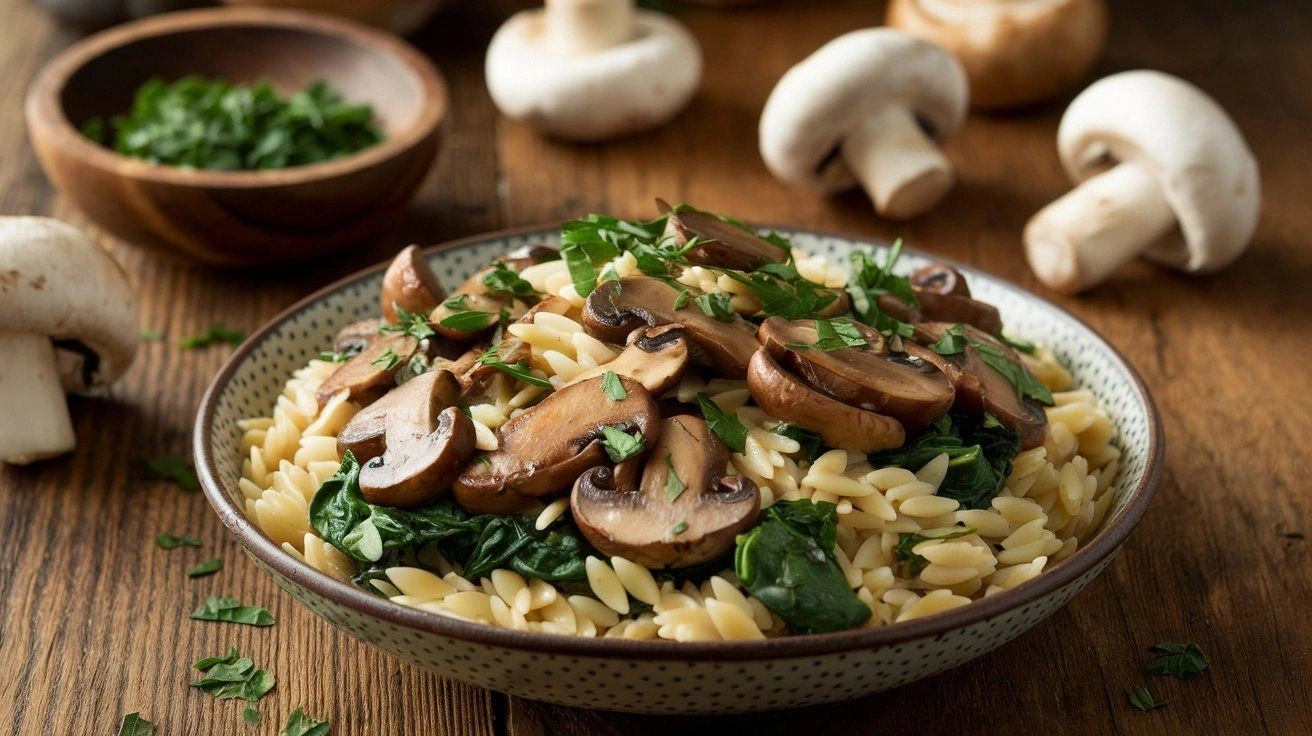
- Step 8: Serve and enjoy. Plate the orzo hot, spooning the sauce over the top. Garnish with a sprinkle of fresh parsley or a few cracked black peppercorns for an extra pop. The dish should look like a vibrant green and golden swirl, inviting you to dig in. Watch Out: if the sauce is too thick, add a splash of broth to loosen it; if too thin, let it simmer a bit longer. The final result should be creamy, savory, and utterly comforting.
That’s it — you did it. But hold on, I've got a few more tricks that'll take this to another level.
Insider Tricks for Flawless Results
The Temperature Rule Nobody Follows
Many cooks think the sauce should be a rolling boil, but a gentle simmer is the key. A high heat can scorch the cream, giving it a sour taste. Keep the flame low once you add the cream, and let it bubble lightly for a minute. This allows the flavors to meld without breaking the emulsion. I’ve seen people double the cooking time just to get the right consistency, and that’s a waste of time.
Why Your Nose Knows Best
Before you taste the sauce, sniff it. If it smells like burnt onions, you’re over‑cooking. A fresh, herbal scent indicates the thyme is doing its job. Your nose can catch subtle shifts in flavor that your eyes might miss. Trust it, and adjust seasoning accordingly. It’s a small step that can save the dish from becoming bland.
The 5‑Minute Rest That Changes Everything
After you finish cooking, let the dish rest for five minutes off the heat. This rest period allows the orzo to absorb the remaining liquid, making each bite more cohesive. It also gives the flavors a chance to settle, resulting in a smoother sauce. Many people skip this step, leading to a watery, under‑seasoned dish. Trust me, a few minutes of rest is worth the extra time.
Keep the Mushrooms Moist, Not Dry
If you’re using fresh mushrooms, avoid over‑crowding the pan. Too many mushrooms will release too much liquid, making the dish soggy. Cook them in batches if necessary, letting each batch sear before adding the next. This ensures each slice gets a golden crust. The result is a juicy bite that contrasts beautifully with the silky sauce.
The Lemon Twist
A splash of lemon juice at the end brightens the dish, cutting through the richness of the cream. If you’re feeling adventurous, add a teaspoon of lemon zest for an even more pronounced citrus note. The zest brings a bright, aromatic quality that elevates the entire dish. Some people fear that lemon will curdle the sauce, but a small amount is safe and adds a refreshing finish.
The Parmesan Finale
Grated Parmesan should be added at the very end, just before serving. This prevents the cheese from clumping or melting into the sauce too early. The Parmesan adds a nutty, umami depth that balances the cream. If you prefer a dairy‑free option, sprinkle nutritional yeast instead; it provides a cheesy flavor without the dairy.
Creative Twists and Variations
This recipe is a playground. Here are some of my favorite ways to switch things up:
The Smoky Chipotle Kick
Add a teaspoon of chipotle powder to the sauce for a smoky heat that pairs well with the earthy mushrooms. The chipotle also gives the dish a subtle dark hue, making it visually striking. This variation works especially well if you’re serving the dish with a side of cilantro‑lime rice.
The Mediterranean Medley
Swap the thyme for oregano and add a handful of sun‑dried tomatoes. The tomatoes bring a sweet tang that complements the cream. Finish with a drizzle of olive oil and a sprinkle of feta cheese for a Mediterranean twist.
The Autumn Harvest
Incorporate diced butternut squash and a pinch of sage. The squash adds a natural sweetness that pairs beautifully with the mushrooms. This version is perfect for cooler evenings when you crave something comforting.
The Vegan Velvet
Replace the heavy cream with coconut milk and use a vegan Parmesan substitute. Swap the broth for vegetable stock. This variation keeps the dish creamy and rich while being plant‑based. The coconut adds a subtle sweetness that balances the savory notes.
The Protein Power
Add grilled chicken or sautéed tofu cubes to the dish. The protein boosts the meal’s heartiness, making it a satisfying main course. Toss the protein in with the orzo during the final simmer so it absorbs the sauce.
The Nutty Crunch
Top the finished dish with toasted pine nuts or chopped walnuts. The nuts add a delightful crunch and a nutty flavor that contrasts with the creamy sauce. This final touch is perfect for a sophisticated dinner party.
Storing and Bringing It Back to Life
Fridge Storage
Cool the dish completely before transferring it to an airtight container. Store it in the refrigerator for up to 3 days. The orzo will stay tender, and the sauce will thicken slightly, creating an even richer flavor. When you’re ready to eat, reheat gently on the stove with a splash of broth to restore creaminess.
Freezer Friendly
For longer storage, freeze the dish in a freezer‑safe container for up to 2 months. Thaw overnight in the refrigerator before reheating. Add a splash of water or broth to loosen the sauce, and heat over low heat, stirring constantly. Freezing preserves the flavors, so the dish tastes almost as fresh as when it was first made.
Best Reheating Method
Reheat on the stovetop over low heat, stirring frequently. Add a tiny splash of water or broth to prevent the sauce from drying out. Heat until the dish is steaming hot, about 5–7 minutes. The key is to keep the temperature gentle to avoid curdling the cream. Finish with a drizzle of olive oil for a glossy finish.