Ever find yourself staring at a half‑cooked sweet potato, wondering if the kitchen disaster you’re about to unleash could ever be salvaged? That was me last Thursday, after a misguided attempt to turn a humble orange tuber into toast by simply baking it whole. I had sliced it into thick rounds, drizzled a touch of olive oil, and set it on the counter, thinking the heat of the oven would do the rest. Instead, I ended up with a soggy, unevenly browned slab that smelled like burnt sugar. I laughed, sighed, and vowed to find a better way.
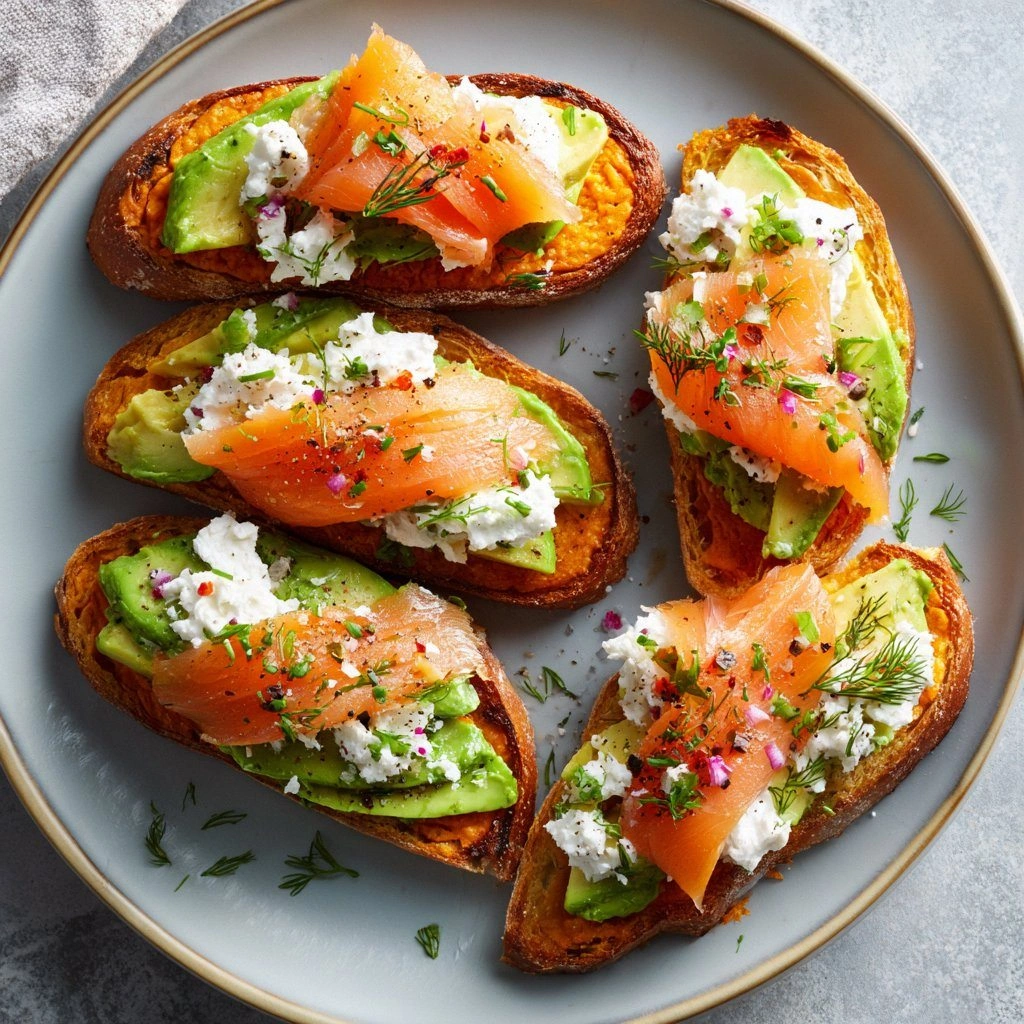
Fast forward to today, and I’ve discovered a version of sweet potato toast that’s nothing short of revolutionary. Picture a crisp, caramelized sweet potato slice that’s as sturdy as a slice of bread, topped with creamy avocado, silky smoked salmon, a dollop of tangy cottage cheese, and a sprinkle of microgreens. The combination of textures—crunchy, smooth, and silky—creates a mouthfeel that feels like a hug in every bite. The flavors dance: the natural sweetness of the potato, the buttery richness of avocado, the briny punch of salmon, and the mild, milky tang of cottage cheese, all balanced by a splash of lemon and a pinch of dill.
This isn’t just another “healthy” breakfast; it’s a culinary revelation that turns a simple pantry staple into a showstopper. The secret sauce? A quick, precise technique that ensures the potato slices stay firm, the avocado remains buttery, and the smoked salmon doesn’t slide off. I’m talking about a method that even the most kitchen‑naïve can master, but that delivers a result that will make your taste buds do the salsa.
And here’s the kicker: I’ve tucked in a twist that most people overlook—using a little bit of capers and a splash of white wine vinegar to brighten the entire plate. It’s a subtle lift that brings the flavors together like a well‑orchestrated symphony. So, buckle up, because I’m about to walk you through every single step. By the end, you’ll wonder how you ever made it any other way.
What Makes This Version Stand Out
- Taste: The balance of natural sweetness and briny smokiness creates a flavor profile that’s both comforting and exciting. The lemon zest adds a citrusy lift that cuts through the richness.
- Texture: Crisp edges that crackle like thin ice meet a creamy center that melts in your mouth. The microgreens add a fresh crunch that’s almost like a salad.
- Ingredient Quality: Fresh, high‑grade smoked salmon and ripe, buttery avocados are the backbone of this dish. The cottage cheese is a silky, low‑fat alternative to heavy cream.
- Visual Appeal: The vibrant green of the avocado, the pinkish hue of the salmon, and the bright white cottage cheese create a plate that looks as good as it tastes.
- Make‑ahead Potential: The base sweet potato toast can be pre‑baked and stored in the fridge, while the toppings are assembled just before serving.
- Speed: The entire process from prep to plate takes less than 30 minutes, making it perfect for busy mornings.
Inside the Ingredient List
The Flavor Base
At the heart of this dish lies the sweet potato itself. The natural sugars caramelize during roasting, creating a subtle sweetness that pairs beautifully with the savory toppings. If you skip the sweet potato, you lose the foundational flavor and the satisfying crunch that gives the toast its character. A small tip: choose medium‑sized sweet potatoes that are firm yet have a slight give when pressed—this ensures a uniform slice thickness.
The Texture Crew
Avocado is the creamy counterpoint to the crisp potato. Its buttery consistency melts on the tongue, providing a silky contrast to the crunchy edges. If you’re not a fan of avocado, you can substitute with a light spread of Greek yogurt or a thin layer of hummus for a different mouthfeel. When selecting avocado, look for one that yields slightly to gentle pressure; this guarantees a smooth, spreadable texture.
The Unexpected Star
Smoked salmon adds a depth of flavor that is both luxurious and comforting. The smokiness lingers on the palate, elevating the dish from simple to gourmet. If you’re avoiding fish, thin slices of smoked turkey or a drizzle of pesto can deliver a similar umami kick. Keep the salmon chilled until just before assembly to maintain its delicate texture.
The Final Flourish
Cottage cheese, with its mild tang and fluffy texture, ties all the elements together. It acts as a creamy bridge between the avocado and salmon, while its slight acidity balances the sweetness of the potato. For a dairy‑free option, try a creamy cashew spread or a vegan ricotta. A pinch of dill, a squeeze of lemon juice, and a dash of capers finish the dish with bright, aromatic notes.
Everything's prepped? Good. Let's get into the real action...
The Method — Step by Step
- Preheat your oven to 425°F (220°C). Wash the sweet potatoes thoroughly and pat them dry. Slice them into ½‑inch thick rounds, ensuring each slice is uniform for even cooking. Place the slices on a parchment‑lined baking sheet and drizzle lightly with olive oil, then sprinkle with a pinch of sea salt. The oil helps the edges crisp up, while the salt enhances the natural sweetness.
- Roast the sweet potato slices for 12–15 minutes, flipping halfway through. The goal is a golden brown crust with a tender center. Keep an eye on them—over‑roasting will make them mushy. When done, let them cool for a minute so they’re easier to handle.
- While the potatoes are still warm, mash the avocado in a bowl with a fork until it’s creamy but still has a few lumps. Add a squeeze of fresh lemon juice, a pinch of salt, and a dash of freshly ground black pepper. The lemon not only adds brightness but also helps keep the avocado from browning.
- Spread a generous layer of avocado onto each sweet potato slice. The avocado should cover the surface evenly, creating a smooth base for the toppings.
- Arrange thin slices of smoked salmon over the avocado, letting the natural fat of the salmon melt into the creamy spread. The salmon should be laid flat, not folded, to maximize the surface area.
- Spoon dollops of cottage cheese over the salmon. The cottage cheese adds a cool, tangy contrast to the warm potato and rich salmon. If you prefer a vegan option, use a creamy cashew spread instead.
- Finish each toast with a sprinkle of fresh dill, a few capers, and a drizzle of white wine vinegar. The dill adds herbal freshness, while the capers bring a briny pop that cuts through the richness.
- Garnish with microgreens or chopped chives for a pop of color and extra crunch. Plate the toasts on a warm dish to keep them from cooling too quickly.
That’s it — you did it. But hold on, I've got a few more tricks that'll take this to another level...
Insider Tricks for Flawless Results
The Temperature Rule Nobody Follows
Many people bake sweet potato slices at a lower temperature, which often results in a soggy center. I’ve learned that roasting at 425°F (220°C) gives that coveted caramelized crust while keeping the inside tender. Keep the oven rack in the middle so the slices bake evenly on all sides.
Why Your Nose Knows Best
When the sweet potatoes finish roasting, they’ll emit a sweet, caramelized aroma that’s almost irresistible. Trust your nose—once you smell that, you know the slices are ready to be plated. If the scent feels more like burnt sugar, give them a few more minutes.
The 5-Minute Rest That Changes Everything
Letting the sweet potato slices rest for 5 minutes after removing them from the oven allows the steam to escape and the crust to set. This small pause ensures the toasts stay crisp and don’t become soggy when you add the toppings.
Microgreens Matter
Microgreens add a peppery bite and a pop of color. They’re also packed with nutrients, making this dish a powerhouse for a quick breakfast or brunch. If you can’t find them, chopped fresh parsley or cilantro works as a decent substitute.
Capers as the Final Touch
Capers bring a salty, briny punch that balances the sweetness of the potato and the creaminess of the avocado. Use them sparingly; a few are enough to elevate the dish without overpowering the other flavors.
Creative Twists and Variations
This recipe is a playground. Here are some of my favorite ways to switch things up:
Breakfast Burrito Sweet Potato Toast
Swap smoked salmon for scrambled eggs and add a dash of salsa. Sprinkle shredded cheddar cheese and finish with a drizzle of hot sauce for a breakfast burrito vibe.
Vegan Delight
Replace cottage cheese with a vegan ricotta made from blended cashews and lemon juice. Use smoked tofu slices instead of salmon for a plant‑based protein hit.
Spicy Thai Twist
Add sliced red chili, a splash of fish sauce, and a sprinkle of chopped peanuts. The result is a sweet, spicy, and nutty flavor profile reminiscent of Thai street food.
BBQ Bacon & Avocado
Crumbled crispy bacon replaces smoked salmon. Drizzle a little BBQ sauce over the avocado for a smoky, tangy finish.
Herb Garden
Use a mix of fresh herbs—rosemary, thyme, and basil—in place of dill. This creates an aromatic, herbaceous flavor that pairs wonderfully with the sweet potato.
Berry Burst
Top the toast with fresh blueberries and a light drizzle of honey. The berries add a tart sweetness that balances the savory elements.
Storing and Bringing It Back to Life
Fridge Storage
Store the pre‑roasted sweet potato slices in an airtight container in the refrigerator for up to 3 days. Keep the toppings separate until you’re ready to assemble to prevent the avocado from browning.
Freezer Friendly
Sweet potato slices can be frozen for up to 2 weeks. Lay them flat on a parchment sheet, freeze until solid, then transfer to a freezer bag. Reheat in a toaster or oven at 350°F (175°C) for 5 minutes.
Best Reheating Method
To revive the crispness, place the toast on a preheated skillet over medium heat for 1–2 minutes on each side. Add a splash of water before reheating to create steam, then cover for 30 seconds. This technique restores the toasty texture while keeping the toppings fresh.