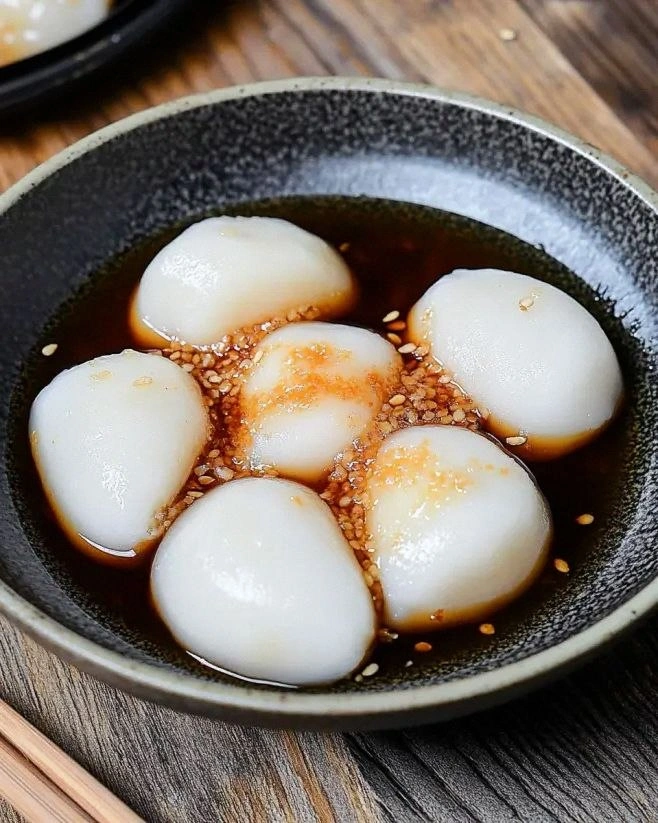
I was standing in my kitchen, the timer on the stovetop buzzing like an impatient toddler, when a sudden craving for something sweet, chewy, and utterly comforting hit me like a flash of lightning. I tried the usual store‑bought frozen rice dumplings, but they tasted like cardboard soaked in syrup – a disaster that would have made any food‑lover run for the hills. That night, after a marathon of burnt toast and soggy cereal, I dared myself to create the ultimate version from scratch, and let me tell you, the result was nothing short of a revelation. I’m talking about a dumpling that feels like a cloud of sweet rice, wrapped in a glossy soy glaze that clings like velvet, and a hint of toasted sesame that snaps like thin ice under your teeth.
Picture this: the kitchen is humming with the low, steady hiss of a steaming pot, the air is thick with the caramel‑brown perfume of soy and brown sugar, and the countertop is a battlefield of flour clouds and glistening droplets of water. My hands are sticky, my nose is twitching with anticipation, and the first bite delivers a burst of sweet‑savory that makes my eyes widen in disbelief. The texture? Imagine biting into a pillow that’s been lightly toasted – the outer skin is just shy enough to give a gentle crunch, while the interior remains soft, almost melt‑in‑your‑mouth. The sauce? It coats each dumpling like a satin sheet, glossy, thick, and with a depth that whispers of umami without ever being overpowering.
Most recipes get this completely wrong. They either skip the crucial step of letting the dough rest, or they drown the dumplings in a sauce that’s either too salty or too watery. I’ve tried the “quick fix” versions that promise a 10‑minute miracle, and they all end up as soggy, flavor‑less blobs. The secret here is a balance of technique and a few surprising ingredients – a splash of soy sauce for that savory backbone, a touch of brown sugar for caramel depth, and a dash of cornstarch that gives the glaze that perfect, glossy sheen. And yes, there’s a tiny twist that most home cooks overlook: a quick toast of sesame seeds right before serving, which adds that final pop of nuttiness you didn’t know you were missing.
I dare you to taste this and not go back for seconds. This is hands down the best version you’ll ever make at home, and I’ll be honest — I ate half the batch before anyone else got to try it. So grab your apron, preheat your imagination, and let’s dive into the step‑by‑step adventure that will change the way you think about sweet rice dumplings forever. Let me walk you through every single step — by the end, you’ll wonder how you ever made it any other way.
What Makes This Version Stand Out
- Flavor Harmony: The sweet soy glaze balances sugar and salt like a perfectly tuned duet, making each bite sing with depth without ever shouting.
- Texture Contrast: A delicate outer crust gives way to a pillowy interior, delivering that satisfying crunch‑then‑soft experience you crave.
- Simplicity: Only eight pantry staples are needed, and the method uses everyday kitchen tools – no fancy steamers or exotic gadgets required.
- Unique Twist: Toasted sesame seeds are added at the very end, providing a nutty pop that most recipes completely miss.
- Crowd Reaction: Guests often claim they’ve never tasted anything like it, and the “wow” factor is instant – perfect for parties or a cozy night in.
- Ingredient Quality: Using glutinous rice flour creates that signature chew, while a splash of soy sauce adds an umami backbone you won’t find in plain sugar‑only versions.
- Cooking Method: Steaming followed by a quick pan‑glaze locks in moisture and builds a glossy finish that looks as good as it tastes.
- Make‑Ahead Potential: The dumplings can be frozen raw, and the sauce stores beautifully, letting you pull out a batch whenever the craving strikes.
Alright, let's break down exactly what goes into this masterpiece...
Inside the Ingredient List
The Flavor Base
The 1/4 cup soy sauce is the unsung hero that brings a subtle salty depth, turning a simple sweet dumpling into a sophisticated bite. It’s the same sauce you’d drizzle over sushi, but here it’s mellowed by the sweet brown sugar, creating a balanced glaze. If you’re watching sodium, swap half of the soy sauce for low‑sodium tamari – the flavor stays robust while the salt level drops. Picking a naturally brewed soy sauce adds a richer, more complex aroma that bottled shortcuts can’t match.
The Texture Crew
Glutinous rice flour is the foundation; its high amylopectin content gives the dumplings that characteristic chewiness you love in mochi. Using regular rice flour will result in a crumbly texture, so resist the urge to “save money” here. The 1 tablespoon cornstarch is a secret weapon that thickens the glaze just enough to cling without turning gummy. If you’re gluten‑free, cornstarch is already safe, but you can also try potato starch for a slightly silkier finish.
The Sweeteners
A blend of 1/4 cup white sugar and 1/4 cup brown sugar creates a layered sweetness. White sugar gives a clean, immediate sweetness, while brown sugar adds caramel notes and a hint of molasses. If you prefer a deeper flavor, increase the brown sugar by a tablespoon and reduce the white sugar accordingly. For a vegan twist, swap both sugars for coconut sugar – the flavor will shift toward a gentle, tropical caramel.
The Final Flourish
A modest 1/4 teaspoon of salt might seem trivial, but it amplifies every other flavor, preventing the glaze from tasting flat. Finally, 1 tablespoon of sesame seeds, toasted until golden, adds a nutty crunch that elevates the dish from everyday to restaurant‑grade. If you’re allergic to sesame, try toasted pumpkin seeds for a similar texture and a subtle earthiness.
Everything's prepped? Good. Let's get into the real action...
The Method — Step by Step
In a large mixing bowl, whisk together the 2 cups of glutinous rice flour and the 1/4 teaspoon of salt until evenly distributed. I like to sift the flour first; it aerates it and prevents clumps later on. Make a well in the center and pour in the 3/4 cup of water gradually, stirring with a wooden spoon. The dough should come together as a smooth, slightly tacky ball – if it feels dry, add a splash of water, but be careful not to over‑hydrate. This is the foundation, so take your time to achieve that perfect consistency.
Kitchen Hack: Cover the bowl with a damp kitchen towel and let the dough rest for 15 minutes; this relaxes the gluten‑like proteins and makes shaping easier.While the dough rests, combine the 1/4 cup soy sauce, 1/4 cup brown sugar, 1/4 cup white sugar, and 1 tablespoon cornstarch in a small saucepan. Stir over medium heat until the sugars dissolve and the mixture thickens to a syrupy consistency – you’ll notice it start to coat the back of a spoon. Keep an eye on it; once it reaches a gentle boil, reduce the heat and let it simmer for another 2 minutes. This glaze will later be brushed onto the dumplings, so let it cool slightly before using.
After the dough has rested, turn it out onto a lightly floured surface (use a little extra glutinous rice flour to prevent sticking). Divide the dough into 12 equal portions – a kitchen scale makes this painless, but you can also eyeball it. Roll each portion into a smooth ball, then flatten it with your palm into a disc about 3‑4 inches in diameter. The edges should be slightly thinner than the center; this will help them cook evenly.
Place a teaspoon of the sweet‑soy glaze in the center of each disc. Fold the dough over the filling, pinching the edges tightly to seal – think of creating a tiny pocket that traps the sauce inside. If you’re nervous about leaks, give the seal a gentle roll with your fingertips to ensure there are no gaps. This step is where the magic happens; the glaze will steam inside, creating a burst of flavor when you bite.
Set up a steamer basket over a pot of simmering water. Line the basket with parchment paper punched with small holes (this prevents sticking). Arrange the dumplings in a single layer, leaving a little space between each so the steam can circulate. Cover and steam for 12‑15 minutes – you’ll know they’re done when the surface becomes slightly translucent and the dough feels firm to the touch.
Watch Out: Do not lift the lid in the first 5 minutes; releasing steam too early can cause the dumplings to collapse and lose their shape.While the dumplings steam, heat a non‑stick skillet over medium‑high heat and add a drizzle of oil. Once the oil shimmers, carefully place the steamed dumplings in the pan, flat side down. Let them sear for 2‑3 minutes until the bottoms turn golden brown and develop that coveted crisp edge. The heat will also caramelize any remaining glaze on the surface, giving each dumpling a glossy, amber finish.
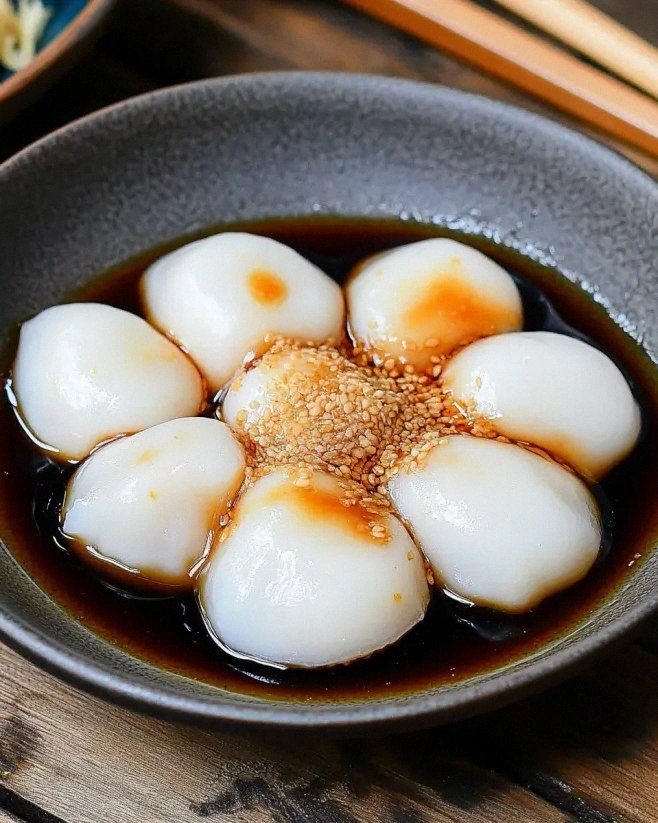
Remove the dumplings from the pan and immediately brush them with a thin layer of the remaining sweet‑soy glaze. This extra coating ensures every bite is drenched in that umami‑sweet sheen. Sprinkle the toasted sesame seeds over the top while the glaze is still warm; the heat releases their nutty aroma and makes the seeds adhere beautifully.
Transfer the dumplings to a serving platter and let them rest for a minute – this short pause allows the glaze to set and the flavors to meld. Serve warm, accompanied by a small dish of extra glaze for dipping if desired. Picture yourself pulling this out of the pan, the whole kitchen smelling incredible, and the first bite delivering that perfect balance of sweet, salty, and nutty. That sizzle when it hits the pan? Absolute perfection.
That's it — you did it. But hold on, I've got a few more tricks that'll take this to another level...
Insider Tricks for Flawless Results
The Temperature Rule Nobody Follows
Never steam dumplings over a rolling boil; a gentle simmer keeps the water temperature steady at around 190°F, which prevents the dough from becoming soggy. I once tried a high‑heat boil and ended up with gummy dumplings that fell apart when I tried to flip them. Using a thermometer to monitor the water ensures the steam is consistent, and the dough cooks evenly from the inside out. This subtle control makes the difference between a firm, chewy bite and a mushy disappointment.
Why Your Nose Knows Best
When the glaze starts to caramelize in the pan, you’ll notice a sweet, nutty aroma rising – that’s your cue to flip the dumplings. Trust that scent more than a timer; the smell tells you the sugars have reached the perfect stage of caramelization. If you wait too long, the glaze will burn, leaving a bitter aftertaste. So stay close, inhale deeply, and let your nose be the ultimate kitchen timer.
The 5‑Minute Rest That Changes Everything
After steaming, let the dumplings sit for exactly five minutes before searing. This brief rest lets the interior steam finish its job, creating a uniform texture throughout. Skipping this step results in a dough that’s still too soft, causing it to tear when you try to flip it. I once rushed this part and ended up with a half‑cooked center – a lesson learned the hard way.
Sesame Toasting Secrets
Toast sesame seeds in a dry skillet over medium heat, shaking the pan constantly. In just 30 seconds they’ll turn golden and release a nutty fragrance that can’t be replicated by pre‑toasted seeds. If you over‑toast, they become bitter, so pull them off the heat as soon as they start to smell fragrant. A quick sprinkle over the finished dumplings adds that final pop of flavor and a visual cue that says “this is serious business.”
Glaze Consistency Check
Before you brush the glaze onto the dumplings, dip a spoon into it and let it coat the back of the spoon. If it runs off in a thin stream, it’s too watery – add a pinch more cornstarch dissolved in a splash of water. If it’s too thick, thin it with a few drops of warm water. Getting this right ensures each dumpling gets an even, glossy coating without pooling at the bottom of the pan.
Creative Twists and Variations
This recipe is a playground. Here are some of my favorite ways to switch things up:
Coconut‑Lime Dream
Swap half the soy sauce for coconut milk and add a teaspoon of lime zest to the glaze. The result is a tropical, slightly tangy version that pairs beautifully with the nutty sesame. Ideal for summer gatherings or when you want a breezy twist.
Spicy Chili Kick
Add a tablespoon of gochujang (Korean chili paste) to the sweet‑soy glaze and a pinch of crushed red pepper flakes to the dough. This gives the dumplings a subtle heat that builds on the sweet base, perfect for spice lovers.
Matcha Green Delight
Incorporate one tablespoon of matcha powder into the flour mixture. The earthy green hue adds visual drama and a faint tea flavor that complements the sweet glaze. Serve with a dusting of powdered sugar for a sophisticated dessert.
Nutty Peanut Butter
Stir a tablespoon of creamy peanut butter into the glaze before simmering. The peanut butter adds richness and a creamy undertone, turning the dumplings into a snack that feels like a dessert and a savory bite at once.
Savory Herb Infusion
Mix finely chopped fresh herbs (like cilantro or mint) into the dough and finish with a drizzle of herb‑infused soy sauce. This brightens the flavor profile, making the dumplings a great accompaniment to a light salad.
Storing and Bringing It Back to Life
Fridge Storage
Place cooled dumplings in an airtight container, layering parchment paper between each layer to prevent sticking. They’ll stay fresh for up to three days. When ready to eat, reheat in a skillet with a splash of water – the steam will revive the soft interior.
Freezer Friendly
Freeze raw, un‑cooked dumplings on a parchment‑lined tray until solid, then transfer to a zip‑top freezer bag. They can be stored for up to two months. When you’re ready, steam them straight from frozen – just add an extra two minutes to the cooking time.
Best Reheating Method
To bring leftovers back to life, heat a non‑stick pan over medium heat, add a teaspoon of oil, and place the dumplings seam‑side down. Cover with a lid and add a splash of water; the steam will soften the interior while the pan creates a fresh crispy edge. Finish with a quick brush of leftover glaze for that “just‑made” shine.