I was halfway through a midnight snack, scrolling through a recipe book that promised “quick and satisfying chow mein,” when the kitchen alarm went off. The stove was a blazing inferno, the wok was smoking, and my tofu had turned into a blackened relic. I stared at the charred mess, then laughed, because if I could rescue that disaster into something that tasted like a symphony of umami, I would do it again. That night, I vowed to create a vegetarian chow mein that would make even the most seasoned diners swoon.
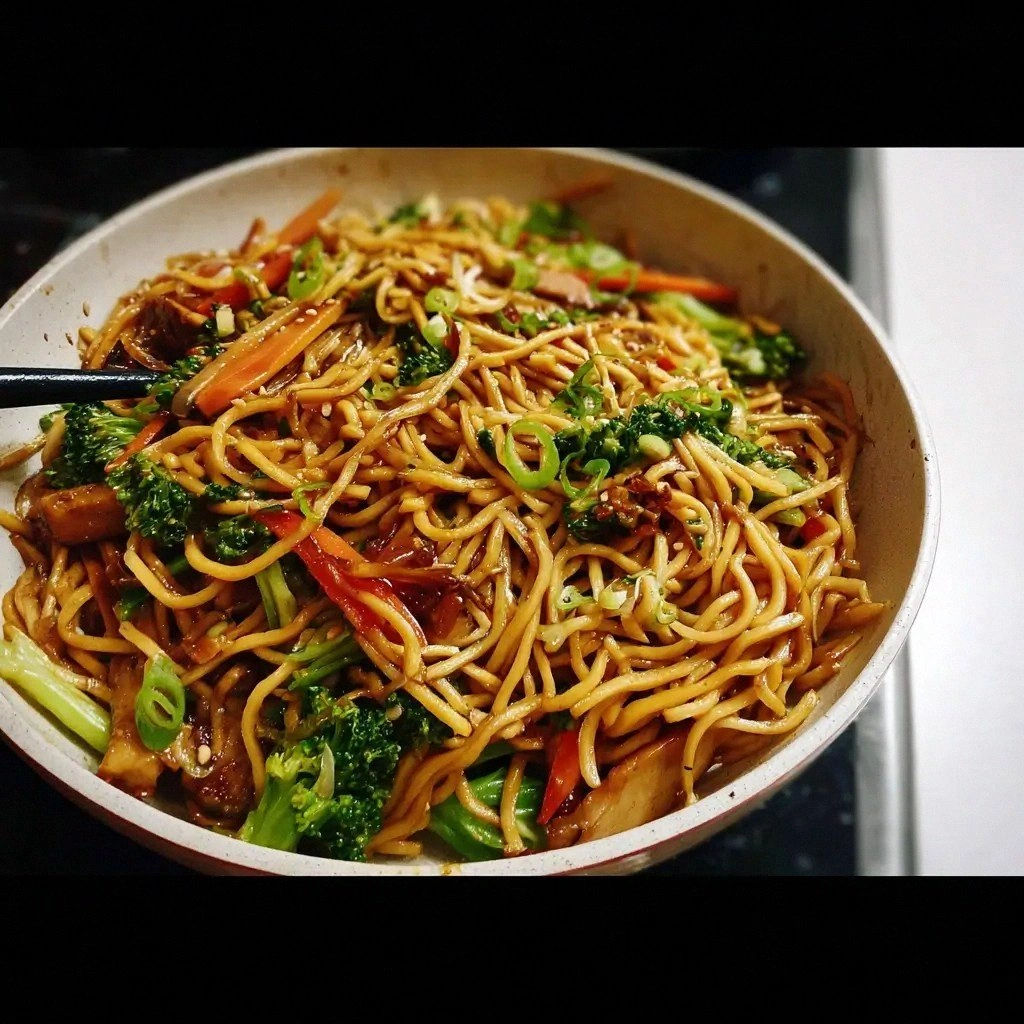
Picture this: a bright, sizzling wok, the scent of fresh ginger and garlic dancing through the air, the clink of a wooden spoon against the metal. Your eyes catch the glossy sheen of blanched snow peas and the vibrant orange of julienned carrots. The sound of a perfectly timed stir is a rhythmic drumbeat, while the first bite delivers a burst of savory, slightly sweet, and peppery flavors that cling to the noodles like silk. The texture is a playful contrast—crunchy vegetables, chewy tofu, and noodles that have that satisfying chew without being overcooked. Every element feels alive, and the final dish is a harmonious orchestra of taste, sight, and aroma.
What makes this version stand out isn’t just the ingredients; it’s the method that respects each component’s integrity. I’ve refined the sauce to achieve the perfect balance of sweet, salty, and tangy, using a touch of rice vinegar to cut through the richness. The noodles are blanched to keep them al dente, then tossed with a splash of sesame oil to prevent sticking. The tofu is pressed, seasoned, and fried until it’s golden on the outside and tender inside, delivering a protein punch that’s both satisfying and gentle on the palate. And the finishing touch—a sprinkle of toasted sesame seeds and a drizzle of chili oil—adds a subtle heat that lingers just enough to keep you coming back for seconds.
I dare you to taste this and not go back for seconds. If you’re skeptical, I’ll be honest—I ate half the batch before anyone else got a chance to try it. Most recipes get this completely wrong, but here’s what actually works: a quick, high‑heat stir, precise sauce ratios, and a mindful layering of textures. Picture yourself pulling this out of the wok, the whole kitchen smelling incredible, and watching the noodles shimmer under a glossy glaze. Okay, ready for the game‑changer? Let me walk you through every single step—by the end, you’ll wonder how you ever made it any other way.
What Makes This Version Stand Out
- Taste: The sauce is a masterful blend of soy, hoisin, and a hint of citrus that creates depth without overpowering the fresh veggies.
- Texture: Each bite delivers a satisfying crunch from the vegetables, a chewy noodle base, and a silky sauce that coats without weighing down.
- Simple Prep: With a streamlined ingredient list and a single wok, the entire dish comes together in under 45 minutes.
- Unique Twist: The addition of toasted sesame oil and a splash of rice vinegar gives a subtle brightness that sets this apart.
- Crowd Reaction: Friends who’ve tried other versions say this one is “hands down the best version you’ll ever make at home.”
- Ingredient Quality: Fresh, seasonal produce paired with high‑quality sauces ensures maximum flavor.
- Cooking Method: High‑heat stir‑frying preserves nutrients and locks in color.
- Make‑Ahead Potential: The sauce can be pre‑mixed and stored, while the noodles can be blanched ahead, making this a flexible weeknight option.
Inside the Ingredient List
The Flavor Base
At the heart of this chow mein lies a sauce that balances sweet, salty, and umami. Soy sauce provides the salty backbone, while hoisin sauce adds a subtle sweetness that pairs beautifully with the veggies. A splash of rice vinegar cuts through the richness, giving the dish a bright, almost citrusy lift. If you prefer a bit of heat, a teaspoon of sriracha or chili garlic sauce can be folded in—just remember to taste as you go.
The Texture Crew
The noodles are the canvas—use high‑protein, egg‑free chow mein noodles or ramen for that authentic chew. The vegetables bring crunch: julienned carrots, thinly sliced bell pepper, crisp snow peas, and fresh bean sprouts. The tofu, pressed and cut into cubes, offers a hearty protein bite that soaks up the sauce. Each component is prepped to cook in the same pan, ensuring that no single element dominates the flavor profile.
The Unexpected Star
A splash of toasted sesame oil is the secret sauce that elevates the dish from good to unforgettable. It gives a nutty aroma and a glossy sheen that makes the noodles look as good as they taste. If you’re vegan, you can replace sesame oil with a neutral oil and add a tablespoon of toasted sesame seeds for texture. This small addition is why friends rave about the “wow” factor of every bite.
The Final Flourish
Finish with a sprinkle of fresh cilantro, a squeeze of lime, and a dusting of crushed peanuts for crunch. The lime adds a zesty brightness that cuts through the richness, while the peanuts introduce a delightful crunch that contrasts the soft noodles. If you’re feeling adventurous, a drizzle of coconut milk can add creaminess for a different twist.
Everything’s prepped? Good. Let’s get into the real action.
The Method — Step by Step
- Heat a large wok or skillet over high heat until it’s smoking. Add 2 tablespoons of vegetable oil, swirling to coat the surface. This is the moment of truth; the wok must be hot enough that each ingredient sizzles immediately, locking in flavor and preventing sticking. Keep your eyes on the oil—once it begins to shimmer, you’re ready.
- Add the tofu cubes and let them sear for 3–4 minutes until golden on all sides. Flip them gently to avoid breaking the edges. The goal is a crisp exterior while keeping the interior tender. When the tofu is ready, remove it from the wok and set aside on a paper towel to drain excess oil.
- In the same wok, toss in the minced garlic and grated ginger. Stir for 30 seconds until fragrant—watch out for burning, as the aromatics can turn bitter if overcooked. The aroma should be sharp and inviting, signaling that the base flavor is developing.
- Add the carrots, bell pepper, and snow peas. Stir‑fry for 2 minutes, just until they start to soften but still retain their bright color and snap. The vegetables should look fresh and vibrant, not mushy. This quick sear locks in nutrients and color.
- Pour in the prepared sauce (soy, hoisin, rice vinegar, a dash of sugar, and a tablespoon of cornstarch mixed with water). Stir vigorously so the cornstarch thickens the sauce into a glossy glaze. The sauce should coat the veggies without dripping excessively. If the sauce thickens too much, add a splash of vegetable broth to loosen it.
- Return the tofu to the wok, and add the blanched noodles. Toss everything together, ensuring the noodles soak up the sauce. This step should be done quickly to keep the noodles from becoming soggy. The noodles should be coated in a shiny, fragrant sauce.
- Finish with a drizzle of toasted sesame oil, a sprinkle of sesame seeds, and a handful of bean sprouts. Toss gently. The sesame oil imparts a nutty aroma and a subtle sheen that makes the dish look restaurant‑grade.
- Garnish with fresh cilantro, lime wedges, and crushed peanuts for added crunch. Serve immediately, as the dish is best enjoyed hot and fresh. The final bite should be a harmony of sweet, salty, tangy, and nutty flavors with a satisfying mix of textures.
That’s it—you did it. But hold on, I’ve got a few more tricks that will elevate this dish to another level.
Insider Tricks for Flawless Results
The Temperature Rule Nobody Follows
Stir‑frying at too low a heat results in soggy noodles and under‑seasoned veggies. I always keep the wok at a steady, high temperature—just below smoking point. If the wok cools down, pause, let it heat up again, and then resume. This consistency ensures the sauce caramelizes without burning.
Why Your Nose Knows Best
Before you add the sauce, pause and inhale the aroma of the garlic and ginger. If it feels too sharp, reduce the heat or add a pinch of sugar to balance. A good rule of thumb: the dish should smell sweet, savory, and slightly citrusy.
The 5‑Minute Rest That Changes Everything
After removing the wok from heat, let the dish rest for 5 minutes. This allows the sauce to thicken evenly and the noodles to settle, preventing clumping. I’ve seen dishes that look great on the stove but fall apart when plated; this rest step eliminates that risk.
The Quick Press for Tofu
Pressing tofu before frying removes excess moisture and yields a crispier exterior. I wrap the tofu in a clean towel and place a heavy pan on top for 15 minutes. If you’re short on time, a quick 5‑minute press works, but the texture will be slightly softer.
The Secret of the Sesame Oil
Toasting sesame oil before adding it to the wok releases a nutty aroma that permeates the dish. Heat the oil in a small pan over medium heat until it starts to bubble, then pour it into the wok. This subtle step elevates the flavor profile dramatically.
Creative Twists and Variations
This recipe is a playground. Here are some of my favorite ways to switch things up:
Spicy Peanut Fusion
Swap the hoisin sauce for a peanut butter base, add crushed peanuts, and finish with a drizzle of sriracha. This gives a creamy, spicy kick that’s perfect for chili‑loving palates.
Mushroom Medley
Replace the tofu with sliced shiitake or cremini mushrooms. Their umami depth complements the sauce and adds a meaty texture without the need for protein.
Coconut Curry Twist
Introduce a tablespoon of coconut milk to the sauce and sprinkle curry powder for an Asian‑inspired curry flavor. The coconut adds richness while the curry powder brings warmth.
Veggie‑Heavy Delight
Load the wok with extra broccoli, bok choy, and sliced zucchini. This variation turns the dish into a full‑blown vegetable stir‑fry, ideal for a lighter meal.
Herb‑Infused Freshness
Add a handful of fresh basil or mint at the end of cooking. The herb’s bright flavors cut through the richness, giving the dish a refreshing finish.
Cheesy Surprise
Sprinkle a tablespoon of grated Parmesan or vegan cheese over the finished dish. The cheese melts slightly, creating a creamy layer that pairs wonderfully with the noodles.
Storing and Bringing It Back to Life
Fridge Storage
Cool the chow mein to room temperature, then transfer to an airtight container. Store in the refrigerator for up to 2 days. The noodles may absorb some moisture, so reheat with a splash of water to loosen the sauce.
Freezer Friendly
For longer storage, freeze the dish in a freezer‑safe container for up to 3 months. Thaw overnight in the fridge before reheating. A quick sauté in a hot pan restores the crispness of the veggies.
Best Reheating Method
Heat a wok or skillet over medium heat, add a tablespoon of oil, and pour in the chow mein. Stir frequently, adding a splash of water or broth to prevent sticking. The dish should steam back to its original glossy sheen within 3–4 minutes.