I was halfway through a midnight snack, scrolling through endless Pinterest boards, when the kitchen lights flickered and a bell pepper screamed in a bright, stubborn orange hue. That moment felt like a culinary crime scene, and I knew I had to turn that lone pepper into something worthy of a Michelin review. So I rolled up my sleeves, grabbed my trusty skillet, and decided that tonight’s masterpiece would be a Vegetarian Stuffed Bell Pepper that would make even the most seasoned foodie gasp.
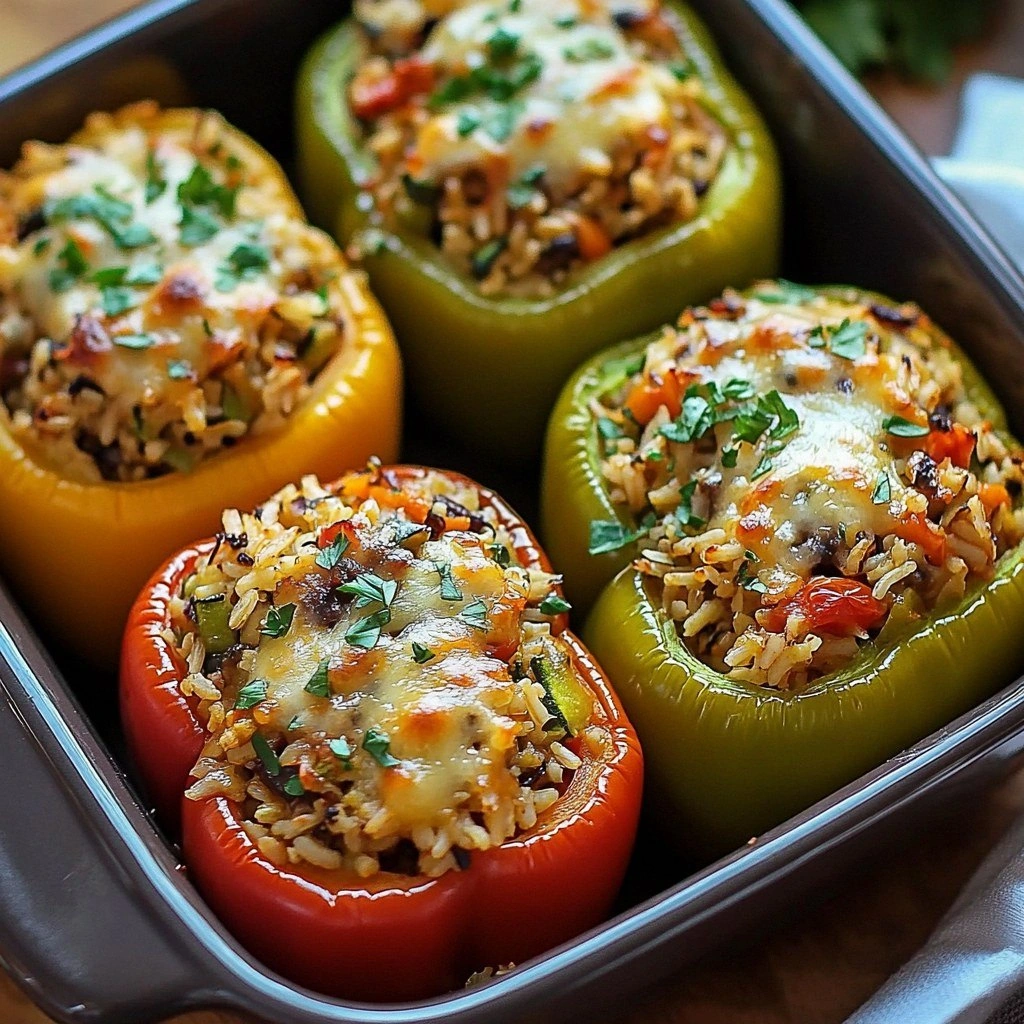
Picture this: you slice the pepper, the aroma of fresh bell pepper hits you like a splash of citrus, and the sizzling sound from the pan turns into a soundtrack of anticipation. The pepper’s skin, once rigid, now softens with each gentle stir, releasing a caramelized perfume that mingles with cumin and paprika. Your eyes follow the golden edges forming, the rice inside glistening like a miniature sunrise, and the cheese bubbling into a creamy waterfall that promises indulgence without the guilt.
What sets this version apart is that it doesn’t just fill a cavity; it transforms the entire experience into a symphony of textures and flavors. The stuffing is a harmony of hearty black beans, sweet corn, and tomato chunks that dance together like a salsa troupe. The pepper’s skin becomes a crisp, caramelized jacket that gives a satisfying snap with every bite, while the inside remains moist and comforting. It’s the kind of dish that makes you say, “I dare you to taste this and not go back for seconds.”
And here’s the kicker: I’ve discovered a secret ingredient that most recipes overlook—a splash of fresh lime juice added at the very end of cooking. This simple twist brightens the entire dish, turning it from a comforting staple into a vibrant, palate-pleasing triumph. I promise you, by the time you’re done, you’ll wonder how you ever cooked stuffed peppers any other way.
Let me walk you through every single step—by the end, you’ll wonder how you ever made it any other way.
What Makes This Version Stand Out
- Flavor Depth: The blend of cumin, paprika, and a hint of chili powder creates a smoky, earthy base that anchors the dish while allowing the fresh ingredients to shine. This combination is what makes the pepper sing.
- Texture Contrast: The crisp outer skin of the pepper contrasts beautifully with the tender, creamy stuffing, giving each bite a dynamic mouthfeel that keeps you guessing.
- Ingredient Quality: Using organic bell peppers and fresh, hand‑picked tomatoes elevates the dish from ordinary to extraordinary, ensuring every bite is bursting with real flavor.
- Simple Prep: The recipe requires no pre‑cooked grains or complex sauces—just a handful of pantry staples and a few minutes of prep work.
- Make‑Ahead Friendly: The stuffed peppers can be assembled ahead of time and baked later, making it a stress‑free option for busy weeknights.
- Vibrant Presentation: The colorful peppers, speckled with green cilantro and bright lime wedges, look like a rainbow on a plate, making it a crowd‑pleaser at any gathering.
- Health‑Friendly: Packed with fiber from beans and vegetables, the dish offers a balanced meal that’s low in saturated fat and high in plant protein.
- Budget‑Friendly: Despite its gourmet feel, the recipe stays inexpensive thanks to the use of pantry staples and seasonal produce.
Alright, let's break down exactly what goes into this masterpiece...
Inside the Ingredient List
The Flavor Base
The foundation of this dish starts with the sautéed onions and garlic. When you cook them until they’re translucent, they release a sweet, aromatic base that carries the spices. If you skip this step, the dish will taste flat and the spices won’t meld properly. Swap the onions for shallots if you want a milder, sweeter profile, but keep the garlic for that essential depth.
Cumin is the star spice here, adding a warm, earthy undertone that grounds the bright flavors. A pinch of smoked paprika enhances the smoky quality without overwhelming the dish. If you’re not a fan of paprika, you can substitute it with a mild chili powder, but the smokiness will be slightly reduced.
A splash of tomato paste during the sauté phase thickens the sauce and adds a subtle umami punch. This step is optional; if you prefer a lighter sauce, use a small amount of vegetable broth instead. The key is to let the tomato paste caramelize for a minute to unlock its full flavor potential.
The Texture Crew
Rice provides the bulk of the stuffing, giving it a comforting, familiar base. Use short‑grain rice for a slightly sticky texture that clings to the pepper walls, or opt for quinoa for a nuttier, protein‑rich alternative. If you’re in a hurry, pre‑cooked rice or even instant rice will save time without compromising taste.
Black beans bring a creamy, hearty texture that balances the rice’s lightness. They also add a subtle sweetness that complements the corn. If you’re vegan and want a richer flavor, try adding a spoonful of black bean puree to the mix.
Corn kernels offer a pop of sweetness and a pleasant bite that breaks up the softer components. Fresh or frozen corn works well; if using frozen, thaw and drain them to avoid excess moisture. For a smoky twist, use corn on the cob, grilled, and then cut into small pieces.
The Unexpected Star
Fresh lime juice is the secret weapon that lifts the entire dish. Added right before serving, it brightens the flavors and cuts through the richness of the cheese. If you’re not a fan of citrus, a splash of apple cider vinegar can serve as a substitute, though it won’t provide the same freshness.
Cilantro adds a burst of herbaceous freshness that contrasts nicely with the warm spices. If you dislike cilantro, replace it with parsley or a handful of fresh basil for a different aromatic profile. The choice of herb can subtly shift the dish’s overall mood.
The Final Flourish
Shredded cheese, such as Monterey Jack or mozzarella, creates a gooey, melty top that adds indulgence. It also helps bind the stuffing together during baking. If you’re keeping it vegan, substitute with a plant‑based cheese or a sprinkle of nutritional yeast for a cheesy flavor.
Olive oil is used to sauté the aromatics and to lightly coat the peppers before baking, ensuring a crisp, golden skin. A high‑smoke point oil like grapeseed or avocado oil can be used for a subtler flavor. Remember, a little oil goes a long way in preventing sticking and enhancing browning.
Salt and pepper are essential for seasoning, but use them sparingly at first. Taste as you go, and adjust at the end to avoid over‑salting the dish. If you’re sensitive to sodium, a dash of sea salt or a sprinkle of smoked salt can add depth without excess.
Everything's prepped? Good. Let's get into the real action...
The Method — Step by Step
- Preheat your oven to 375°F (190°C). Slice the tops off the bell peppers, carefully scoop out the seeds and membranes, and set the peppers aside. The moment the pepper skins soften in the oven is the first hint that the dish is about to transform.
- Heat 1 tablespoon of olive oil in a large skillet over medium heat. Add the diced onions and cook until they’re translucent, about 3–4 minutes. The onions should release a sweet aroma that signals the base is ready.
- Stir in the minced garlic and cook for an additional 30 seconds, letting it become fragrant. The garlic should not brown; if it does, reduce the heat. This quick burst of garlic infuses the oil with a sharp, bright note.
- Add the cumin, smoked paprika, and a pinch of chili powder. Stir constantly for 1 minute, letting the spices toast slightly. This step unlocks the deep, smoky undertones that will permeate the stuffing.
- Fold in the tomato paste, letting it caramelize for 2 minutes before adding the cooked rice, black beans, corn, and diced tomatoes. The mixture should thicken and develop a glossy sheen. This is where the flavors start to mingle.
- Season the mixture with salt, pepper, and a splash of vegetable broth to keep it moist. Taste and adjust seasoning as needed. The broth should be just enough to bind the stuffing without making it soupy.
- Fill each bell pepper cavity with the stuffing, pressing gently to pack it in. Sprinkle shredded cheese on top of each pepper. The cheese will melt into a golden, bubbly crust.
- Place the stuffed peppers in a baking dish and cover loosely with foil. Bake for 25 minutes, then remove the foil and bake for an additional 10 minutes, or until the peppers are tender and the cheese is melted and slightly browned. The final bake is pure magic.
- Remove the peppers from the oven and let them rest for 5 minutes. This resting period allows the flavors to settle and the cheese to set. It also prevents the peppers from being too hot when you cut into them.
- Squeeze fresh lime juice over the peppers, garnish with chopped cilantro, and serve immediately with lime wedges on the side. The lime’s acidity brightens the dish and creates a lively contrast to the savory stuffing.
That's it — you did it. But hold on, I've got a few more tricks that'll take this to another level...
Insider Tricks for Flawless Results
The Temperature Rule Nobody Follows
Most people bake stuffed peppers at a high temperature, which can scorch the outside while leaving the inside undercooked. I’ve found that baking at 375°F (190°C) and covering the dish with foil for the first 25 minutes preserves moisture and ensures even cooking. If you prefer a crispier top, remove the foil in the last 10 minutes, but keep a close eye to avoid burning.
Why Your Nose Knows Best
During the sauté phase, trust your nose to gauge doneness. When the onions and garlic release a sweet, nutty aroma, the base is ready. This sensory checkpoint saves you from overcooking and keeps the dish bright.
The 5-Minute Rest That Changes Everything
After baking, let the peppers rest for 5 minutes before cutting into them. This brief pause allows the stuffing to set, preventing the cheese from sliding off and giving you clean, neat slices. It also lets the flavors meld for a richer taste.
Cheese Choices Matter
Using a cheese with a high melting point, like Monterey Jack, ensures a gooey, stretchy top that doesn’t become greasy. If you’re looking for a sharper flavor, sprinkle a bit of feta or goat cheese on top after baking for a tangy twist.
The Quick Fresh Herb Trick
Instead of waiting to garnish, chop cilantro or parsley just before serving to keep it vibrant and aromatic. The fresh herbs add a burst of color and a peppery kick that elevates the dish instantly.
Avoiding the “Too Wet” Problem
If your stuffing looks watery, let it sit in a colander for a few minutes to drain excess liquid before filling the peppers. Alternatively, add a teaspoon of cornstarch to the mixture to thicken it slightly. A dry stuffing cooks more evenly and holds together better.
Creative Twists and Variations
This recipe is a playground. Here are some of my favorite ways to switch things up:
Mediterranean Medley
Swap black beans for chickpeas, add chopped kalamata olives, and finish with crumbled feta. The briny olives and salty feta give the dish a distinctly Mediterranean vibe that pairs well with a crisp white wine.
Mexican Fiesta
Replace the rice with cornmeal or use a corn tortilla as a wrapper. Toss in diced jalapeños and a splash of chipotle in adobo for heat. The result is a spicy, smoky pepper that feels like a street‑food taco.
Italian Twist
Use Arborio rice and stir in a handful of sun‑dried tomatoes and fresh basil. Top with grated Parmesan and bake until bubbly. The Italian flavors turn the dish into a comforting risotto‑in‑a‑pepper.
Southwestern Surprise
Add diced sweet potatoes, black beans, and a dash of cumin. Finish with a dollop of guacamole and a sprinkle of cotija cheese. The sweet potato adds a subtle sweetness that balances the spices.
Vegan Delight
Omit the cheese entirely and use a plant‑based cheese alternative or nutritional yeast. Add a splash of soy sauce to deepen the umami flavor. This version keeps the dish dairy‑free without sacrificing richness.
Gluten‑Free Edition
Use quinoa instead of rice and a gluten‑free tortilla wrap if desired. The quinoa adds a nutty flavor and keeps the dish naturally gluten‑free. It’s a great option for those with celiac disease or gluten sensitivity.
Storing and Bringing It Back to Life
Fridge Storage
Store leftover stuffed peppers in an airtight container in the refrigerator for up to 3 days. The peppers will keep their shape, and the filling will stay moist. When ready to eat, reheat in the microwave for 2 minutes or in a skillet until warmed through.
Freezer Friendly
Freeze individually wrapped peppers for up to 2 months. Thaw overnight in the refrigerator before reheating. The texture remains intact, and the flavors develop even more depth.
Best Reheating Method
Reheat in a covered oven at 350°F (175°C) for 10–12 minutes. Add a splash of water or broth to the baking dish to create steam, which keeps the stuffing from drying out. Finish with a fresh squeeze of lime to restore brightness.