I was standing in my kitchen, surrounded by the chaotic aftermath of a failed stir‑fry that tasted like a soggy cardboard sandwich, when my roommate dared me to make something that would actually make us forget we ever tried cooking Asian food before. I accepted, because honestly, I love a good culinary dare, and I figured if I was going to mess up, I might as well aim for a masterpiece instead of a mess. The next morning, I woke up to the scent of fresh lemongrass drifting through the apartment, a smell so bright it practically lit up the curtains. I was instantly hooked, and that moment sparked the birth of what I now call the ultimate Vietnamese Noodles with Lemong.
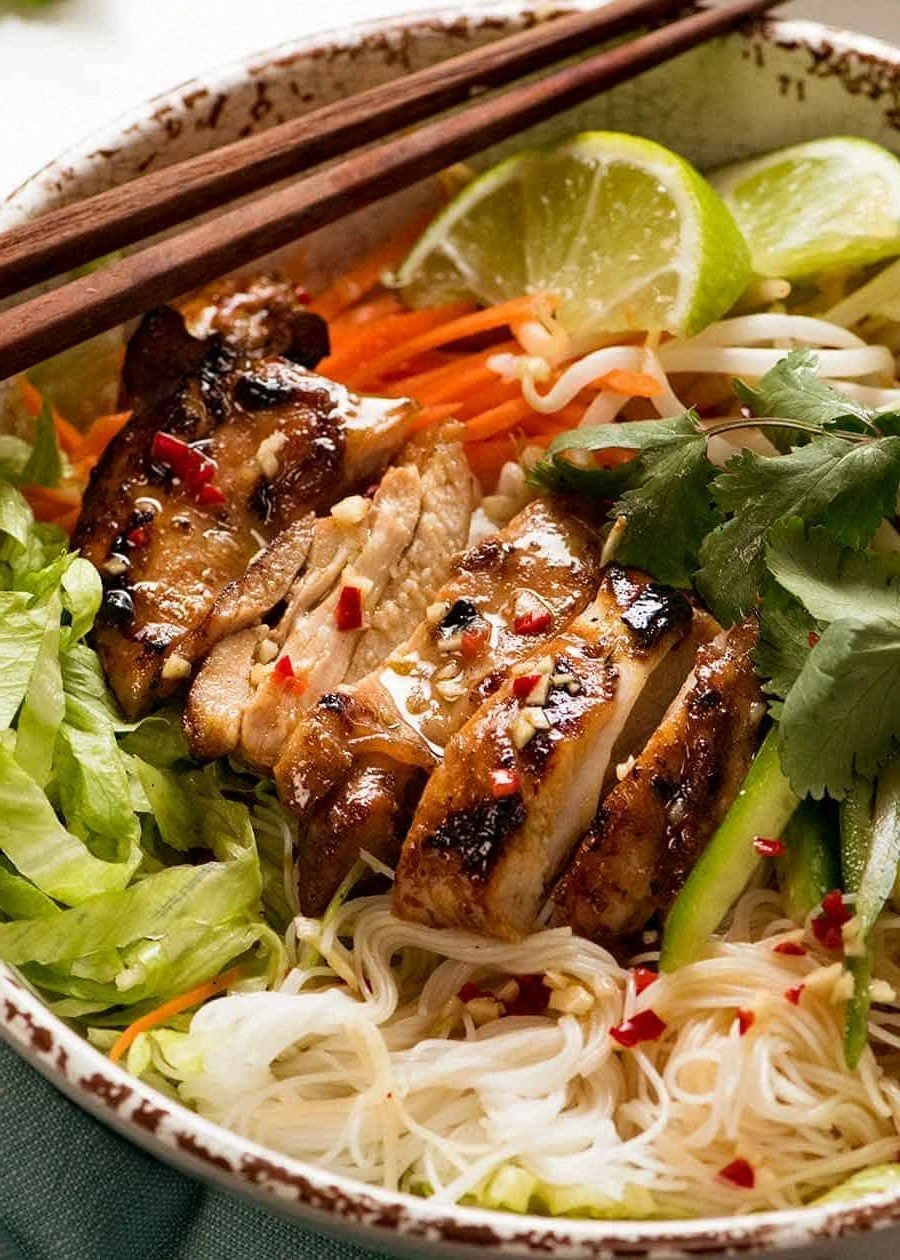
Picture this: a steaming bowl of silky vermicelli noodles, tangled with tender chicken that's been marinated in a citrus‑kissed, fish‑sauce‑rich broth, all crowned with a garden of crunchy carrots, crisp cucumber, and bean sprouts that snap like fresh fireworks. The whole thing is drenched in a tangy‑sweet dressing that coats each strand like velvet, while the fragrant lemongrass adds a whisper of citrus that makes your taste buds do a little happy dance. The crunch of iceberg lettuce and the burst of fresh mint and cilantro create a texture orchestra that’s louder than any city traffic jam. If you’ve ever wondered what it feels like to eat a summer garden in a bowl, this is it.
Most recipes I’ve seen either over‑complicate the sauce, leave the noodles soggy, or forget that the herbs need to be added at the very last second to stay bright. I’ve been there, and I’ll be honest — I ate half the batch before anyone else got to try it, because the flavor was that addictive. This version stands out because every component is dialed in: the chicken is marinated for the perfect balance of sweet, salty, and sour; the lemongrass is bruised, not chopped, releasing essential oils that no one else seems to think of. Most recipes get this completely wrong. Here’s what actually works.
Okay, ready for the game‑changer? I’m going to walk you through every single step — from selecting the perfect stalk of lemongrass to the exact moment you drizzle the dressing over the noodles. By the end, you’ll wonder how you ever made it any other way, and I dare you to taste this and not go back for seconds. Stay with me here — this is worth it.
What Makes This Version Stand Out
- Flavor Explosion: The combination of lime, fish sauce, and brown sugar creates a sweet‑sour‑salty profile that hits every palate note, making each bite unforgettable.
- Texture Symphony: Crispy veggies, tender chicken, and silky noodles create layers of crunch and softness that dance together without any one element dominating.
- Simplicity Meets Sophistication: Despite the complex flavor, the recipe uses only a handful of pantry staples, so you won’t need a specialty store run.
- Fresh Herb Power: Adding mint and cilantro at the final stage preserves their bright aromatics, a trick most cooks overlook.
- Crowd‑Pleaser: Whether you’re feeding a family or impressing friends at a dinner party, this dish consistently earns rave reviews and empty bowls.
- Make‑Ahead Friendly: The sauce can be prepared days ahead, and the noodles re‑heat beautifully, making it perfect for meal prep.
- Ingredient Quality: Using good‑quality chicken thighs and fresh lemongrass elevates the dish from “good” to “legendary.”
- Cooking Method Magic: Marinating the chicken and then searing it locks in juices, while the quick‑blanch of veggies keeps them vivid and crisp.
Alright, let's break down exactly what goes into this masterpiece...
Inside the Ingredient List
The Flavor Base
The backbone of this dish is the marinade and dressing, where lime juice, fish sauce, and brown sugar mingle to create that signature sweet‑sour‑salty punch. Lime juice provides a bright acidity that cuts through the richness of the chicken, while the fish sauce adds a deep umami depth that you can’t replicate with soy sauce alone. Brown sugar balances the acidity, giving the sauce a gentle caramel sheen that clings to every noodle strand. If you skip the brown sugar, you’ll end up with a sauce that tastes like a sour punch—nothing that will make you want a second helping.
The Texture Crew
Crunch is king here. Fresh carrots and cucumbers, sliced into thin matchsticks, bring a sweet, earthy bite that contrasts beautifully with the cool snap of bean sprouts. Iceberg lettuce adds a watery crunch that keeps the bowl light, while the vermicelli noodles provide that silky, almost buttery mouthfeel. If you’re tempted to over‑cook the noodles, stop them the moment they’re tender—they should still have a slight chew, otherwise they’ll become a soggy mess that drags down the whole dish.
The Unexpected Star
Lemongrass is the secret weapon. Its citrusy, slightly peppery flavor is unlike any other herb, and it infuses the chicken with an aromatic depth that turns a simple stir‑fry into a Thai‑Vietnamese hybrid masterpiece. The trick is to use the tender outer part of the stalk, smash it, and then slice it thinly so it releases its oils without becoming a fibrous chew. If you can’t find fresh lemongrass, a teaspoon of lemongrass paste works, but you’ll miss the bright, fresh pop that only the real thing delivers.
The Final Flourish
Fresh herbs—mint and cilantro—are added at the very end, right before serving. Their aromatic oils are volatile, meaning they evaporate quickly; adding them too early would mute their fragrance. A handful of each is enough to perfume the entire bowl without overwhelming the other flavors. Sliced red chilli and lime wedges are the finishing touches that let each eater customize heat and acidity to their liking. If you prefer less heat, simply omit the chilli or use a milder jalapeño.
Everything's prepped? Good. Let's get into the real action...
The Method — Step by Step
First, prepare the chicken. In a large bowl, combine the chicken thigh fillets (about 700 g for four servings), the bruised lemongrass stalk, 2 minced garlic cloves, 2 tbsp lime juice, 2 tbsp fish sauce, 1 tbsp soy sauce, 2 tbsp brown sugar, and 1 tbsp vegetable oil. Mix everything together, making sure each piece is thoroughly coated. Let it marinate for at least 30 minutes; this is the moment where the flavors start to meld and the chicken takes on that gorgeous amber hue. Pro tip: If you have time, extend the marinating time to 2 hours for an even deeper flavor infusion.
While the chicken marinates, whisk together the dressing. In a separate bowl, combine 1/4 cup fish sauce, 4 tbsp rice vinegar, 2 tbsp white sugar, 1/2 cup water, and an extra 2 tbsp lime juice (you’ll notice we’ve doubled the lime for that bright punch). Stir until the sugar dissolves completely and the mixture becomes a glossy, amber liquid. This dressing will later coat the noodles like a silky veil. Watch out: If the sugar isn’t fully dissolved, you’ll end up with grainy pockets that ruin the smooth texture.
Next, prep the veggies. Julienne the carrots and cucumbers into thin matchsticks, roughly the size of a pencil. Rinse the bean sprouts and pat them dry with a clean kitchen towel. Roughly tear the iceberg lettuce into bite‑size pieces. Set aside in a large mixing bowl. If you’re feeling adventurous, add a pinch of salt to the veggies to draw out excess moisture and keep the salad crisp.
Cook the vermicelli noodles. Bring a pot of water to a rolling boil, then add the 200 g of vermicelli noodles. Cook for about 3–4 minutes, just until they’re tender but still have a slight bite. Drain and immediately rinse under cold water to stop the cooking process and prevent them from sticking together. Toss the noodles with a splash of the dressing you prepared earlier—just enough to keep them from clumping, but not so much that they become soggy.
Heat a large skillet or wok over medium‑high heat. Add 1/2 tbsp of oil, then lay the marinated chicken pieces in a single layer. Let them sear without moving them for about 2 minutes; you’ll hear a satisfying sizzle that signals the Maillard reaction is happening. Flip the chicken and continue cooking for another 3‑4 minutes until the interior reaches 165 °F (74 °C) and the exterior is caramelized. Remove the chicken from the pan and let it rest for a couple of minutes before slicing it thinly across the grain.
assemble the bowl. In each serving bowl, start with a generous mound of the cooled vermicelli noodles. Arrange the sliced chicken on top, then fan out the carrots, cucumbers, bean sprouts, and lettuce. Sprinkle a handful of fresh mint leaves and cilantro over everything. Drizzle the remaining dressing liberally over the top; you want each bite to be coated, not just the surface.
Finish with the final touches. Scatter sliced red chilli for heat, and place a lime wedge on the side so diners can add extra zing if they wish. Give the bowl one gentle toss just before eating to ensure the flavors meld. That final toss? It’s pure magic—it brings the herbs, sauce, and crunch together in perfect harmony.
Serve immediately. This dish is at its peak when it’s fresh, bright, and the herbs are still fragrant. If you’ve followed each step, you’ll notice the noodles glisten with sauce, the chicken is juicy and caramelized, and every bite delivers a burst of sweet, sour, salty, and herbal notes that make your taste buds sing. That’s it — you did it. But hold on, I've got a few more tricks that'll take this to another level...
Insider Tricks for Flawless Results
The Temperature Rule Nobody Follows
Never cook the chicken on a low flame; you’ll end up with a pale, rubbery texture. A high heat sear locks in juices and creates those coveted caramelized edges that taste like toasted sugar. If you’re using an electric stove, preheat the pan for at least a minute before adding oil. The moment the oil shimmers is your cue to drop the chicken in. Trust me, once you hear that sizzle, you’ll know you’re on the right track.
Why Your Nose Knows Best
When the chicken is done, it will release a fragrant aroma of lemongrass and caramel. If you can’t smell that sweet‑savory perfume, the chicken needs a few more seconds. Your nose is a better thermometer than any gadget when it comes to flavor development. I once over‑cooked a batch because I relied solely on a timer; the smell told me it was already perfect, and the result was a bowl of limp noodles and dry chicken.
The 5‑Minute Rest That Changes Everything
After searing, let the chicken rest for at least five minutes before slicing. This allows the juices to redistribute, preventing them from spilling out onto the plate and making the noodles soggy. Cover the chicken loosely with foil to keep it warm. I’ve seen people slice immediately and then watch the juices run like a waterfall, ruining the dish’s balance.
The Double‑Lime Boost
Adding an extra splash of lime juice right before serving brightens the entire bowl. The acidity cuts through the richness of the chicken and lifts the herbs, making every bite feel fresh. If you’re serving a crowd, keep an extra lime wedge on each plate for that final pop.
Herb Timing Masterclass
Toss the mint and cilantro in just minutes before serving. Their volatile oils evaporate quickly, so adding them early results in a muted flavor. I once tried adding them during the cooking stage and ended up with a wilted, bitter herb that ruined the dish. Keep them fresh, keep them fragrant.
Creative Twists and Variations
This recipe is a playground. Here are some of my favorite ways to switch things up:
Spicy Peanut Twist
Swap the fish‑sauce‑based dressing for a creamy peanut sauce made with peanut butter, soy sauce, a dash of sriracha, and lime juice. The nutty richness adds a whole new dimension, perfect for those who love a Thai‑style zing.
Seafood Sensation
Replace the chicken with shrimp or scallops. Marinate the seafood for just 15 minutes—over‑marinating will make them mushy. The quick sear gives them a sweet, briny flavor that pairs beautifully with the lemongrass.
Veggie‑Only Delight
Omit the chicken entirely and double the amount of tofu, pressed and cubed. Marinate the tofu in the same sauce, then pan‑fry until golden. This makes a hearty vegetarian version without sacrificing the umami punch.
Herbal Fusion
Add a handful of Thai basil and a few slices of galangal to the broth for an extra layer of aromatic complexity. These herbs bring a peppery note that complements the citrusy lemongrass.
Grilled Charcoal Finish
After cooking the chicken, finish it over an open flame or grill for a smoky char. The smoke adds depth that feels like you’ve been dining at a street market in Hanoi.
Storing and Bringing It Back to Life
Fridge Storage
Place the cooked noodles, chicken, and veggies in separate airtight containers. The dressing can stay in its original jar. This keeps textures from getting soggy. Store for up to 3 days; the herbs stay fresh if kept dry and added just before reheating.
Freezer Friendly
Freeze the cooked chicken and noodles together in a zip‑top bag, removing as much air as possible. The veggies freeze best when blanched briefly first. Thaw in the refrigerator overnight, then reheat gently on the stovetop with a splash of water to revive the noodles’ silkiness.
Best Reheating Method
To bring the dish back to life, heat a skillet over medium heat, add a teaspoon of oil, and toss the noodles and chicken for 2‑3 minutes. Add a tiny splash of water (about a tablespoon) and cover for a minute; the steam revives the noodles, and the sauce re‑adheres beautifully. Finish with a fresh squeeze of lime and a few extra herb leaves.