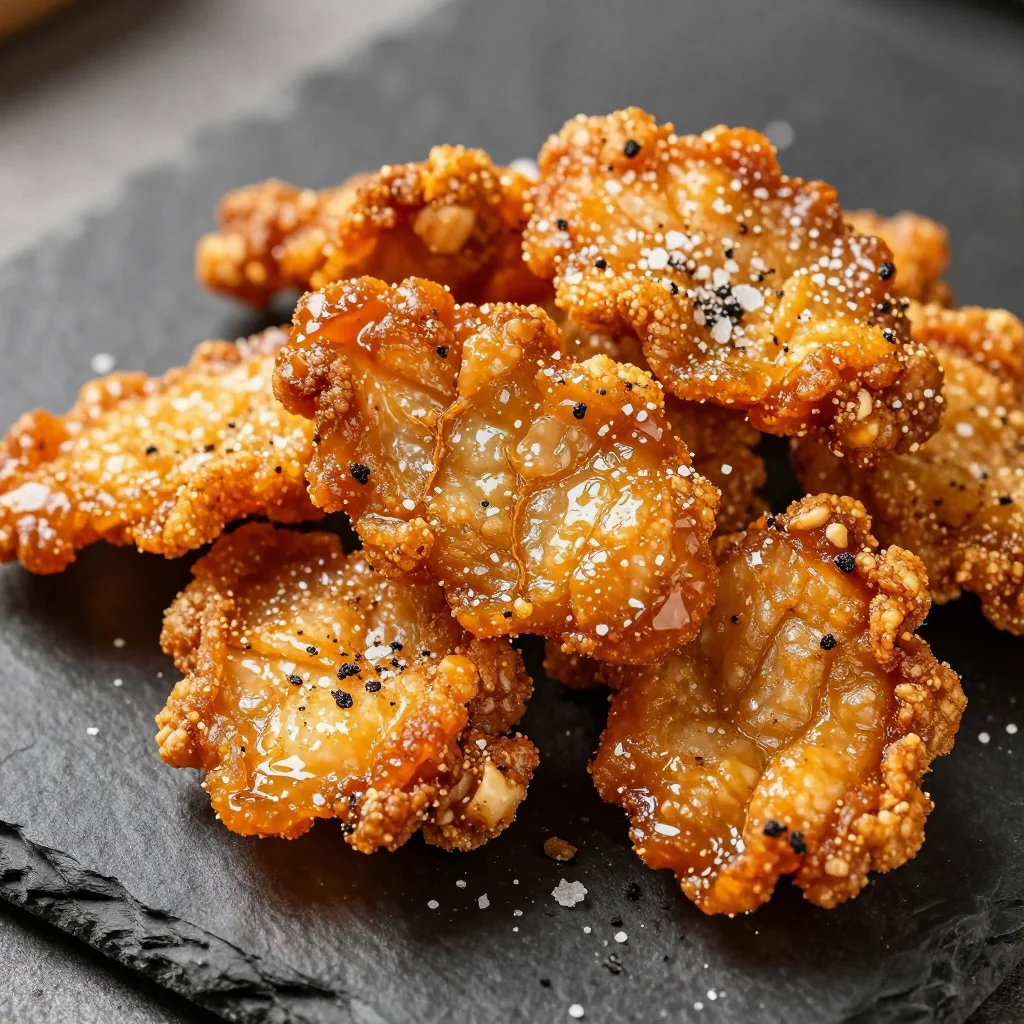
I was halfway through a late‑night stir‑fry when my kitchen turned into a smoky battlefield. The sauce had thickened too quickly, and the pan was already singeing the bottom. My friend dared me to salvage the dish using only pantry staples and a dash of culinary daring. I laughed, grabbed my skillet, and vowed to turn that disaster into a headline‑making meal. This is the moment that birthed the Whole30 Sweet And Sav Pork Chops.
The first thing that caught my eye was the deep mahogany glaze coating the chops, a glossy sheen that promised caramelized sweetness. The aroma that drifted up from the stove was a heady blend of rosemary, thyme, and the subtle tang of balsamic, wrapped around the crisp scent of sautéed onions. When I lifted the first chop, the sizzling sound was a crisp crackle that sent a shiver down my spine, a reminder that heat is an artist’s brush. The texture was a paradox—crusty on the outside, tender and juicy within, each bite releasing a burst of apple and mustard that danced across the palate. And the final touch? A sprinkle of sea salt that lifted the flavors into a symphonic crescendo.
What makes this version stand out isn’t just the harmony of sweet and savory; it’s the intentional layering of ingredients that each plays a distinct role. The apple isn’t just a garnish—it’s a natural sweetener that balances the acidity of balsamic and the earthiness of herbs. The mustard introduces a subtle kick that cuts through the richness of pork, while the rosemary and thyme provide a fragrant backdrop that feels like a warm hug. This is hands down the best version you’ll ever make at home, because every element is carefully chosen to amplify the others, not compete. And the best part? The method is simple enough that even a kitchen rookie can master it, but sophisticated enough that seasoned chefs will be impressed.
I dare you to taste this and not go back for seconds. Picture yourself pulling this out of the oven, the whole kitchen smelling incredible, and the first bite revealing a caramelized crust that shatters like thin ice, revealing a juicy center that whispers “I’m ready.” The secret? A quick sear, a slow reduction, and a final flourish of fresh herbs that turns a humble pork chop into a showstopper. If you've ever struggled with balancing sweet and savory, you're not alone—and I've got the fix. Stay with me here—this is worth it.
What Makes This Version Stand Out
- Taste: The apple and balsamic create a natural sweetness that lingers on the tongue, while the mustard adds a subtle heat that keeps the dish from feeling cloying. The result is a balanced flavor profile that satisfies both sweet and savory cravings.
- Texture: The seared crust offers a satisfying crunch that contrasts with the tender interior of the pork. The reduction thickens into a glossy glaze that clings to the meat, delivering a mouth‑watering finish.
- Simplicity: With only nine core ingredients, the recipe is approachable for busy weeknights without sacrificing depth.
- Uniqueness: The combination of fresh herbs, apple, and Dijon mustard is rarely seen in Whole30 pork recipes, giving this dish a distinct personality.
- Crowd Reaction: Friends who have tasted it say they can’t resist the aroma alone, and the first bite is often a “wow” moment that keeps the conversation flowing.
- Ingredient Quality: Using fresh, high‑quality herbs and a good‑grade balsamic elevates the flavor to gourmet territory.
- Cooking Method: The quick sear followed by a slow reduction locks in moisture and builds flavor, a technique that transforms a simple chop into a restaurant‑grade plate.
- Make‑Ahead Potential: The glazed pork can be refrigerated for up to 48 hours and reheated without losing its silky glaze.
Alright, let's break down exactly what goes into this masterpiece…
Inside the Ingredient List
The Flavor Base
Fresh rosemary and thyme are the backbone of this dish, delivering aromatic depth that complements the pork’s natural savoriness. The rosemary’s piney notes counterbalance the apple’s sweetness, while thyme adds a subtle, peppery undertone. Skipping the herbs would leave the dish feeling flat and one‑dimensional. If you’re out of fresh herbs, a teaspoon each of dried rosemary and thyme will work, but fresh is always preferable for a brighter flavor.
The Texture Crew
Olive oil is the medium that brings everything together. It creates a slick surface that promotes caramelization and helps the glaze adhere to the meat. Using a neutral oil like grapeseed or avocado can also work, but olive oil’s flavor profile enhances the herbs. A pinch of salt and pepper is essential; they’re the seasoning that brings out the natural flavors of each component.
The Unexpected Star
The apple is more than a garnish; it’s a sweetener that cuts through the richness of the pork and the acidity of the balsamic. A crisp, tart variety like Granny Smith or Honeycrisp offers a bright contrast, while a sweeter apple like Fuji will deepen the caramel notes. If you’re in a pinch, diced pear or a splash of apple cider can substitute, but the texture will change slightly.
The Final Flourish
Dijon mustard is the secret sauce that ties the sweet and savory together. Its sharp bite cuts through the sweetness of the apple and balsamic, creating a balanced glaze that coats the pork like velvet. A pinch of cayenne pepper or a dash of hot sauce can add a subtle heat if you like a little spice. Remember, the mustard also helps to emulsify the glaze, giving it a glossy consistency.
Everything's prepped? Good. Let's get into the real action…
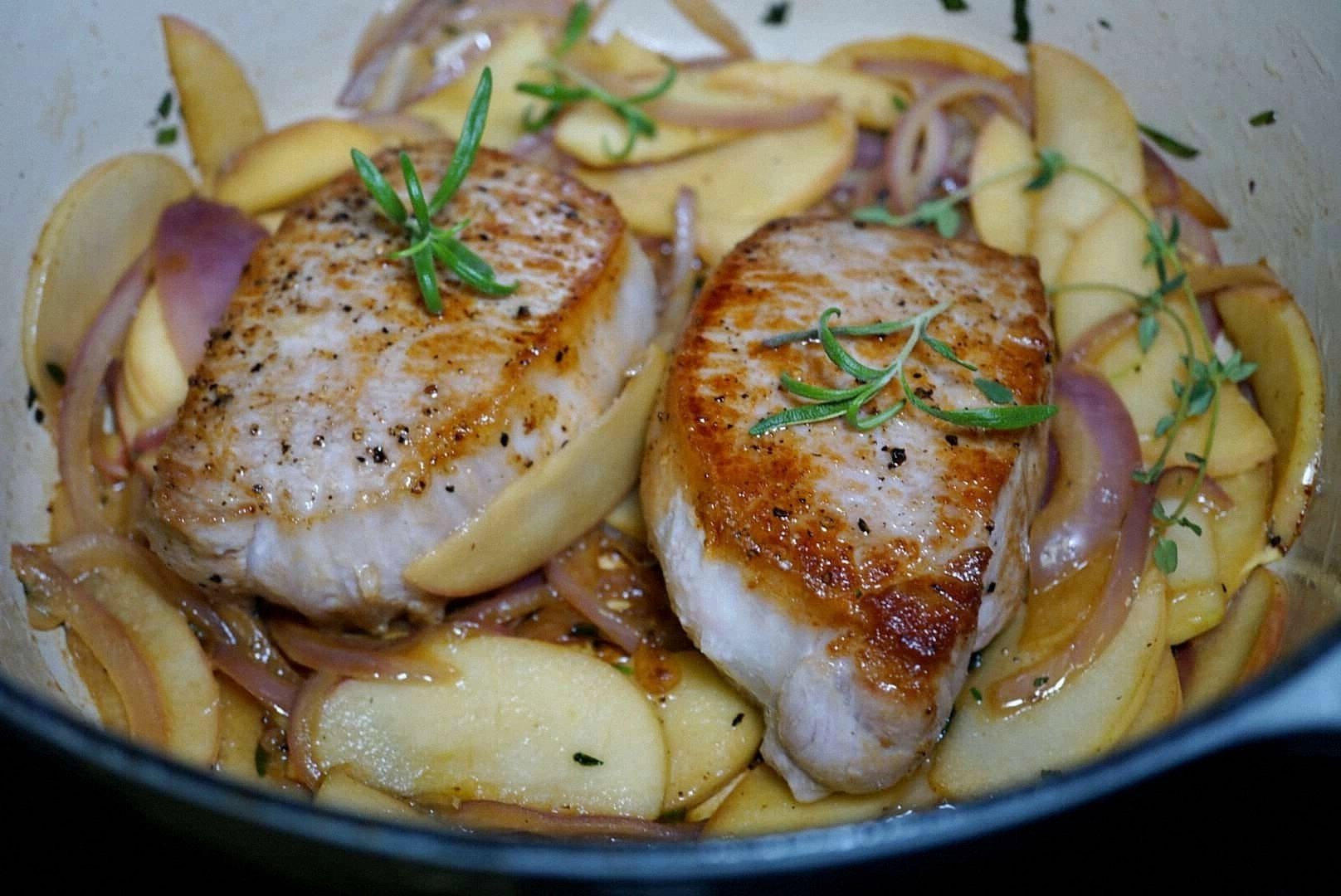
The Method — Step by Step
- Step 1: Prep the pork. Pat the pork chops dry with paper towels, then season both sides generously with salt, pepper, and a light dusting of dried thyme. The dryness is crucial; a wet surface will prevent the Maillard reaction from forming that coveted crust. Let the chops rest at room temperature for 10 minutes before cooking.
- Step 2: Sear the chops. Heat a cast‑iron skillet over medium‑high heat and add 1 tablespoon of olive oil. When the oil shimmers, place the chops in the pan, skin side down if applicable. Sear for 3–4 minutes until a deep golden crust forms, then flip and sear the other side for an additional 3 minutes.
- Step 3: Add aromatics. Reduce the heat to medium, then add the chopped red onion and the fresh rosemary and thyme. Cook, stirring occasionally, until the onions are translucent and fragrant—about 2 minutes. The herbs will release their oils, creating a fragrant base for the glaze.
- Step 4: Incorporate the apple. Slice the apple into thin wedges and add them to the skillet. Sauté for 2 minutes, letting the apple soften slightly. The apple’s natural sugars will start to caramelize, adding depth to the sauce.
- Step 5: Build the glaze. Stir in the Dijon mustard, balsamic vinegar, and chicken stock. The mixture should bubble gently; let it simmer for 4–5 minutes until it reduces by about half and thickens into a glossy sauce. The glaze will coat the pork and the apple, creating a luscious finish.
- Step 6: Finish the pork. Return the pork chops to the skillet, spooning the glaze over them. Cook for another 2 minutes, allowing the glaze to caramelize on the surface. The pork should be cooked to an internal temperature of 145°F (63°C) for safety and tenderness.
- Step 7: Rest. Transfer the chops to a cutting board and let them rest for 5 minutes. Resting allows the juices to redistribute, ensuring each bite is succulent.
- Step 8: Serve. Plate the chops, spooning the remaining glaze over the top. Garnish with a sprig of fresh thyme or a sprinkle of sea salt if desired. Serve immediately, accompanied by your favorite Whole30 side.
That's it—you did it. But hold on, I've got a few more tricks that'll take this to another level…
Insider Tricks for Flawless Results
The Temperature Rule Nobody Follows
Many cooks overcook pork chops by aiming for a high internal temperature. The key is to remove the chops from the heat once they reach 145°F (63°C), then let them rest. The residual heat will finish the cooking process, preventing dry meat. I once left a chop on the stove for an extra minute, and it became as tough as leather.
Why Your Nose Knows Best
Before you taste the glaze, hold the skillet to your nose and inhale. The aroma should be a sweet, herbaceous bouquet with a hint of apple. If it smells too acidic, add a splash of apple cider or a pinch of sugar. Your nose is your best ally in balancing flavors.
The 5‑Minute Rest That Changes Everything
Resting the pork chops for five minutes after cooking is not optional. It allows the juices to redistribute, ensuring every bite is juicy. Skipping this step often results in a dry, unevenly seasoned chop. I’ve seen people cut right away, only to discover the center is bone‑dry.
The Secret to a Glaze That Sticks
The key to a clingy glaze is to reduce the sauce until it’s about the thickness of honey. If it’s too thin, it will drip off the chops. A quick reduction at the end of the cooking process, just before plating, ensures the glaze coats the meat evenly.
The Fresh Herb Finale
Right before serving, sprinkle a handful of freshly chopped rosemary and thyme over the chops. The fresh herbs release their oils in the last minute, giving the dish a bright, aromatic finish. If you’re using dried herbs, a pinch of fresh lemon zest can brighten the flavor profile.
Creative Twists and Variations
This recipe is a playground. Here are some of my favorite ways to switch things up:
Maple‑Glazed Pork
Swap the balsamic for 2 tablespoons of pure maple syrup and reduce the Dijon mustard to ½ teaspoon. The result is a sweeter, caramelized crust that pairs wonderfully with a side of roasted sweet potatoes.
Spicy Apple Smash
Add ¼ teaspoon of crushed red pepper flakes to the glaze for a subtle heat. The apple’s sweetness balances the spice, creating a dynamic flavor that’s perfect for fall gatherings.
Herb‑Infused Olive Oil
Before searing, infuse 2 tablespoons of olive oil with 1 tablespoon of rosemary and thyme. Use this infused oil instead of plain olive oil for a deeper herbal flavor that permeates the pork.
Citrus Brightness
Finish the glaze with a squeeze of fresh lemon juice and a sprinkle of zest. The citrus adds a bright, zesty contrast to the sweet and savory notes, making the dish feel lighter.
Pork with Pear & Sage
Replace the apple with sliced pears and swap rosemary for sage. This variation offers a subtly sweet, earthy flavor that’s perfect for a cozy dinner.
Storing and Bringing It Back to Life
Fridge Storage
Cool the pork chops to room temperature, then place them in an airtight container. Store in the refrigerator for up to 48 hours. The glaze will cling to the meat, preserving moisture and flavor.
Freezer Friendly
Wrap each pork chop individually in parchment paper, then place in a freezer bag. Freeze for up to 3 months. Thaw overnight in the refrigerator before reheating.
Best Reheating Method
Reheat the pork chops in a skillet over medium heat, adding a splash of water or chicken stock to create steam. This keeps the meat moist and restores the glaze’s glossy sheen. Avoid microwaving, as it can make the pork rubbery.