Picture this: I’m standing in my cramped kitchen, a pot of broth simmering, and a stack of chicken breasts staring back at me like a silent challenge. The smell of garlic and thyme is already weaving itself into the air, and I can’t help but think, “This is going to be a showstopper.” My friends had been teasing me for weeks that my chicken and potato combo was just… average, so I decided it was time to up the ante. I grabbed every seasoning I owned, slapped a few extra herbs on the mix, and let the anticipation build. That moment of culinary suspense is the spark that ignites this recipe.
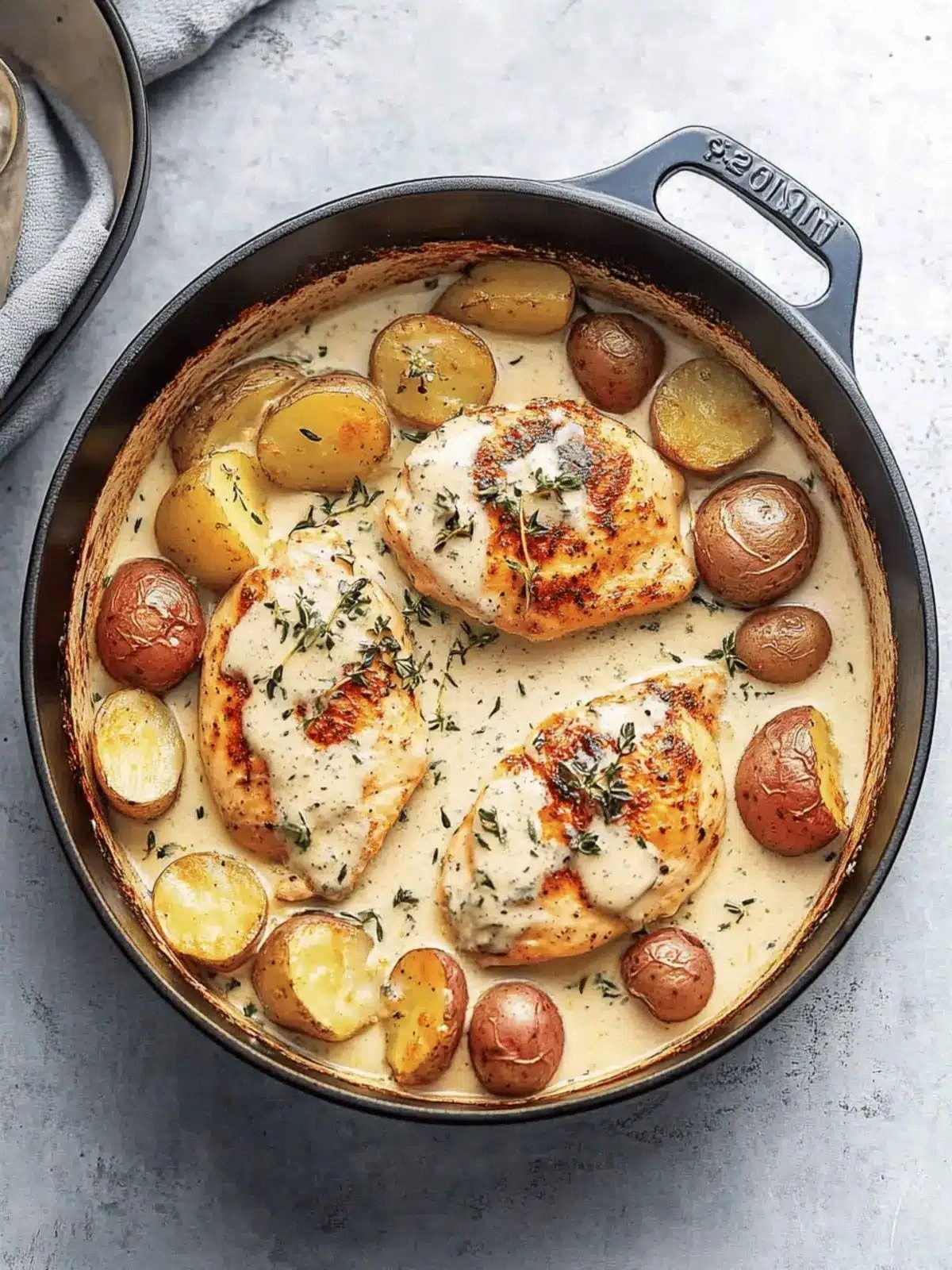
The first thing you notice is the visual orchestra: golden, blistered skin on the chicken, the rustic glow of roasted potatoes, and a glossy, mustard‑cream sauce that glistens like a velvet curtain. As the oven timer ticks, the kitchen fills with the comforting crackle of butter melting into garlic, while the aroma of rosemary and paprika starts to drift through the windows. When you finally lift the lid, the steam rises in a cloud that carries the scent of roasted garlic and Dijon. The sound is a gentle hiss, almost a sigh of satisfaction, telling you that everything is in sync. The texture is a contrast of crisp edges and tender interiors, a sensory dance that makes you forget you’re even in your own kitchen.
What makes this version stand out is not just the ingredients, but the way they work together. The Dijon mustard adds a subtle tang that cuts through the richness of the cream, while the Italian blend seasoning gives a peppery punch that keeps the dish from feeling heavy. The potatoes are halved, so they roast evenly and develop a caramelized crust that’s both crunchy and buttery. The chicken, on the other hand, is seared to lock in juices before finishing in the sauce, ensuring it stays moist and flavorful. The result? A dish that feels luxurious yet approachable, perfect for impressing guests or treating yourself after a long day.
I dare you to taste this and not go back for seconds. The sauce coats the chicken and potatoes like a silky cloak, and every bite is a revelation of flavor. Picture yourself pulling this out of the oven, the whole kitchen smelling incredible, and the table ready for a feast that feels like a hug in a bowl. If you've ever struggled with chicken and potatoes, you're not alone—and I've got the fix. Let me walk you through every single step—by the end, you'll wonder how you ever made it any other way.
What Makes This Version Stand Out
- Flavor Depth: The Dijon mustard and Italian blend seasoning create a layered taste profile that feels both familiar and adventurous.
- Texture Contrast: Crispy, caramelized edges on the potatoes meet the silky, creamy sauce for a mouthfeel that never gets stale.
- Simple Prep: No complicated marinades or secret ingredients—just a handful of pantry staples that you probably already own.
- Crowd‑Pleaser: The dish is big enough for a family dinner yet elegant enough for a dinner party, making it a versatile go‑to.
- Quality Focus: Using fresh, boneless skinless chicken breasts ensures a tender finish without the hassle of trimming.
- Make‑Ahead Friendly: The sauce can be stored and reheated without losing its lusciousness, so you can prep in advance.
- Balanced Nutrition: With a moderate fat content and protein-packed chicken, this dish feels indulgent but not guilty.
- Visual Appeal: The golden hues of the chicken and potatoes set against the creamy sauce make for Instagram‑ready plating.
Inside the Ingredient List
The Flavor Base
The backbone of this dish is the blend of garlic, butter, and a splash of chicken broth. The minced garlic releases its oils as it sizzles, creating a fragrant foundation that underpins the entire sauce. Butter adds richness and a slight caramelization, while the broth keeps the sauce from becoming too thick. Together, they form a velvety canvas that allows the Dijon mustard to shine without overpowering the chicken. If you skip any of these, the sauce loses its depth and becomes a flat, one‑dimensional experience.
The Texture Crew
Potatoes and chicken are the stars that provide texture. The baby potatoes, halved to ensure even roasting, develop a crisp exterior while remaining fluffy inside. The chicken breasts, seared first, lock in juices and develop a golden crust that contrasts beautifully with the creamy sauce. If you cut the potatoes too small, they’ll steam rather than roast; too large, and they’ll undercook. The same goes for the chicken—over‑cooking it will dry it out and ruin the tender bite you’re aiming for.
The Unexpected Star
Dijon mustard isn’t just a condiment; it’s the secret that gives this dish its signature zing. The mustard’s peppery bite cuts through the richness of the cream and balances the savory notes from the chicken and potatoes. It also adds a subtle color contrast that makes the dish visually striking. Swapping Dijon for whole‑grain mustard adds texture, while a lighter mustard will reduce the intensity but still deliver that tang.
The Final Flourish
Heavy cream is the luxurious topper that ties everything together. It thickens the sauce, gives it a silky mouthfeel, and provides a subtle sweetness that balances the savory elements. If you prefer a lighter version, half-and-half or a splash of milk can replace the cream, though the sauce will be less rich. Adding a pinch of cracked black pepper at the end adds a final pop of heat that lingers on the palate. Skipping it will make the dish feel a bit flat.
Everything's prepped? Good. Let's get into the real action.
The Method — Step by Step
- Preheat the oven: Set your oven to 400°F (200°C). This high heat is crucial for achieving that golden crust on the chicken and potatoes. While the oven warms, pat the chicken breasts dry with a paper towel; moisture is the enemy of crispness. Season both sides generously with salt, pepper, and Italian blend seasoning. Once the oven reaches temperature, you’re ready to start the sear.
- Seared chicken: Heat 1 tablespoon of olive oil in a large oven‑proof skillet over medium‑high heat. When the oil shimmers, add the chicken breasts skin‑side down (though they’re skinless, we still use the same technique to build flavor). Sear for 3-4 minutes until a golden crust forms. Flip and sear the other side for 2 minutes. This step locks in juices and adds a savory base for the sauce.
- Roast the potatoes: While the chicken sears, toss the halved baby potatoes in 1 tablespoon of olive oil, salt, pepper, and a pinch of Italian seasoning. Spread them out in a single layer on a baking sheet. Roast in the oven for 20-25 minutes, turning once, until they’re golden and tender. The potatoes should crackle when you lift the pan, indicating they’re perfectly roasted.
- Combine the chicken and potatoes: Once the potatoes are done, push them to the side of the skillet and add the remaining 1 tablespoon of olive oil. Add the minced garlic and sauté for 30 seconds until fragrant. Then, return the chicken to the skillet, placing it on top of the potatoes. This layering lets the flavors mingle, and the garlic infuses the entire dish.
- Deglaze with broth: Pour the chicken broth into the skillet, scraping the bottom with a wooden spoon to loosen any browned bits. These bits are packed with flavor and will enrich the sauce. Let the broth simmer for 2 minutes, allowing it to reduce slightly.
- Add butter and mustard: Stir in the butter, letting it melt into the broth, and then whisk in the Dijon mustard. The butter adds a silky texture, while the mustard brings a sharp, tangy kick. Keep whisking until the sauce is smooth and glossy. The mixture should bubble gently but not boil.
Pour in the heavy cream, stirring continuously. The sauce will thicken and coat the back of a spoon. Lower the heat to medium‑low and let it simmer for 5 minutes, allowing the flavors to meld. The sauce should be thick enough to coat the chicken and potatoes without becoming runny. Add a pinch of cracked black pepper to the sauce. Taste and adjust salt if needed. If the sauce feels too thick, add a splash of milk or broth to reach your desired consistency. This final seasoning step ensures the dish is balanced and ready for plating. - Watch out for over‑simmering: If the sauce reduces too quickly, it can become too thick or burn. Keep a close eye and adjust the heat accordingly. A gentle simmer keeps the sauce silky and prevents scorching.
- Plate the dish: Arrange the chicken breasts on a platter and surround them with the roasted potatoes. Spoon the creamy sauce over the top, letting it cascade into the gaps between the potatoes. The visual contrast of golden chicken and creamy sauce will make your guests’ mouths water.
- Garnish and serve: Sprinkle fresh chopped parsley or a dusting of paprika for color. A squeeze of lemon juice right before serving can brighten the dish, cutting through the richness. Serve immediately for the best texture and flavor.
- Optional: Add a touch of heat: If you like a bit of spice, drizzle a few drops of hot sauce into the sauce before plating. The heat will add depth without overpowering the dish.
- Enjoy and repeat: Take a bite and let the flavors dance. This dish is meant to be savored, but if you’re hungry for more, don’t be shy. The leftovers will still taste amazing when reheated.
- Clean up quickly: While the sauce is still warm, pour it into a jar and refrigerate. This prevents it from solidifying and makes cleanup a breeze.
That's it — you did it. But hold on, I've got a few more tricks that'll take this to another level.
Insider Tricks for Flawless Results
The Temperature Rule Nobody Follows
Many cooks start cooking chicken at a high heat and then immediately lower it, which can cause the exterior to overcook while the interior remains underdone. Instead, sear at medium‑high to develop a crust, then reduce to medium‑low for the sauce. This controlled heat ensures the chicken stays juicy, and the sauce thickens without burning. I once tried a quick high‑heat finish and ended up with a dry, over‑browned chicken that tasted like cardboard.
Why Your Nose Knows Best
Trust your nose when the sauce starts to thicken. A hint of caramelized butter aroma signals that the sauce is ready. If you’re unsure, stir a spoonful onto a plate; it should coat the back of the spoon. The sensory cue is more reliable than a timer, especially when you’re juggling multiple steps. I’ve learned that a well‑seasoned kitchen is a well‑seasoned dish.
The 5‑Minute Rest That Changes Everything
After removing the skillet from the oven, let the chicken rest for 5 minutes before slicing. This allows the juices to redistribute, ensuring every bite is moist. Cutting into it too soon will cause the juices to escape, leaving dry meat. A simple timer or a quick note on your phone keeps you on track. The rest period is the secret to that melt‑in‑your-mouth texture.
Keep the Potatoes Crispy
If you’re a fan of extra crunch, toss the potatoes in a little extra olive oil before roasting. The oil helps them crisp up faster. Another trick is to spread them on a parchment‑lined sheet instead of a metal pan; the parchment reduces sticking and promotes even browning. When you lift the pan, the potatoes should crackle like a toasted campfire.
Layering Flavors Like a Chef
Place the chicken on top of the potatoes before adding the sauce. This layering technique ensures the chicken absorbs the sauce’s richness while the potatoes soak up the savory juices. If you were to add the sauce first, the potatoes might become soggy. The method also creates a beautiful presentation with layers of color and texture.
Reheat Without Losing Creaminess
When reheating leftovers, add a splash of milk or broth to the sauce to loosen it. Heat gently over low heat, stirring constantly to prevent separation. The sauce should regain its silky consistency and coat the chicken and potatoes like a fresh batch. This trick keeps the dish from feeling stale.
Make It a One‑Pan Wonder
If you’re short on dishes, you can cook the entire meal in a single skillet. After searing the chicken, add the potatoes, then the sauce. This reduces cleanup and keeps the flavors concentrated. The only downside is that the potatoes might not get as crispy, but the flavor trade‑off is worth it for convenience.
Use a Cast‑Iron Skillet for Extra Depth
A cast‑iron skillet retains heat better than stainless steel, ensuring a consistent sear and even sauce thickening. The skillet also adds a subtle iron flavor that pairs nicely with the Dijon. If you don’t have a cast iron, a heavy‑bottomed pan will suffice, but the cooking experience will differ slightly.
Add a Touch of Sweetness
A drizzle of honey or a sprinkle of brown sugar can balance the acidity of the mustard and the richness of the cream. This sweet undertone adds complexity and makes the dish feel more rounded. Use it sparingly; too much will overpower the savory notes. Experiment to find the sweet‑savory sweet spot.
Serve with a Fresh Salad
A crisp green salad with a light vinaigrette cuts through the richness of the dish. The acidity brightens the flavors and adds a refreshing crunch. A simple mix of arugula, sliced radishes, and shaved parmesan works wonders. This side also adds a pop of color, making the plate more vibrant.
Creative Twists and Variations
This recipe is a playground. Here are some of my favorite ways to switch things up:
Smoky Chipotle Chicken
Swap the Italian blend seasoning for a chipotle chili powder blend. Add a tablespoon of smoked paprika for a deeper, smoky flavor. The sauce will take on a subtle heat that pairs beautifully with the creamy base. This variation is perfect for those who love a little kick.
Herbed Mediterranean Delight
Replace the Italian seasoning with a mix of oregano, thyme, and basil. Add a handful of sun‑dried tomatoes for a burst of umami. The sauce becomes a Mediterranean dream, and the potatoes absorb the aromatic herbs. Serve with a side of tzatziki for a complete experience.
Creamy Mushroom Fusion
Sauté sliced mushrooms with the garlic before adding the broth. The mushrooms release their own umami, enriching the sauce. They also add a chewy texture that complements the chicken. This version is great for mushroom lovers and adds an earthy note.
Spicy Cajun Kick
Introduce a Cajun spice blend to the potatoes for a bold, fiery edge. Add a splash of hot sauce to the sauce for an extra layer of heat. The dish becomes a flavor explosion that satisfies spice seekers. Keep the Dijon at a lower level to avoid overpowering the Cajun spices.
Lemon‑Herb Zest
Finish the sauce with a generous squeeze of fresh lemon juice and a sprinkle of lemon zest. This brightens the dish and cuts through the richness. Combine with fresh thyme or rosemary for an aromatic finish. The result is a bright, citrusy version that feels light yet indulgent.
Sweet & Smoky BBQ Version
Swap the Dijon mustard for a smoky BBQ sauce. Add a touch of brown sugar for sweetness. The sauce will coat the chicken and potatoes in a glossy, caramelized glaze. This variation turns the dish into a hearty BBQ classic.
Parmesan‑Crusted Chicken
Coat the chicken in a mixture of grated Parmesan and breadcrumbs before searing. The crust adds a crunchy texture and nutty flavor. The Parmesan also melts into the sauce, enhancing its richness. This version is perfect for those who love a crunchy bite.
Roasted Garlic & Herb Potatoes
Roast the potatoes with whole garlic cloves and a handful of fresh rosemary. The roasted garlic infuses the potatoes with a sweet, mellow flavor. The rosemary adds a piney aroma that pairs wonderfully with the creamy sauce. This variation brings a rustic, earthy twist.
Vegan Creamy Twist
Replace the chicken with thick slices of seared tofu or tempeh. Use coconut cream instead of heavy cream for a dairy‑free version. The sauce will still coat the protein, delivering a creamy, comforting bite. This is a great option for plant‑based diners.
Herbed Garlic Butter Sauce
Add a handful of fresh parsley and a splash of lemon zest to the sauce. This brightens the flavor profile and adds a fresh herbal note. The garlic butter base remains creamy, but the herbs give it a lively, vibrant finish. This variation is a lighter take on the original.
Storing and Bringing It Back to Life
Fridge Storage
Store leftovers in an airtight container in the refrigerator for up to 3 days. Keep the sauce and chicken separate if you want to avoid sogginess. When ready to eat, reheat the chicken and potatoes in a skillet over medium heat, then add the sauce. The dish will regain its warmth and flavor.
Freezer Friendly
Wrap the cooked chicken and potatoes tightly in foil and place them in a freezer bag. The dish can be frozen for up to 2 months. When reheating, thaw overnight in the fridge, then heat in a skillet with a splash of broth to prevent drying. This method keeps the texture intact.
Best Reheating Method
The best way to reheat is on the stove over low heat, stirring frequently. Add a splash of milk or broth to loosen the sauce. This gentle approach prevents the sauce from separating and ensures the chicken stays juicy. Finish with a sprinkle of fresh herbs for a fresh finish.