Picture this: I was in the middle of a Sunday brunch prep when the kitchen decided to play a cruel prank. I had just whisked the batter, the air smelled like citrus and hope, and the timer on my phone buzzed with a “Done!” message. I poured a ladle into the pan, only to watch the batter spread like a lazy sunrise across the skillet, refusing to form the perfect oval shape. The next thing I knew, I was staring at a lopsided, soggy pancake that tasted like a dry lemon peel. I could almost hear the kitchen whisper, “That’s not how you do it.”
That moment became the catalyst for a recipe I swear I’d discovered in a dream. I spent hours tweaking, testing, and tasting until the batter behaved like a loyal puppy—soft, airy, and bursting with bright lemon. The secret? A splash of ricotta that adds a silky texture, a dash of baking soda to neutralize the acid, and a generous amount of zest that gives that citrus punch without the bitterness. Every bite is a bright, sunlit burst that feels like a tiny celebration in your mouth. The result is pancakes that rise like clouds, flip with a satisfying sizzle, and melt on the tongue like a dream.
I dare you to taste this and not go back for seconds. I’ve been told that the first bite is the best, but the second will have you begging for more. The combination of ricotta’s creamy body and lemon’s sharp zing creates a flavor profile that is both familiar and surprisingly adventurous. It’s the kind of breakfast that turns an ordinary morning into a festival. If you’ve ever struggled with pancakes that are too dense or too dry, you’re not alone—and I’ve got the fix.
Most recipes get this completely wrong. They either forget the ricotta, use too much flour, or skip the lemon zest, ending up with a flat, lifeless pancake that feels like a missed opportunity. I’ve spent too many mornings scrambling for a good brunch, and this version is hands down the best you’ll ever make at home. The batter is silky, the pancakes are fluffy, and the finish is that perfect golden crust that shatters like thin ice when you bite into it.
Picture yourself pulling these golden discs out of the skillet, the whole kitchen smelling incredible, and the plate already looking like a work of art. The anticipation of that first bite is almost tangible. Let me walk you through every single step—by the end, you’ll wonder how you ever made it any other way.
What Makes This Version Stand Out
- Taste: The ricotta brings a subtle, creamy richness that balances the bright lemon, creating a flavor that is both comforting and refreshing.
- Texture: The batter is silky and light, thanks to the ricotta and a precise amount of baking soda that neutralizes acidity without over-leavening.
- Simplicity: Only 10 ingredients, no fancy equipment, and a straightforward method that even a kitchen novice can master.
- Uniqueness: The combination of ricotta and lemon zest is rare in pancake recipes, giving these discs a distinctive twist that sets them apart.
- Crowd Reaction: Friends who try these pancakes often ask for the recipe on the spot, and the leftovers keep the fridge stocked.
- Ingredient Quality: Fresh lemons, high‑quality ricotta, and whole‑grain flour elevate the dish beyond a typical breakfast.
- Cooking Method: A simple pan‑fry with a low‑to‑medium heat ensures a golden crust without burning.
- Make‑Ahead Potential: The batter can be stored in the fridge for up to 48 hours, making it a perfect prep‑in‑advance option.
Alright, let’s break down exactly what goes into this masterpiece…
Inside the Ingredient List
The Flavor Base
All‑Purpose Flour: The backbone of our batter, flour gives structure and lift. A slightly lower protein flour, like cake flour, can make the pancakes even lighter, but the standard choice works perfectly. If you’re experimenting, try a 50/50 mix of whole‑wheat and all‑purpose for a nuttier flavor. Skipping flour will leave you with a thick, ricotta‑heavy custard that won’t rise.
The Sweet & Salty Crew
Granulated Sugar: A modest amount sweetens the batter without overpowering the lemon. You can swap it for honey or maple syrup, but that will introduce a different flavor profile. If you prefer a lower‑carb version, a sugar substitute like erythritol will work, though the browning may differ. Skipping sugar will make the pancakes taste more like savory ricotta, which is a bold move.
Sodium: A pinch of salt elevates the flavors and balances the sweetness. Too much salt can ruin the delicate citrus notes, so measure carefully. If you’re on a low‑sodium diet, reduce to a quarter teaspoon, but keep in mind the batter may taste slightly flat.
The Unexpected Star
Lemon Zest: This is where the magic begins. Zest contains essential oils that give the bright, clean lemon flavor without the bitterness of the peel. Use a microplane for a fine zest, and avoid the white pith. If you don’t have fresh lemons, a teaspoon of lemon zest extract can mimic the effect, though the aroma will be less vibrant.
The Final Flourish
Ricotta Cheese: The star ingredient that turns ordinary pancakes into a silky, airy experience. Ricotta’s moisture content keeps the batter moist, while its protein structure provides a light crumb. For a richer flavor, try whole‑milk ricotta; for a tangier taste, use part‑fat. If ricotta is unavailable, Greek yogurt can be a close substitute, but it will alter the texture slightly.
Everything’s prepped? Good. Let’s get into the real action…
The Method — Step by Step
- Start by whisking the dry ingredients in a large bowl: 2 cups of flour, 2 tablespoons of sugar, 2 teaspoons of baking powder, ½ teaspoon of salt, and ½ teaspoon of baking soda. The baking soda is crucial; it reacts with the lemon juice to create tiny bubbles that lift the batter. This step is the foundation—skip it and your pancakes will feel like a flat pancake sheet.
- In a separate bowl, combine the wet ingredients: 1 cup of ricotta, 2 large eggs, ½ cup of milk, 2 tablespoons of melted butter, 1 teaspoon of vanilla extract, 1 tablespoon of lemon zest, and 2 tablespoons of fresh lemon juice. Whisk until the mixture is smooth and the ricotta is fully integrated. The lemon zest should be bright, not bitter—if it tastes harsh, you’ve over‑zested.
- Pour the wet mixture into the dry mixture, stirring gently with a spatula until just combined. Be careful not to over‑mix; a few lumps are okay. Over‑mixing activates gluten, which makes the pancakes chewy. The batter should be slightly thick but pourable.
- Heat a non‑stick skillet over medium heat. Add a small pat of butter and let it melt, swirling the pan to coat the surface. The butter should sizzle gently—if it roasts, lower the heat. A well‑heated pan ensures a golden crust.
- Drop a ¼ cup ladleful of batter onto the skillet. The batter should spread quickly, forming a circle about 3 inches in diameter. Watch the edges; when they start to look set and the surface has bubbles, it’s time to flip. This is the moment of truth.
- Flip gently with a spatula, cooking the second side until golden brown—about 1‑2 minutes. The pancake should feel firm to the touch but still have a slight give. If you flip too early, you’ll end up with raw centers.
- Repeat with the remaining batter, adding more butter as needed. Stack the cooked pancakes on a warm plate; cover loosely with foil to keep them warm. The stack will rise slightly as they cool.
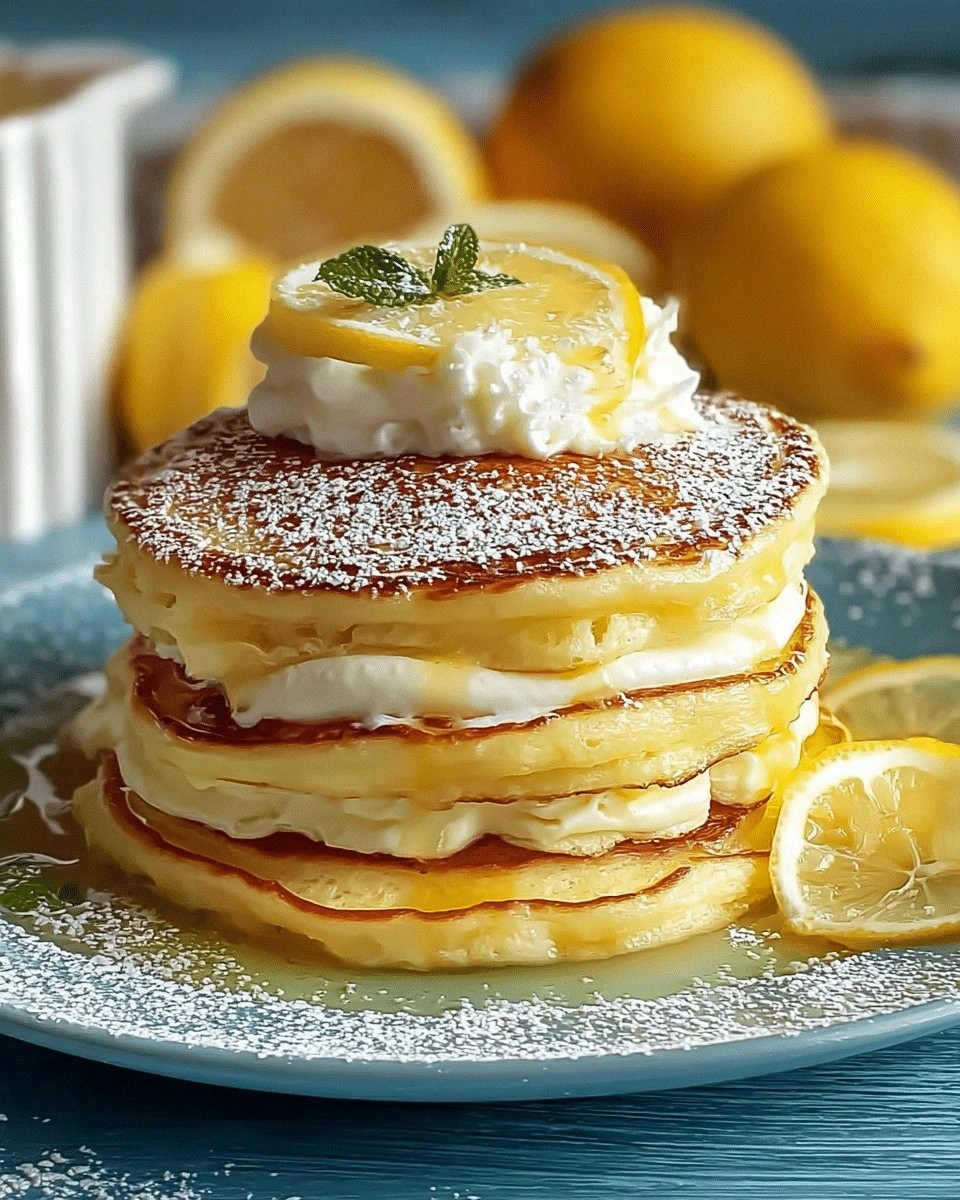
- Serve immediately with a dusting of powdered sugar, a drizzle of lemon syrup, or a dollop of whipped cream. The pancakes are best enjoyed fresh, but they also hold up well for a short time.
That's it — you did it. But hold on, I've got a few more tricks that'll take this to another level…
Insider Tricks for Flawless Results
The Temperature Rule Nobody Follows
Many people think high heat is the secret to a golden crust, but that’s a myth. The right temperature is medium to medium‑low—about 350°F on a stovetop. If the heat is too high, the outside will burn while the inside remains undercooked. I’ve seen pancakes that look perfect but feel like a rubber band when you bite in. Keep the pan pre‑heated for 2 minutes before adding batter.
Why Your Nose Knows Best
Before you flip, smell the batter. A subtle citrus aroma indicates the batter is ready. If it smells flat or overly wet, give it a minute more. Your nose is a reliable judge of doneness, especially when the visual cues are ambiguous.
The 5‑Minute Rest That Changes Everything
After cooking, let the pancakes rest on a wire rack for 5 minutes. This step allows steam to escape, preventing soggy bottoms. I’ve found that resting the stack also lets the flavors meld, giving the lemon a deeper brightness.
Keep the Batter Light
When whisking the wet ingredients, beat the eggs first. The beaten eggs incorporate air, which translates into fluffier pancakes. If you whisk the ricotta first, you’ll lose some of that lift.
Use Fresh, Juicy Lemons
Quality matters. Fresh lemons provide a brighter zest and juice than bottled. If you’re in a pinch, a tablespoon of lemon juice concentrate can substitute, but the flavor will be less vibrant.
Serve Immediately, or Reheat Properly
These pancakes are best served fresh, but if you need to reheat, do it gently. Place them in a pre‑heated oven at 300°F for 5 minutes, then finish on a skillet to restore crispness. Avoid microwaving; it will make them chewy.
Creative Twists and Variations
This recipe is a playground. Here are some of my favorite ways to switch things up:
Berry Burst
Fold in a cup of fresh blueberries or raspberries into the batter before cooking. The berries burst with juice, giving a pop of color and a subtle tartness that complements the lemon.
Chocolate Drizzle
After flipping, drizzle a thin line of melted dark chocolate over the pancakes. The bittersweet chocolate pairs surprisingly well with the citrus, creating a decadent breakfast treat.
Herb‑Infused
Add a teaspoon of chopped fresh thyme or rosemary to the batter. The herbal notes add depth and a savory contrast to the sweet lemon.
Nutty Crunch
Top the finished pancakes with toasted almond slices or chopped pistachios. The crunch adds texture, while the nuts bring a subtle nuttiness that balances the bright lemon.
Vegan Version
Replace the eggs with flaxseed meal (1 tablespoon mixed with 3 tablespoons water) and use plant‑based milk. The ricotta can be substituted with tofu blended until smooth. The result is a vegan pancake that still holds that airy, citrusy character.
Breakfast Bowl
Slice the pancakes into strips and layer them in a bowl with Greek yogurt, honey, and granola. This transforms the pancakes into a breakfast parfait that’s both fun and nutritious.
Storing and Bringing It Back to Life
Fridge Storage
Cool the pancakes completely, then stack them with parchment paper between each layer. Store in an airtight container for up to 3 days. The parchment prevents sticking, and the airtight seal keeps them from drying out.
Freezer Friendly
Wrap each pancake individually in plastic wrap, then place them in a freezer bag. They’ll stay good for up to 2 months. When you’re ready, pop one out and let it thaw at room temperature for 15 minutes.
Best Reheating Method
To revive frozen pancakes, heat a skillet over medium heat, add a splash of water, and cover. The steam will gently warm the pancake without overcooking it. A quick 1‑2 minute oven bake at 300°F also works well.